What Is Silesia Famous For?
Silesia is famous for coal, castles and UNESCO sites, and Wroclaw in southwestern Poland is the capital of Lower Silesia. Here is what the region is known for, with verified prices and facts.
Silesia is famous for coal, castles and some of the most striking churches in Central Europe, and Wroclaw, a city of 672,601 people in southwestern Poland, is the capital of its western half, Lower Silesia. The name covers a historical region that today spills across Poland, Czechia and Germany, and many people meet it through Wroclaw itself: the largest city of the Dolnoslaskie voivodeship, sitting on the Odra river, within reach of Ksiaz Castle and the Giant Mountains. The Wroclaw Travel Guide desk covers the region constantly, and the honest answer to what Silesia is famous for splits neatly in two. Upper Silesia, around Katowice, carries the coal-and-steel identity. Lower Silesia, around Wroclaw, carries the castles, the UNESCO inscription dots and the mountains.
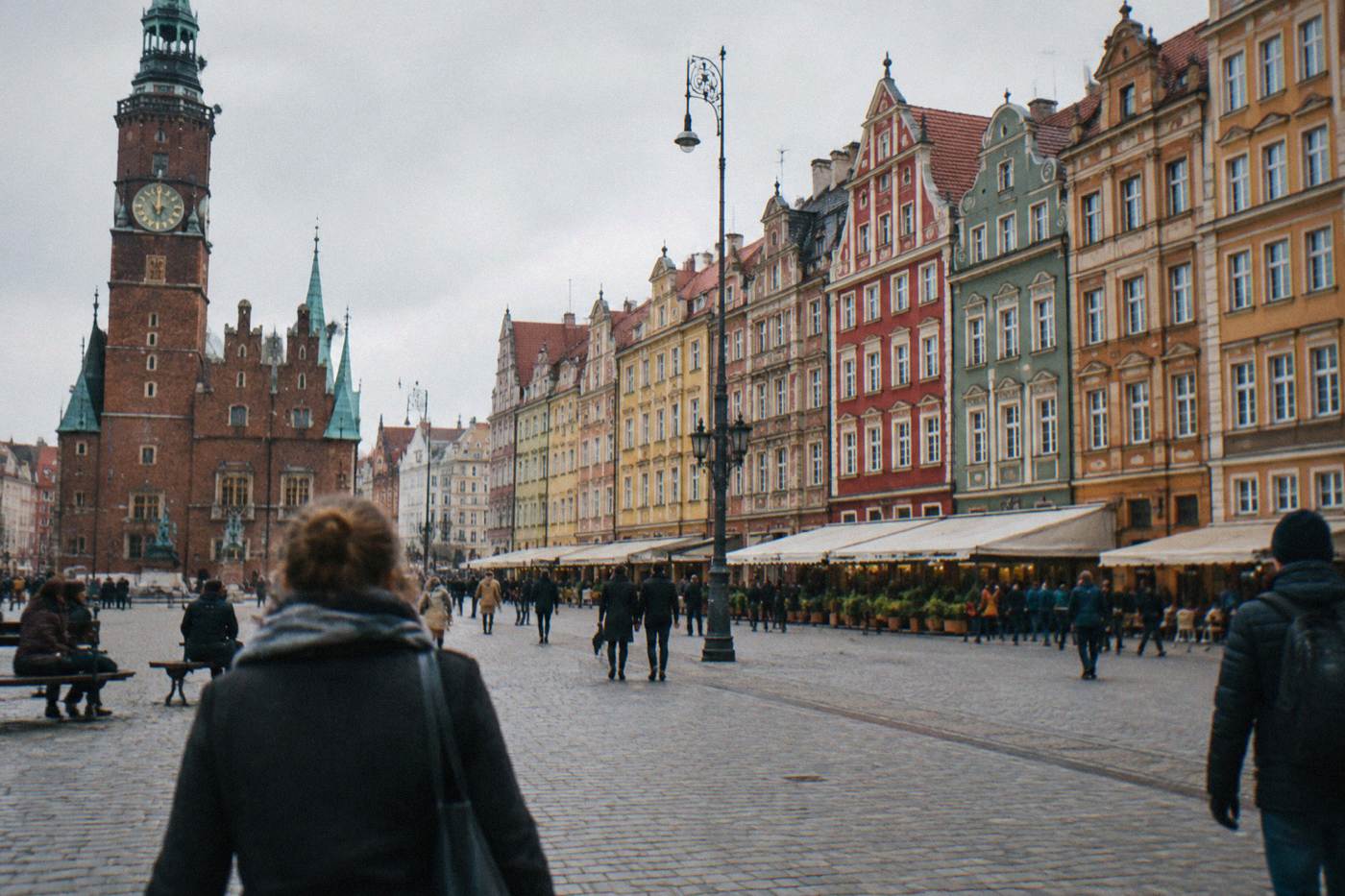
What Is Silesia Famous For?
Silesia is famous for three things above all: coal and heavy industry in its eastern half, an extraordinary density of castles and palaces in its western half around Wroclaw, and two UNESCO World Heritage ensembles, the Churches of Peace of Jawor and Swidnica from 2001 and Wroclaw's Centennial Hall from 2006. The region's larger story is a borderland one: a territory whose rulers changed repeatedly over the centuries, which is why its cities, dialects and food carry Polish, German, Bohemian and Habsburg layers at once.
Start with the split, because it is the single most useful thing to understand. Silesia was never one place with one economy. The eastern part, Upper Silesia, sits on coal seams, and its identity, from the industrial skyline of Katowice to the miners' housing estates, is the one most Poles picture when the word "Silesia" comes up. The western part, Lower Silesia, is where Wroclaw sits, and its character is different: rolling lowland, river islands, spa towns, the Giant Mountains on the Czech border, and more castles per square mile than almost anywhere else in Poland.
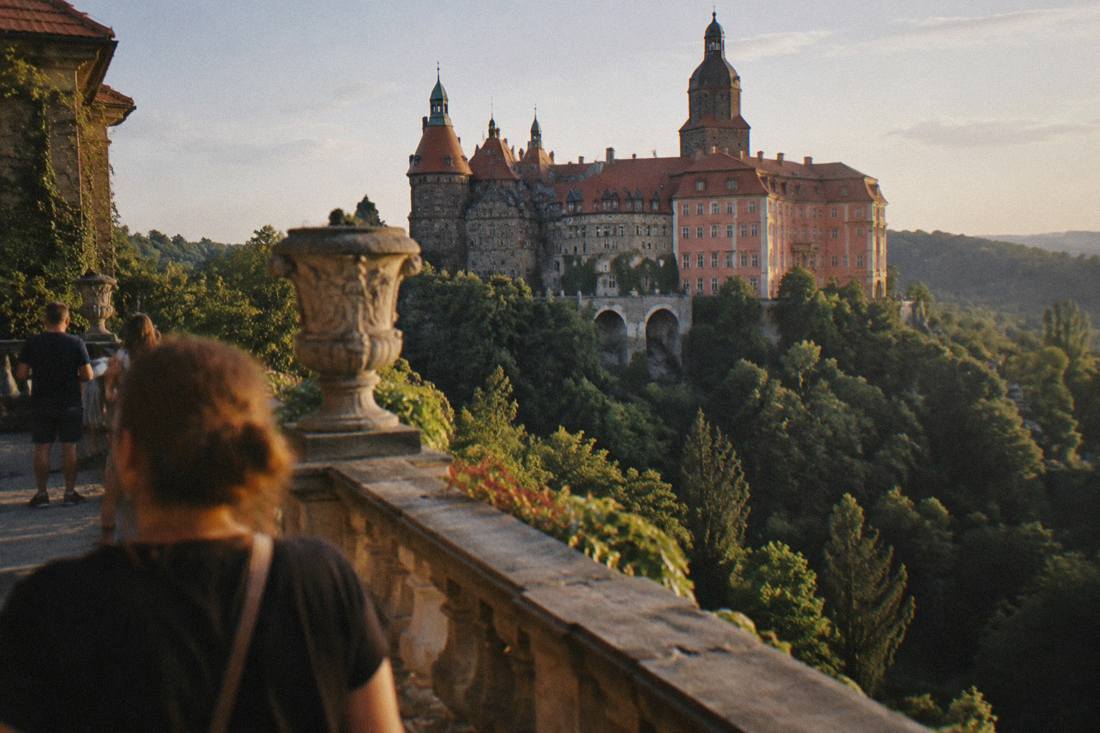
That castle density is not an exaggeration travelers repeat. Ksiaz Castle alone, per its own operator's price list, sells an All Day Ticket covering six separate elements: the castle interiors, the terraces, the underground tour, the Palm House, the stud farm and the mausoleum. A region that can fill a castle day six times over from one building is doing something unusual. For a deeper look at the whole voivodeship, the Wroclaw and Silesia region guide breaks it down district by district.
Then there is the UNESCO layer, which is unusually strong for a region that travelers often treat as a stopover. Wroclaw's Centennial Hall, the reinforced-concrete dome built 1911-1913 to architect Max Berg's design with a capacity of up to 10,000, was inscribed in 2006. The timber-framed Churches of Peace in Jawor and Swidnica followed an older listing, inscribed in 2001. Two inscriptions, one a feat of modern engineering and the other the largest timber-framed religious buildings in Europe, is a pairing few European regions can match.
What Is Lower Silesia Famous For Around Wroclaw?
Lower Silesia is famous for Ksiaz Castle, the Churches of Peace, the Giant Mountains and a string of palace-and-garden complexes that earned one valley the nickname Valley of Palaces. Ksiaz Castle's own tariff gives the headline numbers: the castle with audioguide and terraces at 72 zl adult, 62 zl reduced, and an All Day Ticket at 104 zl adult, 94 zl reduced. The Church of Peace in Swidnica charges 18 zl adult, 15 zl reduced, per its own listing.
The practical detail that many people miss is seasonality. Ksiaz Castle's terraces, the raised walkways with the valley view that sell most of the postcards, open only from 15 April to 30 September, so a winter arrival buys the interiors but not the view. The castle itself is owned by the Walbrzych municipality and run by a municipal company, which surprises people who assume a building this grand must be private or national property. If ownership questions interest you, the who owns Ksiaz Castle now answer covers it fully.
| Ksiaz Castle Ticket | Adult (zl) | Reduced (zl) |
|---|---|---|
| Castle + audioguide + terraces | 72.00 | 62.00 |
| Castle + terraces + underground tour | 92.00 | 82.00 |
| Castle + terraces + stud farm | 79.00 | 69.00 |
| All Day Ticket (6 elements) | 104.00 | 94.00 |
| Underground tour alone | 45.00 | 39.00 |
| Palm House alone | 27.00 | 21.00 |
| Mausoleum alone (1 Apr-15 Oct) | 13.00 | 8.00 |
Beyond the big castle, Lower Silesia's second act is the Church of Peace story. Two of these enormous timber churches survive, in Jawor and Swidnica, and the Swidnica church's own admission page lists a family ticket at 45 zl for two adults plus children under 18. They were built of wood, clay and straw under a treaty condition that barred more permanent materials, which is why they exist at all, and the interior painting inside Swidnica's is the reason UNESCO came calling in 2001. Whether a visit justifies the trip from Wroclaw is a fair question, answered plainly in is Ksiaz Castle worth visiting.
The third pillar is landscape. The Giant Mountains, Karkonosze in Polish, form the border ridge with Czechia, and the region between them and Wroclaw is dotted with the palaces that gave the Valley of Palaces its name. Wroclaw itself supplies the cultural layer: a 2016 European Capital of Culture year, the New Horizons film festival, and the Nadodrze district's street-art scene, which is the honest answer to any "artsy city of Poland" question, since that title more properly belongs to Lodz.
Which UNESCO Sites Does Silesia Hold?
Silesia holds two UNESCO World Heritage properties that a Wroclaw-based traveler can reach in a day: the Churches of Peace in Jawor and Swidnica, inscribed in 2001, and the Centennial Hall in Wroclaw itself, inscribed in 2006. The Centennial Hall was designed by Max Berg, built 1911-1913, and seats up to 10,000 people under a reinforced-concrete dome; the Swidnica Church of Peace charges 18 zl for an adult ticket.
The pairing is the interesting part. Centennial Hall is a pioneer of modern engineering, a century-old concrete dome that predates most of the concrete architecture people actually travel to see. The Churches of Peace are the opposite claim: buildings assembled from forbidden materials, wood and clay and straw, because the treaty that permitted them barred anything more permanent. One site celebrates what industry could build; the other celebrates what it could not. That tension is the Silesian story in miniature.
| Silesia Site | UNESCO Year | Headline Figure | Adult Ticket |
|---|---|---|---|
| Centennial Hall, Wroclaw | 2006 | Max Berg, 1911-1913, capacity up to 10,000 | on the venue's own listing |
| Church of Peace, Swidnica | 2001 | adult 18 zl, family 45 zl | 18 zl |
| Ksiaz Castle (not UNESCO) | none | owned by Gmina Walbrzych | 72 zl with terraces |
A fair warning on expectations: Ksiaz Castle is not on the UNESCO list, despite being the region's most-visited monument. Its fame is scale and story, not inscription. Travelers pairing it with a Peace Church in one day get the best of both Silesian traditions, the aristocratic and the vernacular, and several tours from Wroclaw do exactly that loop.
What Day Trips From Wroclaw Show Silesia At Its Best?
The day trips that show Silesia best from Wroclaw are the Ksiaz Castle and Church of Peace circuit, the two Peace Churches of Swidnica and Jawor, and the Giant Mountains and Valley of Palaces loop to the south. All three are genuine Silesia, not Wroclaw city sights, and each takes in a different register of the region: the castle, the timber church and the mountain landscape.
The Peace Churches pairing is the most efficient half-day. A four-to-five-hour trip from Wroclaw covers both Jawor and Swidnica, which together hold the entire surviving UNESCO ensemble, and the half-day itinerary is one of the lower-priced structured options on this site's roster. The Ksiaz circuit takes longer, six to eight hours depending on the version, because the castle complex plus the drive simply is that size. The Giant Mountains and palaces loop is the full-day choice, trading churches for ridge lines and palace gardens.
A practical note on access for independent travelers: Ksiaz Castle is commonly reached by a regional train to Walbrzych plus a bus or taxi connection, and no specific rail journey time is published as a stable figure on an official source, so plan the connection on the day rather than from a remembered number. For the question of how Silesia's German and Polish layers interlock, the is Wroclaw more Polish or German answer is the right companion read.
Back in the city, the lightest way into Silesia's character is Wroclaw's own dwarf tradition, which grew from a protest-era badge into several hundred bronze figures scattered across the streets. The gnome hunt with a local guide, this site's featured walk for the region, turns the Old Town into a scavenger route and makes a decent first afternoon for anyone basing themselves in Wroclaw before heading out to the castles. Check availability if that sounds like the right pace for day one.
Common Questions About Silesia And Wroclaw
Silesia's fame comes down to coal in the east, castles and UNESCO churches in the west around Wroclaw, and a borderland history that layered Polish, German, Bohemian and Habsburg influence over the same ground. Wroclaw, with 672,601 residents at the end of 2025, is the region's western capital, and the questions below are the ones travelers actually ask before booking anything.
What is Silesia famous for?
Silesia is famous for coal and heavy industry in its eastern, Upper Silesian half, and for castles, UNESCO-listed churches and mountains in its western, Lower Silesian half around Wroclaw. Its two UNESCO properties are the Churches of Peace in Jawor and Swidnica, inscribed 2001, and Wroclaw's Centennial Hall, inscribed 2006.
Is Wroclaw in Silesia?
Yes. Wroclaw is the largest city of Lower Silesia, the Dolnoslaskie voivodeship, in southwestern Poland, on the Odra river. It functions as the region's capital for travel purposes, which is why the region's best-known day trips, to Ksiaz Castle, Swidnica and the Giant Mountains, all start from here.
What is the most famous castle in Silesia?
Ksiaz Castle near Walbrzych is the region's most famous and most-visited castle, owned by the Walbrzych municipality. Its own tariff lists the castle with audioguide and terraces at 72 zl adult and 62 zl reduced, with the terraces open only from 15 April to 30 September.
Why are the Churches of Peace special?
The Churches of Peace in Jawor and Swidnica, UNESCO-inscribed in 2001, are enormous timber-framed religious buildings erected under a treaty condition that restricted construction to wood, clay and straw. The Swidnica church charges 18 zl for an adult ticket and 45 zl for a family ticket, per its own admission page.
Is Silesia in Poland, Germany or Czechia?
Historical Silesia spans all three countries today, with the bulk of it in Poland across the Dolnoslaskie and Slaskie voivodeships. Wroclaw and Lower Silesia are firmly in Poland, a European Union and Schengen member state, and the region's borders with Czechia and Germany are internal Schengen crossings.
Silesia rewards exactly this kind of two-base trip: a few days in Wroclaw for the market square, the dwarfs and the museums, then one or two loop days out to the castles and churches that carry the region's name beyond Poland.