Wroclaw And The Silesia Region
Wroclaw, the largest city in Lower Silesia in southwestern Poland, is the natural base for a region of castles, UNESCO churches and mountain-edge towns. This guide covers what the city itself offers and how to build trips out into the Silesian countryside around it.
Short answer
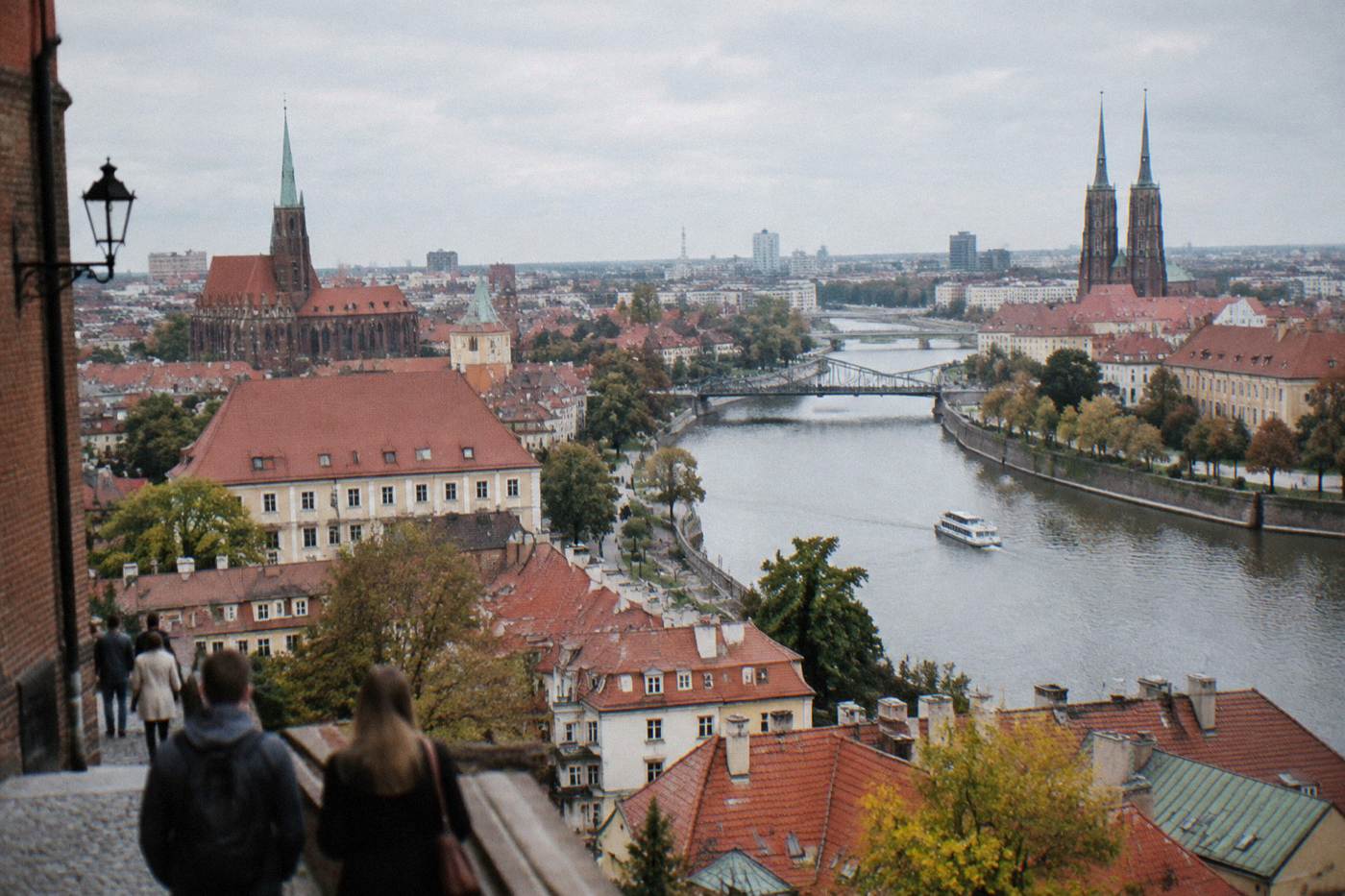
Wroclaw is a city of 672,601 people on the Odra river, and it works as a base for Lower Silesia's biggest sights: Ksiaz Castle, the UNESCO Churches of Peace in Jawor and Swidnica, and the Giant Mountains to the south. Most key day trips run 4 to 10 hours, and the city's own highlights, from the Market Square to UNESCO-listed Centennial Hall, fill two to three days on their own.
Wroclaw sits on the Odra river in southwestern Poland as the largest city in Lower Silesia, the Dolnoslaskie voivodeship, and it is the natural base for exploring the wider Silesia region around it. The city counted 672,601 residents at the end of 2025, according to Statistics Poland, and it pairs a compact, walkable Old Town with a cluster of river islands, a UNESCO-listed hall and one of the country's largest zoos. Beyond the city limits, Lower Silesia spreads south toward the Giant Mountains and west toward the historic towns that once anchored the region's coal, castle and church country. This guide lays out how the city and the region fit together: what belongs in Wroclaw itself, which day trips justify leaving it, and what each piece costs, using figures drawn from official sources throughout.
What Is The Silesia Region Around Wroclaw?
The Silesia that matters to a Wroclaw visitor is Lower Silesia, the Dolnoslaskie voivodeship in southwestern Poland, with Wroclaw as its capital and largest city. Historic Upper Silesia, with Katowice and Gliwice, lies to the east and is a separate voivodeship. Lower Silesia's headline sights for travelers are Ksiaz Castle above Walbrzych, the UNESCO Churches of Peace in Jawor and Swidnica, the Giant Mountains on the Czech border, and a string of smaller castle and palace towns.
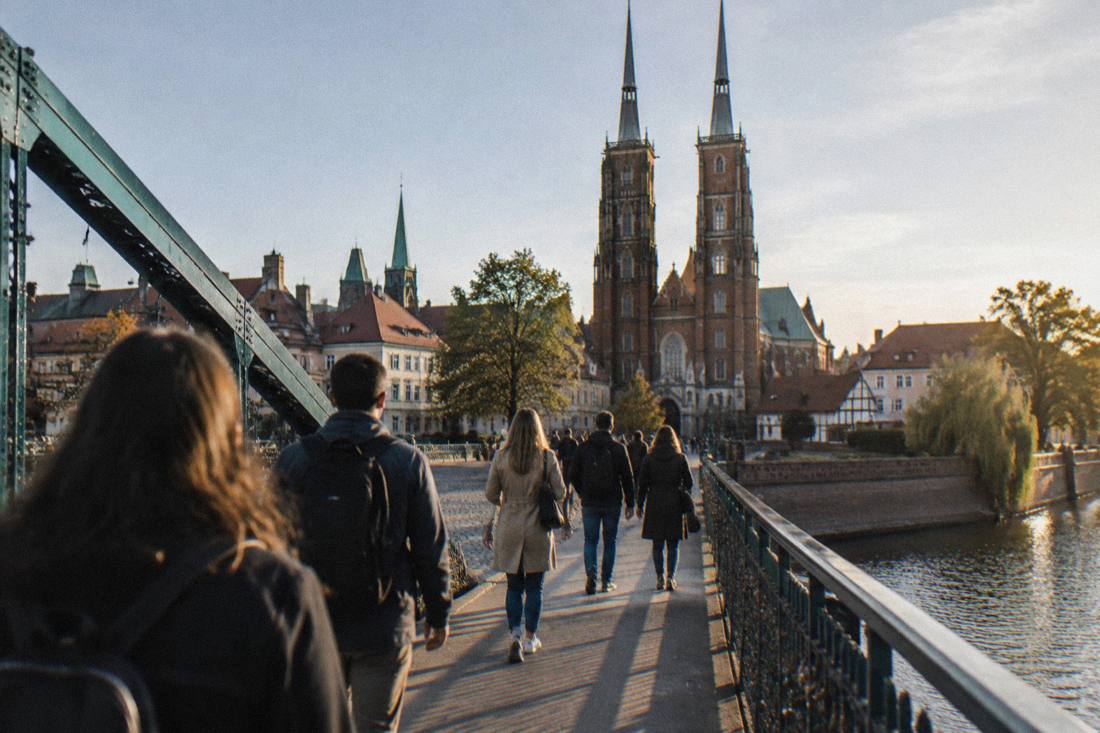
The naming trips people up more than the geography does. "Silesia" historically covered a vast territory, and today it is split among several Polish voivodeships plus slices of the Czech Republic and Germany. Wroclaw itself carries a layered past, and it shows everywhere from the Gothic brick of Ostrow Tumski to the rebuilt burgher houses on the Rynek. The Wroclaw Travel Guide homepage walks through the city itself in detail, and the sibling piece on the region's claims to fame, what Silesia is famous for, covers the historical layer.
For trip planning, treat Lower Silesia as three rings. The first ring is Wroclaw's own city core, which rewards two or three days. The second ring is the day-trip belt: Ksiaz Castle, Swidnica, Jawor, Trzebnica and the palace valleys south of the city. The third ring is the mountain country of the Karkonosze and the Table Mountains, reached either on a long organized day tour or with an overnight in Karpacz or Szklarska Poreba.
What Are The Best Day Trips From Wroclaw In Lower Silesia?
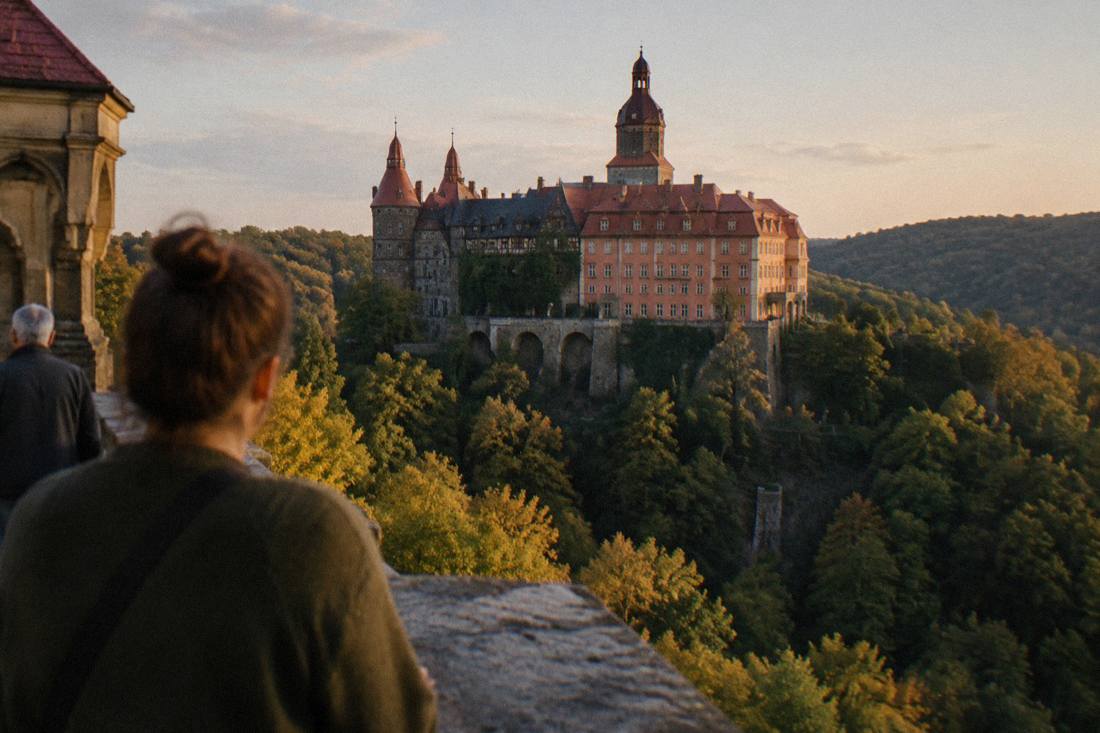
The strongest day trips from Wroclaw are Ksiaz Castle, the UNESCO Church of Peace in Swidnica, the paired Peace Churches of Swidnica and Jawor, the Giant Mountains resort towns of Karpacz and Szklarska Poreba, and the somber full-day excursion to Auschwitz-Birkenau. Krakow and even Prague are reachable as very long organized day tours, at 14 hours and more, but they work better as overnights or en-route stops.
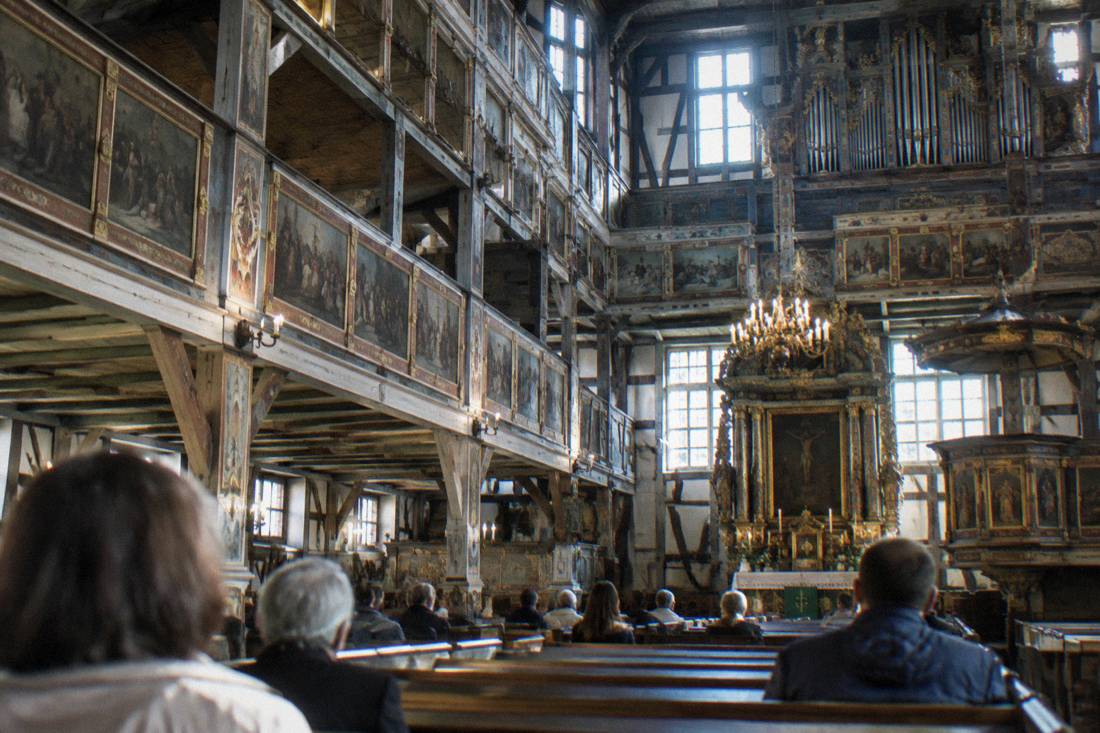
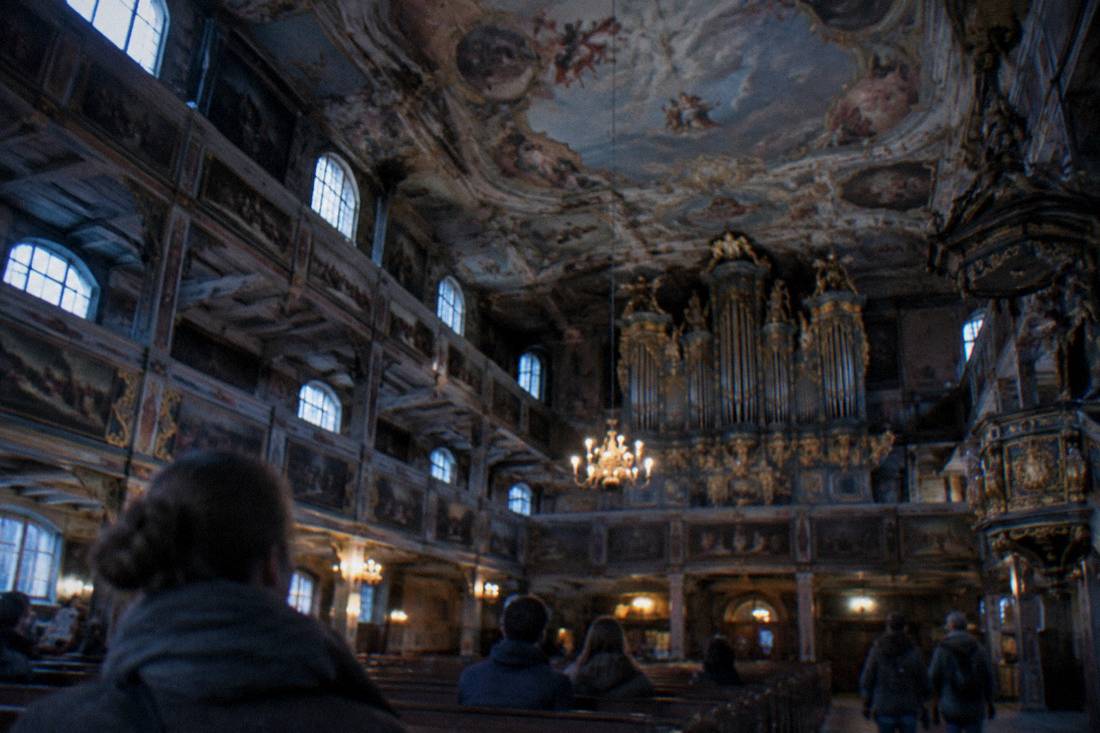
The table below shows how the main options stack up on paper. Ksiaz is the region's flagship: a vast hilltop castle above Walbrzych, owned by the Walbrzych municipality and reached most easily by regional train to Walbrzych followed by a bus or taxi connection. The Churches of Peace in Jawor and Swidnica, inscribed by UNESCO together in 2001, are Europe's great timber-framed religious buildings and sit in towns that reward an hour of wandering on their own.
| Day trip from Wroclaw | What it is | Entry cost (adult) | UNESCO status |
|---|---|---|---|
| Ksiaz Castle | Hilltop castle near Walbrzych | 72 zl with audioguide and terraces | Not inscribed |
| Church of Peace, Swidnica | Timber-framed Baroque church | 18 zl | Inscribed 2001 |
| Church of Peace, Jawor | Sister church, same UNESCO listing | Part of Swidnica/Jawor listing | Inscribed 2001 |
| Project Riese, Osowka | WWII underground complex near Ksiaz | Underground tour at Ksiaz 45 zl | Not inscribed |
| Giant Mountains (Karpacz) | Mountain resort with palace valley | Grounds free, palaces vary | Not inscribed |
| Centennial Hall (in city) | Max Berg's 1911-1913 domed hall | Grounds free, events vary | Inscribed 2006 |
Organized tours compress all of this efficiently. The Ksiaz Castle and Church of Peace combinations run as full escorted days with transport and guiding included, which matters because the castle and the churches sit on different rail lines with no simple connection between them. The trio below pulls together the most useful options for a Silesia-focused visit, pairing a private city walk with the Ksiaz day and the Auschwitz-Birkenau excursion for travelers building a full regional itinerary.
One planning note worth flagging: several of the organized combinations, including the private Project Riese and Ksiaz tours and the Swidnica-Jawor pairings, sell out faster in summer and around Polish public holidays. If the dates matter, book ahead; if you prefer independence, the DIY version of the Ksiaz trip via Walbrzych is entirely doable and the section below covers it.
How Do You Get From Wroclaw To Ksiaz Castle?
Ksiaz Castle is most commonly reached from Wroclaw by regional train to Walbrzych, followed by a bus or taxi connection up to the castle, a pattern the castle's own visitor information treats as standard. There is no confirmed direct rail link to the castle itself, so the last few kilometers always involve a road leg, and organized tours from Wroclaw sidestep the transfer entirely with hotel pickup and a driver.
The train-plus-taxi pattern suits confident travelers. Walbrzych is a rail hub with frequent regional service, and taxis at the station know the castle run. The alternative is a day tour that bundles the castle with the Church of Peace in Swidnica, which is the pairing most first-time visitors actually want, since the two headline sights sit roughly an hour apart by road and public transport between them is slow. The eight-hour escorted version below is the region's most-reviewed option on this site's roster and includes both stops.
A private Old Town walking tour in Wroclaw itself pairs well as the day-before anchor of this kind of itinerary: the private highlights walk covers the Rynek, Ostrow Tumski and the university quarter, which leaves the afternoon free for museums or a river stroll. You can Check availability on the operator's live listing, and the free GuruWalk options described later in this guide cover the same ground for tip-based visitors.
What Do Ksiaz Castle And The Church Of Peace Cost?
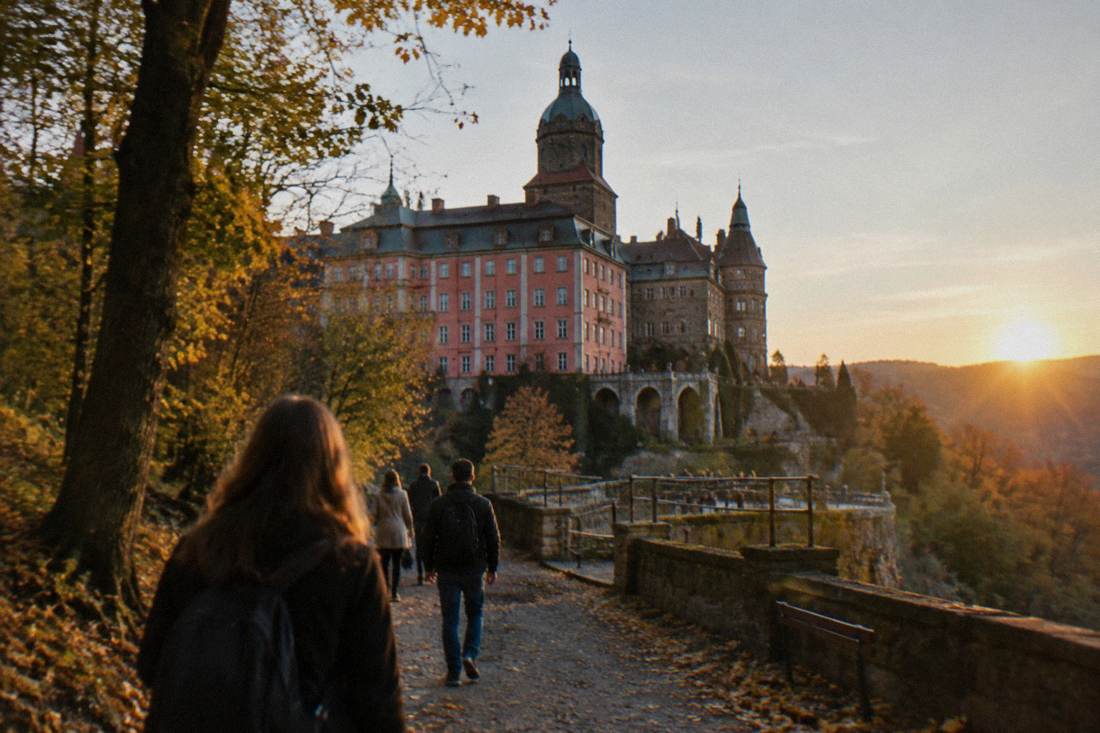
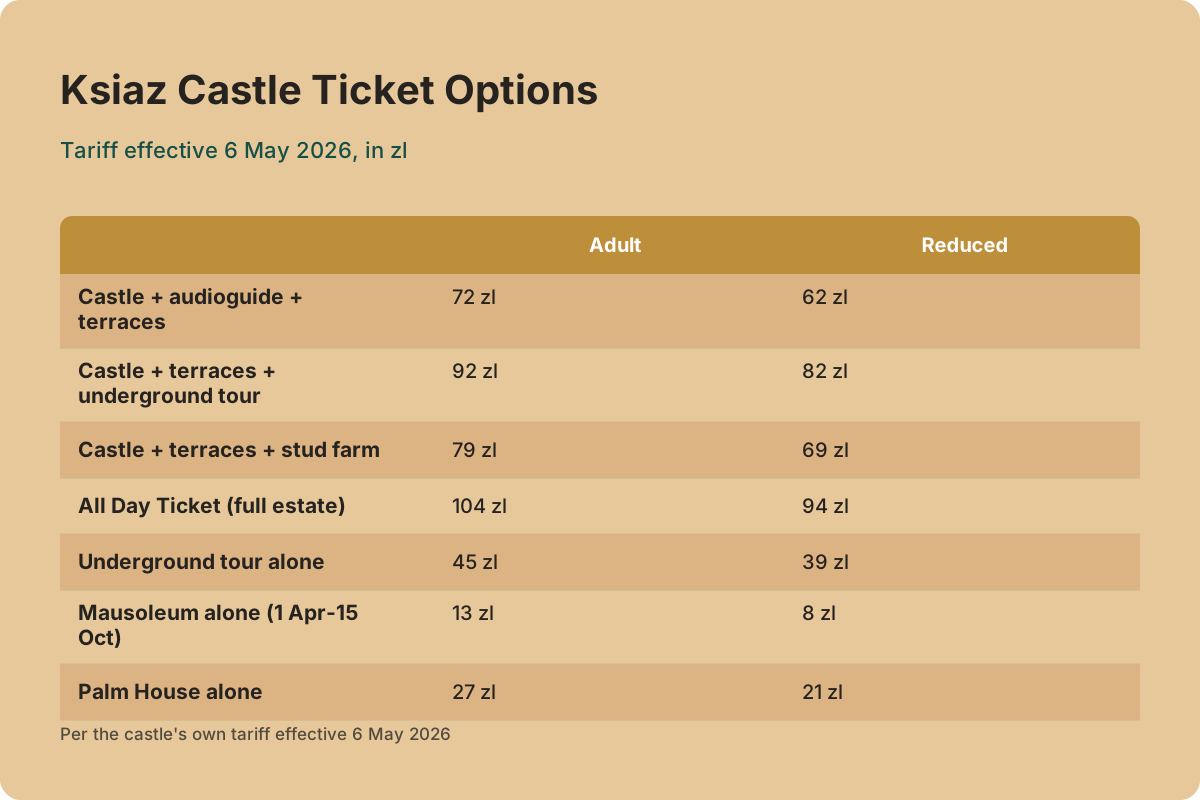
Ksiaz Castle's core ticket, covering the castle interiors with audioguide and terraces, is 72 zl for adults and 62 zl reduced, per the castle's own tariff effective 6 May 2026. The Church of Peace in Swidnica charges 18 zl for adults, 15 zl reduced and 45 zl for a family. The castle's terraces open only from 15 April to 30 September, so off-season visitors get interiors only.
The Ksiaz tariff is built from combinable modules, and the differences between them matter more than the headline numbers. The underground tour adds 20 zl on top of the castle ticket as part of a 92 zl combination, the stud farm version is 79 zl, and the All Day Ticket covering everything on the estate, including the Palm House and the mausoleum, is 104 zl. The mausoleum itself only opens 1 April to 15 October, matching the seasonal rhythm of the terraces.
| Ksiaz Castle ticket (tariff from 6 May 2026) | Adult | Reduced |
|---|---|---|
| Castle + audioguide + terraces | 72 zl | 62 zl |
| Castle + terraces + underground tour | 92 zl | 82 zl |
| Castle + terraces + stud farm | 79 zl | 69 zl |
| All Day Ticket (full estate) | 104 zl | 94 zl |
| Underground tour alone | 45 zl | 39 zl |
| Mausoleum alone (1 Apr-15 Oct) | 13 zl | 8 zl |
| Palm House alone | 27 zl | 21 zl |
Hours follow the season too. From April to September the castle interiors and Palm House open Monday to Friday 9:00-18:00 and weekends 9:00-19:00. The Church of Peace in Swidnica keeps its own schedule, published on its site, and visiting hours for groups and individuals are separated, so independent travelers should check the current individual-visitor windows before committing to a train time. Our full Ksiaz Castle guide and Church of Peace in Swidnica pages carry the on-the-ground detail for both.
What Does Wroclaw Itself Offer Before You Leave For The Region?
Wroclaw's own headline sights are the Market Square and Old Town, the cathedral island of Ostrow Tumski, the UNESCO-listed Centennial Hall of 1911-1913 by architect Max Berg, the Panorama Raclawicka painting, and the zoo with its included Afrykarium oceanarium. Centennial Hall, capacity up to 10,000, has been UNESCO-inscribed since 2006, and the zoo's adult ticket runs from 69 zl online against 99 zl at the gate.
That zoo price gap is the single most useful money fact on this page. The zoo's own price table publishes online tickets from 69 zl adult and gate tickets at 99 zl, reduced from 59 zl online and 89 zl at the gate, and the Afrykarium is included in the standard ticket rather than sold as an add-on. The zoo opens every day of the year, including public holidays, with grounds running 9:00-18:00 or later in the April-September season.
| Wroclaw sight | Adult price | Notes from the official source |
|---|---|---|
| Panorama Raclawicka | 50 zl | 30-minute screening; ticket also covers National Museum, Ethnographic Museum and Four Domes Pavilion within 3 months |
| National Museum (permanent) | 20 zl | Free entry to permanent exhibitions every Saturday |
| Wroclaw Zoo | From 69 zl online, 99 zl at gate | Afrykarium included; open daily year-round |
| Centennial Hall grounds | Free | UNESCO-inscribed 2006; event admission varies |
| Old Town and Ostrow Tumski | Free | Cathedral and museums priced separately |
The Panorama's cross-ticket deserves emphasis: one 50-zl admission to the giant circular Raclawice panorama painting doubles as a three-month pass to the National Museum's permanent exhibitions, the Ethnographic Museum and the Four Domes Pavilion. For a city-plus-region trip, that single ticket quietly funds most of Wroclaw's museum side.
The dwarf figurines scattered across the city deserve a mention too, since they have become Wroclaw's signature scavenger hunt. An e-car dwarf hunt compresses the search into an hour and works well with kids or limited mobility, and several dedicated dwarf walks cover the same ground on foot. The Wroclaw dwarfs guide maps the main figurines.
Are The Free GuruWalk Tours A Good Way To See Wroclaw?
Yes: Wroclaw has four verified free, tip-based walking tours on GuruWalk, including the highly rated Wroclaw Through Ages Old Town and Cathedral Island walk and the Legends of Wroclaw tour around Ostrow Tumski and the Market Square. They are genuinely free to book with tips expected at the end, they run roughly two to four hours, and they cover the same core geography as the paid private walks.
The four verified live walks are "Tour in Wroclaw Given by a Historian", "Legends of Wroclaw: Free Tour Around Ostrow Tumski & Market Square", "Wroclaw Through Ages: Old Town & Cathedral Island Walking Tour", and "Old Town Wroclaw by Walkative!". The last of those, run by the Walkative! guiding collective, has built its reputation on large-group Old Town walks, while the Through Ages walk stretches to four hours and reaches deepest into the islands. Because these are tip-based community tours rather than this site's products, the honest framing is to name the platform and the guide collective, which is exactly what this paragraph does, and to point interested readers to the operators directly. See This Free Tour On GuruWalk for the Through Ages walk.
The trade-off against a paid private tour is group size and depth of questioning. A private guide will reroute for your interests and skip what you have already seen, which is why the private highlights walk suits travelers on a tight schedule or with specific interests, while the free walks suit anyone happy to share a guide with a crowd. The best walking tours in Wroclaw page compares the options side by side.
When Is The Best Time To Visit Wroclaw And Lower Silesia?
The best months for combining Wroclaw with the Lower Silesia countryside are May through September, when IMGW's 1991-2020 climate normals put Wroclaw's means between 14.3C and 19.7C and the Ksiaz Castle terraces, open only 15 April to 30 September, are accessible. July is the warmest month at 19.7C and January the coldest at 0.0C; winter suits the city's museums and Christmas market but not the castle terraces.
The terrace seasonality is the detail most Silesia itineraries miss. A visitor in October still gets Ksiaz's interiors, underground and Palm House, but the terrace walkway, one of the estate's best views, closes at the end of September, and the mausoleum closes in mid-October. Match the castle to late spring or summer if the full estate matters.
| Month | Mean temperature (C) | Notes for Silesia planning |
|---|---|---|
| January | 0.0 | Coldest; museums and indoor sights |
| March | 4.3 | Terraces open mid-April, not yet |
| April | 9.7 | Terraces open 15 April |
| May | 14.3 | Full estate accessible |
| July | 19.7 | Warmest; peak for everything |
| September | 14.5 | Terraces close 30 September |
| October | 9.6 | Mausoleum closes 15 October |
| December | 1.1 | Christmas market season in the city |
The climate table above is drawn from IMGW's published 1991-2020 normals for the Wroclaw station, which also give the annual mean of 9.7C. Wroclaw's January and July figures are among the mildest of Poland's major synoptic stations, which is a real advantage for shoulder-season city breaks. The best time to visit Wroclaw and Wroclaw weather by month pages unpack the seasonal picture further, and the Christmas market guide covers the December alternative.
How Much Does A Wroclaw And Silesia Trip Cost?
A Silesia trip's fixed costs are modest: Wroclaw's MPK 15-minute transit ticket costs 4.60 zl normal and 2.30 zl reduced, the city's major museums run 20-50 zl, Ksiaz Castle costs 72-104 zl depending on the ticket, and the Church of Peace in Swidnica is 18 zl. There is no all-inclusive Go City-style tourist pass for Wroclaw, so each sight is ticketed individually, and booking zoo tickets online rather than at the gate saves 30 zl per adult.
That last point is worth its own sentence: the 30-zl zoo gap between the online and gate prices is the largest single saving available on any admission in the city. Beyond it, the honest statement about passes is that no city-wide multi-attraction product exists for Wroclaw; the UrbanCard is a transport-focused fare card for residents, not a sightseeing pass, and seasonal tourist tram lines charge regular fares. The Wroclaw trip cost page models full daily budgets.
| Cost item | Normal fare | Reduced fare |
|---|---|---|
| MPK 15-minute ticket | 4.60 zl | 2.30 zl |
| MPK 30-minute ticket | 7.00 zl | 3.50 zl |
| MPK 24-hour city ticket | approx. 15.00 zl | approx. 7.50 zl |
Getting around the region by public transport is cheap inside Wroclaw and more involved outside it. The city's tram and bus network covers everything a visitor needs, and the getting around Wroclaw page explains ticketing in practice. For the Ksiaz and Swidnica legs, fares vary by date and operator, so check the rail operator's own site for the day you travel rather than trusting a fixed figure quoted anywhere online.
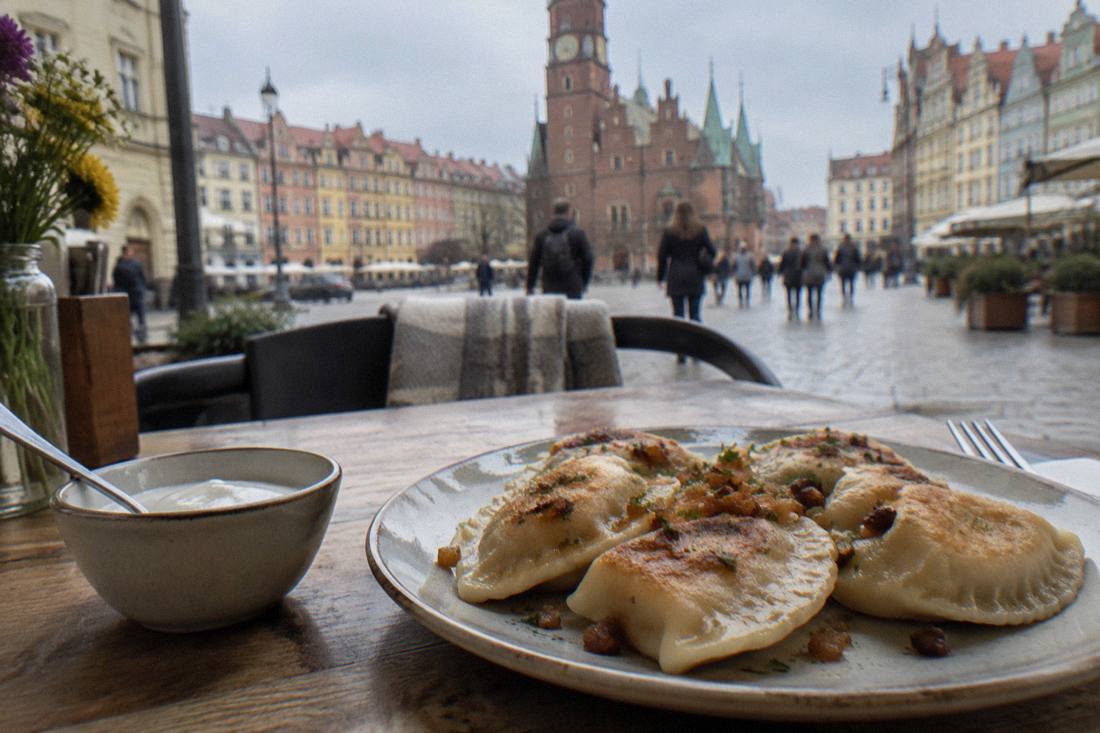
Eating well in Wroclaw costs less than in Western Europe, and the regional table is part of the point: Silesian dumplings, pierogi and the milk-bar institution all trace to the same hearty home-cooking food culture. The best restaurants in Wroclaw, pierogi in Wroclaw and milk bars in Wroclaw pages cover the eating side in depth, and Wroclaw craft beer handles the region's brewing revival.
Is Lower Silesia Worth The Trip From Krakow Or Warsaw?
Yes, if you have five days or more: Wroclaw pairs naturally with Krakow on a two-city Poland route, and the direct rail connection between them makes the transfer simple, though fares and journey times vary by date and must be checked live. In three days or fewer, choose one city and its own region; splitting a short trip between Krakow and Wroclaw shortchanges both and leaves no time for Ksiaz or the mountains.
The honest comparison, using Statistics Poland's end-2025 figures, is that Krakow is the larger city, 816,614 residents to Wroclaw's 672,601, and its main market square is bigger too, roughly 4 hectares against Wroclaw's approximately 3.64-3.79. What Wroclaw offers in exchange is fewer crowds, a river-island geography Krakow cannot match, and a region of castles and UNESCO churches that sits closer to hand than anything around Krakow except the Wieliczka mine. The Wroclaw vs Krakow comparison covers the trade-offs, and the Wroclaw to Krakow train page handles the rail leg, with the caveat that no stable public fare figure exists for the route and any number should come from a live search.
For travelers flying in, Wroclaw Airport handled 4,473,945 passengers in 2024 and reopened fully after its late-2025 renovation closure, so the city works as a genuine entry point rather than a rail-afterthought. The Wroclaw airport guide covers arrivals, transfers and onward connections.
How Do You Build A Silesia Itinerary From Wroclaw?
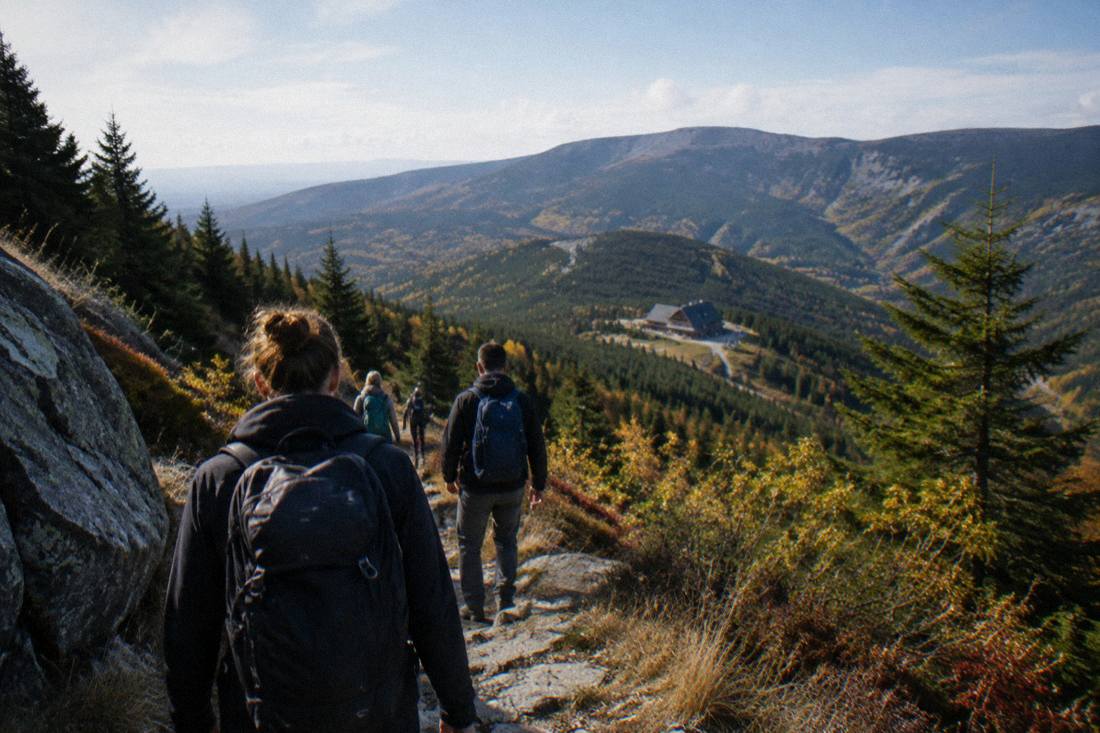
A workable first Silesia itinerary is three nights in Wroclaw with one full city day, one Ksiaz and Swidnica day trip, and one flexible day for either the Giant Mountains or the Peace Churches pair, plus the Auschwitz-Birkenau excursion if the memorial belongs in your trip. Adding a fourth night in Karpacz or Szklarska Poreba converts the mountain day into a proper hiking window.
The city day should follow the geography: Market Square and the dwarfs in the morning, Ostrow Tumski and the cathedral before lunch, then the Panorama Raclawicka and either the National Museum or the zoo across the afternoon. The Ksiaz day is best handled by tour or by an early train to Walbrzych, and the mountain day rewards an organized excursion because the palace valley and Karpacz stops are scattered along roads rather than rails. The one day in Wroclaw and two days in Wroclaw pages give hour-by-hour versions, and Wroclaw with kids adapts the same core for families.
Safety and logistics should not worry anyone: Wroclaw is a relaxed, well-lit city, and the Wroclaw safety guide and accessibility guide cover the specifics, from night walking to cobblestone terrain in the Old Town.
Common Questions About Wroclaw And The Silesia Region
Is Wroclaw in Silesia or Lower Silesia?
Wroclaw is in Lower Silesia, the Dolnoslaskie voivodeship, where it is the capital and largest city with 672,601 residents as of 31 December 2025. Historic Upper Silesia, including Katowice, lies to the east and is a separate voivodeship.
What Is The Most Famous Sight In Lower Silesia?
Ksiaz Castle near Walbrzych is the region's flagship sight, followed by the UNESCO Churches of Peace in Jawor and Swidnica, inscribed together in 2001. Within Wroclaw itself, the UNESCO-listed Centennial Hall, inscribed in 2006, is the city's most famous single structure.
How Far Is Ksiaz Castle From Wroclaw?
Ksiaz Castle is a day trip from Wroclaw, most commonly reached by regional train to Walbrzych followed by a bus or taxi connection. Organized tours from Wroclaw run 6 to 8 hours for the standard Ksiaz and Swidnica combination, with transport included.
Can You Visit The Giant Mountains From Wroclaw?
Yes. Organized day tours from Wroclaw cover the Giant Mountains, Karpacz and the Valley of Palaces in 8 to 9 hours. For real hiking time, an overnight in Karpacz or Szklarska Poreba works better than a day trip.
Is There A Tourist Pass For Wroclaw And Lower Silesia?
No. There is no all-inclusive city tourist pass for Wroclaw; the UrbanCard is a transport fare card, not a sightseeing pass. Each attraction sells its own ticket, and the zoo's online ticket at from 69 zl adult is 30 zl cheaper than the 99 zl gate price.
How Many Days Do You Need For Wroclaw And The Silesia Region?
Three days covers Wroclaw's core plus one major day trip, and five days allows the city, Ksiaz with Swidnica, the Giant Mountains and a second regional stop. Travelers adding Auschwitz-Birkenau, a 10-hour excursion, should plan a sixth day or accept a fuller schedule.
Wroclaw and its surrounding Silesia region reward exactly this kind of layered planning: a walkable city base, a belt of castles and UNESCO churches within a day's reach, and mountains beyond. Pick the season around the Ksiaz terraces if the full estate matters, book the zoo online, and let the city's own islands and dwarfs fill the gaps between the big regional days.