Best Restaurants In Wroclaw
Wroclaw's restaurant scene packs itself into a compact Old Town, spreads along the Odra river islands, and pushes into the creative quarter of Nadodrze, so the real planning question is not what to eat but where to base your table on any given evening.
Short answer
The best food hunting grounds in Wroclaw are the Market Square and its side streets for sit-down Polish cooking, the streets around Swidnicka and the Odra quays for variety, the milk bars of the city center for budget classics, and the Nadodrze district for newer kitchens and cafes in a streetscape known for its street art and murals.
Wroclaw, the largest city in Lower Silesia in southwestern Poland, is a city you eat on foot: a compact Old Town ringed by river islands, a main square rimmed with restaurant terraces, and a set of outlying districts that each carry their own food character. Planning meals here matters more than in many cities of 672,601 people (GUS, 31 Dec 2025), because the good tables cluster tightly and the gaps between clusters are real. This guide walks through the restaurant districts in order of usefulness, pairs them with the sights you will already be near, and flags the honest limits of what any guide can promise about a city whose dining scene changes fast.
The honest starting point is scope. This page deliberately does not print restaurant prices, ratings or opening hours, because no verified, current dataset for individual Wroclaw restaurants exists in this site's research. Every hard figure you will find below belongs to something adjacent and verified: transport fares, sight admission prices, climate normals, day-trip costs. Where a dining claim depends on a specific kitchen, the advice is framed as what to look for on the street rather than what one named place promises on one date.
Which Restaurant Districts Should You Target In Wroclaw?
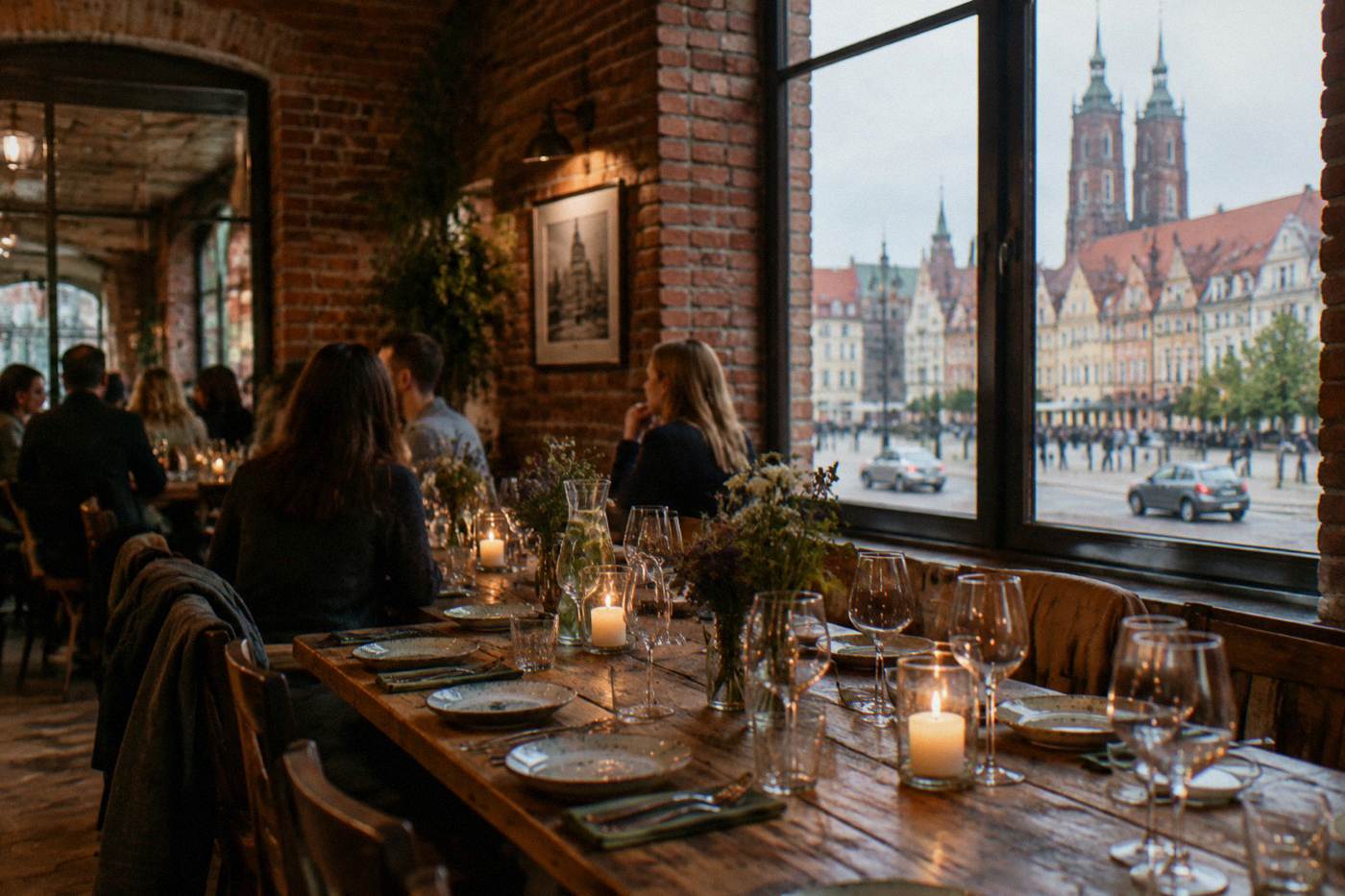
The four eating districts worth planning around are the Market Square and Old Town core for classic Polish cooking and terrace seating, the Odra quays and Sand and Bishopric areas near the cathedral quarter for quieter riverside tables, the city-center milk bars for budget classics, and Nadodrze, the revitalized creative quarter known for community murals and courtyard art, where newer cafes and kitchens have settled. Each has a distinct character and a distinct price feel, and the distances between them are short enough that a bad table choice costs you a short walk, not a taxi ride.
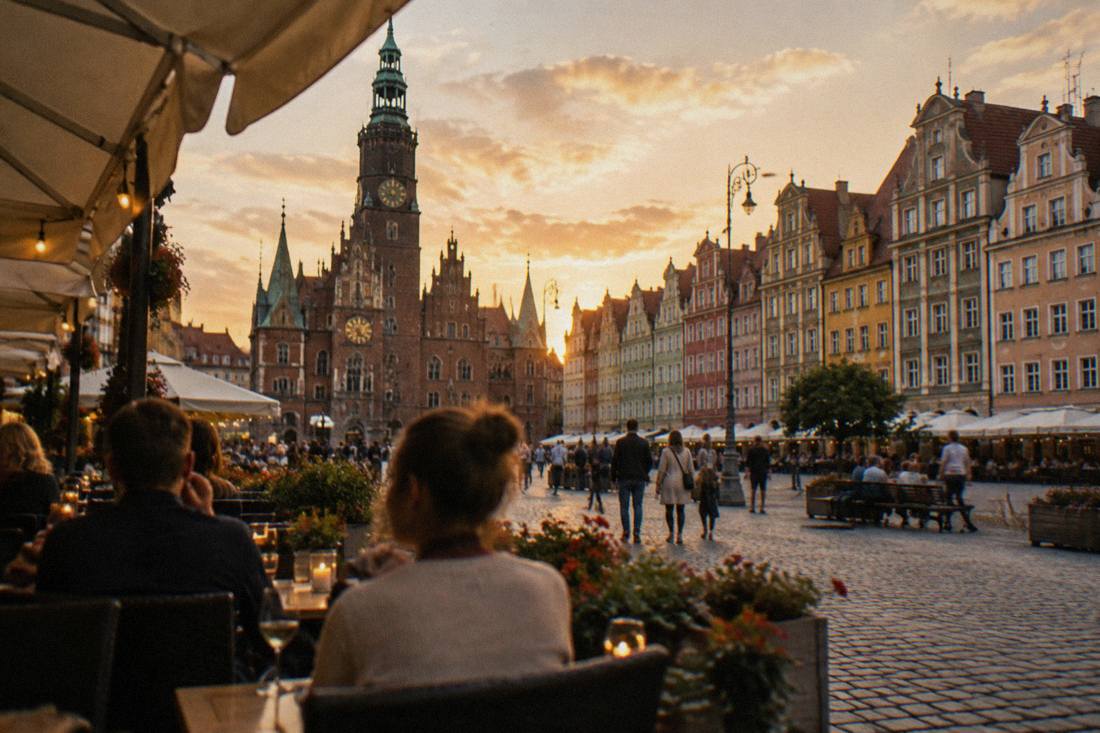
The Market Square is the default. The square itself, roughly 3.64 to 3.79 hectares by standard measurements, is smaller than Krakow's Rynek Glowny, and its restaurant ring is correspondingly walkable end to end in minutes. Tables on the square trade view for kitchen quality; the side streets immediately off it, especially those running toward the old penitentiary quarter and the streets south of Swidnicka, are where the kitchens that locals book tend to sit. Book ahead for weekend evenings in the warm half of the year.
Nadodrze is the interesting counterweight. Recent reporting describes it as a street-art and creative quarter whose courtyard projects and murals, including the Roosevelt Street courtyards, transformed a formerly neglected area, and cafes and small kitchens followed the artists in. TVP World's reporting on the district's revival is candid that this is regeneration in progress, so go expecting an art district with good coffee and young kitchens rather than a polished dining street.
For structure, here is how the districts stack up, with the verified sight figures you can plan around in each:
| District | Food Character | Best For | Verified Anchor Nearby |
|---|---|---|---|
| Market Square / Old Town | Classic Polish mains, terraces, tourist volume | Sit-down dinners, first-night orientation | Rynek, approx. 3.64-3.79 ha |
| Side streets south of the square | Quieter kitchens, local bookings | Second and third dinners | Old Town walkable core |
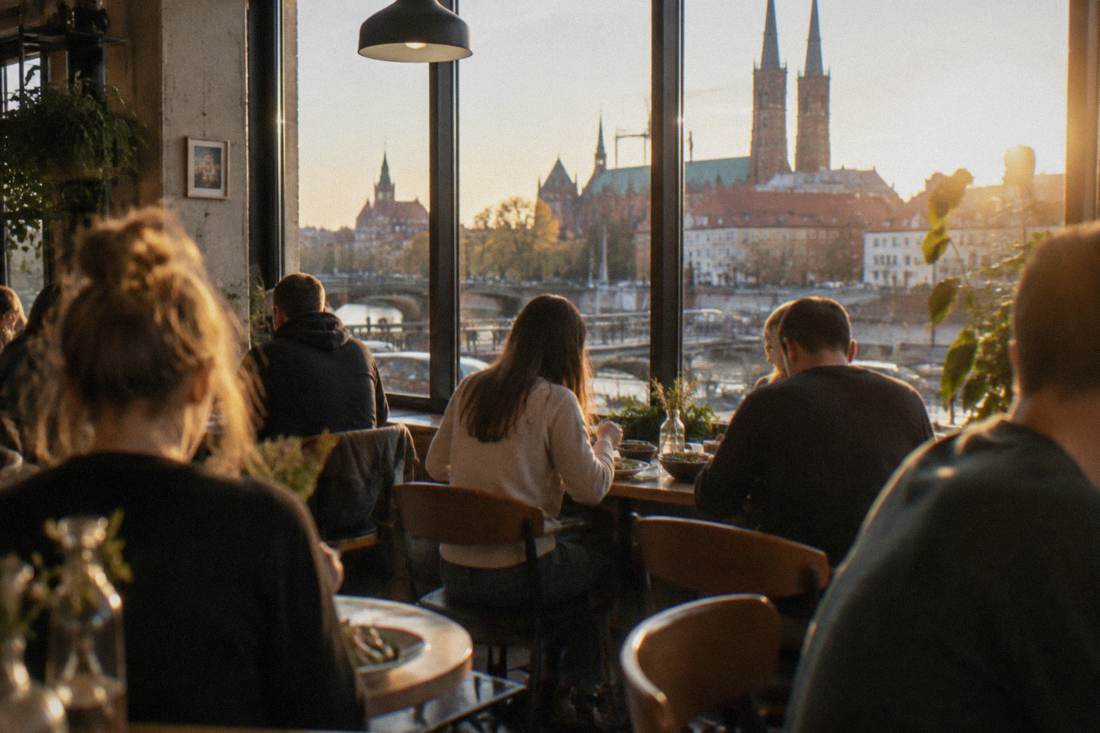
| Ostrow Tumski and quays | Riverside rooms, older buildings, calmer evenings | Cathedral-adjacent lunch, riverside drinks | Odra river islands |
| Nadodrze | Young kitchens, cafes, courtyard spaces | Brunch, lunch, street art between courses | Community murals, Roosevelt Street courtyards |
| City center milk bars | Stand-and-eat budget classics | Fast midday fuel between sights | MPK 15-min ticket 4.60 zl |
What Should You Actually Order In Wroclaw?
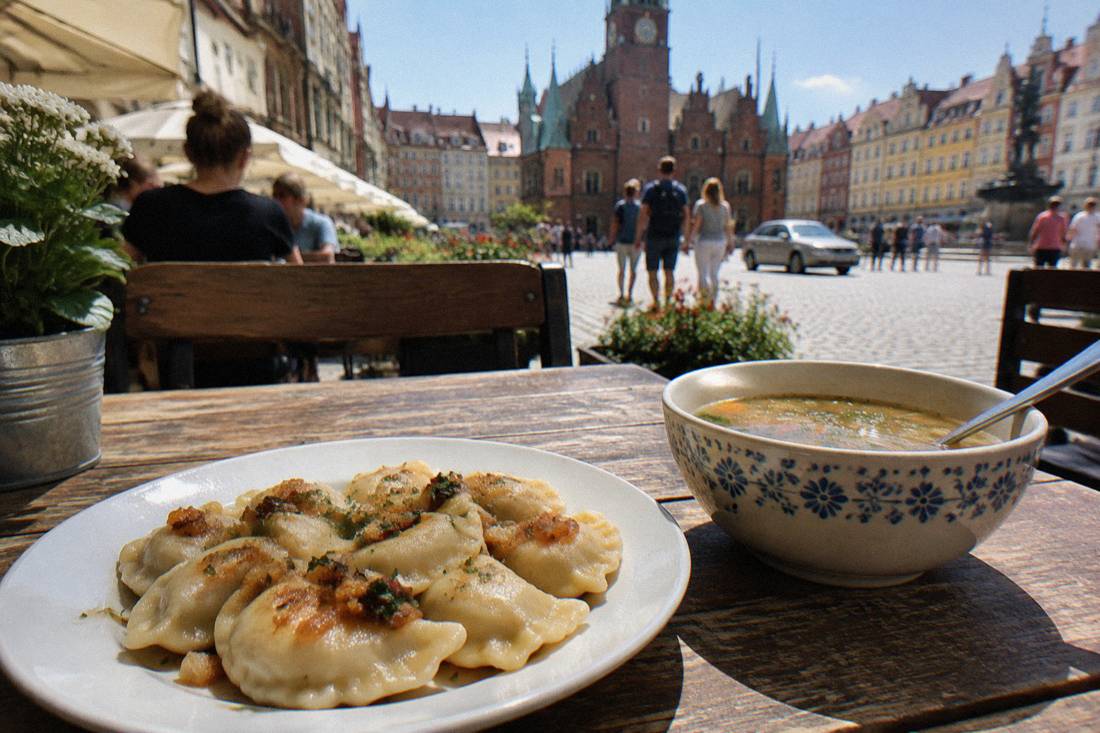
Build your eating around the Lower Silesian and broader Polish canon: pierogi as the safe, always-available anchor, Silesian-style rolled beef and potato dumplings when a kitchen does regional cooking well, soups including sour rye broth as the cheapest way to judge a kitchen, and seasonal river fish and game in autumn, with the city's dedicated vegan and vegetarian kitchens covering every modern trend the traditional menu skips. The order in which you try these matters less than where you try them, and the companion pages carry the depth this one will not.
The pierogi question deserves its own reading, because the dumpling is both the city's most reliable meal and its most variable. There are kitchens that make them by hand daily and kitchens that do not, and the difference is visible before you order: hand-made dumplings have uneven crimping and a menu that lists fewer varieties, not twenty. The site's dedicated pierogi in Wroclaw guide covers where the dumpling culture runs deepest, and the best cafes in Wroclaw page handles the morning half of the day.
Milk bars are the budget institution worth understanding before you arrive. They are state-era cafeteria-style rooms serving a short list of Polish staples at prices individual restaurants cannot approach, and they remain part of daily eating for students and workers rather than being purely a tourist curiosity. The dedicated milk bars in Wroclaw guide explains the etiquette and what to expect at the counter. What this page can verify about reaching them is transport: the MPK 15-minute ticket is 4.60 zl normal, 2.30 zl reduced, per the city's official fare page, so a cross-town milk bar run costs less than the meal.
For street eating, the Wroclaw street food guide maps the informal end of the scene, and the Wroclaw craft beer page pairs the brewing side with the bar food culture. Beer and food pairing is one of the fastest-moving parts of the city's hospitality sector, and Polish lager culture plus the newer craft wave means beer-friendly kitchens cluster around the nightlife streets described in the Wroclaw nightlife guide.
A word on one claim you will meet elsewhere. Wroclaw is sometimes described as Poland's most vegan city, and that superlative does not survive contact with the record. No recent ranking uses that phrasing for any Polish city; older per-capita data favored Poznan and Krakow, and Warsaw is the Polish city that has drawn international attention as a vegan hub. Wroclaw's own plant-based scene is real and compact, and the honest version of the claim lives on the Wroclaw vegan and vegetarian food page.
| Claim You May Read | What The Sources Actually Support |
|---|---|
| Wroclaw is Poland's most vegan city | No current ranking; older data favored Poznan/Krakow; Warsaw is the internationally noted hub |
| Wroclaw is Poland's artsy film city | Lodz is the UNESCO City of Film; Wroclaw's real claims are the New Horizons festival and its 2016 European Capital of Culture year |
| Wroclaw has Poland's biggest market square | Krakow's Rynek Glowny at about 4 ha is larger than Wroclaw's at about 3.64-3.79 ha |
| Wroclaw is bigger than Krakow | Krakow 816,614 vs Wroclaw 672,601 (GUS, 31 Dec 2025) |
How Do You Fit Meals Around A Sightseeing Day In Wroclaw?
Plan two anchor meals and let lunch flex: breakfast near your hotel or a central cafe, a milk-bar or street lunch slotted between morning and afternoon sights, and one booked dinner in the district that matches your evening, because the verified sight hours in Wroclaw, including the Panorama Raclawicka's 30-minute screenings and museums that close Mondays, create predictable midday gaps that a restaurant district can absorb. The scheduling is easier than in most cities because the main clusters sit within a short walk of each other.
The museum hours drive the pattern. The National Museum in Wroclaw is closed Mondays and runs Tue-Fri 10:00-17:00 and Sat-Sun 10:30-18:00 in its summer season, with free entry to permanent exhibitions every Saturday, per the museum's own practical-information page. Panorama Raclawicka screens on a timed basis, winter hours closed Monday, summer daily 8:30-19:00, and one 50 zl adult ticket also covers the National Museum's permanent exhibitions, the Ethnographic Museum and the Four Domes Pavilion within three months. A timed screening plus a covered museum pair naturally around a fixed lunch hour.
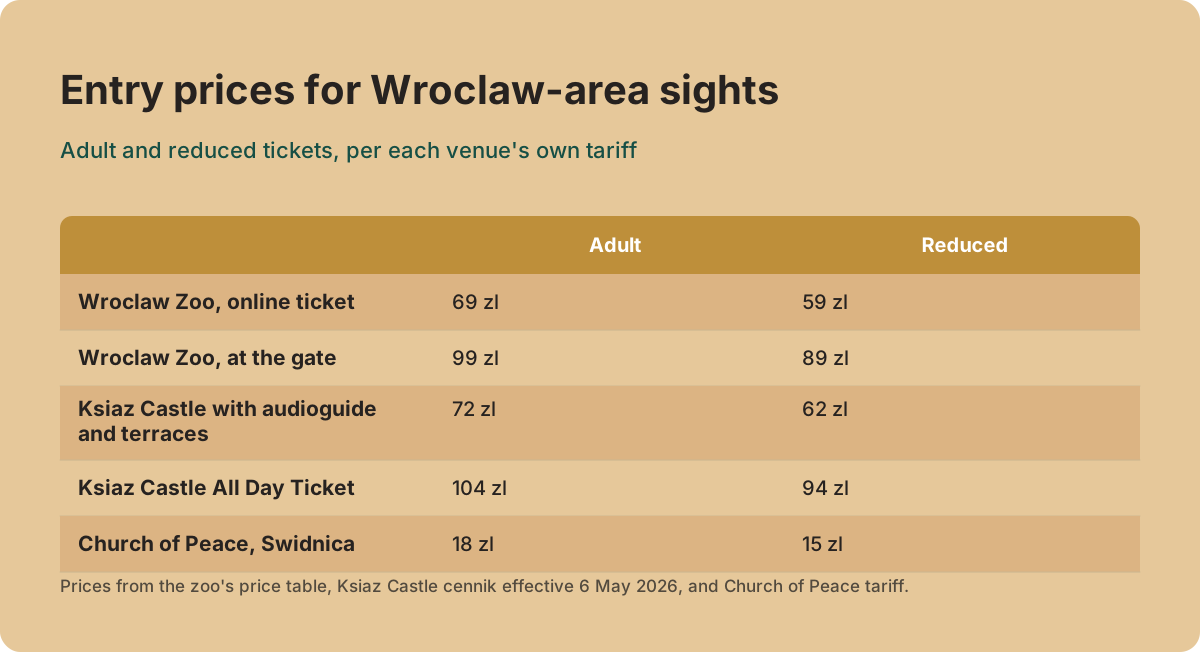
The zoo-and-Afrykarium day works the same way. The zoo's own price table gives adult tickets online from 69 zl and at the gate from 99 zl, reduced 59/89 zl, with the Afrykarium included in the standard ticket, and grounds run to 18:00 or 19:00 depending on the day in the April-September season. That is a full day out east, and the restaurants near Centennial Hall and the surrounding park serve the families who exit at closing time. The UNESCO-inscribed Centennial Hall itself, listed since 2006, architect Max Berg, built 1911-1913, caps that parkland.
Weather decides the terrace question more than any review does. IMGW's 1991-2020 climate normals for the Wroclaw station show a mean of 19.7 C in July, the warmest month, against 0.0 C in January, with May through September all at 14.3 C or warmer. Outdoor tables are the norm from late spring through early autumn; from November onward you are eating indoors by design, and the run of Christmas-market food stalls covered in the Wroclaw Christmas market guide takes over the outdoor eating role.
| Month | Mean Temp (C) | Precip (mm) | Outdoor Eating Reality |
|---|---|---|---|
| Jan | 0.0 | 28.3 | Indoors; mulled-wine stalls |
| Mar | 4.3 | 35.0 | Terraces starting cautiously |
| May | 14.3 | 59.6 | Full terrace season |
| Jul | 19.7 | 91.4 | Peak terrace, peak crowds, summer showers |
| Sep | 14.5 | 48.4 | The locals' favorite month for it |
| Nov | 4.8 | 31.4 | Back indoors, market season beginning |
Where Should You Eat On A Wroclaw Day Trip?
Eat in the towns you visit, not on the road between them, and budget the entry figures first: Ksiaz Castle's own tariff gives castle with audioguide and terraces at 72 zl adult, 62 zl reduced, with the terraces open only 15 April to 30 September, and the Church of Peace in Swidnica charges 18 zl adult, 15 zl reduced, so the classic Lower Silesia pairing leaves room for a proper lunch stop in Walbrzych or Swidnica rather than a rushed snack. The castle-and-church circuit is the region's signature food day.
Ksiaz Castle, owned by the Walbrzych municipality and operated by its municipal company, sits above Walbrzych, and the town between the station and the castle is where practical eating happens. The castle's own cennik, effective 6 May 2026, prices the full All Day Ticket at 104 zl adult, 94 zl reduced, covering castle, terraces, underground, Palm House, stud farm and mausoleum, which is a full day that ends hungry. The Palm House alone is 27 zl, 21 zl reduced.
Swidnica's Church of Peace, UNESCO-inscribed in 2001 as part of the Churches of Peace in Jawor and Swidnica, anchors the other classic route, and the town square around it carries its own eating options. The fuller context for both routes is on the Church of Peace in Swidnica and Ksiaz Castle pages, and the Karpacz and Table Mountains routes covered in the Karpacz and Karkonosze and Gory Stolowe guides each turn mountain-town dining into the point of the trip rather than a side note.
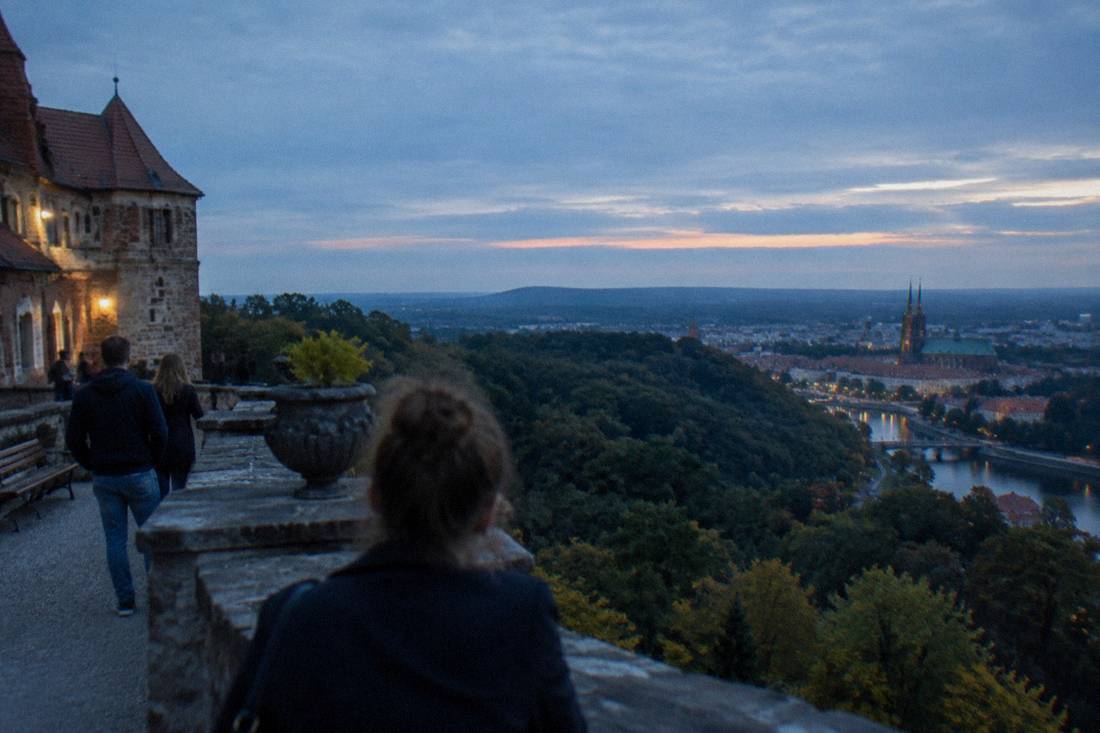
| Day Trip Destination | Verified Entry Figure | Eating Logic |
|---|---|---|
| Ksiaz Castle | Castle + terraces 72/62 zl; All Day 104/94 zl | Lunch in Walbrzych before or after the castle circuit |
| Church of Peace, Swidnica | Adult 18 zl, reduced 15 zl, family 45 zl | Eat on Swidnica's town square |
| Churches of Peace, Jawor and Swidnica combined | Both sites under one 2001 UNESCO listing | One lunch stop fits both |
| Wroclaw Zoo + Afrykarium | Online from 69 zl adult, gate from 99 zl | Eat near Centennial Hall parkland at exit |
If a guided day appeals but the castle routes feel too fixed, the walking alternatives cover the same ground with more room to improvise a lunch stop. A small-group Old Town walk keeps you inside the restaurant core for its whole runtime, which means the moment it ends you are already standing in the middle of the city's densest eating district with a guide's recommendations still fresh.
How Much Does Eating Out In Wroclaw Really Cost?
The honest answer is that this site does not publish restaurant prices, because no verified Wroclaw restaurant price dataset exists in its research, and inventing a range is exactly how bad guides fail; what can be verified is the surrounding budget frame, from the 4.60 zl 15-minute transit ticket to the 50 zl Panorama ticket and the 20 zl National Museum adult entry, which together show how far a zloty goes against the city's other costs. A full trip-budget treatment, including what lodging and transport add, lives on the Wroclaw trip cost page.
What can be said without numbers: the milk-bar tier and the restaurant tier are far apart, and the gap between them is the single biggest lever on a food budget. A day built on a breakfast cafe, a milk-bar lunch and one booked dinner behaves completely differently from a day of three sit-down meals, and the food-specific pages linked above let you price each tier in the room rather than from a number frozen into a page.
Currency matters more than visitors expect. Poland uses the zloty (PLN), not the euro, even though it is in the EU and Schengen, and card acceptance in Wroclaw restaurants is broad but not universal, with some small milk bars and market stalls still cash-first. The Wroclaw currency and tipping guide covers the tipping conventions, which follow Polish norms of rounding up rather than a fixed percentage service charge.
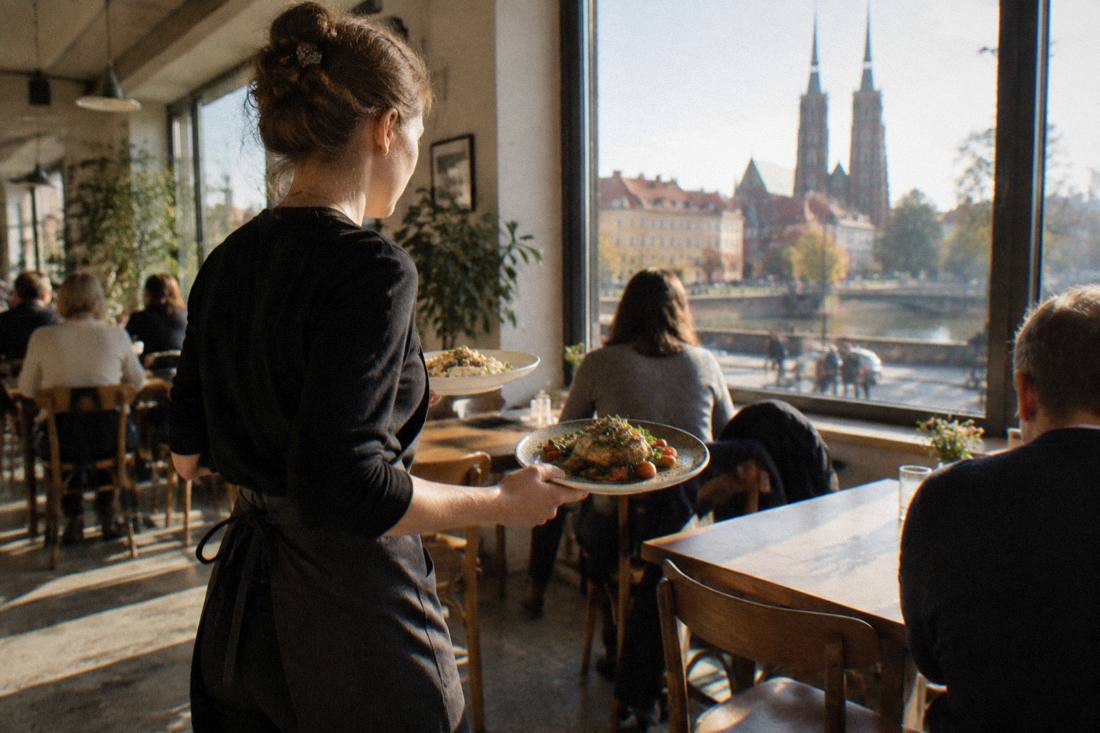
For the fixed, verifiable costs that bracket your eating, this is the working frame:
| Budget Item | Verified Figure | Source Notes |
|---|---|---|
| MPK 15-min ticket | 4.60 zl normal / 2.30 zl reduced | City of Wroclaw official fare page |
| MPK 24-hour band | Around 15.00 zl / 7.50 zl | Same page, tiered by duration |
| National Museum permanent | Adult 20 zl, reduced 15 zl | Museum's own pricing page |
| National Museum Saturdays | Free permanent-exhibition entry | Museum's own page |
| Panorama Raclawicka | Adult 50 zl, reduced 35 zl | Branch's own tickets page |
| Panorama add-on | Covers 3 more museums within 3 months | Same page |
When Is The Best Time Of Year To Eat Out In Wroclaw?
For terrace dining, target late May through September, when IMGW's 1991-2020 normals for the Wroclaw station show every month at 14.3 C mean or warmer and July peaking at 19.7 C; for eating indoors without peak-season crowds, the shoulder months of April at 9.7 C and October at 9.6 C are the practical sweet spots; and for the outdoor-stall version of eating, the Christmas market season is the one winter window that puts food back in the square. The best time to visit Wroclaw page carries the full month-by-month treatment.
July's warmth comes with 91.4 mm of precipitation in the normals table, the wettest month of the year, so summer terrace plans in Wroclaw should always include a roofed fallback street. May, at 59.6 mm, and September, at 48.4 mm, sit comfortably below it. The Wroclaw weather by month guide turns the same normals into a planning chart, and the site's live Odra river-gauge and city-bike feeds on the homepage exist precisely for this kind of real-time decision.
The festival calendar shifts where the eating happens. The New Horizons film festival concentrates late-night eating around its venues, Wratislavia Cantans pulls a classical-music crowd into the center in early autumn, and the European Capital of Culture year of 2016 is the visible origin of much of the city's current cultural-quarter dining growth in Nadodrze. The Wroclaw events calendar and Wroclaw festivals pages map which weeks will make central tables scarce and which will leave the city quiet.
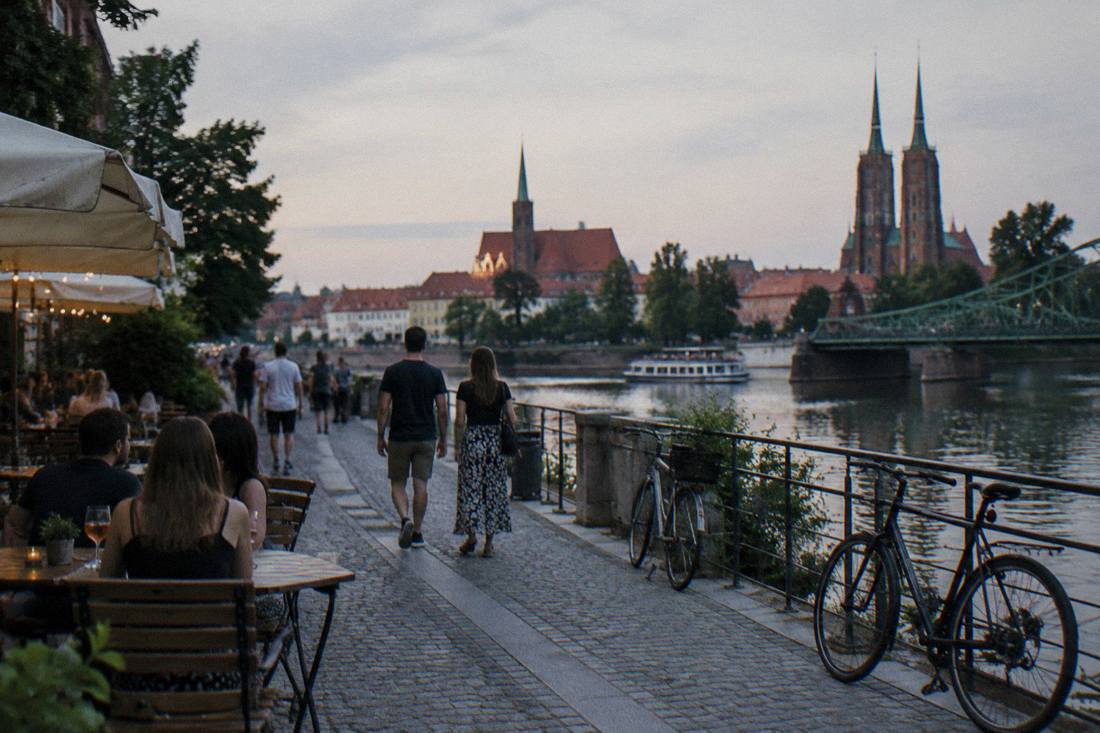
How Do You Choose A Table Without Getting Burned In Wroclaw?
Apply four filters: skip the terraces with photo menus in five languages on the Market Square itself for anything except a drink, look for kitchens that list fewer dishes rather than a page-long catalogue, treat a hand-written daily special as a better signal than any online rating, and in the evening eat one street back from the square, where the kitchens that need repeat customers rather than foot traffic actually sit. None of these are Wroclaw-specific secrets, but in a square-as-famous-as-this setting they matter more than usual.
Understand what a city-center table buys you. The Market Square and the Stare Miasto streets around it are where first-night visitors eat, and the volume lets average kitchens survive. The same is true of the streets immediately around the dwarf-hunting trail: the bronze dwarfs scattered through the city are Wroclaw's signature sight, and the Wroclaw dwarfs guide shows how much of the center a dwarf hunt covers, which is also how much restaurant territory a first evening can cover on foot.
For visitors with specific needs, the site's companion pages do the work this one will not attempt. The Wroclaw with kids itinerary addresses family dining rhythms, the Wroclaw for solo travelers page handles counter seating and solo-friendliness, the Wroclaw for couples guide covers the date-night end, and the Wroclaw accessibility guide tracks which parts of the cobblestoned center are manageable for wheels, a factor that affects restaurant choice in the Old Town more than most guides admit.
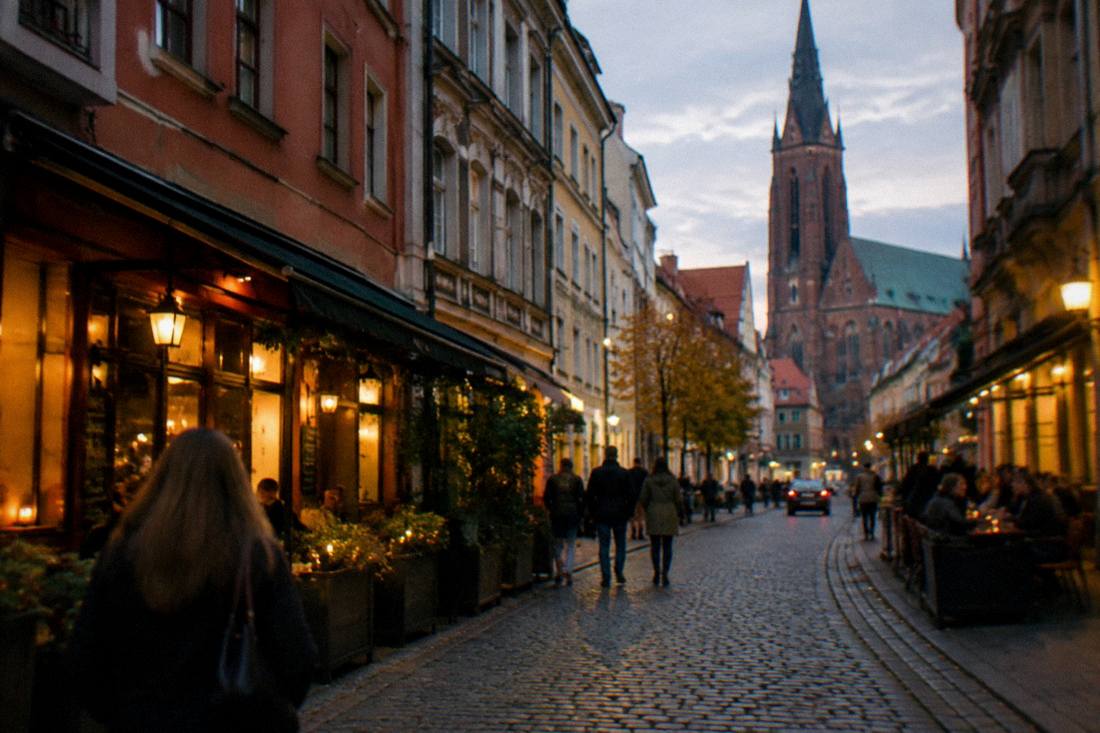
What Should Your Eating Plan Look Like Day By Day?
On day one, breakfast at a central cafe, walk the Market Square and Old Town with a milk-bar lunch en route, and book dinner one street back from the square; on day two, pair the Panorama and National Museum cluster with a museum-district lunch and give the evening to the Odra quays or Ostrow Tumski side; on day three, head east to the zoo and Centennial Hall parkland, or take a Ksiaz Castle and Church of Peace day trip and eat in the small towns. The one day in Wroclaw, two days in Wroclaw and three days in Wroclaw itineraries build the full skeletons.
The practical transport layer underneath the plan is cheap. A 15-minute MPK ticket at 4.60 zl covers most cross-center hops between restaurant districts, the 30-minute tier at 7.00 zl reaches the zoo-and-Centennial-Hall side, and the 24-hour band at roughly 15.00 zl suits a full eating-and-sightseeing day without per-journey arithmetic. The getting around Wroclaw guide maps the network, and the live city-bike block on this site's homepage is the honest way to check cycle availability on the day rather than trusting a number frozen into a page.
Where you sleep shapes where you eat, and the where to stay in Wroclaw guide matches the districts to traveler types. The Old Town Wroclaw and Wroclaw city centre pages describe the walkable eating core, while Nadodrze and Biskupin and Sepolno cover the quieter residential quarters whose cafes and kitchens reward the trip out.
| Day | Morning | Lunch | Evening |
|---|---|---|---|
| Day 1 | Central cafe, then Market Square walk | Milk bar in the center | Booked Old Town dinner, one street off the square |
| Day 2 | Panorama Raclawicka screening | Museum-district or riverside lunch | Ostrow Tumski or quays-side room |
| Day 3 | Zoo and Afrykarium, or Ksiaz Castle departure | Park-side eatery, or Walbrzych/Swidnica stop | Late, casual, near your hotel |
Common Questions About Restaurants In Wroclaw
Which district in Wroclaw has the best restaurants?
The Market Square and the streets just south of it carry the densest cluster of classic Polish kitchens, while Nadodrze, the street-art quarter, is where newer cafes and young kitchens have settled. Eat one street back from the square itself; the terraces with the best views are rarely the kitchens with the best food.
Is food expensive in Wroclaw?
This site does not publish restaurant prices, because no verified Wroclaw restaurant price dataset exists in its research. The verifiable budget frame around the food includes a 4.60 zl 15-minute transit ticket and a 20 zl National Museum adult entry, and the milk-bar tier keeps midday meals far below the sit-down tier. See the Wroclaw trip cost guide for the full budget treatment.
What food is Wroclaw known for?
Pierogi, Silesian regional dishes such as rolled beef and potato dumplings, sour rye soups, and the milk-bar institution, plus a growing plant-based scene. Wroclaw is not Poland's most vegan city, despite the claim you may read: Warsaw holds the international attention and older per-capita data favored Poznan and Krakow.
Where do locals eat in Wroclaw?
Local bookings concentrate in the side streets south of the Market Square and in the Nadodrze creative quarter, whose murals and courtyard projects drew cafes and small kitchens into a formerly neglected district. Milk bars across the center serve workers and students daily rather than tourists only.
Can you eat well on a day trip from Wroclaw?
Yes, and the towns are the point. Walbrzych sits on the route to Ksiaz Castle, whose own tariff prices castle entry with audioguide and terraces at 72 zl adult, and Swidnica's square surrounds the UNESCO-listed Church of Peace, where adult entry is 18 zl. Eat in those towns rather than on the road between them.
When is terrace season for restaurants in Wroclaw?
IMGW's 1991-2020 climate normals for the Wroclaw station show means of 14.3 C in May, 19.7 C in July and 14.5 C in September, so late May through September is the terrace window, with July also the wettest month at 91.4 mm of precipitation, so keep a roofed fallback in mind.
The last planning note is the simplest one: Wroclaw's eating geography is compact enough that a wrong table costs minutes, not an evening, and every district named above sits on the same cheap transit web. Pick your evening's anchor sight, check the month against the climate normals, book one street off the square when it matters, and let the rest of the city feed you by accident. More on the practical layer, from arrival to currency, is on the Wroclaw airport guide and the wider Wroclaw Travel Guide homepage.