Currency And Tipping In Wroclaw
Wroclaw, the largest city in Lower Silesia in southwestern Poland, runs on the zloty, not the euro. This guide covers what that means in practice: what to pay with, where PLN prices apply, and how tipping actually works.
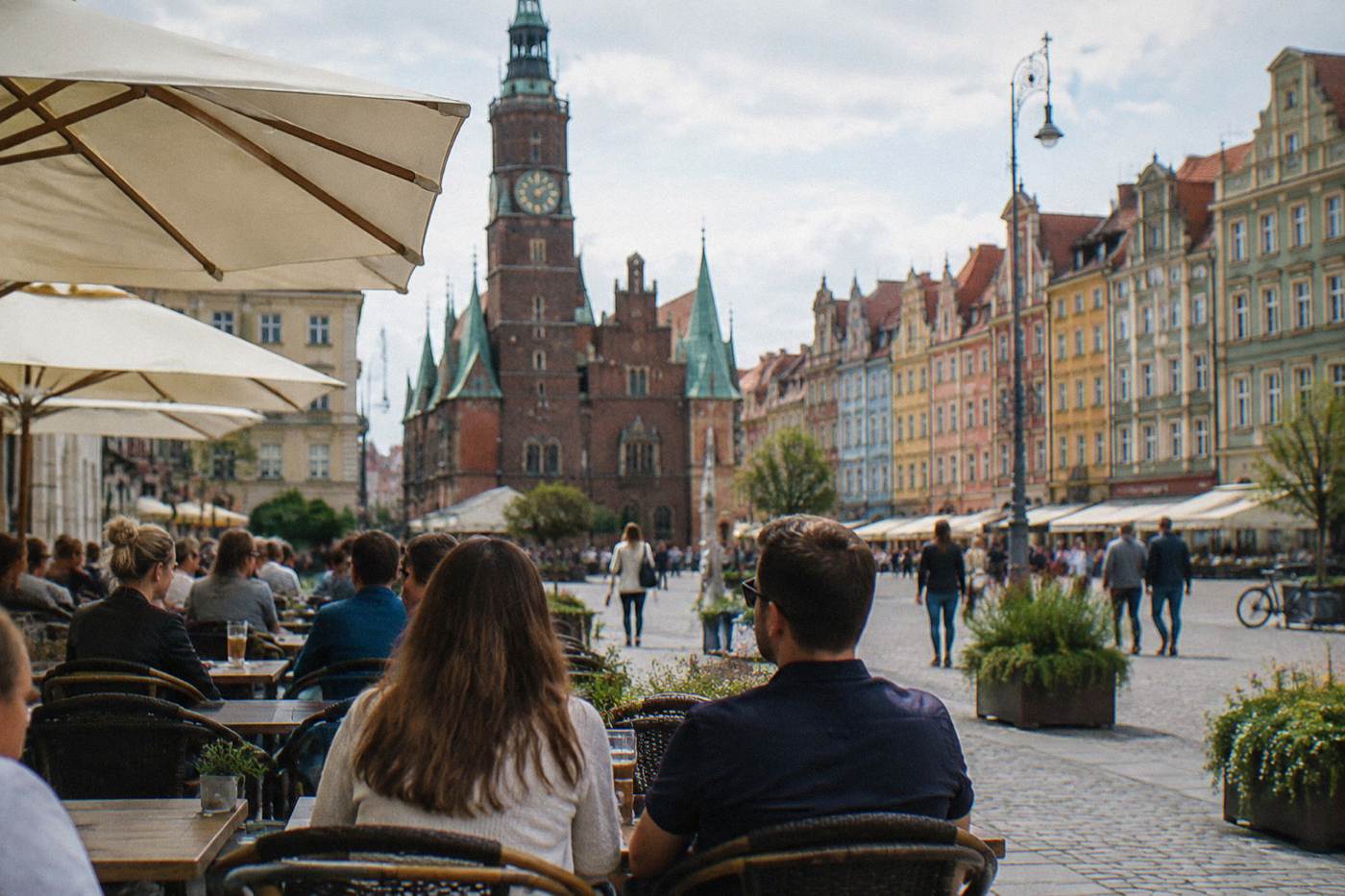
Short answer
Wroclaw uses the Polish zloty (PLN), never the euro. Cards are widely accepted in the city center, but small vendors and some venues prefer cash, so carry some notes. Tipping is appreciated but modest: rounding up a restaurant bill is normal, and free walking tours run on tips to the guide.
Wroclaw, the largest city in Lower Silesia (Dolnoslaskie voivodeship) in southwestern Poland, is a city of around 672,601 residents, twelve islands on the Odra river, a market square lined with painted townhouses, and one money question that catches almost every first-time visitor. Poland uses the zloty (PLN), not the euro, despite being in the European Union and the Schengen area. That single fact shapes almost everything about paying here, from what a museum ticket costs to how you settle a dinner bill and what you hand a guide at the end of a walking tour.
This guide walks through the whole money picture in Wroclaw. What the currency is, whether you need cash, what the city's main attractions genuinely cost in zloty, and how tipping works across restaurants, cafes, taxis, hotels and tours. Every admission figure below comes from an official source: the museum's own pricing page, the castle's own tariff, the zoo's own price table. Nothing is estimated.
What Currency Does Wroclaw Use?
Wroclaw uses the Polish zloty, coded PLN and written "zl" on price tags, and not the euro, even though Poland is in the European Union and the Schengen area. Paper money and coins are both in circulation, and prices are quoted to two decimals because the zloty subdivides into 100 groszy. Tour operators selling to international visitors often list their products in other currencies, but every till in the city itself, from a museum ticket desk to a tram ticket machine, is in zloty.
The zloty is the only legal currency for everyday purchases in Wroclaw. A cafe bill, a zoo ticket, a beer on Slodowa Island: all of it is priced and paid in PLN. The "zl" abbreviation on menus and price boards is simply the standard Polish shorthand for the currency, so "50 zl" at the Panorama Raclawicka means fifty zloty, and nothing else.
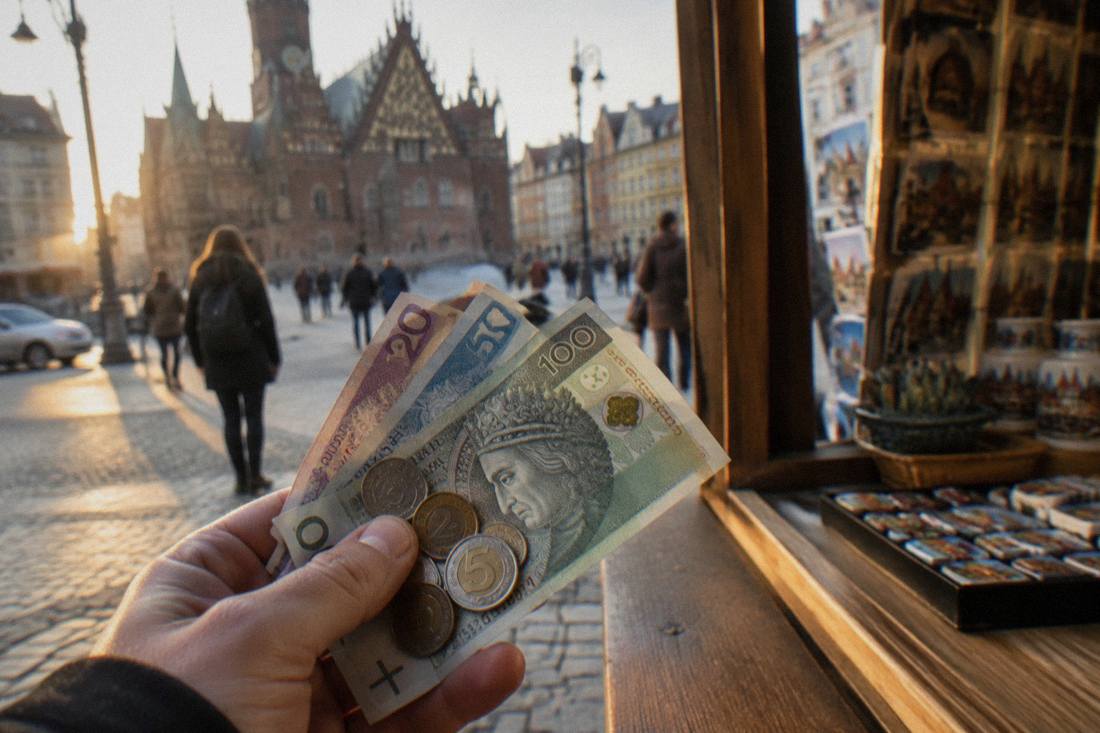
There is one split that trips people up. Attractions and transport inside the city price in PLN, while bookable tours and experiences aimed at visitors are frequently listed by international operators in US dollars or another home currency. Those are two separate systems and they should never be blended into one figure. A zloty museum admission and a dollar-priced walking tour are different purchases, priced by different sellers, in different currencies.
| Money fact | What it means in Wroclaw |
|---|---|
| Currency | Zloty (PLN), written "zl" |
| Euro accepted? | No, Poland is in the EU but outside the Eurozone |
| Where PLN applies | Museum tickets, transport fares, restaurant bills, shops |
| Where other currencies appear | Tour and experience listings sold to international visitors |
| Emergency number | 112, the EU-wide number, works in Poland |
For background on getting into the city and moving around once you are there, the Wroclaw airport arrival guide and the getting around Wroclaw overview cover the practical side, both written with the same PLN-first assumption.
Do You Need Cash In Wroclaw, Or Is The City Cashless?
Cards are widely accepted across central Wroclaw, including restaurants, cafes, most shops and ticket desks, so a typical visitor staying in the center can pay by card for the large majority of purchases. Cash remains genuinely useful in smaller pockets: market stalls, some smaller bars, public toilets and the occasional kiosk, where a card terminal may simply not exist. Carrying a modest amount of zloty in notes is the practical middle ground, not a full cash strategy.
The honest answer is that Wroclaw sits between cash-reliant and fully cashless. Big venues and chains take cards without a second thought. Independent businesses usually do too, but not always, and the exceptions cluster in exactly the places visitors like: the flea market atmosphere of weekend stalls, neighborhood milk bars, small drinking spots. A day can pass entirely on plastic in the Old Town. A day that wanders into Nadodrze or a Sunday market cannot be guaranteed to.
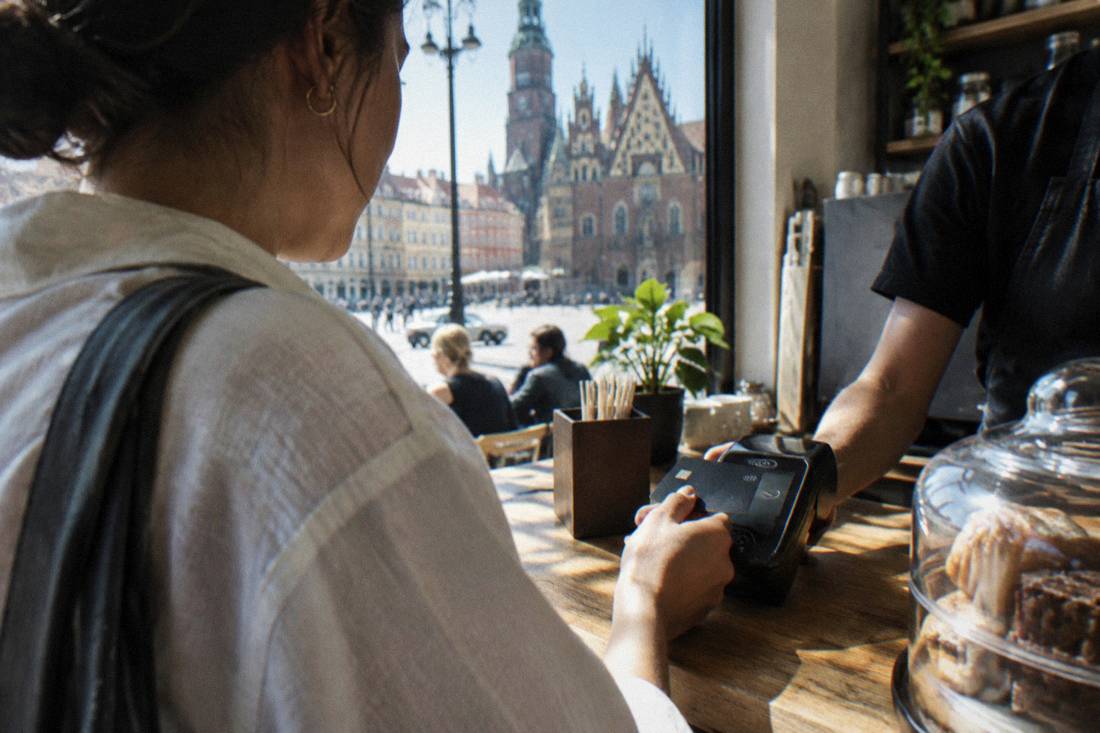
Contactless payment, including phone wallets, is normal in Poland. That much is standard across the country. What is not standard, and what no public source for Wroclaw confirms, is a reliable figure for how many venues accept cards, so this guide deliberately does not quote one. Treat card acceptance as broad but not universal, and carry a backup.
When you do withdraw cash, use a bank-branded ATM rather than a standalone machine in a tourist spot or station concourse. The general pattern across Poland, repeated in every serious travel advisory, is that independent ATMs advertise "no commission" and recover their money through a poor exchange rate or a fixed fee at the end of the transaction. Declining the machine's own currency conversion and letting your own bank set the rate is the standard advice. No specific Wroclaw fee figure is sourced in this guide because none belongs on the page.
What Do Wroclaw's Attractions Actually Cost In Zloty?
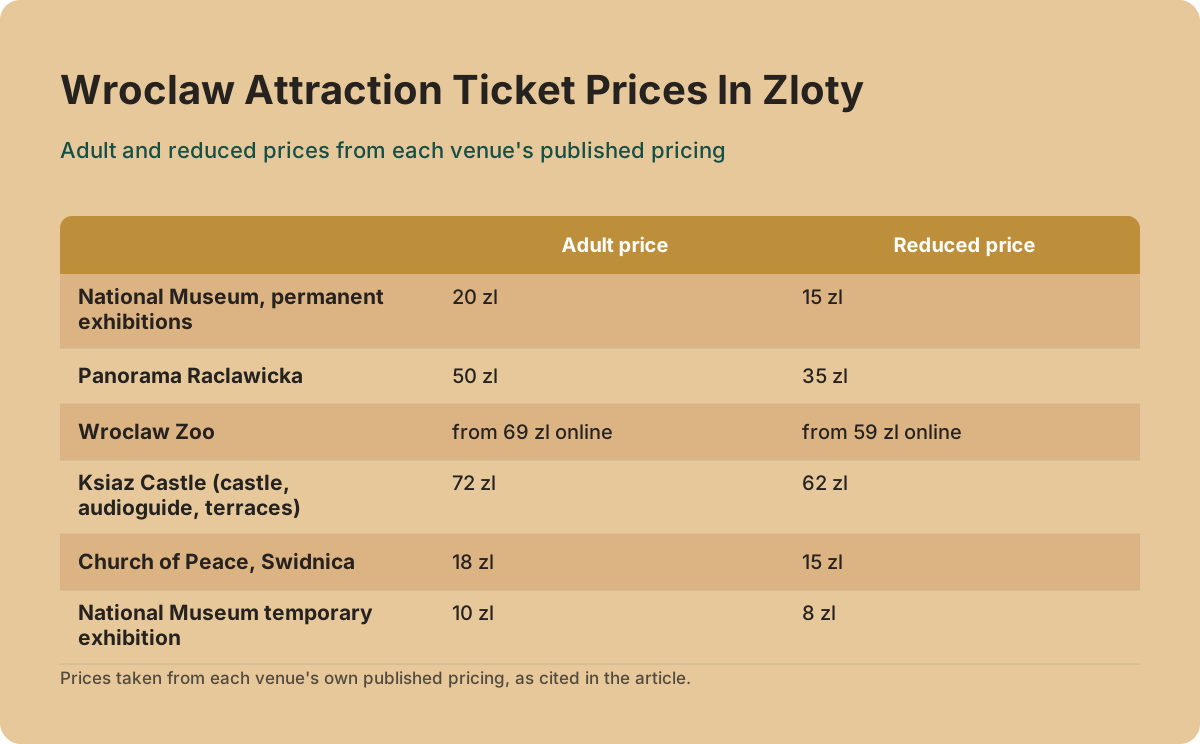
Wroclaw's headline attractions cost between 20 zl and 99 zl at the till, and every figure below comes from each venue's own published pricing: the National Museum's standalone ticket is 20 zl adult and 15 zl reduced, Panorama Raclawicka is 50 zl, the zoo starts at 69 zl online against 99 zl at the gate, Ksiaz Castle's castle-plus-audioguide-plus-terraces ticket is 72 zl, and the Church of Peace in Swidnica is 18 zl. These are PLN till prices, fixed and published, not tour prices.
The table below is the core of the page. Each row is drawn from the venue's own price page or tariff, fetched and confirmed against the official source.
| Attraction | Adult price | Reduced price | Source detail |
|---|---|---|---|
| National Museum in Wroclaw | 20 zl | 15 zl | Permanent exhibitions, standalone ticket |
| Panorama Raclawicka | 50 zl | 35 zl | 30-minute screening |
| Wroclaw Zoo | from 69 zl online | from 59 zl online | 99 zl / 89 zl at the gate |
| Ksiaz Castle (castle, audioguide, terraces) | 72 zl | 62 zl | Terraces open only 15 Apr-30 Sep |
| Church of Peace, Swidnica | 18 zl | 15 zl | Family ticket 45 zl |
| National Museum temporary exhibition | 10 zl | 8 zl | 2nd floor gallery |
Several of these figures hide real value that first-time visitors miss. The zoo's online-versus-gate spread is the biggest single saving on the list: the zoo's own price table shows the standard adult online ticket from 69 zl against 99 zl at the gate, and Afrykarium is included in the standard ticket, never a separate charge. The Panorama Raclawicka ticket is also a four-museum pass in disguise: the Panorama's own information page states that one ticket also covers the National Museum's permanent exhibitions, the Ethnographic Museum and the Four Domes Pavilion, within three months of the visit date.
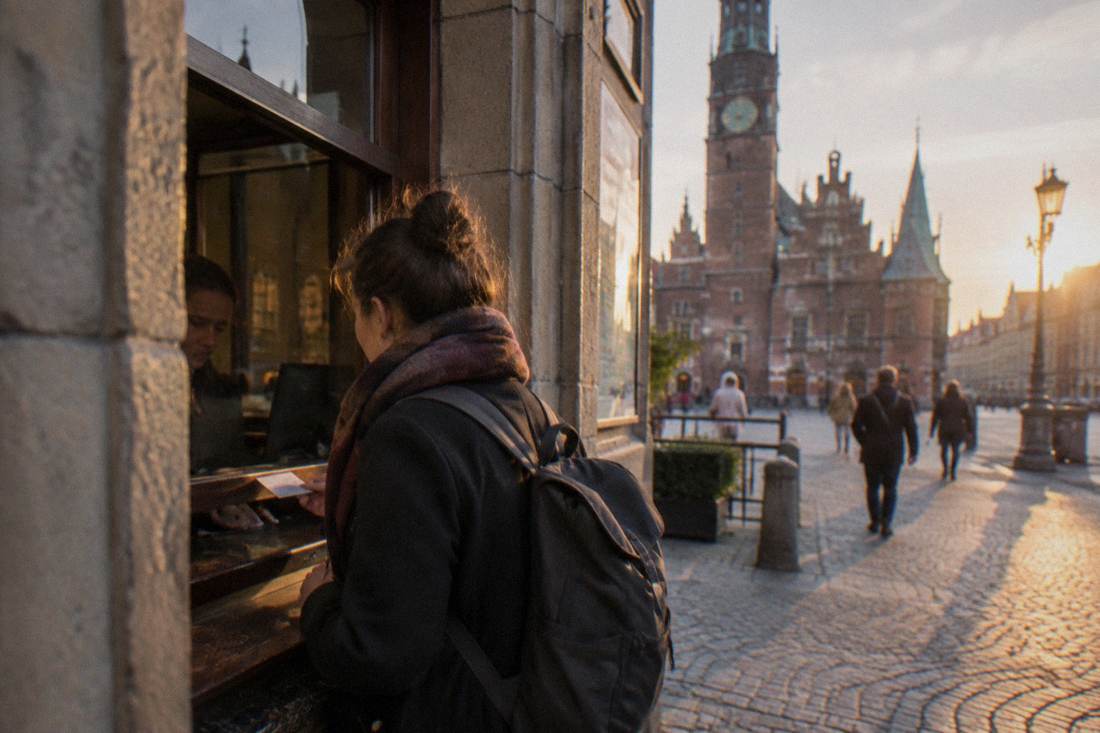
For planning around these prices, the Wroclaw trip cost breakdown builds them into full daily budgets, and the best time to visit Wroclaw page explains why summer weekends push hotel demand up. The Wroclaw weather by month guide carries the IMGW climate normals, including the July mean of 19.7C and the January mean of 0.0C, for anyone weighing shoulder-season prices against weather.
Transport costs are part of the same picture. The MPK fare table below comes from the city of Wroclaw's official ticketing page, and it is worth reading before you assume a taxi is the only option.
| MPK ticket | Normal | Reduced |
|---|---|---|
| 15-minute | 4.60 zl | 2.30 zl |
| 30-minute | 7.00 zl | 3.50 zl |
| 24-hour city ticket | approx. 15.00 zl | approx. 7.50 zl |
| Multi-day tier 1 | 26 zl | 13 zl |
| Multi-day tier 2 | 32 zl | 16 zl |
| Multi-day tier 3 | 54 zl | 27 zl |
One warning that belongs on any money page about Wroclaw: there is no all-inclusive Go City-style tourist pass currently sold for the city. The only card on the market, UrbanCard, is a transport-focused fare product with resident discounts, not a sightseeing pass, and it does not cover museum or attraction admission. Any page telling you to buy a "Wroclaw city pass" for the museums is describing something that does not exist.
How Does Tipping Work In Wroclaw?
Tipping in Wroclaw is welcome but modest, and it is never an automatic service charge added to your bill: restaurants in Poland do not add a tip by default, so anything you leave is your own decision at the table. The common local pattern is to round a restaurant bill up or add a small extra amount in cash, rather than calculate a fixed percentage, and for smaller everyday purchases, cafes, bakeries, tram rides, tipping is not expected at all. Nobody will chase you for a tip in Wroclaw.
The cultural baseline matters more than any number. Polish hospitality workers earn a wage, unlike the tipped-wage systems in parts of the United States, which means a tip here is a genuine thank-you rather than a structural part of someone's income. That changes the arithmetic completely. A rounded-up bill in a milk bar is a kind gesture. The same round-up in a full-service restaurant is also perfectly acceptable. More of these guides are collected on Wroclaw Travel Guide.
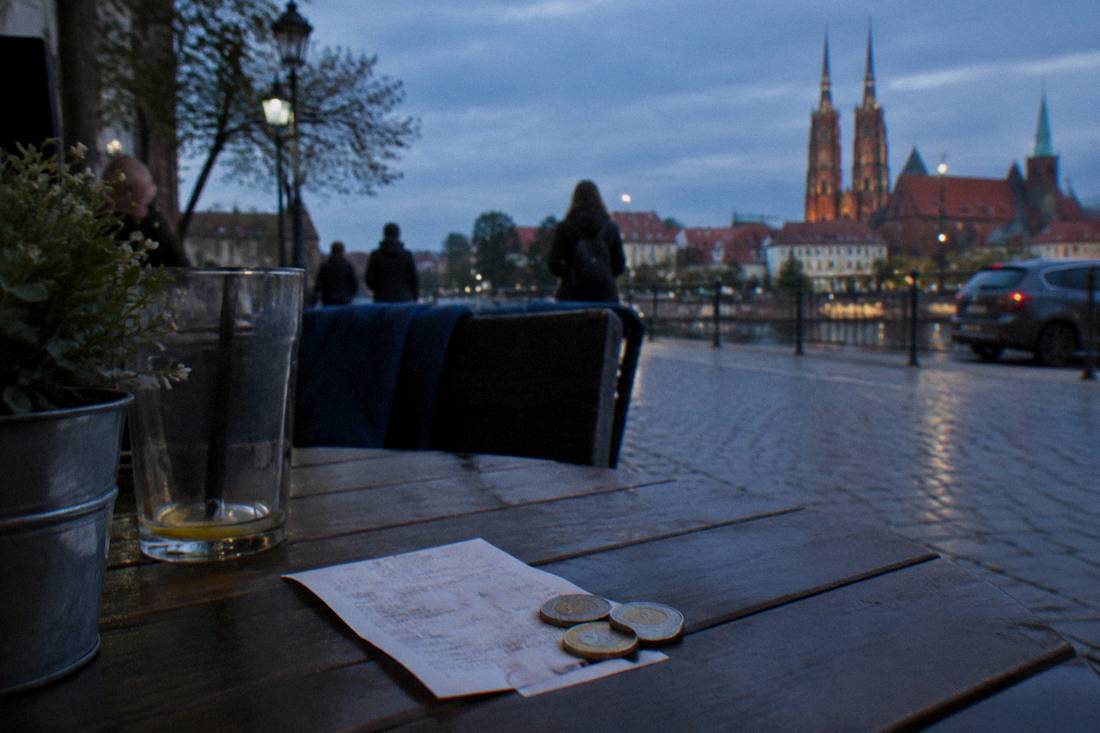
How you hand it over is the part that varies. When paying by card, the practical route in most Wroclaw restaurants is to tell the server the total amount you want charged, and they enter it directly; a card tip line in the American style is not the default expectation. When paying cash, leave the extra on the table or round up when you hand over the notes. Both are understood. If you want to eat like a local while you work this out, the best restaurants in Wroclaw and milk bars in Wroclaw pages cover the two ends of the price spectrum.
| Situation | Tipping norm in Wroclaw |
|---|---|
| Full-service restaurant | Round up or add a modest extra amount; not obligatory |
| Cafe or bakery | Not expected |
| Milk bar or street food | Not expected; rounding up is a courtesy at most |
| Taxi | Rounding up the fare is the usual gesture |
| Hotel porter or housekeeping | A small cash thank-you is appreciated, not required |
| Paid guided tour | A tip is a kind gesture, not a stated requirement |
Bars follow the cafe pattern rather than the restaurant one. If you are working through the Wroclaw craft beer scene or the Wroclaw nightlife guide, do not feel any pressure to tip on each round; telling the bartender to keep the small change on the last one is the local equivalent. The same logic applies to the Wroclaw Christmas market, where market-stall food vendors are not a tipping situation at all.
A guided walk is also one of the easiest purchases to lock in before you travel, which removes a small money decision from your arrival day. The city tour below is the one this site features most prominently for a first visit:
Do You Tip Walking Tour Guides In Wroclaw?
Paid guided tours in Wroclaw do not carry a stated tipping requirement, so a tip to your guide is a genuine gesture of appreciation rather than an obligation, while the city's free walking tours work on an entirely different basis: the tour costs nothing up front and the guide's income is the tip, which is why "free tour" always means tip-funded tour, not a gift.
Between those two poles, the rule is simple: skip the tip on an expensive private tour you already paid well for, and budget one on any free walk you join.
Wroclaw has a distinctive free-tour scene, and it deserves an honest explanation. Four free walks run in the city on the GuruWalk platform: a historian-led tour, a legends walk around Ostrow Tumski and the Market Square, a "Through Ages" Old Town and Cathedral Island walk, and the long-running Old Town Wroclaw walk by Walkative!. These are tip-based: you book a place, you walk, and at the end you hand the guide what you thought the tour was worth. The Old Town Wroclaw by Walkative! page on this site gives the details for the largest of them.
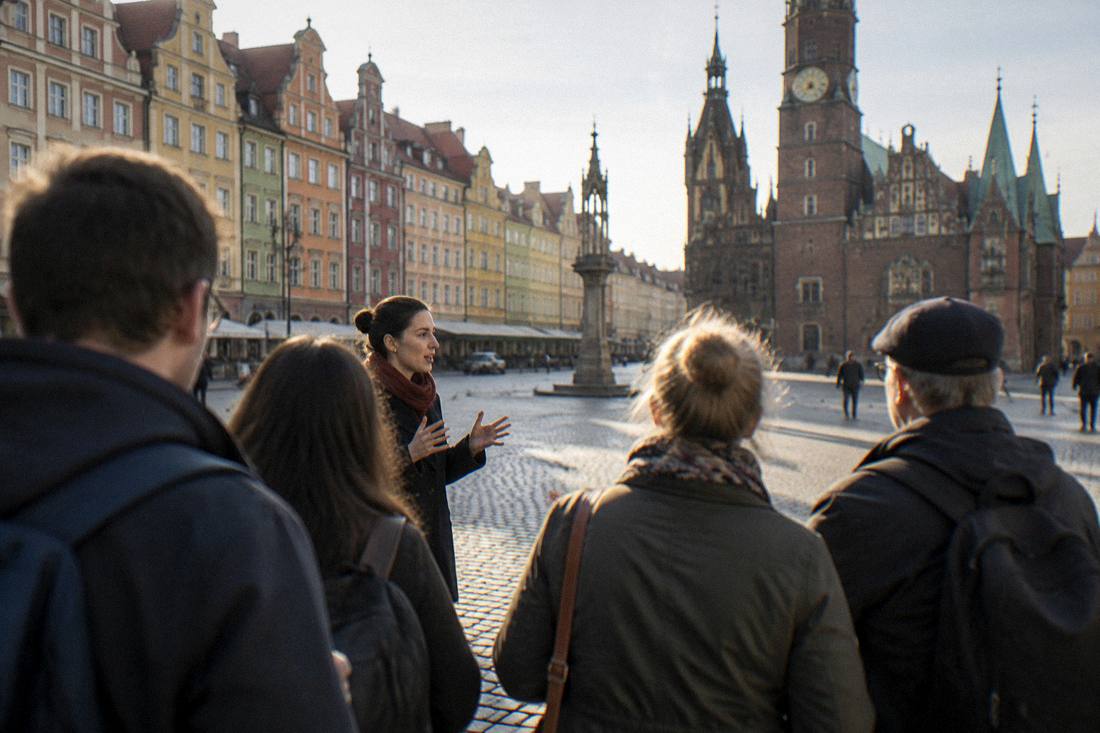
What is a fair tip on a free walk? This guide will not print a figure, because no sourced Wroclaw-specific standard exists and inventing one would be exactly the kind of made-up number this site refuses to publish. The honest framing: a free-tour guide is working for the tip, so the walk is only "free" if you decide the guide earned nothing. Bring zloty cash, because the tip is handed over in person on the spot.
Paid tours are the opposite case. If you have booked a full private walking tour or a full-day trip, you have already paid the guide's employer. A tip there is a bonus for exceptional work, not an expected top-up. If you are weighing how to spend your first day, a guided city tour with a local is a solid paid option that pairs well with a free walk on a later day, and Check availability before you travel to lock in your preferred time slot.
What Money Mistakes Do Visitors Make In Wroclaw?
The four recurring money mistakes in Wroclaw are assuming the euro applies, exchanging a large sum at an airport or hotel desk instead of a bank-branded ATM, treating an independent currency-exchange kiosk's "zero commission" sign as proof of a good rate, and forgetting that free walking tours are tip-funded and therefore require cash at the end. A fifth, quieter mistake is blending zloty till prices with dollar-priced tour listings in one mental budget, which produces a meaningless total because the two never mix.
Each of these is avoidable with a little planning. The euro assumption fails at the first tram ticket machine. The airport-desk exchange fails on the spread. The kiosk sign fails because "zero commission" in the exchange industry frequently means the margin lives in the rate itself, a pattern worth checking wherever you see it advertised. And the free-tour mistake fails socially rather than financially, when a visitor reaches the end of a two-hour walk with nothing to hand the guide.
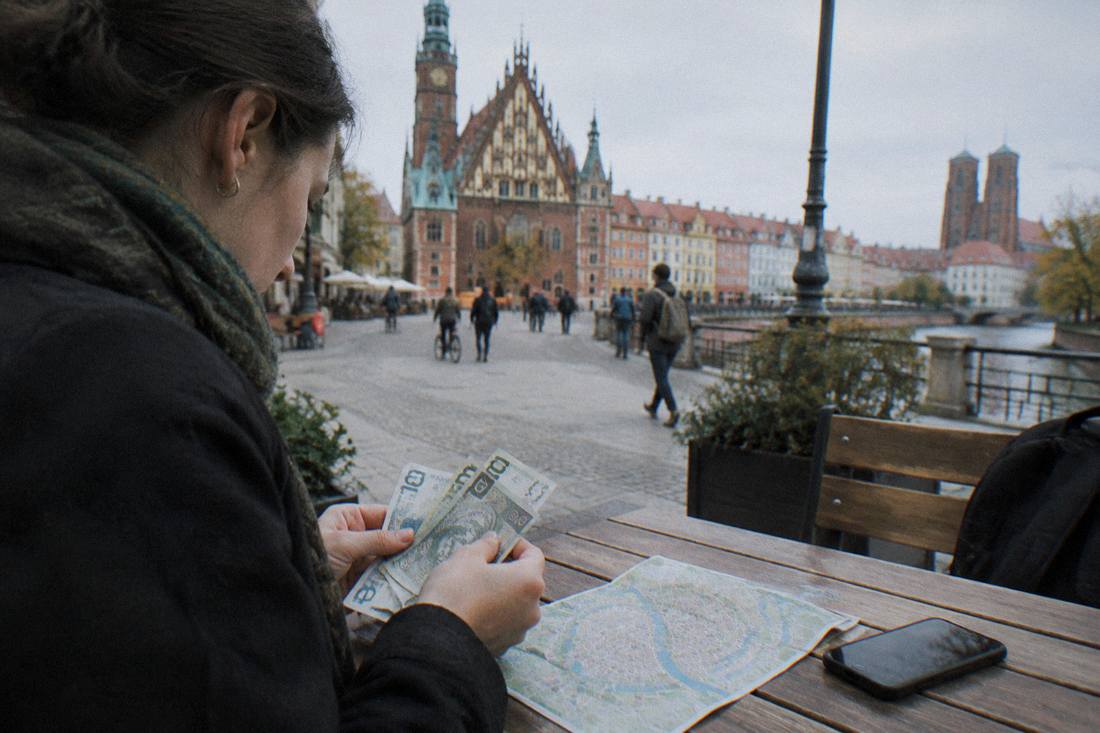
Budget planning helps here more than anywhere else. Decide roughly how many paid attractions you want to see, price them from the table above, add transport from the MPK table, and then keep tour bookings as a separate line in whatever currency their listings carry. The pierogi in Wroclaw and Wroclaw street food pages can fill in the eating picture without inventing restaurant prices.
Here are the bookable tours this site features for Wroclaw, which pair naturally with the money planning above:
The two day trips in that band are worth a note in a money context, because their destination sites charge PLN admission on top of the tour price in some itineraries. The Auschwitz-Birkenau memorial and the Church of Peace in Swidnica each have their own entry arrangements, and the Church of Peace's own pricing page lists 18 zl adult, 15 zl reduced, children and youth 10 zl, and a 45 zl family ticket. Check what your chosen listing includes before you assume one figure covers everything.
Should You Buy Zloty Before You Fly To Wroclaw?
A small zloty float of roughly one meal's worth is genuinely useful to land with, but buying large amounts of PLN at home costs you money through poor exchange rates and service fees on a low-volume transaction, so the practical plan is a small home purchase for arrival day and a bank-branded ATM withdrawal in Wroclaw for everything after. Wroclaw Airport is operating normally, having completed a major renovation ahead of schedule, so arriving passengers can withdraw cash on landing.
The airport context matters because a recurring rumor circulates about it. Wroclaw Airport (WRO) served 4,473,945 passengers in 2024, its largest-ever figure at that point. A real temporary full closure did happen, for a runway and operational-area renovation from 26 October to 4 December 2025, but that work finished and further renovation was completed ahead of schedule in September 2026, after which 2026 passenger records were set. The airport is open today. The reason the answer mentions it at all is that money advice often begins at the airport, and the airport is a functioning place to get it.
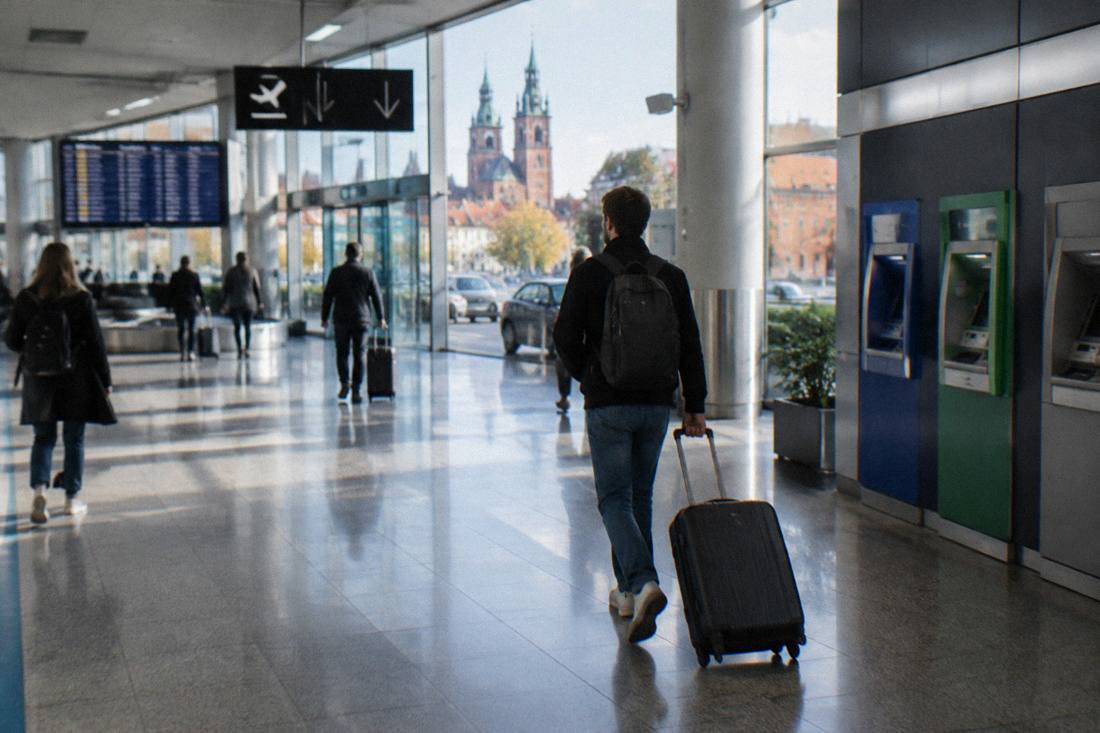
Card-first travelers can skip most of this section. If your card has no foreign transaction fee and you are comfortable with contactless everywhere, a single modest withdrawal for markets, tips and small vendors is all the cash strategy you need. Cash-first travelers should still avoid exchanging the entire trip budget at once, because unused zloty converts back at a loss on both ends of the trip. The Wroclaw safety guide covers the practical carrying-cash side without inventing any crime statistics, which no available source provides for the city.
Common Questions About Currency And Tipping In Wroclaw
Can I pay in euros in Wroclaw?
No. Poland uses the zloty (PLN) and is not in the Eurozone, so every till in Wroclaw, from museums to restaurants to tram machines, prices and takes payment in zloty. Some international tour listings show prices in other currencies, but those are tour-operator prices, not city till prices.
Is tipping expected in Wroclaw restaurants?
Tipping is appreciated but modest and never obligatory, and Polish restaurants do not add a service charge to the bill automatically. The common local pattern is rounding up the bill or leaving a small extra amount in cash. For cafes, milk bars and street food, tipping is not expected at all.
Do free walking tours in Wroclaw really cost nothing?
The walk itself has no upfront price, but the guides work on tips, so "free tour" means tip-funded tour. The four current free walks in Wroclaw run on the GuruWalk platform, including the historian-led tour, the Ostrow Tumski legends walk, the Through Ages walk and the Walkative! Old Town walk. Bring zloty cash for the guide, since no fair tip figure is universally sourced and you should decide it yourself on the day.
Does Wroclaw have a tourist city pass that covers museums?
No. There is no all-inclusive Go City-style sightseeing pass currently sold for Wroclaw. The UrbanCard that does exist is a transport-focused fare card with resident discounts and does not cover museum or attraction admission. Buy attraction tickets individually, and note that the Panorama Raclawicka ticket already bundles four museums within three months of your visit.
Is it cheaper to buy Wroclaw Zoo tickets online or at the gate?
Online. The zoo's own price table shows the standard adult ticket from 69 zl online against 99 zl at the gate, with reduced tickets from 59 zl online against 89 zl at the gate, and Afrykarium is included in the standard ticket rather than sold separately.
How much cash should I carry in Wroclaw?
This guide deliberately does not print a figure, because no official Wroclaw source publishes one and an invented number would be exactly the kind of fake precision this site refuses to publish. In practice: carry enough zloty for a market stall, a small vendor and a tip, since cards are widely accepted in the center but not universally accepted everywhere you might wander.
Money in Wroclaw is straightforward once the zloty fact lands. Pay by card where you can, keep a modest float of PLN for the places that need it, read each attraction's own price page rather than a summarized figure, and treat tipping as a quiet thank-you rather than an arithmetic exercise.