Is Wroclaw Safe
Wroclaw, the largest city in Lower Silesia in southwestern Poland, is a busy university and business destination of about 672,601 residents, and the practical safety questions visitors ask are the ordinary ones of any Central European city this size.
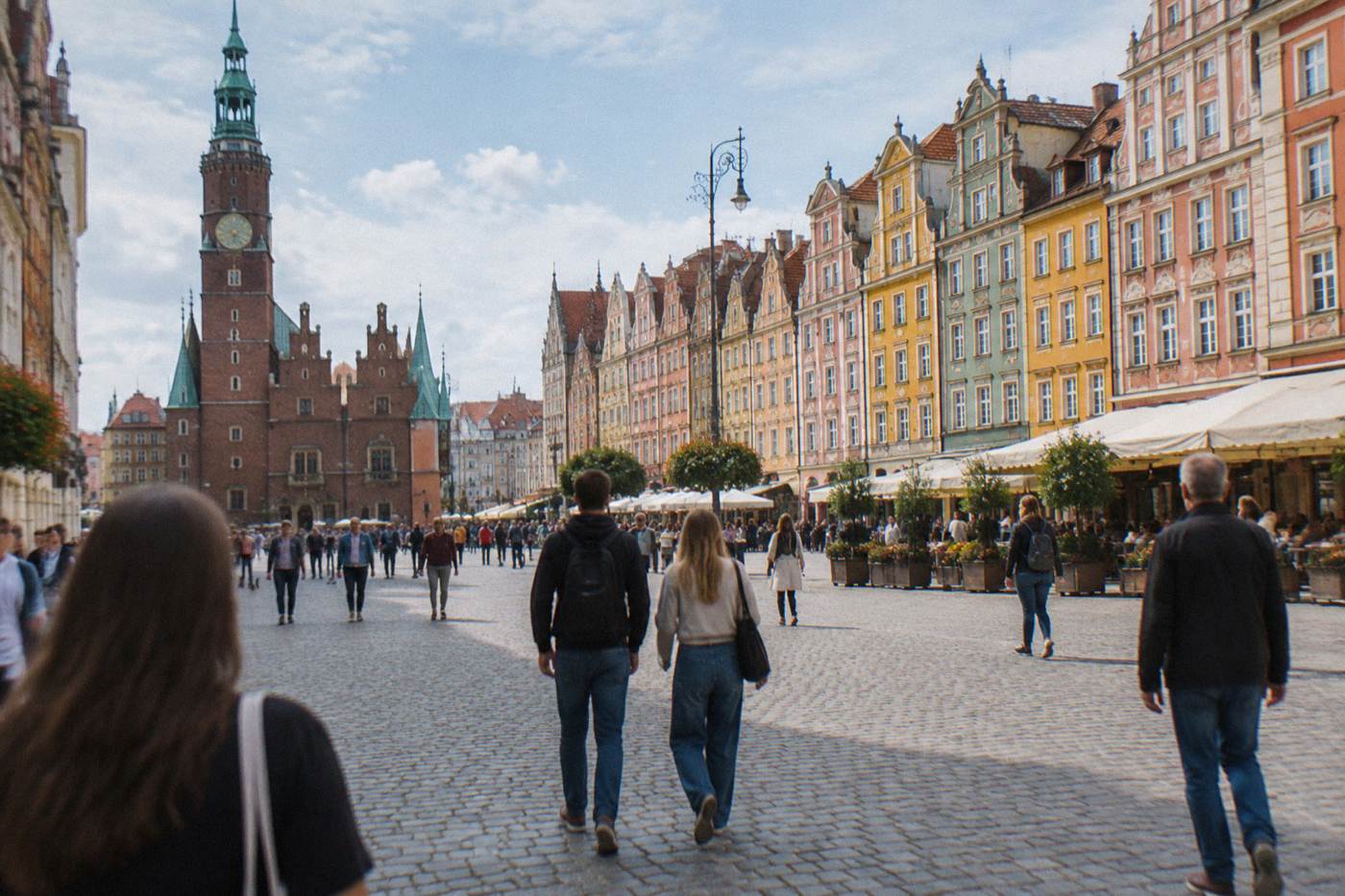
Short answer
Wroclaw is generally considered a safe, walkable city for tourists, with the usual Central European big-city precautions: watch valuables in crowds, use licensed transport, and keep 112 in mind for emergencies.
Wroclaw, the largest city in Lower Silesia (Dolnoslaskie voivodeship) in southwestern Poland, welcomes visitors with a compact Old Town, a student population that keeps central streets lively late, and a river-and-island geography that invites long evening walks. The honest answer to whether it is safe is that it behaves like any other Central European city of its size: none is needed for the practical picture, because the risks here are the ordinary ones, crowded squares, late-night alcohol areas, and the small scams that follow tourists anywhere. This guide walks through the questions visitors actually ask, area by area and situation by situation, and points to the planning pages that fill in the gaps, from getting around Wroclaw to the Wroclaw weather by month breakdown.
Is Wroclaw Safe For Tourists?
Yes, Wroclaw is a safe city for tourists by the standards visitors apply to Central European destinations of its size. The practical risks are pickpocketing in crowded spots, nuisance behavior around late-night bar streets, and ordinary road and tram safety, not violent crime aimed at visitors. The EU-wide emergency number 112 works in Poland, and the city's core sights sit within a walkable, well-lit central area.
No crime statistic, safety ranking or pickpocket figure was sourced for Wroclaw for this guide, and an honest page says so rather than inventing one. What can be said with confidence is structural: Wroclaw is a university city of roughly 672,601 residents (GUS, 31 December 2025), it sits in Poland, an EU and Schengen member state, and its tourist core, the Rynek, Ostrow Tumski and the Odra islands, is compact enough that the well-populated areas are easy to stay within after dark. The city's scale matters too. Krakow is the larger city (816,614 residents), but Wroclaw's center feels similarly busy and similarly oriented toward foot traffic.
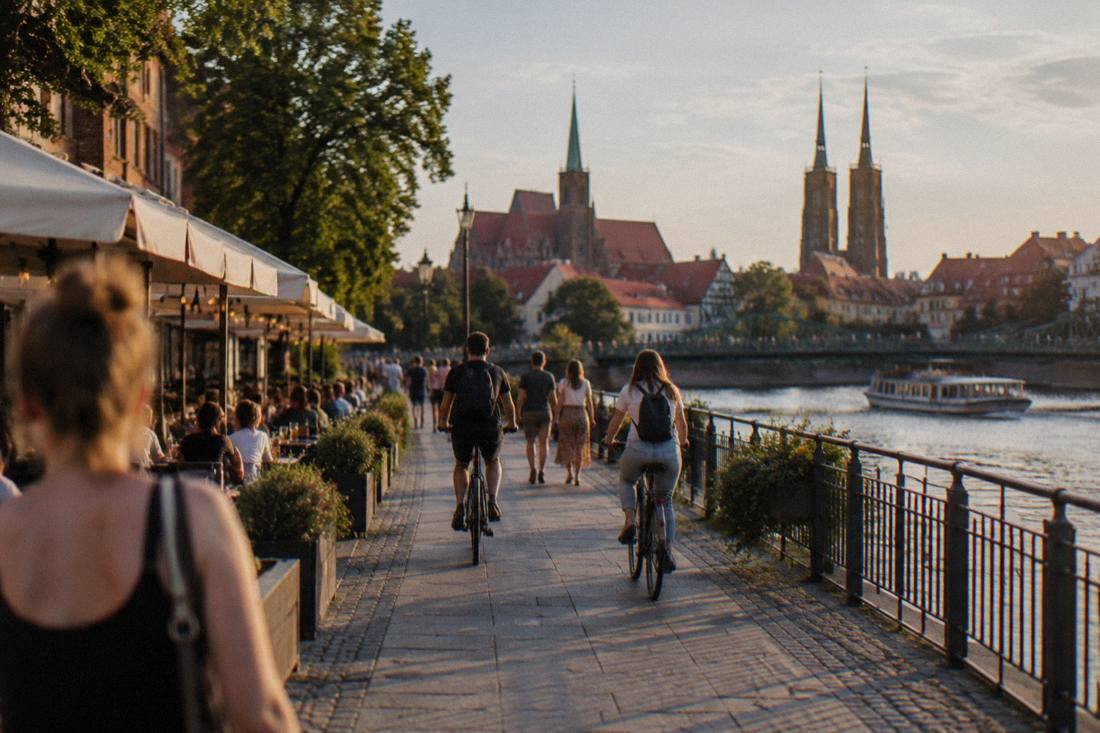
The realistic safety picture for a visitor looks like this:
| Situation | Realistic Risk Level | What To Do |
|---|---|---|
| Daytime sightseeing on the Rynek and Ostrow Tumski | Low | Normal care with bags in crowds |
| Riding trams and buses with luggage | Low to moderate | Keep bags in front of you, zips closed |
| Late-night bar streets on weekends | Moderate, nuisance rather than danger | Stay in lit, populated streets; travel in groups |
| Withdrawing cash from street ATMs | Low to moderate | Prefer machines inside banks or hotel lobbies |
| Walking alone at night in the center | Low to moderate | Stick to main routes such as the Rynek to Swidnicka Street |
| Crossing tram and bike lanes | Low | Trams and separated bike lanes have their own signals; look both ways |
The one thing this table deliberately does not do is attach numbers. Any crime figure for Wroclaw that you see quoted on a travel forum should be checked against its actual source and year before you let it shape a trip.
Which Areas Of Wroclaw Should You Be Careful In?
Wroclaw does not have a tourist no-go area, and no district in this city carries a sourced warning against visiting. The practical geography is simpler: the Old Town and islands are the safest, most policed-feeling core; the station surroundings and late-night bar zones need normal big-city care; and outlying districts are ordinary residential neighborhoods where a tourist has little reason to wander after dark.
The central grid around the Rynek, Swidnicka Street and the Odra islands, including Slodowa Island, is where almost every visitor spends their evenings, and it stays busy and lit late because the student population keeps it that way. The area around the main railway station and the adjoining bus terminal deserves the ordinary caution of any European transport hub: keep luggage close, ignore anyone offering unsolicited taxi help, and use the licensed taxi ranks or a ride app rather than accepting a fare quoted verbally on the street.
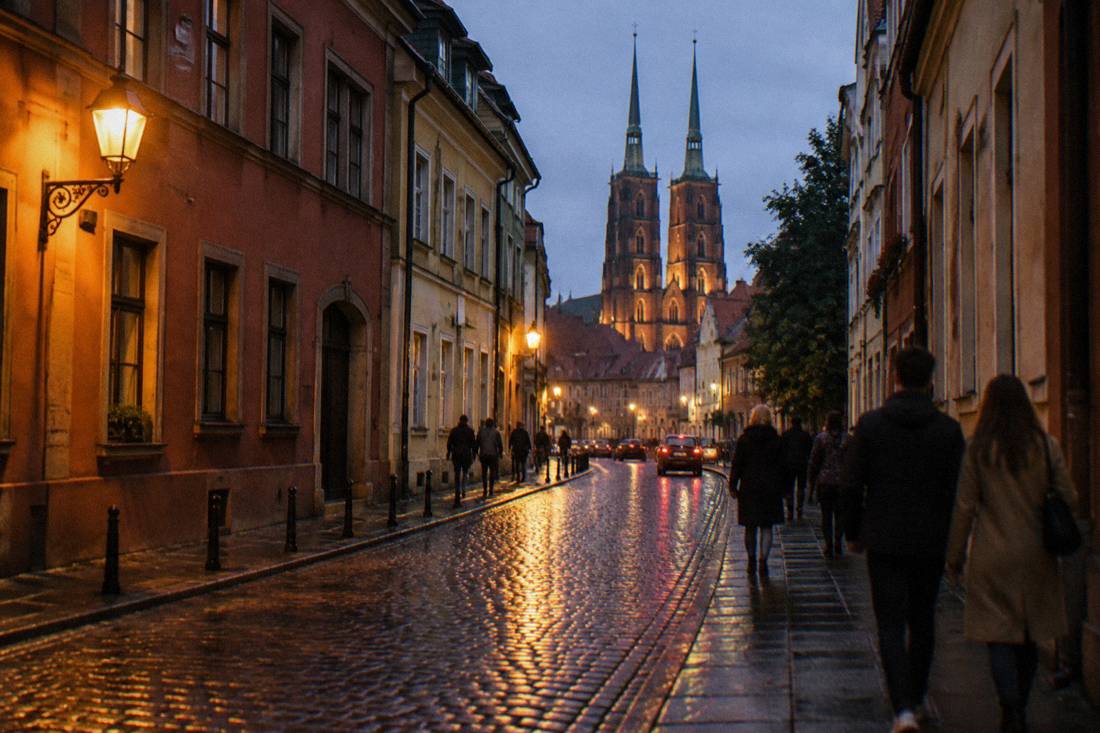
Two districts deserve a specific mention because they are increasingly on visitor itineraries. Nadodrze, north of the center, has a well-documented reputation as a creative, street-art quarter, but it is still a neighborhood in transition, so visit in daylight and take the normal care you would in any regenerating urban district. The area around the main station is best treated as a pass-through rather than a place to linger at 2 a.m. For orientation help, the Old Town Wroclaw and Wroclaw city centre pages map these zones properly.
| Area | Character | Evening Comfort Level For Visitors |
|---|---|---|
| Rynek and Old Town | Main tourist core, bars, restaurants | Busy and lit late, comfortable |
| Ostrow Tumski | Cathedral island, quiet and atmospheric | Quiet; lit main paths, dim side lanes |
| Slodowa Island | Riverside hangout spot for students | Lively in season, quieter off-season |
| Nadodrze | Creative quarter, street art, cafes | Visit by day; normal care after dark |
| Main station surroundings | Transport hub, transient crowds | Pass through with luggage awareness |
| Krzyki and southern districts | Residential, offices, shopping malls | Ordinary residential normality |
None of this is a warning. It is the same map you would draw for a first-time visitor to any city of this size, adjusted for Wroclaw's particular geography, where the biggest evening hazard is more likely a dark riverside path than anything involving another person.
Is Wroclaw Safe At Night?
Wroclaw is generally safe to walk in at night within the central area: the Rynek to Swidnicka Street corridor, the Odra quays and the main station route stay lit and populated. The caveats are the usual ones, weekend alcohol crowds around bar streets, quiet riverside stretches after midnight, and cash-machine hygiene. Visitors out late should move in groups on main routes and use licensed transport back to their hotel.
The question gets asked so often that this site carries a dedicated page on walking in Wroclaw at night, and the short version of that answer belongs here too: the center is a night-time city because of its students, and populated streets are the default there. The areas that empty out late are the islands' outer paths and the cathedral lanes of Ostrow Tumski, atmospheric but dim, so plan those for dusk rather than midnight.
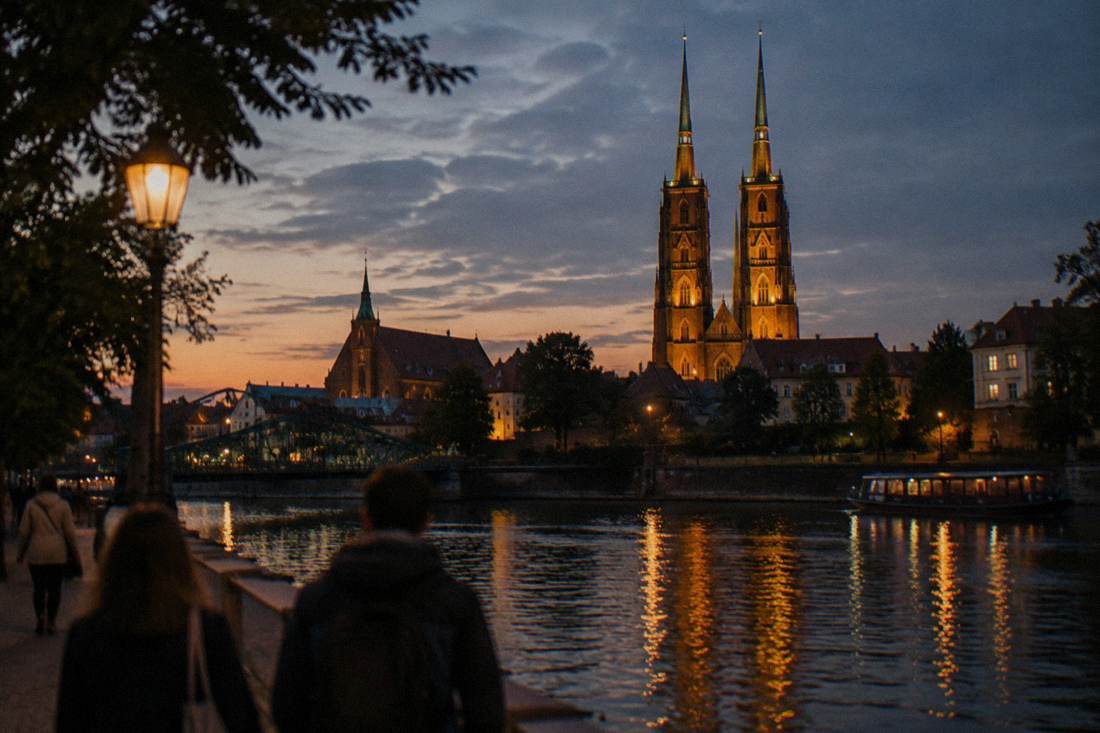
Nightlife deserves its own caution, not because the Wroclaw nightlife guide describes a dangerous scene, but because alcohol changes the risk profile of any city. Bar streets concentrate noise, crowds and a handful of aggressive beggars or scam approaches; the response is the same everywhere: keep your phone out of back pockets, close your tab before you forget it, and agree the taxi fare or open the app before you get in. Wroclaw's climate also plays a quiet role in night-time comfort: IMGW's 1991-2020 normals put the January mean at 0.0C and July's at 19.7C, so winter nights out mean ice on the cobblestones, a slipping hazard nobody budgets for.
A guided walk is also a legitimate night-safety tactic: an evening or daytime tour keeps you on populated routes with someone who knows which lanes to skip.
Is Wroclaw Safe For Solo Travelers And Families?
Wroclaw works well for both solo travelers and families, and for the same reason: the center is compact, busy, and built around walking. Solo travelers get a city where evening streets stay populated and public transport runs late; families get flat, stroller-friendly squares, indoor fallbacks like the zoo and Hydropolis, and a general atmosphere where children wandering a market square cause no alarm. The precautions are age-appropriate versions of the standard ones.
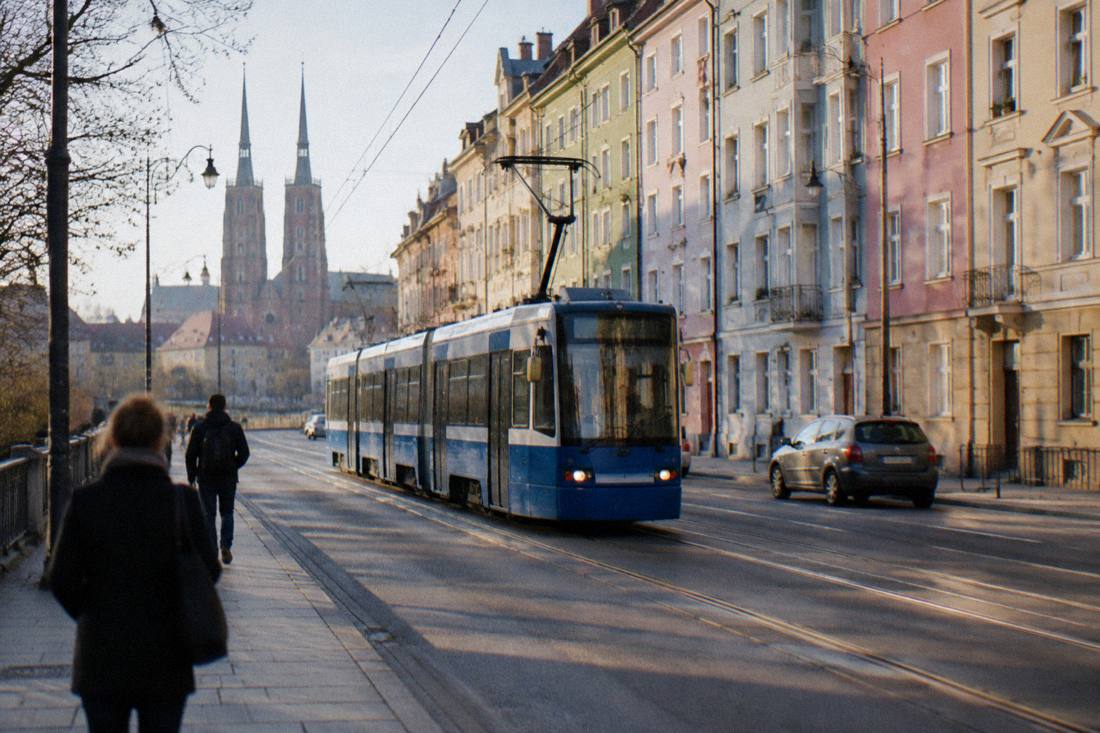
For solo visitors, the Wroclaw for solo travelers page covers the social side; the safety side is mostly logistics. Book accommodation within walking distance of the Rynek so late returns stay on main streets, keep the hotel's card in your pocket, and know that 112 covers police, ambulance and fire across Poland. For families, the practical notes are traffic-related: Wroclaw's trams run on their own lanes and its bike paths are separated, so teach children to check the separate signals before crossing, because the bike lane often sits between the sidewalk and the road.
The dwarf-hunting walks are the natural family-safety pick here, and not only because children love the hunt: a guided dwarf route keeps the group on the central squares with a local watching the road crossings. A related option is the garden gnome hunt with a local guide, which covers the same ground with the same logic, a local handling the streets while the family handles the spotting.
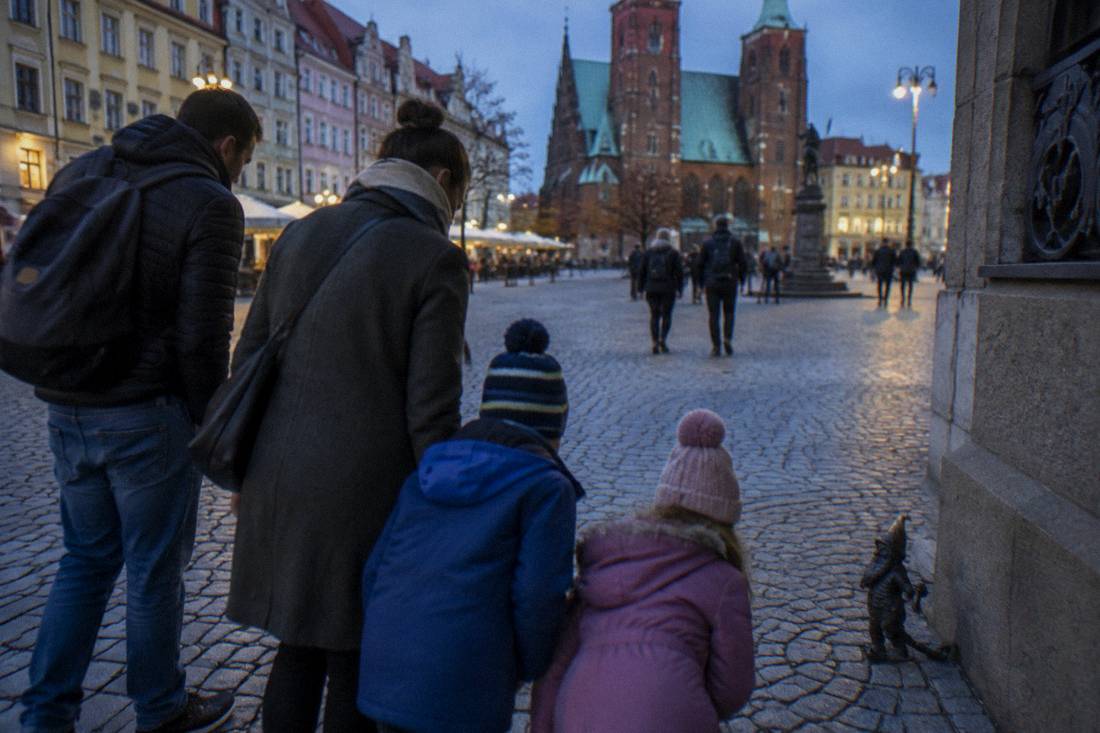
If a guided dwarf hunt sounds like the right fit for your group, the box below points to the listing for dates and availability.
Families with specific mobility needs should also read the Wroclaw accessibility guide, since safe and comfortable overlap heavily: dropped curbs, step-free tram stops and ramped museum entrances decide which routes work.
How Safe Is Wroclaw Public Transport?
Wroclaw's public transport is safe and is the standard way locals and visitors move around the city. The realistic concerns are validation and ticket inspection rather than personal safety: buy before you board, validate the paper ticket, and keep it until the ride ends. Fines go to fare-dodgers, not to tourists who made an honest mistake, but honest mistakes still cost money, so the ticket rules are worth knowing.
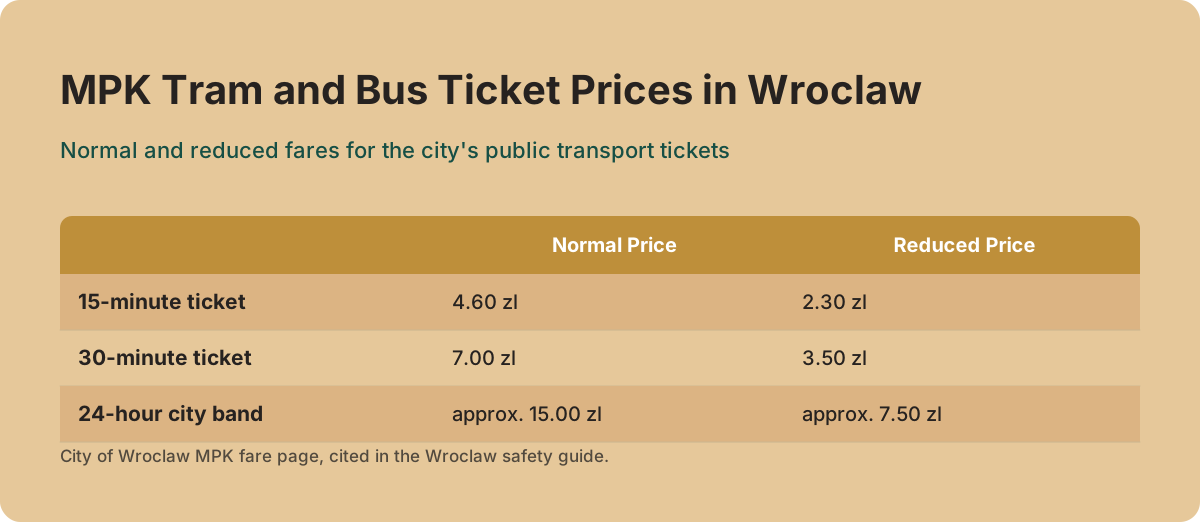
MPK runs the trams and buses, and the city's own fare page lists the tiers plainly. The base 15-minute ticket is 4.60 zl normal and 2.30 zl reduced; a 30-minute ticket is 7.00 zl and 3.50 zl; and the 24-hour city band sits around 15.00 zl and 7.50 zl, with multi-day tiers above that. Full route and ticket detail lives on the getting around Wroclaw page. More of these guides are collected on Wroclaw Travel Guide.
| MPK Ticket | Normal Price | Reduced Price |
|---|---|---|
| 15-minute | 4.60 zl | 2.30 zl |
| 30-minute | 7.00 zl | 3.50 zl |
| 24-hour city band | approx. 15.00 zl | approx. 7.50 zl |
On board, the safety notes are universal: keep bags in front in crowded rush-hour trams, press the stop button before your stop rather than sprinting for the doors, and hold the handrails, because Wroclaw's older trams brake hard. Inspectors are plain-clothed and issue real fines, so if you boarded without validating, get off and reboard with a valid ticket rather than arguing the point. There is no all-inclusive Go City-style tourist pass for Wroclaw; UrbanCard is a transport-focused fare card with resident discounts and does not cover attraction admission, so do not buy one expecting museum entry.
What About Scams And Pickpockets In Wroclaw?
Wroclaw has the standard Central European tourist scams at low intensity: distraction-style pickpocketing in crowds, unsolicited taxi help around the station, and the occasional overpriced-currency or fake-petition approach. None is specific to this city, and none requires paranoia, only the habit of keeping valuables front-facing, refusing unsolicited help, and paying in zloty rather than accepting a euro rate.
The currency point matters more here than in many cities. Poland uses the zloty (PLN), not the euro, and any street exchange or merchant offering to take euros at "today's rate" is offering a rate of their own invention. Change money at a bank-owned kantor or withdraw from a bank-branded machine, and check the Wroclaw currency and tipping page before you go.
| Pattern | Where It Usually Happens | Response |
|---|---|---|
| Distraction pickpocketing | Crowded trams, market-square events | Bags in front, zips closed, phone not in back pocket |
| Unsolicited "taxi help" at the station | Main station exits, bus terminal | Walk to the licensed rank or open a ride app |
| Fake petition or charity clipboard | Rynek, bar streets at night | Decline politely and keep walking |
| Euro acceptance at an invented rate | Small shops, informal exchange | Pay in PLN; use a bank-owned kantor |
| Overfilled restaurant bill | Late-night bar streets | Check the itemized bill before paying |
A note on the restaurant row: Wroclaw's food scene is overwhelmingly straightforward, and the city's best restaurants and milk bars pages describe a scene where the worst outcome of an ordering mishap is a plate of pierogi you did not expect. The listed patterns are the ones worth knowing exist, not the ones you are likely to meet.
Is Wroclaw Safe For Day Trips Into Lower Silesia?
Yes, the standard day trips from Wroclaw into Lower Silesia are safe, and the risks are environmental rather than interpersonal: trail conditions in the Giant Mountains, opening-season limits at Ksiaz Castle's terraces, and long drives on regional roads. Ksiaz Castle's terraces, for instance, open only from 15 April to 30 September, a date limit that catches visitors out every year.
The practical safety notes for the region's headline trips are unglamorous. For the Giant Mountains and Karpacz, mountain weather changes fast, and IMGW's normals show the difference between a July mean of 19.7C in the city and conditions 1,000 meters higher; take layers and stick to marked trails. For Ksiaz Castle, the Ksiaz Castle page carries the full tariff: the castle with audioguide and terraces is 72 zl adult and 62 zl reduced under the cennik effective 6 May 2026, and the underground route adds more climbing and narrower passages than some visitors expect. For the Church of Peace in Swidnica, adult entry is 18 zl, and the Church of Peace Swidnica page covers the UNESCO-listed building itself.
| Day Trip | Main Safety Note | Seasonal Limit To Know |
|---|---|---|
| Giant Mountains and Karpacz | Mountain weather and trail condition | Higher trails snowbound into late spring |
| Ksiaz Castle | Steep walks to the terraces; underground route is narrow | Terraces only 15 April to 30 September |
| Church of Peace, Swidnica | Church is a visiting place, quiet town surroundings | Regular visitor hours; check before a long drive |
| Auschwitz-Birkenau | Emotional intensity; book transport in advance | A long 10-hour day; plan rest afterward |
Getting to these places is commonly done by regional train to Walbrzych plus a bus or taxi connection for Ksiaz, and by organized tour otherwise. No specific rail duration is being quoted here because none was independently confirmed as a stable public figure, and the same honesty rule applies to any Warsaw or Krakow journey time: fares and times vary by date and are checked live at booking.
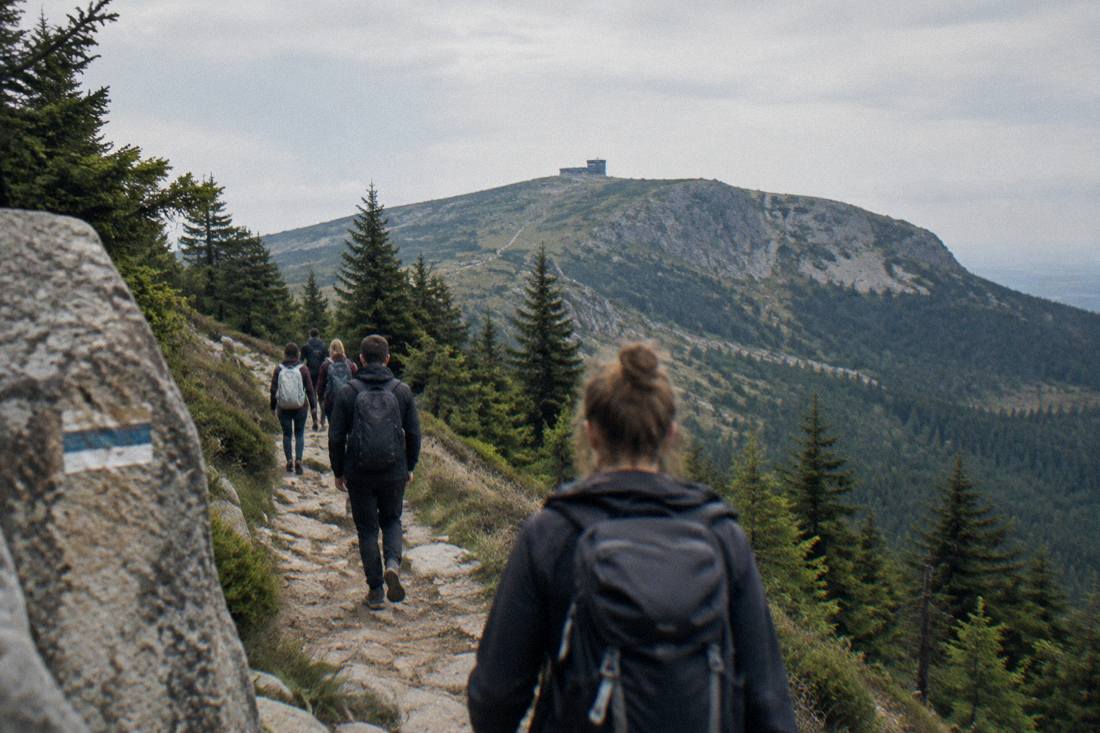
Guided day tours solve several safety problems at once on these routes: the mountain drive, the parking, the seasonal access questions and the castle logistics sit with a local operator while you watch the scenery. The Giant Mountains and Valley of Palaces outing below is the one that covers the most terrain in a single booked day.
For travelers whose itinerary leans toward the region's churches rather than its peaks, the Peace Churches pairing is the safer-weather option, since the whole route runs on paved town and road surfaces rather than mountain trails.
Back in the city itself, the small-group Old Town walk remains the simplest first-evening option, and it doubles as an orientation session: with a guide, the central geography stops being a puzzle.
What Should You Do In An Emergency In Wroclaw?
In any emergency in Wroclaw, dial 112, the EU-wide emergency number, which works in Poland for police, ambulance and fire and has English-speaking dispatch. Beyond the number itself, the practical drill is standard: know your hotel's address in Polish, keep your travel insurance details accessible, and for non-emergency police matters go in person to the nearest station rather than expecting an English-language phone line.
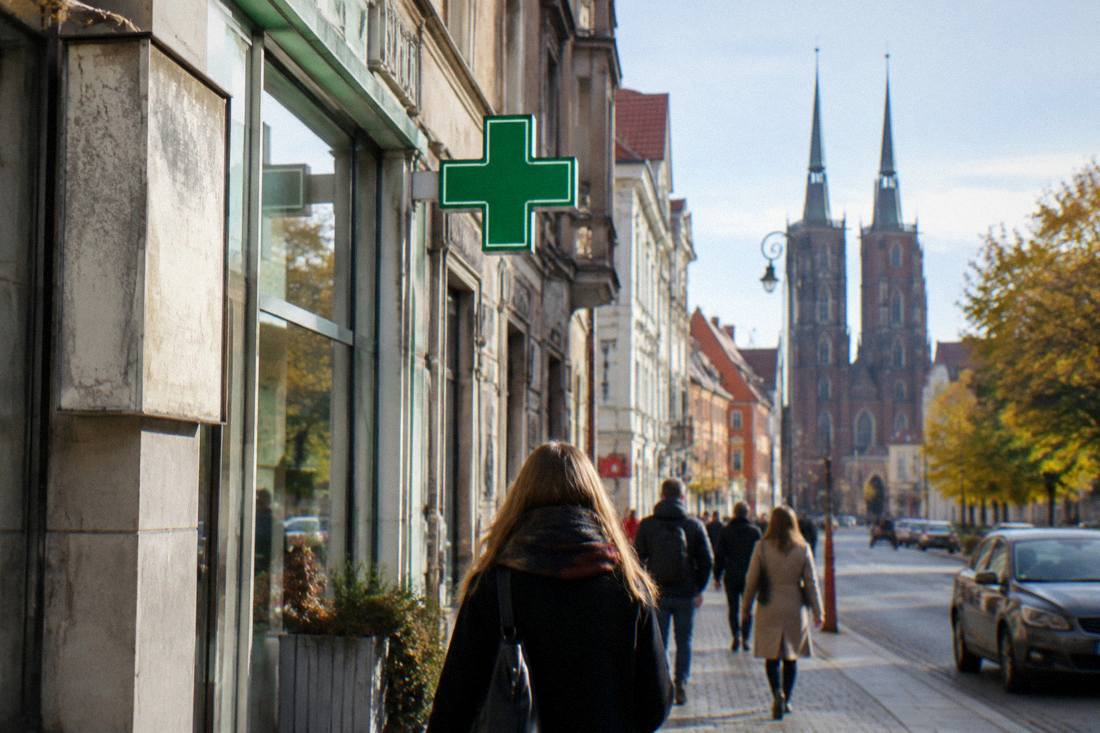
Poland's EU and Schengen membership means EU visitors travel on their ordinary documents and carry the European Health Insurance Card for state-provided care, with travel insurance covering the rest; non-EU visitors should carry insurance and passport separately, with a photocograph stored online. Pharmacies (apteka) are marked with a green or red cross and cluster around the Rynek, and the main hospital emergency departments are signposted across the city.
Two closing planning notes tie safety to the rest of the site. First, weather drives more genuine safety variation in Wroclaw than anything else: winter ice underfoot, summer heat on exposed river islands, and the event-crowd surges listed in the Wroclaw events calendar. The best time to visit Wroclaw page helps you pick the season that matches your comfort. Second, budget honestly, because financial stress is the quietest safety risk on any trip: the Wroclaw trip cost breakdown puts real planning numbers on a visit. Wroclaw, in short, is a city where the biggest safety decision is which riverside path to walk home along, and that is exactly how a destination this size should feel.
Whichever way you book, the same safety logic applies: a guide handles the route, the timing and the transport questions, and you handle the enjoying. The trio above collects the dwarf walk, the mountain day and the two Peace Churches into one place for comparison.
Common Questions About Safety In Wroclaw
Is Wroclaw safe?
By the standards visitors apply to Central European cities of its size, yes. Wroclaw's realistic risks are pickpocketing in crowds, late-night alcohol areas and ordinary road safety, not violent crime aimed at tourists. No crime statistic was sourced for this guide, so this answer rests on the city's structure: a compact, busy, walkable center in an EU member state, with 112 available for emergencies.
Is Wroclaw safe to walk around at night?
Within the central area, yes: the Rynek to Swidnicka Street corridor and the main riverside routes stay lit and populated late, largely because of the student population. The quieter stretches are Ostrow Tumski's side lanes and the outer island paths, which are better at dusk than at midnight. Move on main routes, and use a licensed taxi rank or a ride app for the ride back.
Is Wroclaw safe for solo female travelers?
Wroclaw is a regular destination on solo itineraries, and the practical advice is the same as for any city: book accommodation within walking distance of the center, keep the hotel's card with you, stay on populated streets late, and use licensed transport. The site's Wroclaw for solo travelers page covers the social and practical side in detail.
Is Wroclaw tap water safe to drink?
The dedicated is tap water safe in Wroclaw page carries the full answer for this city.
What is the emergency number in Wroclaw?
112, the EU-wide emergency number, which works in Poland for police, ambulance and fire and has English-speaking dispatch.
Are there dangerous areas in Wroclaw?
No district in Wroclaw carries a sourced warning against visiting. The areas needing ordinary big-city care are the main station surroundings and the late-night bar streets on weekends; Nadodrze's creative quarter is best visited by daylight. Outlying districts are ordinary residential neighborhoods.