Wroclaw Accessibility Guide
Wroclaw, the largest city in Lower Silesia in southwestern Poland, is a compact riverside city of islands, bridges and cobbled squares, and its size works in favor of visitors who travel with a wheelchair, a stroller or slower legs.
Short answer
Wroclaw is a mid-sized, mostly flat city where most headline sights sit within a short distance of each other, but the historic core is cobbled and some museum floors and river islands are uneven. Verified admission prices, hours and transit fares below cover the main stops.
Wroclaw, the largest city in Lower Silesia (Dolnoslaskie voivodeship), sits in southwestern Poland on the Odra river, home to 672,601 people as of 31 December 2025 according to GUS, Statistics Poland. It is a city built across a dozen river islands, which means bridges everywhere, and the trade-off is real: the center rewards slow, flexible travel, and it punishes rigid itineraries. For anyone planning a trip here with a wheelchair, limited mobility, a stroller or simply tired knees, the honest starting point is that Wroclaw is smaller and flatter than Krakow or Warsaw, so distances are short, but the surfaces in the historic core are old, cobbled and uneven in patches.
This guide sticks to what can be verified: official ticket prices, published opening hours, the city's own fare table, and IMGW's 1991-2020 climate normals for the Wroclaw station. Where an accessibility feature has not been independently confirmed on an official source, this page says so and tells you to check with the venue before you go, rather than inventing a ramp or a lift.
Is Wroclaw A Good City For Accessible Travel?
Yes, with realistic expectations: Wroclaw's center is compact, river-flat and walkable at a slow pace, most major museums publish clear admission and hours information, and a 15-minute transit ticket costs 4.60 zl, so rest stops are cheap to reach. The catch is the Old Town's cobbles, older bridges and island paths, which are uneven in places and demand sturdy wheels and a relaxed schedule.
The single biggest factor in Wroclaw's favor is scale. The Rynek, the main market square, the cathedral island of Ostrow Tumski and the National Museum cluster all sit within a gentle stroll of one another. Nothing in the core requires covering the kind of ground that Warsaw or Berlin demand. Krakow is the larger city, with 816,614 residents to Wroclaw's 672,601 as of 31 December 2025 per GUS, and it also has the larger main square; Wroclaw's Rynek measures roughly 3.64-3.79 hectares against Krakow's roughly 4, so think of Wroclaw as the more contained of the two.
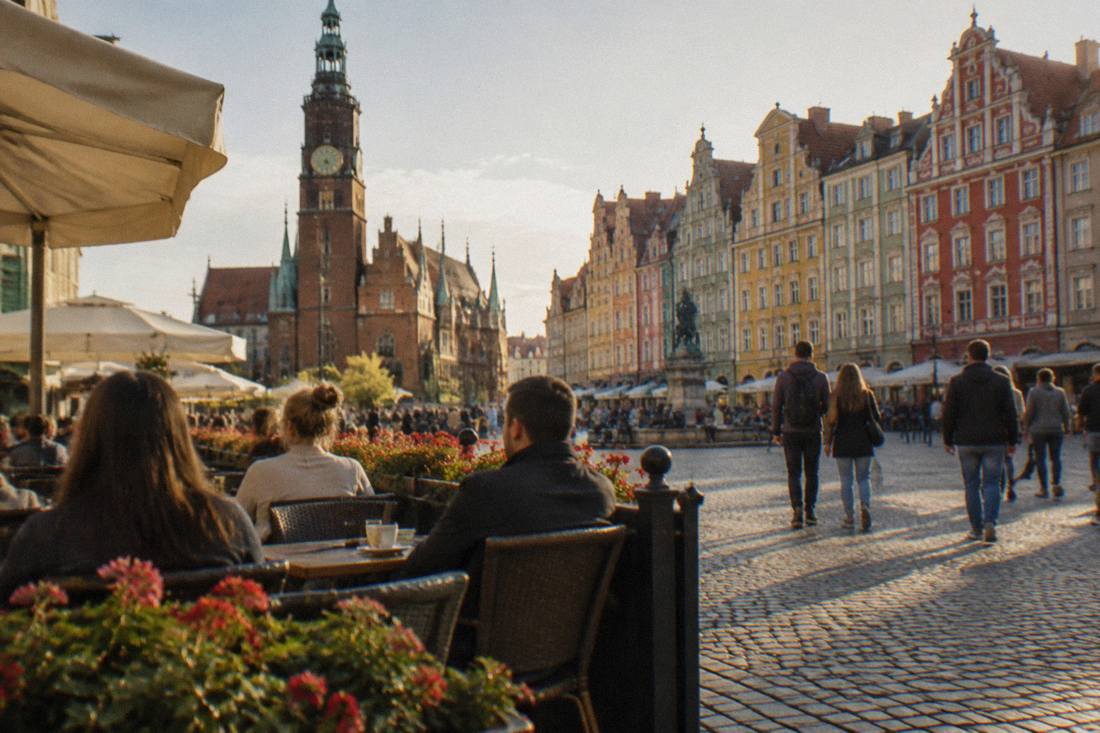
The honest caveat is surface quality. The Rynek and the lanes around it are paved in historic stone, which photographs beautifully and rides badly. Powered wheelchairs with larger front casters handle it better than small-wheeled manual chairs. Rain makes the polished stones slick, and IMGW's normals put July precipitation at 91.4 mm and May at 59.6 mm, so summer showers are part of the plan, not an exception. A covered backup or two, like Panorama Raclawicka or the National Museum, belongs on any mobility-conscious itinerary; the rainy day itinerary for Wroclaw thinking carries over.
Bench coverage around the main sights is generous in the Rynek itself and sparser along the river islands. Plan routes around a sit-down every 15 or 20 minutes in warm weather, because IMGW's normals show a July mean of 19.7C and an annual mean of 9.7C, and heat plus cobbles is the combination that drains slow walkers fastest.
Which Parts Of Central Wroclaw Are Easiest To Walk Or Wheel?
The Rynek's central square, the modern shopping streets around it, and the riverside promenades near Slodowa Island are the flattest, most forgiving ground in the center, while Ostrow Tumski, the cathedral island, involves older paving and a climb up to the cathedral entrance. The market square area is the natural base for any accessible route.
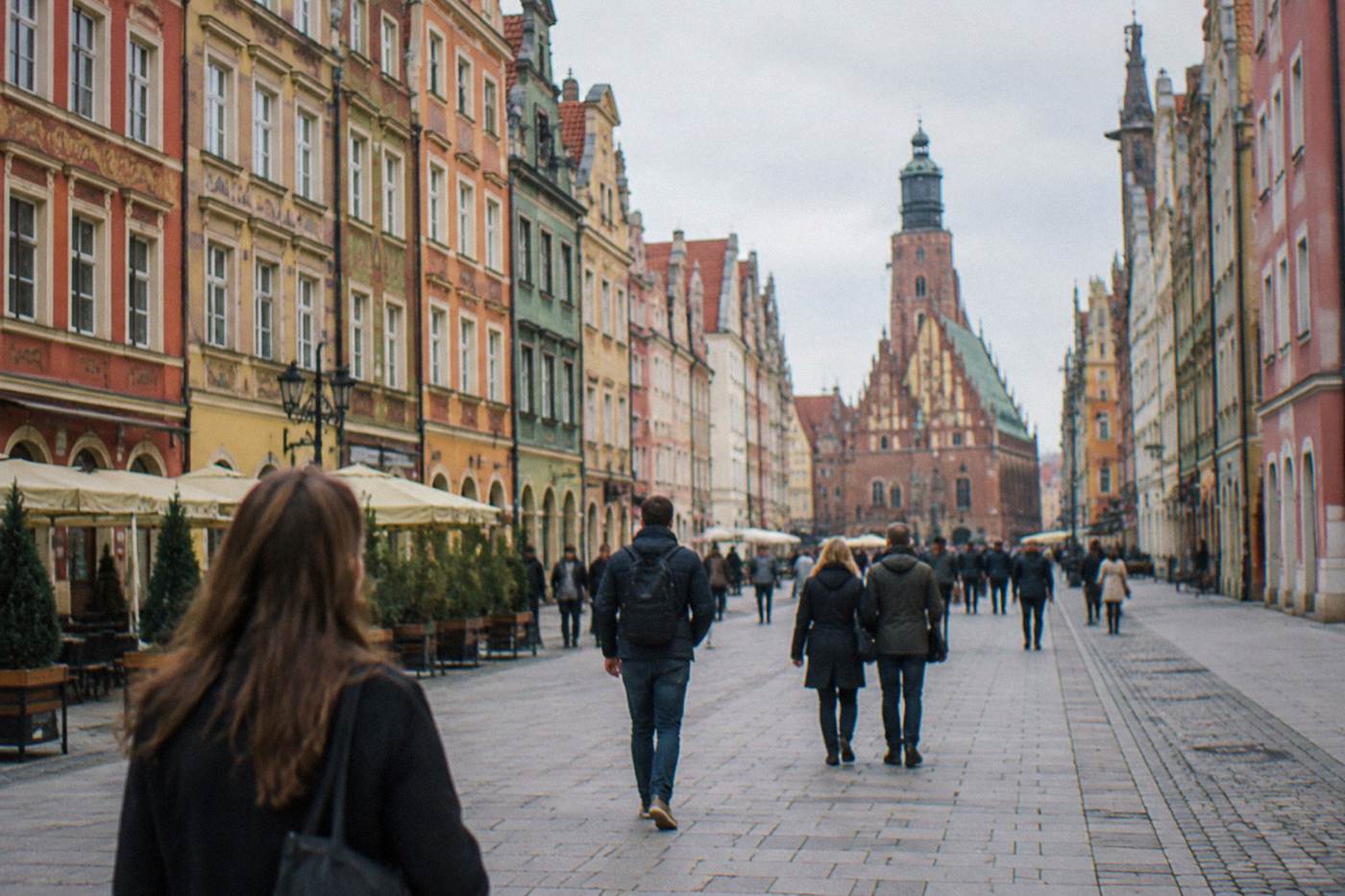
Start at the Rynek. The open center of the square is level stone, ringed by townhouses and the ground-floor cafes and restaurants covered in our Wroclaw restaurant guide. From there, the streets leading east and west vary: some have been repaved smooth, others keep their historic cobbles. There is no published, official step-free map of the Old Town lanes, so treat each side street as unknown until you see it, and stay on the square if the day's energy budget is short.
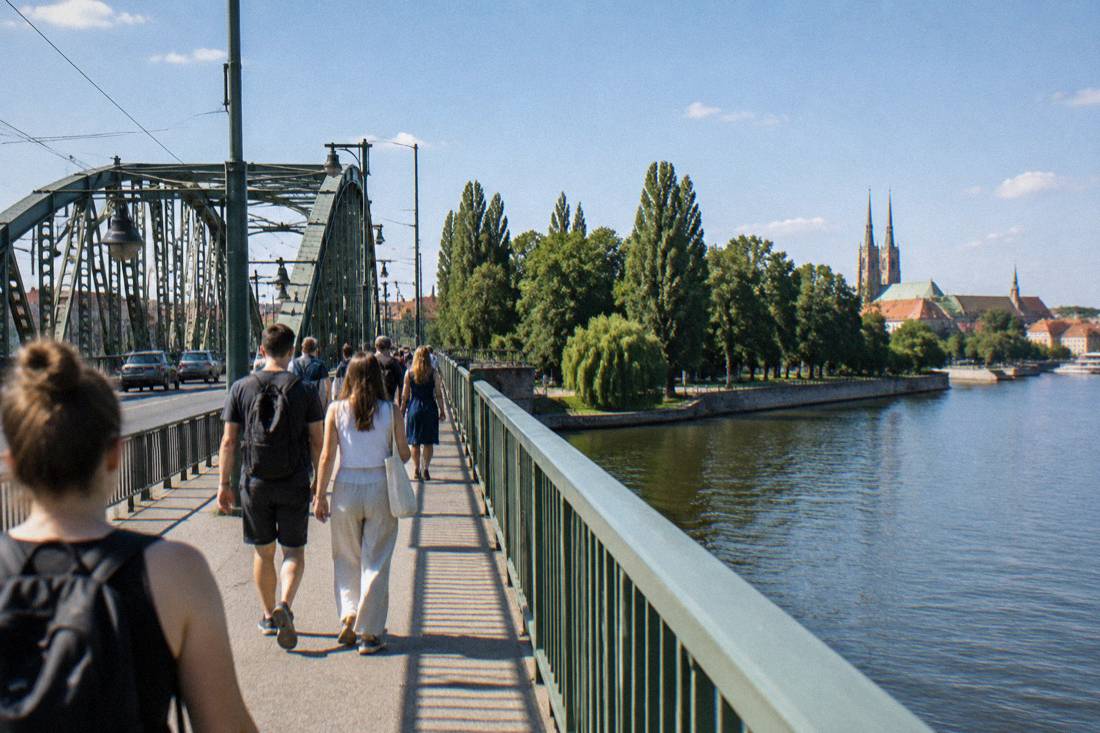
The islands are the next tier of effort. Slodowa Island, reached by pedestrian bridges, is a favorite open-air hangout with riverside banks; the paths are mostly level, but the bridges and the grassy edges mix surfaces. Ostrow Tumski, the cathedral island to the north, is the oldest part of the city. Its lanes are quieter and often smoother than the Rynek's side streets, but the cathedral sits above street level and the approach involves steps or ramps depending on entrance; no official statement of a step-free cathedral entrance was verified on a primary source, so confirm with the parish before planning an interior visit.
Two practical anchors make the center manageable. First, the getting around Wroclaw guide covers trams and buses in depth, and the city's network means a tired traveler rarely has to push more than a few hundred meters to the next stop. Second, a guided tour can convert a hard day into a paced one: a Segway tour of the Old Town and Ostrow Tumski covers both without the walking, and the listing carries its own details on weight and ability requirements.
For travelers who prefer two wheels to no wheels, an English-language bike tour is another low-strain way to cover the islands and the riverside, again with terms listed on the operator's live listing rather than guessed here. Whatever the mode, build the day around the Rynek as home base: every accessible cafe, every tram stop and every covered museum radiates out from it.
What Do Wroclaw's Main Attractions Cost, And When Are They Open?
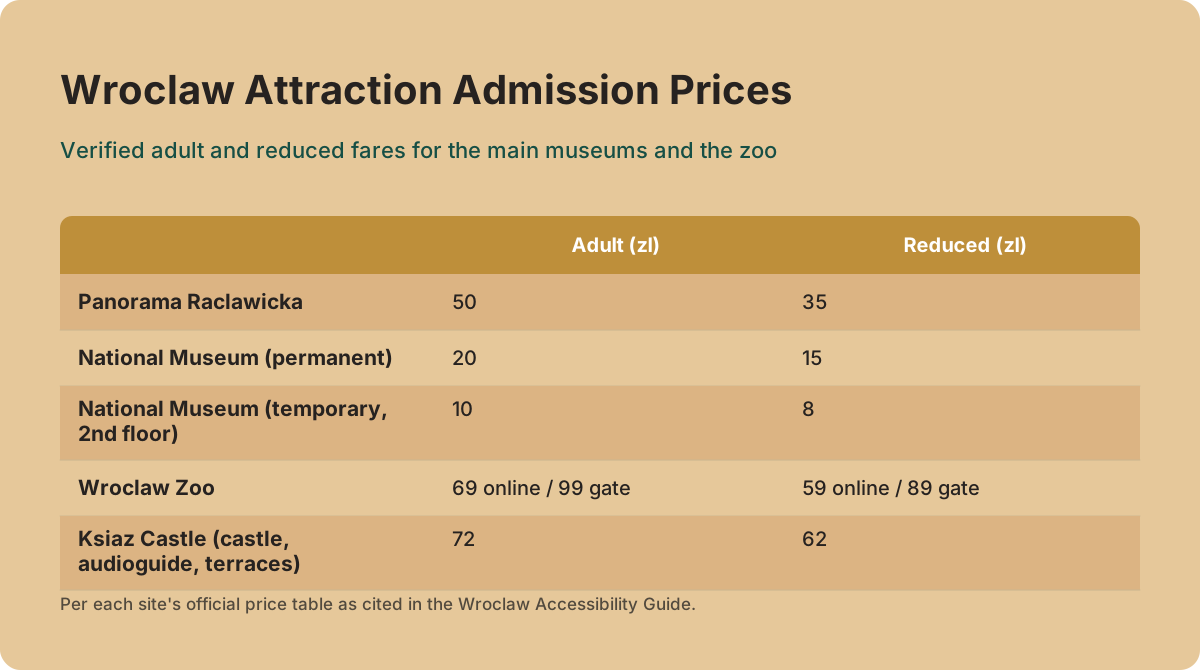
The verified headline prices are: Panorama Raclawicka 50 zl adult, 35 zl reduced; the National Museum 20 zl adult, 15 zl reduced, free every Saturday; the zoo 69 zl online or 99 zl at the gate for adults, with the Afrykarium aquarium included in the standard ticket. Each site publishes its own hours, and the tables below carry them exactly as the official pages state them.
Price transparency is one of Wroclaw's quiet strengths for planners. The big four indoor or mostly-indoor attractions all publish current tariffs on their own sites, and one of them, the National Museum, is free to permanent exhibitions every Saturday, which is a genuine accessibility win for budget and crowd planning alike.
| Attraction | Adult (zl) | Reduced (zl) | Other verified rows |
|---|---|---|---|
| Panorama Raclawicka | 50 | 35 | Family 35 zl per person, group-guide 10 zl |
| National Museum (permanent) | 20 | 15 | Group and family 10 zl, students/pupils 3 zl, under-26 "Museum for a zloty" 1 zl, under 7 free |
| National Museum (temporary, 2nd floor) | 10 | 8 | Same site tariff |
| Wroclaw Zoo | 69 online / 99 gate | 59 online / 89 gate | Zoo + Safari Ride add-on 107 / 93 zl |
| Ksiaz Castle (castle, audioguide, terraces) | 72 | 62 | All Day Ticket 104 / 94 zl |
The Panorama Raclawicka deserves special mention. The 30-minute screening of the giant battle painting is seated viewing in a purpose-built rotunda, and one ticket also covers the National Museum's permanent exhibitions, the Ethnographic Museum and the Four Domes Pavilion within three months of the visit date, per the museum's own information page. That bundle alone can anchor a multi-day, low-exertion museum itinerary.
| Site | Winter hours | Summer hours | Closed |
|---|---|---|---|
| Panorama Raclawicka | Tue-Fri 9:30-16:00, Sat 9:30-17:00, Sun 9:30-16:00 | Daily 8:30-19:00 | Mondays (1 Nov-31 Mar) |
| National Museum | Tue-Fri 10:00-16:00, Sat-Sun 10:00-17:00 | Tue-Fri 10:00-17:00, Sat-Sun 10:30-18:00 | Mondays (year-round) |
The zoo's own hours are seasonal and worth a table of their own, because they shift four times a year and the park is a full day out.
| Period | Mon-Thu | Fri, Sat, Sun and holidays |
|---|---|---|
| April-September | 9:00-18:00 | 9:00-19:00 |
| March and October | 9:00-17:00 | 9:00-18:00 |
| November-December | 9:00-16:00 | 9:00-16:00 (24 and 31 Dec 9:00-14:00) |
| January-February | 9:00-16:00 | 9:00-16:00 (1 Jan opens 11:00) |
The zoo's own price table makes one thing unambiguous: a standard ticket, online or at the gate, also covers the Afrykarium, the ocean-building highlight. There is no separate aquarium charge, so no accessibility plan needs to budget for one.
One structural note for anyone weighing a guide: the museum-heavy center rewards a tour that sets the pace, and a private "top attractions" walk can be arranged around rest stops and entrance choices you agree with the operator in advance, with terms and current availability on the live listing.
How Accessible Is Wroclaw Public Transport?
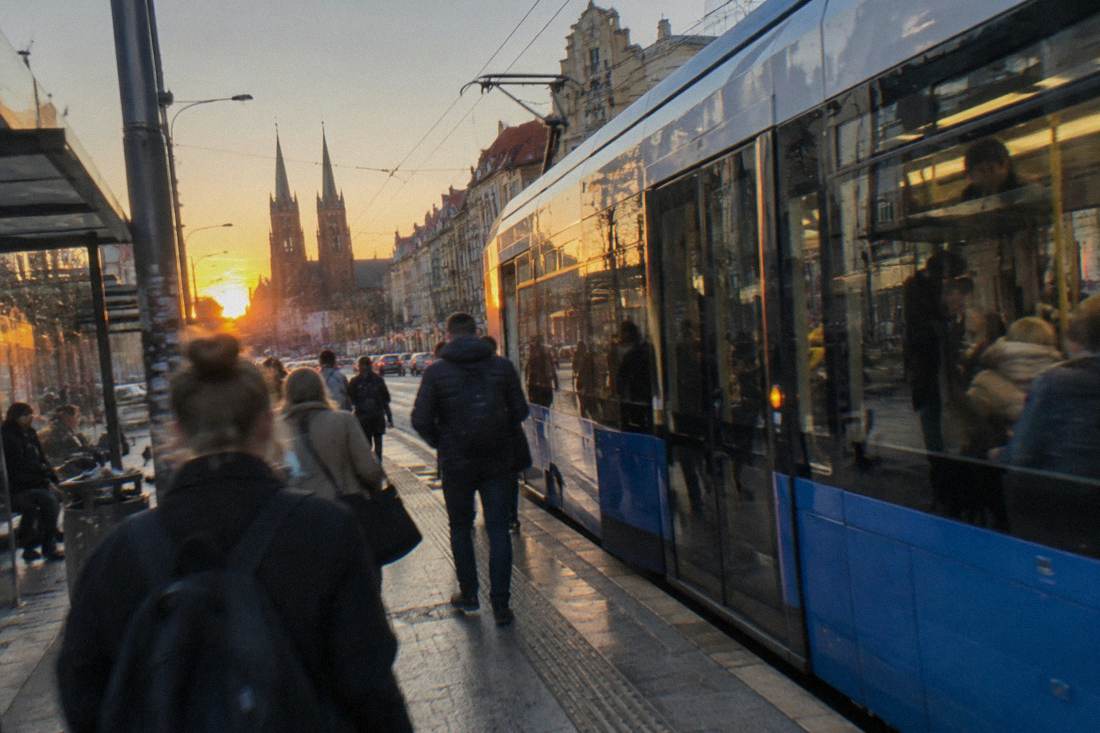
Wroclaw's trams and buses run on a fare table that starts at 4.60 zl for a 15-minute single (2.30 zl reduced) and rises through 7.00 zl for 30 minutes to multi-day tiers, per the city's official ticket page, which makes hopping between rest stops genuinely cheap. Low-floor rolling stock is standard on modern tram lines, though no official per-line accessibility statement was verified, so confirm specific routes with the operator before relying on one.
The fare structure matters more for accessible travel than it first appears. A traveler who walks slowly can treat a tram as a moving bench: ride two stops, rest, ride two more. The city's official price guide lists the tiers by duration, and the verified rows are below. Other pages covering the same trip are gathered on Wroclaw Travel Guide.
| Ticket tier | Normal (zl) | Reduced (zl) |
|---|---|---|
| 15-minute | 4.60 | 2.30 |
| 30-minute | 7.00 | 3.50 |
| 24-hour city ticket | 15.00 | 7.50 |
| Multi-day tiers listed on the city page | 26.00 / 32.00 / 54.00 | 13.00 / 16.00 / 27.00 |
Two honest warnings sit alongside that table. First, there is no all-inclusive Go City-style tourist pass currently sold for Wroclaw; the UrbanCard is a transport-focused fare card with resident discounts, and no verified source describes it as covering museum or attraction admission. Anyone promising a Wroclaw sightseeing pass that includes the Panorama or the zoo is promising something that is not on the market. Second, the historic core's tram stops include older platforms; no official platform-by-platform step-free list could be confirmed, so check specific stops with the transit operator's own channels when a step-free boarding point is required.
For arrivals, the Wroclaw airport guide covers the air side of the trip, and the airport itself is straightforward: 4,473,945 passengers passed through in 2024 per its own release, and after a temporary full closure for a renovation that ran 26 October to 4 December 2025, the works finished ahead of schedule in September 2026 and the airport has been open and setting records since. An "airport closed" rumor circulating from that period is out of date; the airport is open today.
Which Day Trips From Wroclaw Work For Limited Mobility?
The two standout day trips for slower travelers are Ksiaz Castle, 72 zl for the castle with audioguide and terraces, and the Church of Peace in Swidnica at 18 zl adult, both reachable by organized tours from Wroclaw, which handle the awkward last-mile connections by road. Independent rail access to the castle area is commonly done by regional train to Walbrzych plus a bus or taxi connection, and no verified timetable figure for that leg exists to publish here.
Ksiaz Castle is Lower Silesia's headline fortress, owned by the Walbrzych municipality and operated by its municipal company, and its 6 May 2026 tariff is unusually granular, which helps a planner pick exactly the right bundle without buying stairs they cannot use.
| Ksiaz Castle ticket | Adult (zl) | Reduced (zl) |
|---|---|---|
| Castle + audioguide + terraces | 72.00 | 62.00 |
| Castle + terraces + underground tour | 92.00 | 82.00 |
| Castle + terraces + stud farm | 79.00 | 69.00 |
| All Day Ticket (castle, terraces, underground, Palm House, stud farm, mausoleum) | 104.00 | 94.00 |
| Underground tour alone | 45.00 | 39.00 |
| Mausoleum alone (open 1 Apr-15 Oct) | 13.00 | 8.00 |
| Palm House alone | 27.00 | 21.00 |
The critical mobility note is in the castle's own rules: the terraces, the outdoor highlight, open only from 15 April to 30 September. A shoulder-season visitor buying the 72 zl ticket in, say, March is paying for interiors and audioguide, not the terrace views. Hours in the April-September season run Mon-Fri 9:00-18:00 and weekends 9:00-19:00 for both the castle interiors and the Palm House.
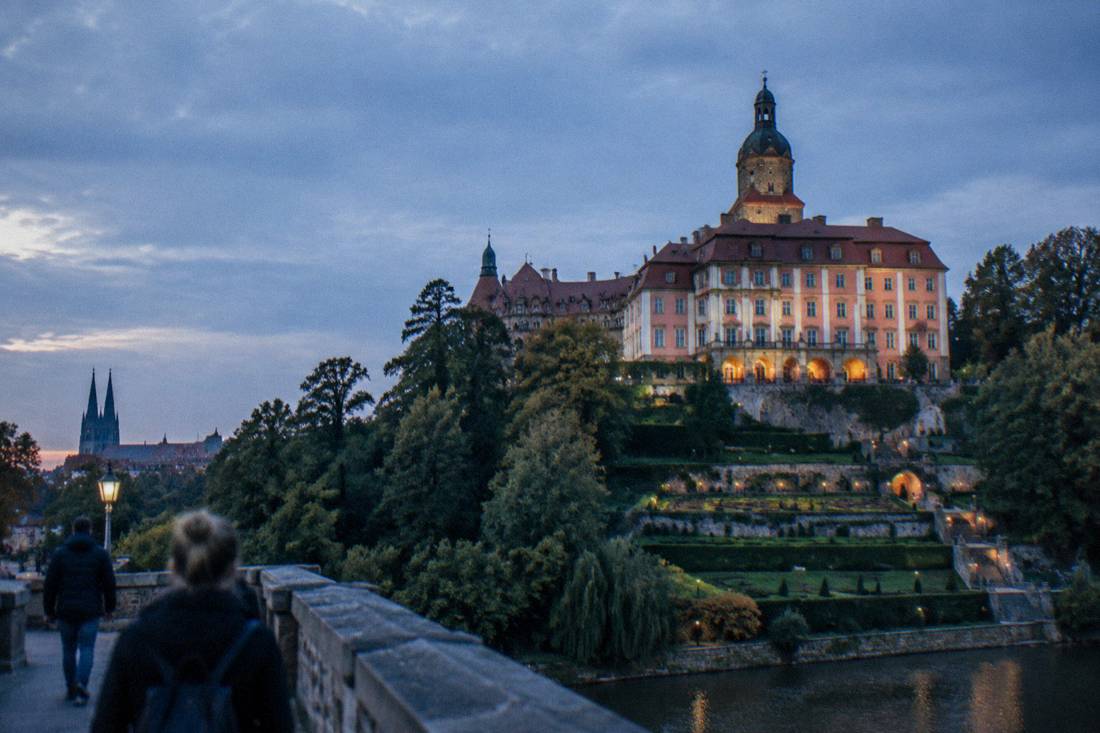
The Church of Peace in Swidnica is the other verified day-trip stop: adult 18 zl, reduced 15 zl, children and youth 10 zl, family ticket 45 zl. It has been UNESCO-listed since 2001 under the "Churches of Peace in Jawor and Swidnica" inscription. Its timber interior is one of the most extraordinary rooms in Poland, and unlike the castle it is a single building, which makes for a much shorter visit on a low-energy day.
Because the castle sits outside Walbrzych with no confirmed direct-rail service, the practical accessible answer is the tour bus. A private Project Riese and Ksiaz Castle tour runs the whole day door-to-door, and the tour's own listing states current inclusions; the same goes for combined Ksiaz and Swidnica itineraries. For travelers who cannot face a seven-hour day, the comparison guides to Krakow from Wroclaw and Warsaw matter less here than honest pacing: pick one headline site per day.
When Is The Best Time To Visit Wroclaw For Comfortable Mobility?
Late April, May, September and early October are the kindest months for slow travel in Wroclaw: IMGW's 1991-2020 normals for the Wroclaw station show means of 9.7C in April, 14.3C in May, 14.5C in September and 9.6C in October, with precipitation lower than the summer peak of 91.4 mm in July, so cobbles are drier and heat is mild.
The full normals table tells the story better than any summary. Rain, not cold, is the mobility problem in Wroclaw: wet stone on the Rynek is the main hazard a planner can actually predict.
| Month | Mean temperature (C) | Precipitation (mm) |
|---|---|---|
| Jan | 0.0 | 28.3 |
| Feb | 1.1 | 25.6 |
| Mar | 4.3 | 35.0 |
| Apr | 9.7 | 31.2 |
| May | 14.3 | 59.6 |
| Jun | 17.7 | 65.4 |
| Jul | 19.7 | 91.4 |
| Aug | 19.3 | 59.5 |
| Sep | 14.5 | 48.4 |
| Oct | 9.6 | 37.6 |
| Nov | 4.8 | 31.4 |
| Dec | 1.1 | 27.9 |
July is the warmest month at a 19.7C mean and January the coldest at 0.0C, with an annual mean of 9.7C. Those are moderate numbers by European standards, and IMGW's table puts Wroclaw's January among the mildest of Poland's major synoptic stations, so winter travel is not off the table; it simply trades heat risk for ice risk on the same cobbles. The deeper month-by-month picture, including what is open and when, lives in the Wroclaw weather by month guide and the best time to visit Wroclaw pages.
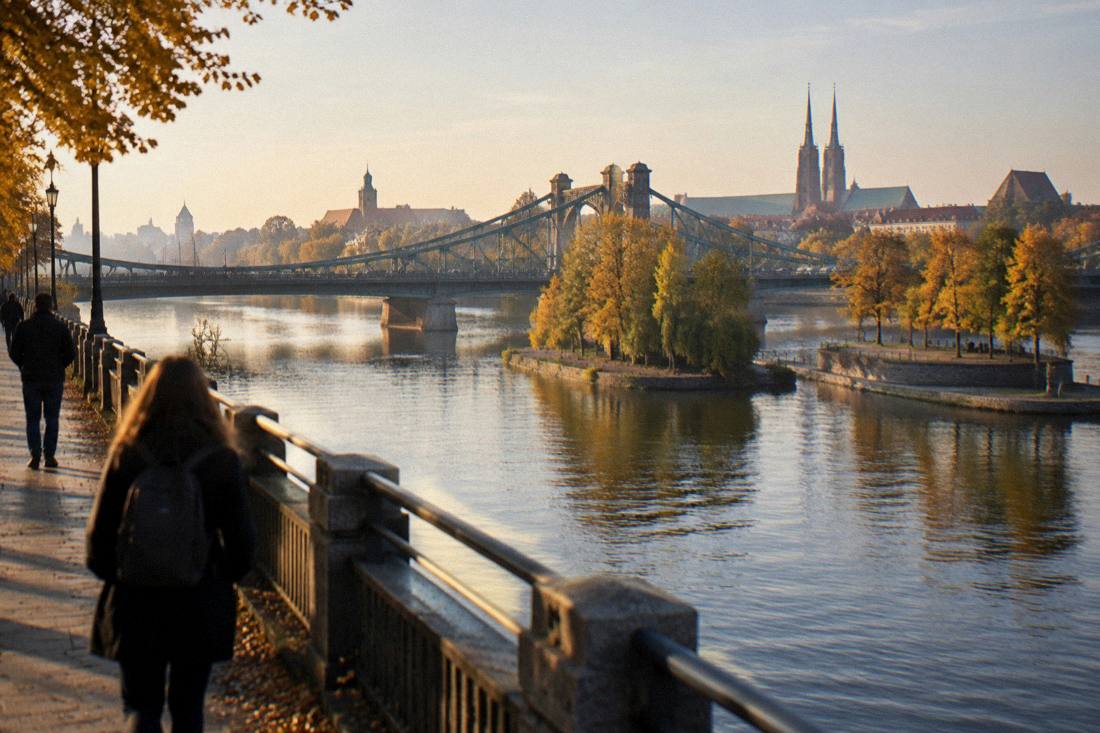
One seasonal wrinkle worth planning around: December's market season draws heavy crowds onto the very square that is easiest to navigate when empty. The Wroclaw Christmas market guide covers the season in detail; for a mobility-conscious traveler, the honest advice is to visit the market early in the day, before the evening crush. Summer brings its own rhythm, and the festival calendar can mean closed streets or big stages in places you had planned to roll through.
Guided Tours In Wroclaw That Suit Families And Slower Groups
A guided tour is often the single most effective accessibility tool in Wroclaw, because a good guide controls the pace, the route and the rest stops, and the roster here includes a two-hour tour designed specifically for children, a private top-attractions walk, and day-trip tours with road transport included. Booking terms, current prices and cancellation rules all live on each operator's live listing, not on this page.
The children's tour deserves the first mention because its design brief, families with kids, is the same brief that serves slower adults: short duration, flexible stops, no forced marches. It runs at a relaxed pace, and families with a member who tires quickly can read the exact terms and current availability on the listing. Check availability
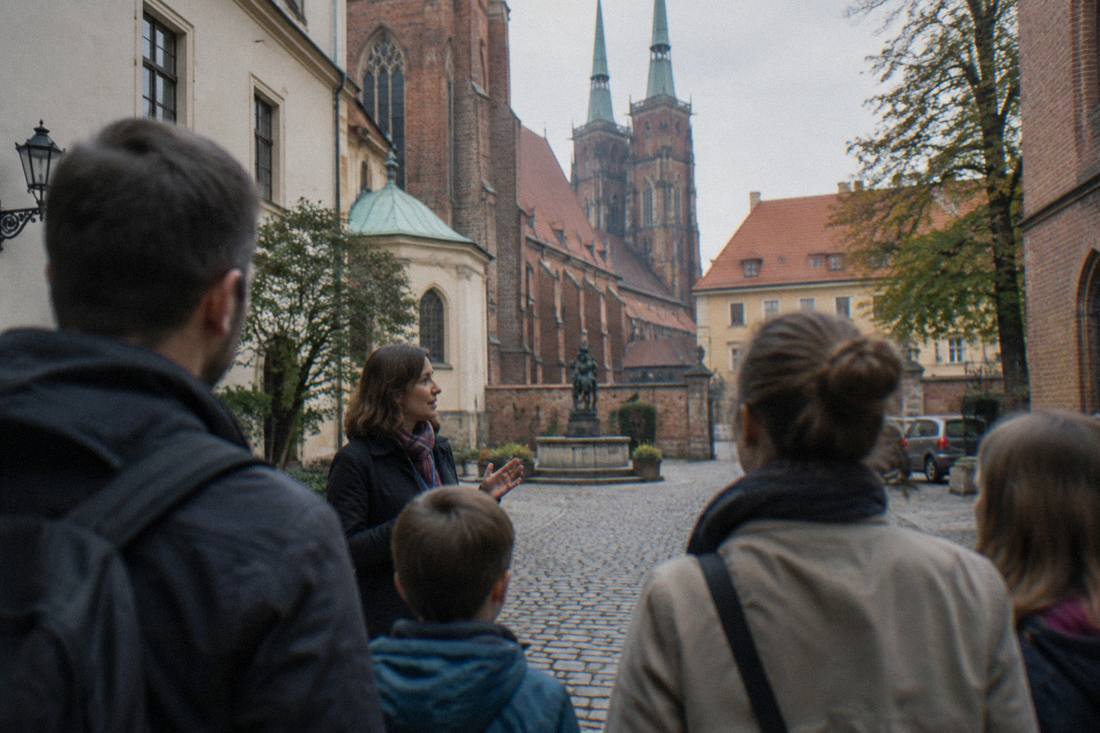
Beyond it, the same logic applies across the roster. Private tours, from a short private Old Town walk to a full private top-attractions itinerary, let you set the distance. The free, tip-based GuruWalk walks, including the highly rated Old Town walk by Walkative and a free Old Town and Cathedral Island tour, move at a group pace and cost nothing but the tip, which makes them a low-commitment way to test your daily range before paying for anything; their names and platforms are printed on their listings, and they never appear with a price tag on this site. The best walking tours in Wroclaw guide families often pair with the transport primer covers how the paid and free options compare.
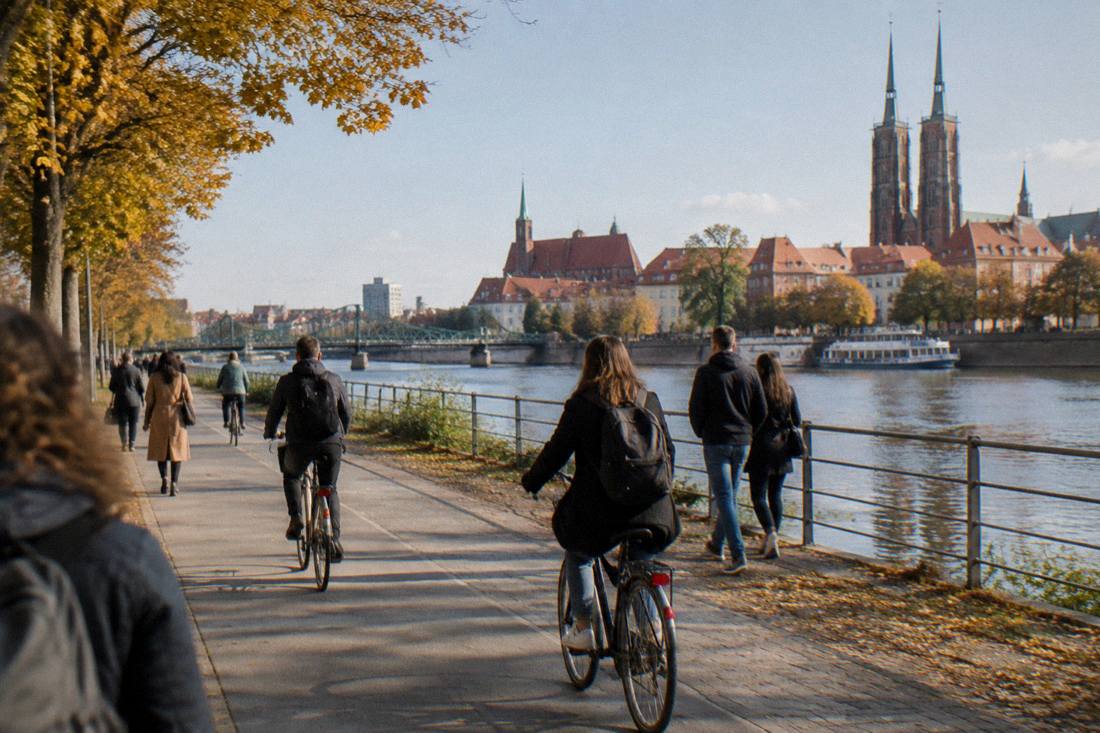
For overnight planning, the where to stay in Wroclaw guide is the base to build on, since an accessible trip lives or dies on how close the bed is to the tram and the square. Budget travelers can cross-check the realistic cost of a Wroclaw day in the Wroclaw trip cost guide.
Common Questions About Accessible Travel In Wroclaw
Is Wroclaw Old Town wheelchair accessible?
The main market square's open center is level stone and manageable for most wheelchair users, while the surrounding lanes are cobbled and vary block by block. No official step-free map of the Old Town was verified on a primary source, so treat side streets as unconfirmed and plan the Rynek as the home base.
Is there a tourist pass in Wroclaw that covers attractions?
No. There is no all-inclusive city sightseeing pass currently sold for Wroclaw. UrbanCard is a transport-focused fare card with resident discounts, and no verified source describes it as covering museum or zoo admission. Attraction tickets are bought individually at the verified prices in this guide.
Which Wroclaw museums are free?
The National Museum's permanent exhibitions are free every Saturday, per the museum's own practical-information page. Children under 7 enter free, and under-26 students and pupils can use the 1 zl "Museum for a zloty" ticket.
Is the Panorama Raclawicka a seated attraction?
Yes, the 30-minute viewing of the panorama painting is a seated screening in a purpose-built rotunda, and a single 50 zl adult ticket also covers the National Museum's permanent exhibitions, the Ethnographic Museum and the Four Domes Pavilion within three months of the visit.
Are Ksiaz Castle's terraces open all year?
No. The castle's own tariff states the terraces open only from 15 April to 30 September, so the 72 zl castle ticket buys interiors and audioguide outside that window. Mausoleum tickets run 1 April to 15 October.
How much does a tram ticket in Wroclaw cost?
The city's official price guide lists a 15-minute ticket at 4.60 zl normal and 2.30 zl reduced, a 30-minute ticket at 7.00 and 3.50 zl, and multi-day tiers at 26/13, 32/16 and 54/27 zl.
Wroclaw rewards travelers who plan around its real shape: a compact, flat center with old stones underfoot, museums that publish their prices honestly, a transit system cheap enough to use as a rest strategy, and guided options that hand the pacing to someone else. Build the day around the Rynek, buy the Saturday museums free, keep the castle terraces to the 15 April-30 September window, and the city opens up at whatever speed suits you.