Wroclaw Vs Krakow: Which Polish City Should You Visit?
Wroclaw and Krakow are Poland's two most compared city breaks, and the honest answer is that Krakow is the bigger city with the bigger medieval square, while Wroclaw answers with islands, dwarfs and fewer crowds at the same prices.
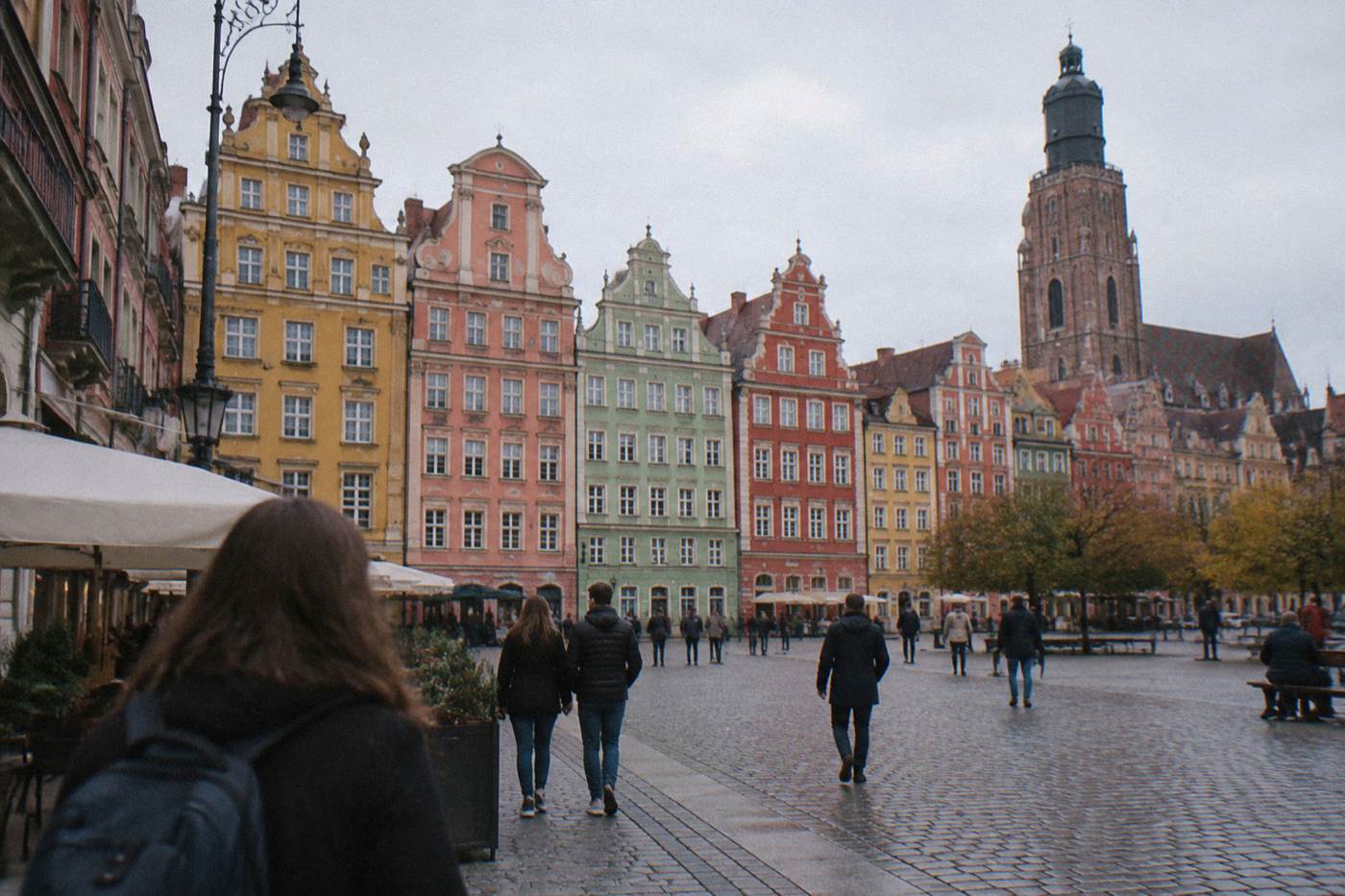
Short answer
Krakow is bigger (816,614 vs 672,601 residents) and its Rynek Glowny is Europe's largest medieval square, but Wroclaw matches it on museums, food and price while staying easier to walk end to end. Many travelers do both: they are on the same PKP Intercity rail line.
Wroclaw, the largest city in Lower Silesia in southwestern Poland, gets compared to Krakow more than to any other city, and the comparison is worth taking seriously rather than settling with a shrug. GUS/Statistics Poland data from 31 December 2025 puts Krakow clearly ahead on population, at 816,614 residents against Wroclaw's 672,601, and Krakow's Rynek Glowny is the larger of the two main squares by roughly a fifth of a hectare. That is the honest starting point, and this site is based in Wroclaw, so the honesty matters twice over: there is no credit to be earned here by overstating the home team. What follows is the fuller picture: costs, museums, food, weather, transport between the two, and who each city genuinely suits, all drawn from the same figures this site uses everywhere else.
Which City Is Bigger, Wroclaw Or Krakow?
Krakow is the bigger city on every count that matters: 816,614 residents against Wroclaw's 672,601, both figures from GUS/Statistics Poland as of 31 December 2025. Krakow also has the larger main market square and the heavier international tourism volume, while Wroclaw remains the largest city in Lower Silesia and one of Poland's major city-break destinations in its own right.
The numbers come straight from the two regional statistics offices, and they settle the "which is bigger" argument cleanly. Wroclaw's 672,601 residents make it one of Poland's largest cities, but Krakow's 816,614 puts it well ahead, and the gap has not closed in recent years. Anyone telling you Wroclaw has overtaken Krakow, or is about to, is repeating a wish rather than a statistic. Both cities sit in the same tier of Polish urban life, but the ordering is stable and it points south.
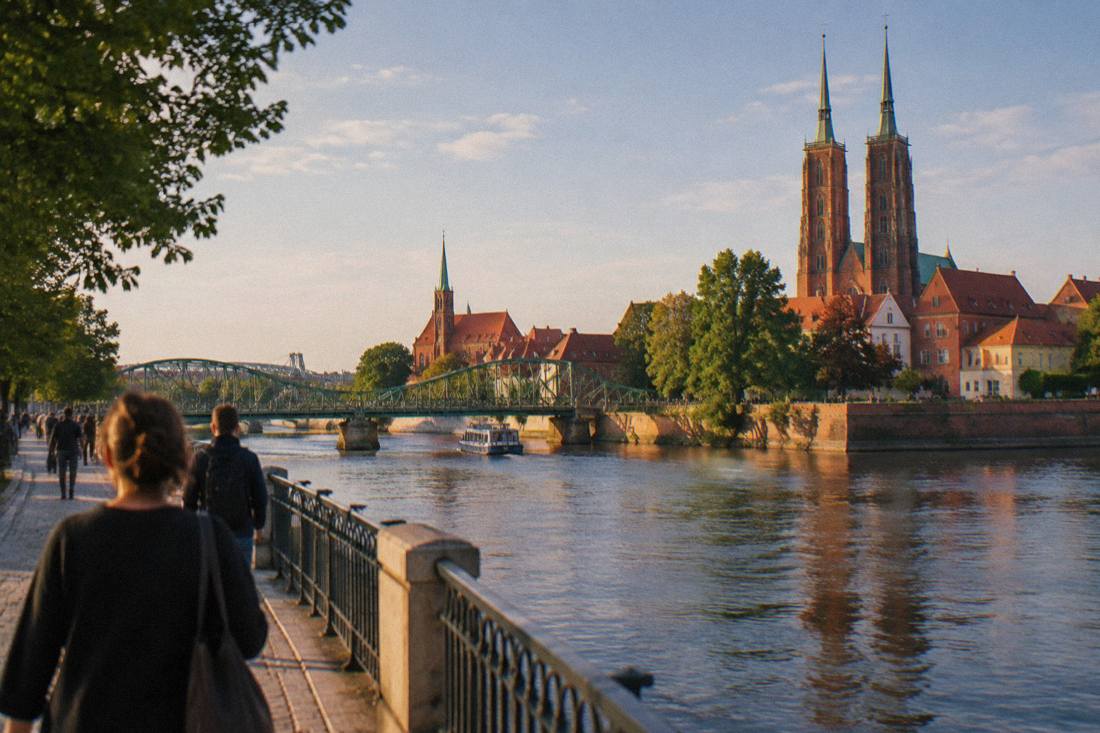
Size is not the same as appeal, though. Wroclaw's compactness is a real advantage once you are on the ground: the Old Town, Cathedral Island and the university quarter sit close enough together that a visitor covers them on foot in a couple of days. Krakow spreads its sights across a wider axis, from the Old Town to Kazimierz to Podgorze, and the walk between them is longer than anything Wroclaw asks of you. A first-time visitor to Wroclaw usually plans less transit and walks more, and that changes the rhythm of a trip in ways no population table can show.
There is also the question of what "bigger" means in practice. Krakow's greater size brings a larger airport catchment, more hotel stock and a deeper roster of day trips within a short radius. Wroclaw's scale brings something different: a city large enough to hold a full week of museums, festivals and eating, but small enough that you stop needing a map by day three. Travelers who like feeling they have "finished" a city tend to leave Wroclaw satisfied, and travelers who like a city that keeps revealing new districts tend to prefer Krakow.
| Measure | Wroclaw | Krakow | Source |
|---|---|---|---|
| Population, 31 Dec 2025 | 672,601 | 816,614 | GUS/Statistics Poland |
| Region | Lower Silesia (Dolnoslaskie) | Lesser Poland (Malopolskie) | administrative |
| River | Odra | Vistula | geographic |
| Main square size | ~3.64-3.79 ha | ~4 ha (200x200 m) | city square data |
For a fuller version of this question, including the population trend behind the gap, see the honest answer on Wroclaw and Krakow's size.
Wroclaw Vs Krakow: How Do The Market Squares Compare?
Krakow's Rynek Glowny is the larger square, roughly 4 hectares at about 200 by 200 meters, and is widely described as the largest medieval town square in Europe; Wroclaw's Rynek is smaller at roughly 3.64 to 3.79 hectares, about 204 by 169 to 170 meters, but is more richly furnished, with a full town hall, a cloth hall and two squares in one. That last part is the detail most comparisons miss.
The claim you will see repeated on half the internet, that Wroclaw's Rynek is the second-largest square in Europe, was not independently confirmed when this site checked, so it does not appear here as fact. What is confirmed is the comparison above, and it favors Krakow on raw size. This site would rather hand Krakow the win plainly than stretch a statistic to keep it, because a comparison page that flatters its home city is worth nothing to a traveler making real plans.
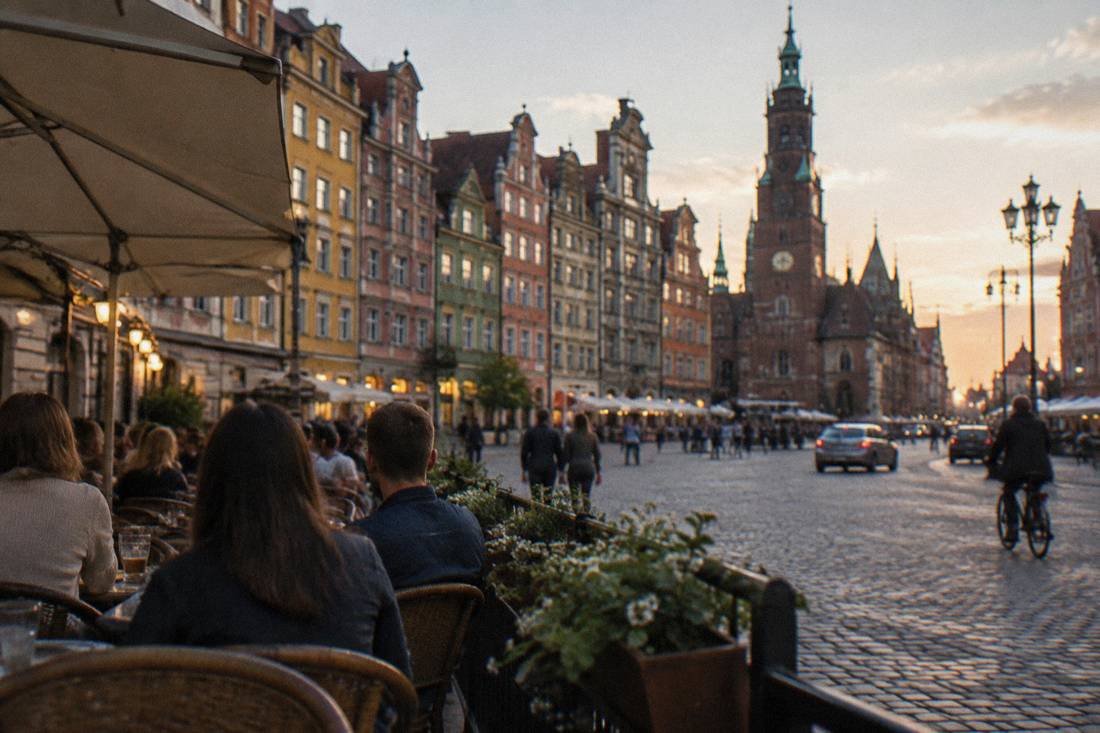
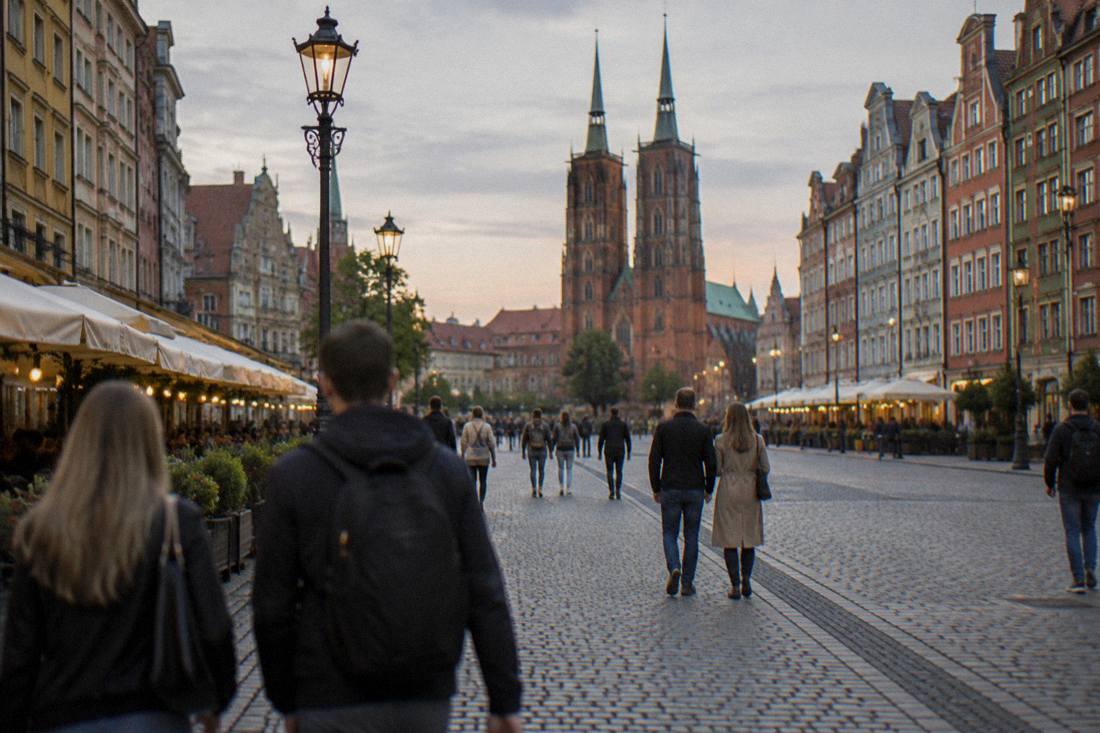
What the raw size does not capture is layout. Wroclaw's Rynek is actually two squares in one, the inner ring of stalls and the outer ring of townhouses, split by a grid of laneways that makes it feel like several small squares stitched together. Krakow's Rynek is a single vast plane with the cloth hall standing in the middle, which reads as grander from the first step but offers fewer corners to discover on a third visit. If your square time is a one-hour stroll with a coffee, both deliver; if it is a slow afternoon of wandering, Wroclaw's laneways keep giving longer.
The buildings matter too. Wroclaw's Rynek carries its Gothic town hall with its astronomical clock, plus the partly reconstructed townhouses that now hold restaurants and cafes on their ground floors. Krakow counters with the cloth hall itself, the twin towers of St. Mary's and the hourly bugle call from them. On architecture alone this round is a genuine contest, and travelers who care about facades rather than floor area often rate Wroclaw's painted townhouses as the more photogenic set, even while conceding the size point.
| Square feature | Wroclaw Rynek | Krakow Rynek Glowny |
|---|---|---|
| Approximate area | 3.64-3.79 ha | ~4 ha |
| Approximate dimensions | ~204 x 169-170 m | ~200 x 200 m |
| Central structure | Town hall and cloth hall | Cloth hall (Sukiennice) |
| Shape | Two squares, inner and outer | One open rectangle |
If your trip is built around the square itself, the Wroclaw market square guide breaks down every building on it, and the same comparison shapes up again in December: the Wroclaw vs Krakow Christmas market question has its own answer page.
Which City Is Cheaper To Visit, Wroclaw Or Krakow?
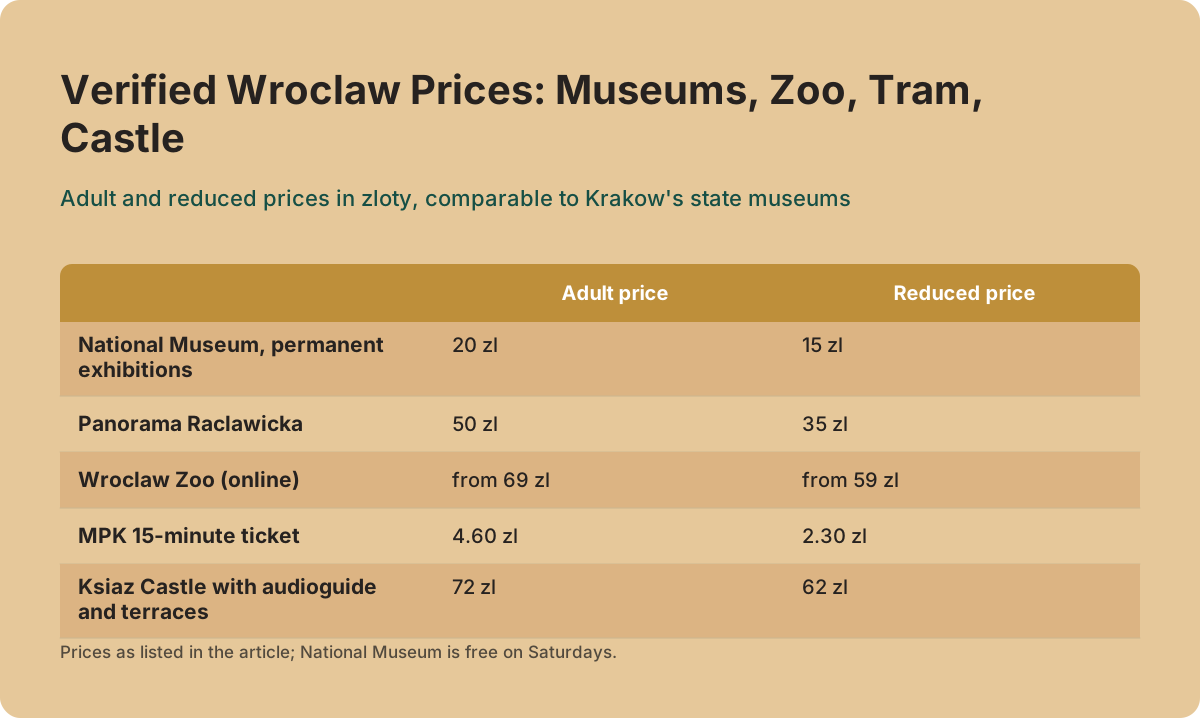
On the figures this site can verify, the two cities cost about the same, because both price their headline museums in the same zloty range: Wroclaw's National Museum charges 20 zl adult and 15 zl reduced with free Saturdays, Panorama Raclawicka is 50 zl adult, and a 15-minute MPK tram ticket is 4.60 zl, all comparable to what Krakow's state museums charge. Neither city is a budget outlier in Poland.
The admission prices below are Wroclaw's, verified on each institution's own pages, and they are the numbers that actually hit your wallet here. Krakow's state-run museums sit in a broadly similar band, which is why travelers rarely notice a cost difference between the two cities on a like-for-like itinerary. Both cities price in the zloty, Poland's currency, since Poland is in the EU and Schengen but keeps its own money, and neither prices in the euro.
One Wroclaw detail deserves special mention because it is unusual: a Panorama Raclawicka ticket also covers the National Museum's permanent exhibitions, the Ethnographic Museum and the Four Domes Pavilion within three months of the visit date. A traveler who plans well can effectively buy four museums for the price of one, and the National Museum's own pricing page adds free entry to permanent exhibitions every Saturday. Krakow has nothing quite like that combination ticket among its headline institutions, and it is one of the few cost points where Wroclaw genuinely wins the comparison.
| Wroclaw item | Adult price | Reduced price |
|---|---|---|
| National Museum, permanent exhibitions | 20 zl | 15 zl |
| Panorama Raclawicka | 50 zl | 35 zl |
| Wroclaw Zoo (online) | from 69 zl | from 59 zl |
| MPK 15-minute ticket | 4.60 zl | 2.30 zl |
| Ksiaz Castle with audioguide and terraces | 72 zl | 62 zl |
Where the two cities genuinely diverge is not price but crowds and queueing. Krakow's Old Town absorbs a much larger share of Poland's incoming tourism, so the same money buys a calmer experience in Wroclaw. The Wroclaw trip cost guide carries the full budget breakdown, including how the zloty-denominated prices above translate into a daily spend.
A note on tourist passes, because it saves money and prevents a bad purchase: there is no all-inclusive Go City-style sightseeing pass currently sold for Wroclaw. Anyone promising one is guessing. Wroclaw's real card, UrbanCard, is a transport-focused fare product with resident discounts, not a museum pass, and the Wroclaw city pass guide explains exactly what it does and does not cover. Krakow, by contrast, does have multi-attraction products on the market, so pass shoppers will find more to evaluate there, though this site has not verified any Krakow pass's current contents.
How Do You Travel Between Wroclaw And Krakow?
PKP Intercity operates direct trains between Wroclaw and Krakow, and fares and journey times vary by date, so the only reliable way to a real figure is a live query at intercity.pl for the day you actually travel; the route is a main line, well served, and booking a few weeks ahead typically returns the better fares. No specific duration is quoted here because none was confirmed as a stable public figure in our research.
That refusal to print a number is deliberate. This site checked PKP Intercity's official channels and found the route is published only through periodic per-station timetable documents and a booking engine that needs a live date, so any fixed "it takes X hours" claim floating around the internet is a snapshot of someone else's booking, not a fact you can plan on. The same holds for fares. Check the operator's own site with your travel date and you will have the real figure in under a minute.
The rail line is the practical backbone of the "do both cities" plan. The Wroclaw to Krakow train guide covers the station, ticket types and what the journey itself is like, and the Krakow day trip from Wroclaw page handles the case where you would rather not organize the day yourself.
For a guided version that pairs Krakow with the Wieliczka salt mine in one long day, Check availability on the operator's live listing. The tour's own page on this site, Krakow and Wieliczka from Wroclaw, explains what the day covers before you commit, and it is the arrangement that suits most short trips: Wroclaw as the calmer base, Krakow as a single organized excursion.
The guided option earns its keep on a trip like this for a simple reason: it collapses the early train, the Krakow sightseeing and the salt mine transfer into one booking, which matters when your total trip is only four or five days. Travelers with a week or more can afford a slower, self-directed version and will probably enjoy the flexibility more. Either way, the two cities are close enough on the rail network that "both" is a realistic answer, not a compromise.
Driving is the other option, and it suits travelers pairing Krakow with a stop somewhere in between. The practicalities of Polish roads, fuel and parking rules are covered in the getting around Wroclaw guide, which also explains the tram and bus ticket tiers used above. If you are flying into Poland for a two-city trip, the Wroclaw airport guide covers arrivals, onward transport and the airport's own recent history, including the completed 2025 renovation closure and the 2024 passenger figure of 4,473,945.
What About Food And Nightlife, Wroclaw Vs Krakow?
Both cities run strong, zloty-priced food scenes built on the same Polish staples, pierogi, milk bars and market halls, with Wroclaw's eating concentrated in the Old Town and Nadodrze while Krakow's spreads across the Old Town and Kazimierz; nightlife in both centers around student populations, though Krakow's is larger in raw volume. Neither city is the national leader on food rankings that this site could verify, so none is claimed here.
The honest frame is that the staples are shared and good in both. A plate of pierogi in Wroclaw and a plate in Krakow come from the same culinary tradition, and the difference you will notice is atmosphere and price-per-plate, not cuisine. What separates the cities is the surrounding fabric: Wroclaw's eating is anchored by its market square and spreading into the creative quarter of Nadodrze, which recent reporting describes as a revitalized street-art district with community murals in the Roosevelt Street courtyards, while Krakow's food map runs deepest in Kazimierz, the old Jewish quarter with its own distinctive restaurant row. More of these guides are collected on Wroclaw Travel Guide.
The same reasoning applies to a superlative sometimes aimed at Wroclaw, that it is Poland's "artsy" film city. That title belongs to Lodz, the UNESCO City of Film and home of the Polish National Film School, while Wroclaw's real, sourced cultural claims are the New Horizons film festival, its 2016 European Capital of Culture year and the Nadodrze creative quarter. Those are strong facts, and they are the ones worth planning around: the events calendar and festivals guide list what is actually on in a given month.
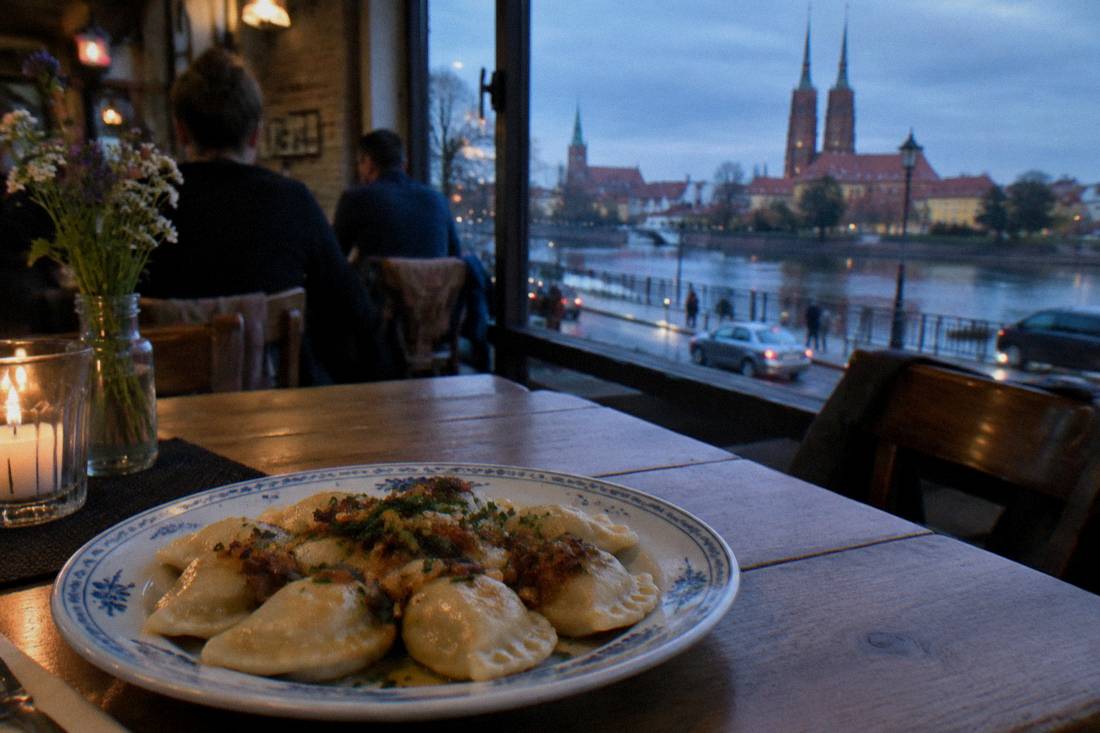
Wroclaw's versions of the staples are covered in detail across this site: start with the best restaurants in Wroclaw, then go deeper on pierogi in Wroclaw, the milk bars of Wroclaw, street food and the cafe scene. The craft beer guide covers the other half of the evening, and the nightlife guide maps the districts, including the student-heavy zones around Slodowa Island.
One food claim this site will not make: Wroclaw is sometimes called Poland's most vegan city, and no current ranking supports that. Older per-capita data favored Poznan and Krakow, and Warsaw is the Polish city drawing international attention as a vegan hub. The verified statement is that Wroclaw has a solid, compact vegan and vegetarian scene without a national lead. The vegan and vegetarian food guide gives the real picture without the superlative.
Which City Has Better Weather?
The two cities sit in the same climate zone with nearly identical profiles: Wroclaw's IMGW 1991-2020 climate normals show mean monthly temperatures from 0.0C in January, the coldest month, to 19.7C in July, the warmest, with an annual mean of 9.7C, and Krakow's normals differ only by small margins. Weather is not a reason to choose between them, and any article claiming otherwise is inventing a contrast.
The table below is Wroclaw's verified normals from the IMGW station data, station 12424. Use it to pick your month, not your city. What the numbers actually show is a classic Central European pattern: cold winters hovering around freezing, warm summers in the high teens, and the rainfall concentrated in the summer half of the year.
| Month | Mean temp (C) | Precipitation (mm) |
|---|---|---|
| Jan | 0.0 | 28.3 |
| Apr | 9.7 | 31.2 |
| Jul | 19.7 | 91.4 |
| Oct | 9.6 | 37.6 |
| Dec | 1.1 | 27.9 |
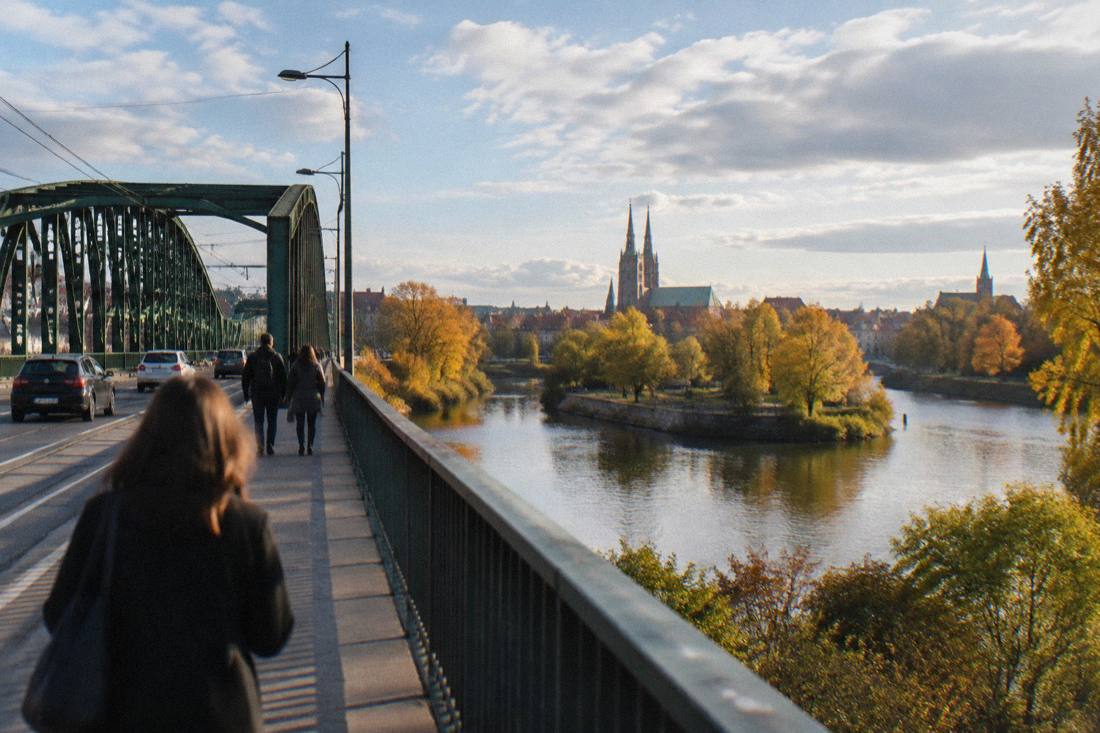
July and August are the warm months and also carry the heaviest rain, with 91.4 mm falling in July on average, which is worth knowing if your whole plan is outdoor. April is the driest month in the table at 31.2 mm, which is why spring photography trips to the market squares and Cathedral Island so often land well. The month-by-month detail, including what the shoulder seasons actually feel like on the ground, is in the Wroclaw weather by month guide, and the broader timing trade-offs are in the best time to visit Wroclaw.
The one weather-adjacent difference worth planning around is the Christmas season. Both cities run major Christmas markets, and the December weather is close enough to identical that the choice between them comes down to the markets themselves, not the temperature. That question, Krakow's market or Wroclaw's, has its own dedicated answer on this site, and the Wroclaw Christmas market guide gives the local side of it in full.
Is Wroclaw Or Krakow Better For A Weekend?
For a two-day weekend, Wroclaw is the easier city to complete: its Old Town, Cathedral Island, the dwarfs and one major museum fit comfortably into two days, whereas Krakow's sight list, Old Town, Kazimierz, Wawel and usually the Wieliczka salt mine, really wants three. That is the single most practical difference between the two itineraries, and it is the one travelers most often get wrong.
This site's own planning pages show how compact Wroclaw is at a weekend pace. The one day in Wroclaw and two days in Wroclaw itineraries both finish their sight lists without a single frantic morning, and the Wroclaw weekend itinerary is the dedicated version. The walking tour route guide lays the whole center out as one continuous path, which is exactly the kind of plan a short trip needs: no transit hops, no wasted hours.
Krakow at a weekend works too, but you will be choosing what to skip, and you will be sharing the choice with far more people at each stop. Wroclaw's visitor volume is simply lower, which shows up most at the market square and in the old lanes at midday in July and August, the two months the climate table above flags as the peak season. A weekend traveler who hates queues will feel the difference within an hour of arriving.
The dwarf hunt deserves a mention here, because it is the most weekend-friendly signature activity in either city. Wroclaw's hundreds of small bronze dwarf figures are scattered across the center, and hunting them turns an ordinary walk between sights into a game, which is why families and photographers both rate it so highly. Krakow has nothing quite equivalent at street level; its signature experiences are the grand ones, Wawel, the cloth hall, the salt mine, and they queue accordingly. The Wroclaw dwarfs guide covers the hunt in detail.
Wroclaw Vs Krakow: Which Should You Actually Choose?
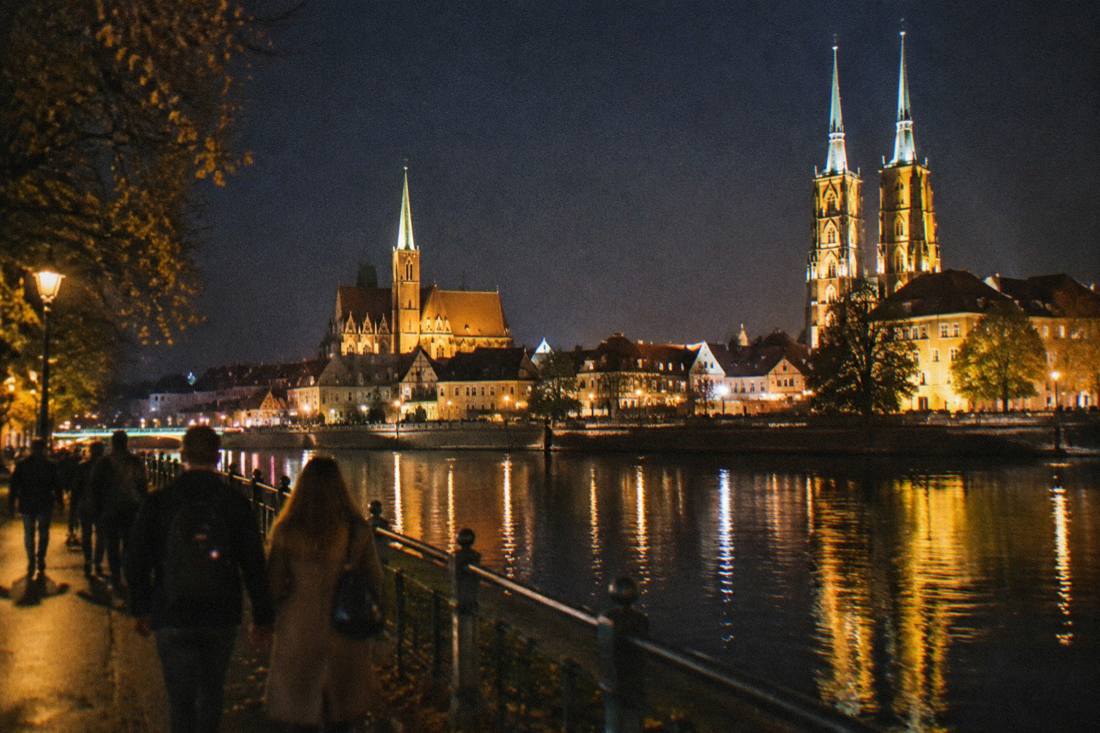
Choose Krakow if you want the bigger headline monuments, the largest medieval square in Europe and the heavyweight day trips, Auschwitz-Birkenau and Wieliczka, on your doorstep; choose Wroclaw if you want the same museum quality, a calmer old town, an island-and-bridge geography and a city you can genuinely finish in a weekend. The strongest version of the trip is both cities, on the rail line that joins them.
The table below condenses the whole comparison into the choices that actually drive a booking. Notice what is not in it: weather, food quality and price are absent because this article found no verified differences on those, and a comparison table padded with invented contrasts is worse than no table at all. The real decision hangs on scale, crowds and the kind of trip you want your days to feel like.
| Choose Wroclaw if you want | Choose Krakow if you want |
|---|---|
| A calmer, walkable old town | The largest medieval square in Europe |
| Cathedral Island and river bridges | Wawel castle and cathedral |
| Fewer queues at the same ticket prices | The largest day-trip roster |
| A city you can finish in two days | The bigger city-break scene |
Two more comparison pages on this site carry the same honest method if your shortlist is wider: Wroclaw vs Gdansk covers the northern alternative, and the Wroclaw safety guide and accessibility guide cover the practical questions that apply to any Polish city break. If this comparison has settled you on Wroclaw as a base with Krakow as a side trip, that is the arrangement most of this site's day-trip pages assume, and it is the one this guide would recommend to a first-time visitor to Poland.
For travelers who want a structured way around Wroclaw's own center rather than finding the way alone, the city's free walking options are worth knowing about. Four verified free, tip-based walks run in Wroclaw, including Old Town Wroclaw by Walkative! and Wroclaw Through Ages: Old Town & Cathedral Island; the tour pages on this site list all four with their live links. Krakow has its own free-walk scene of comparable size, so this is one area where the two cities genuinely match, and budget travelers lose nothing by choosing either.
Whichever way the comparison lands for you, plan around the figures rather than the superlatives. Krakow is the bigger city with the bigger square, Wroclaw is the calmer one with the islands and the dwarfs, both price their museums in the same zloty band, and the train between them makes the choice reversible. That last fact is the most useful one on the whole page.
Common Questions About Wroclaw Vs Krakow
Is Wroclaw bigger than Krakow?
No. GUS/Statistics Poland data as of 31 December 2025 gives Krakow 816,614 residents against Wroclaw's 672,601, and Krakow's Rynek Glowny is also the larger of the two main market squares.
Which city has the bigger market square, Wroclaw or Krakow?
Krakow. Its Rynek Glowny is roughly 4 hectares at about 200 by 200 meters and is widely described as Europe's largest medieval square. Wroclaw's Rynek is smaller, roughly 3.64 to 3.79 hectares, though its inner and outer square layout gives it more corners to explore.
Is Wroclaw or Krakow cheaper?
The two cities cost about the same on like-for-like sightseeing. Wroclaw's prices include the National Museum at 20 zl adult, Panorama Raclawicka at 50 zl and a 15-minute tram ticket at 4.60 zl, all in a band comparable to Krakow's state museums.
Can you visit Krakow as a day trip from Wroclaw?
Yes, and many travelers do. PKP Intercity runs the route with fares and times varying by date, so check intercity.pl live for the day you want, or take one of the organized guided options covered on this site's Krakow day-trip page.
Which city is better for a short weekend?
Wroclaw, on balance, because its core sights fit comfortably into two days, while Krakow's list really wants three. Krakow is the stronger pick if you have a full week or want its heavyweight day trips on your doorstep.
Does Wroclaw have a tourist pass like other cities?
Wroclaw has no all-inclusive multi-attraction sightseeing pass currently on sale. UrbanCard is a transport-focused fare card with resident discounts, not a museum pass, so budget for individual attraction tickets as listed in this guide.