Where To Stay In Wroclaw
Wroclaw, the largest city in Lower Silesia in southwestern Poland, is compact enough that almost any hotel puts you near the action. What actually varies is character: a Rynek-facing room in the Old Town, a quiet street on one of the river islands, or a creative-quarter base in Nadodrze. This guide matches each area to a travel style, using verified ticket prices, transit fares and climate data rather than guesswork.
Short answer
Most first-time visitors should stay in or just off the Old Town around the Market Square, where the Rynek, the dwarf statues and the main walking tours all sit within a short stroll. Families do better near the Szczytnicki Park side by the Zoo, Afrykarium and Centennial Hall. Budget travelers and longer stays thrive in Nadodrze or across the Odra, where the same 4.60 zl MPK short-hop ticket connects you to the center.
Wroclaw is the largest city in Lower Silesia (Dolnoslaskie voivodeship), in southwestern Poland, spread across a dozen islands of the Odra river and home to 672,601 people as of 31 December 2025, according to GUS, Poland's statistics office. That compact, island-stitched geography is the single biggest factor in answering where to stay. The distances between the places you actually want to see are short, so the choice of neighborhood is less about saving travel time and more about matching the atmosphere you want at the end of each day. This Wroclaw Travel Guide breaks the decision into the areas that genuinely differ, then backs the planning with verified admission prices, transit fares and official climate data, so the choice rests on facts rather than brochure copy.
Where To Stay In Wroclaw: Which Area Fits Your Trip?
The practical answer is that Wroclaw has four genuinely distinct visitor bases: the Old Town around the Rynek, the Cathedral Island and river-island streets just north of it, the regenerated Nadodrze quarter to the northwest of the center, and the green Szczytnicki Park side east of the center near the Zoo and Centennial Hall. Each one trades something away: atmosphere, price, quiet, or proximity to the big family sights. Choose by travel style, not by distance, because the city's transit and walkable core shrink the distances for everyone.
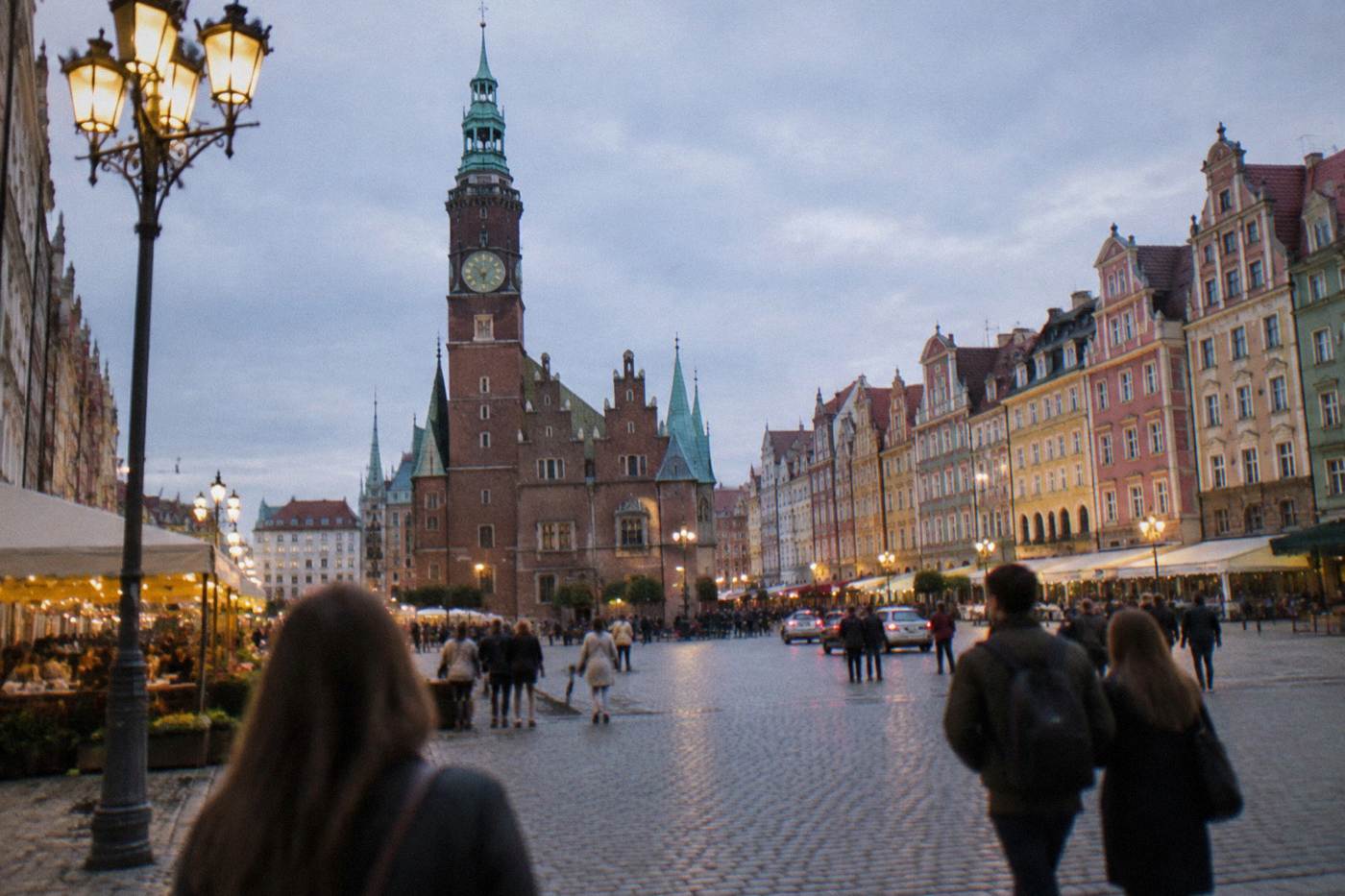
The Rynek, Wroclaw's main market square, anchors everything. It runs roughly 3.64 to 3.79 hectares, per Polish Wikipedia's measurements of the square, which makes it large but still smaller than Krakow's Rynek Glowny at around 4 hectares. That comparison matters for expectations: if you have seen Krakow, Wroclaw's square is more enclosed, more colorful, and easier to walk a full circuit of. Staying on or just off it puts the town hall, the dwarf statues scattered through the center, and the bulk of the restaurant scene within a few minutes on foot.
The table below is the honest summary. Every cell is a planning judgment, not a promise, and the admission and transit figures quoted later in this guide come from the official sources listed in the site's verified facts file.
| Area | Character | Best For | Trade-Off |
|---|---|---|---|
| Old Town (Stare Miasto) | Rynek, town hall, dense dining, street life | First-timers, short stays, nightlife | Loudest, priciest rooms face the square |
| Cathedral Island and river islands | Cathedral quarter, lamplighter lore, quiet cobbles | Couples, photographers, calm sleepers | Fewer restaurants, earlier quiet at night |
| Nadodrze | Street-art courtyards, creative quarter, local pace | Budget stays, longer visits, art travelers | A short transit hop from the Rynek |
| Szczytnicki Park side (Zoo and Centennial Hall) | Parkland, Zoo with Afrykarium, UNESCO hall | Families, garden lovers, event-goers | Farther from the Old Town dining core |
One structural point that surprises first-time visitors: Wroclaw's population of 672,601 makes it a big city, but its visitor core sits on islands and riverbanks that all but touch. The city's official portal lists a single flat fare structure across trams and buses, so a base in Nadodrze is not a remote suburb decision. It is a 15-minute ticket decision.
Is The Old Town The Best Place To Stay In Wroclaw?
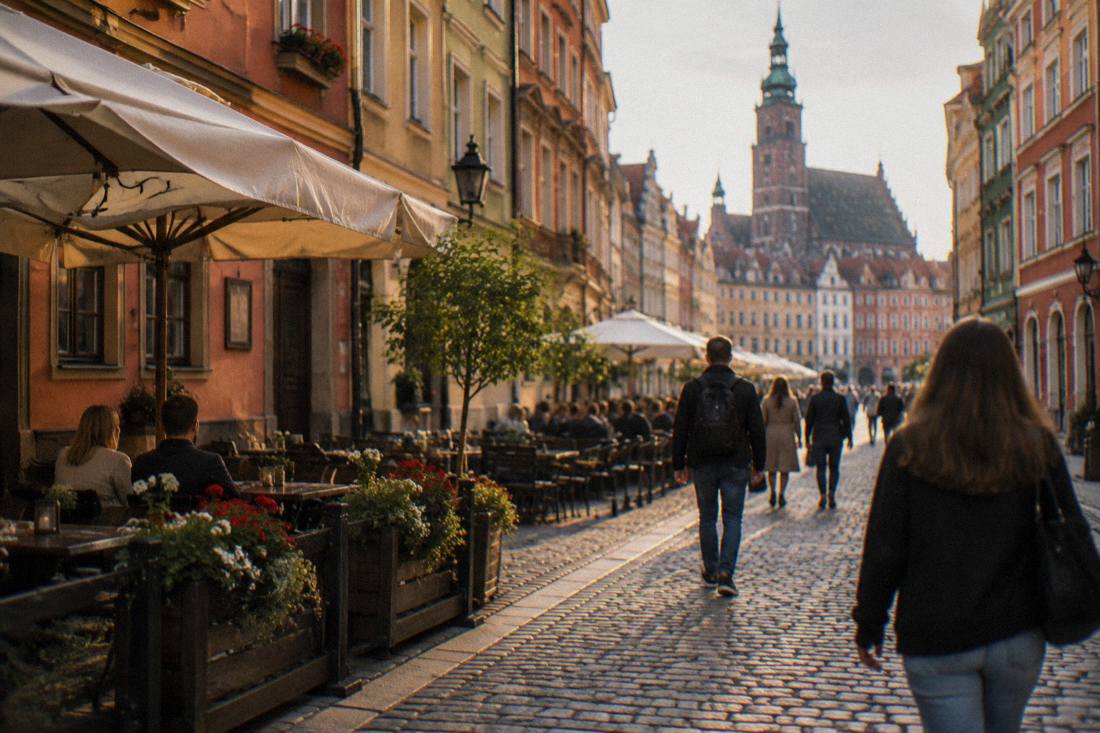
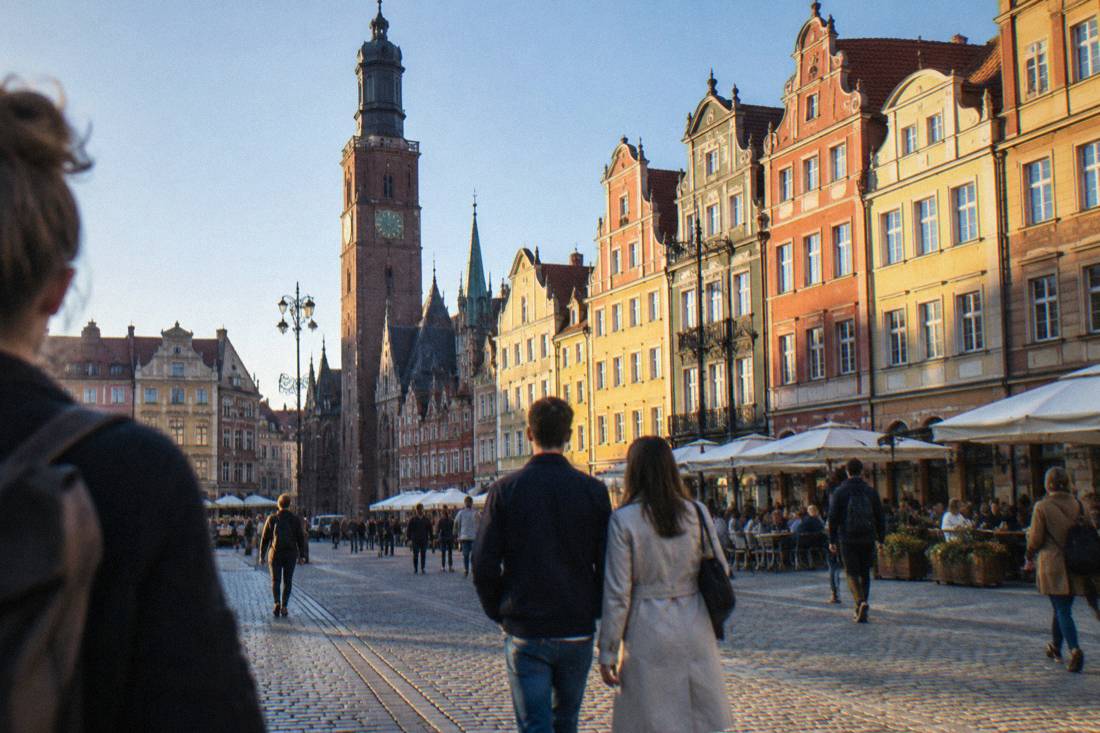
Yes, for most first visits, because the Old Town concentrates the Rynek, the University, the dwarf-hunting streets and the evening restaurant economy into one walkable pocket, and every major guided walking tour in the city starts from it. The honest caveat is that it is also the most tourist-priced pocket, and rooms directly on the square carry noise until late. A room two or three streets back keeps the walk under five minutes while trading the bustle for an actual night's sleep.
The Old Town's pull is simple arithmetic. The main sights that fill a first day, the Market Square, the University of Wroclaw's ceremonial hall, the shopping streets and the Old Town Hall, sit inside one continuous pedestrian-friendly district. The evening options do too: the restaurant coverage detailed in the best restaurants in Wroclaw guide clusters in and around this district, and the nightlife described in the Wroclaw nightlife guide radiates outward from it.
There is a cultural layer here that most hotel pages skip. Wroclaw's Old Town sits adjacent to the streets that held the city's prewar Jewish community, and the legacy sites, including the area around the White Stork synagogue and the Old Jewish Cemetery, sit a short walk from the Rynek rather than in a distant district. Travelers who want that layer explained properly rather than discovered by accident tend to book a dedicated guide. The Private Jewish Heritage Guided Tour covers exactly that territory as a private walk, a natural fit if that angle matters to your dates.
A dose of realism about size comparisons, because Wroclaw gets mis-sold constantly: Krakow is the larger city, 816,614 residents to Wroclaw's 672,601 per GUS as of 31 December 2025, and Krakow's main square is the larger of the two. Anyone selling Wroclaw as Poland's bigger, louder rival is wrong on both counts. What Wroclaw genuinely offers is compactness: a historic core you can cross on foot in under half an hour, which is precisely why the Old Town works as a base.
| Comparison | Wroclaw | Krakow |
|---|---|---|
| Population, 31 Dec 2025 (GUS) | 672,601 | 816,614 |
| Main market square, approximate size | 3.64-3.79 ha | ~4 ha |
| Base neighborhood feel | Island-stitched, walkable core | Larger royal core, longer walking days |
For a deeper head-to-head before you commit, the Wroclaw vs Krakow comparison covers the trade in full, and the Christmas market comparison matters if you are booking a December base near the Rynek stalls.
If you have settled on the Old Town and want to lock in the experiences that anchor it, these three are the ones this site's data shows booking well from a central base.
Where To Stay In Wroclaw For Families?
Families should look east toward the Szczytnicki Park side, where the Wroclaw Zoo with its Afrykarium aquarium, the UNESCO-inscribed Centennial Hall and the surrounding parkland sit together, because the zoo's own site confirms it opens every day of the year, including public holidays, and a single standard zoo ticket includes the Afrykarium at no extra charge. Staying near that cluster turns the single most demanding family day, the zoo day, into a short walk instead of a tram expedition with tired children.
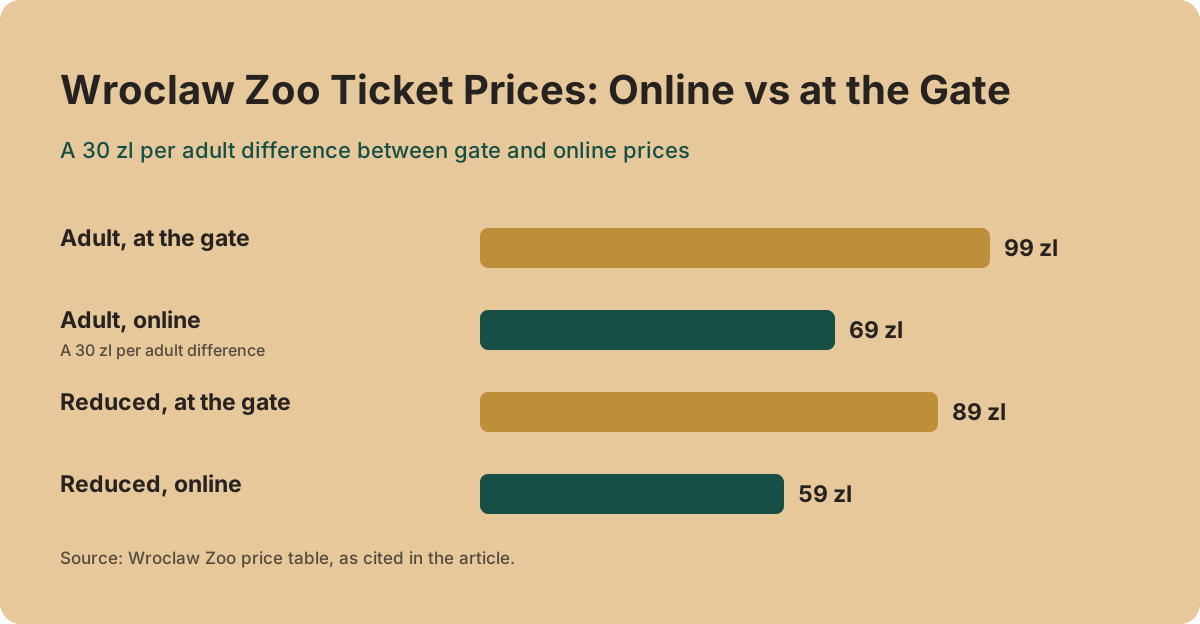
The zoo's own price table gives the numbers that shape a family budget: adult tickets from 69 zl online versus 99 zl at the gate, and reduced from 59 zl online versus 89 zl at the gate. Booking online before arrival is not a tip here, it is a 30 zl per adult difference published by the zoo itself. Hours vary by season: April through September the grounds run 9:00-18:00 Monday to Thursday and until 19:00 on Fridays, Saturdays, Sundays and holidays, while January and February the grounds run 9:00-16:00 daily.
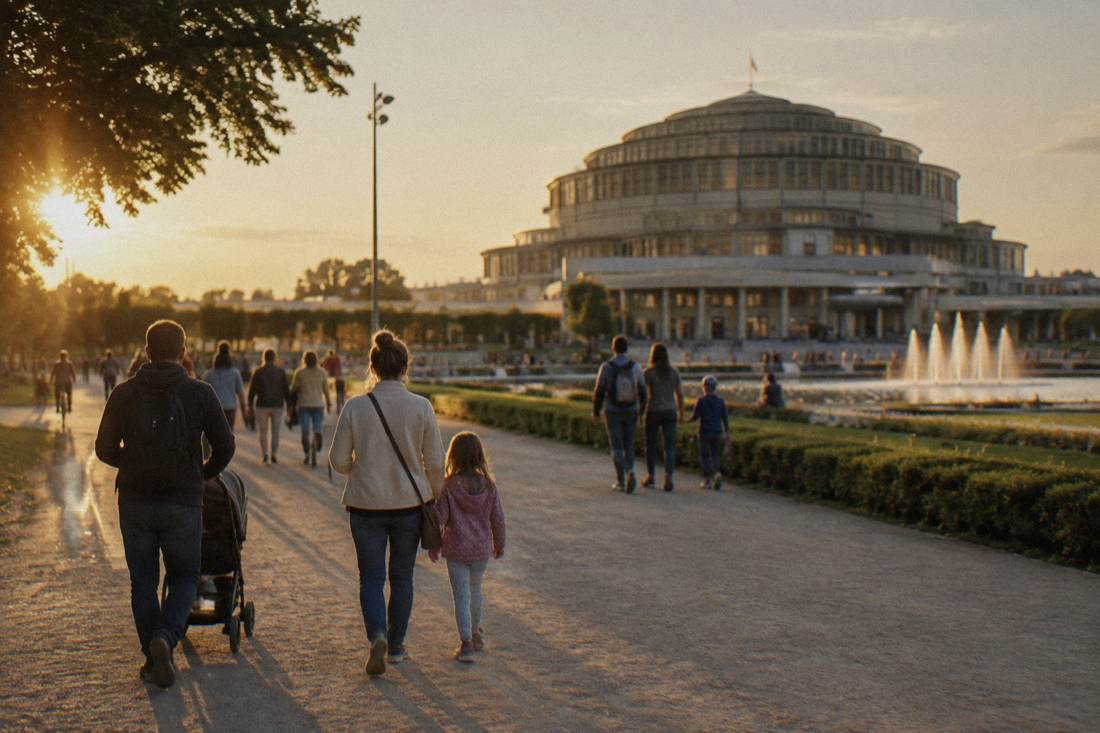
Centennial Hall, inscribed by UNESCO in 2006, was designed by architect Max Berg and built between 1911 and 1913, with a reinforced-concrete dome and a capacity of up to 10,000. For a family base that is a genuinely useful fact: the hall hosts large events, so a hotel on this side puts you beside the venue rather than crossing the city after an evening show.
The family case for the Old Town is not zero. Children are the target audience of the dwarf statue hunt that runs through the center, and a dedicated children's tour exists in this site's roster. But the Szczytnicki side gives you the zoo, the park and a calmer night, with the Old Town a direct tram ride away on the fare described later in this guide. For accessibility needs, the Wroclaw accessibility guide covers the city's adapted infrastructure in detail.
Should You Stay In Wroclaw Across The Odra?
Staying on the river islands or just across the Odra buys quiet and a different city: Cathedral Island's cathedral quarter and lamplighter streets, the student-and-picnic atmosphere of the sandbar islands, and the rapidly changed Nadodrze creative quarter to the northwest, whose street-art courtyards are now the most widely recognized art district in the city. The trade is a shorter dinner and bar list on your doorstep, though nothing on this side is more than a cheap transit hop or a pleasant walk from the Rynek.
Nadodrze deserves the specific explanation, because it is the neighborhood where lazy research goes most wrong. It is not a dangerous district, and the site's Wroclaw safety guide puts the city's overall picture in context. It is a formerly neglected quarter whose courtyards and murals, notably around Roosevelt Street, have been transformed by community-driven revitalization into what recent reporting, including TVP World's coverage of Wroclaw's art district, describes as a genuine creative quarter. Backpackers and longer-stay travelers get a real neighborhood at real local prices, and the pierogi and milk-bar eating culture covered in the milk bars in Wroclaw guide is exactly the low-cost dining that suits this base.
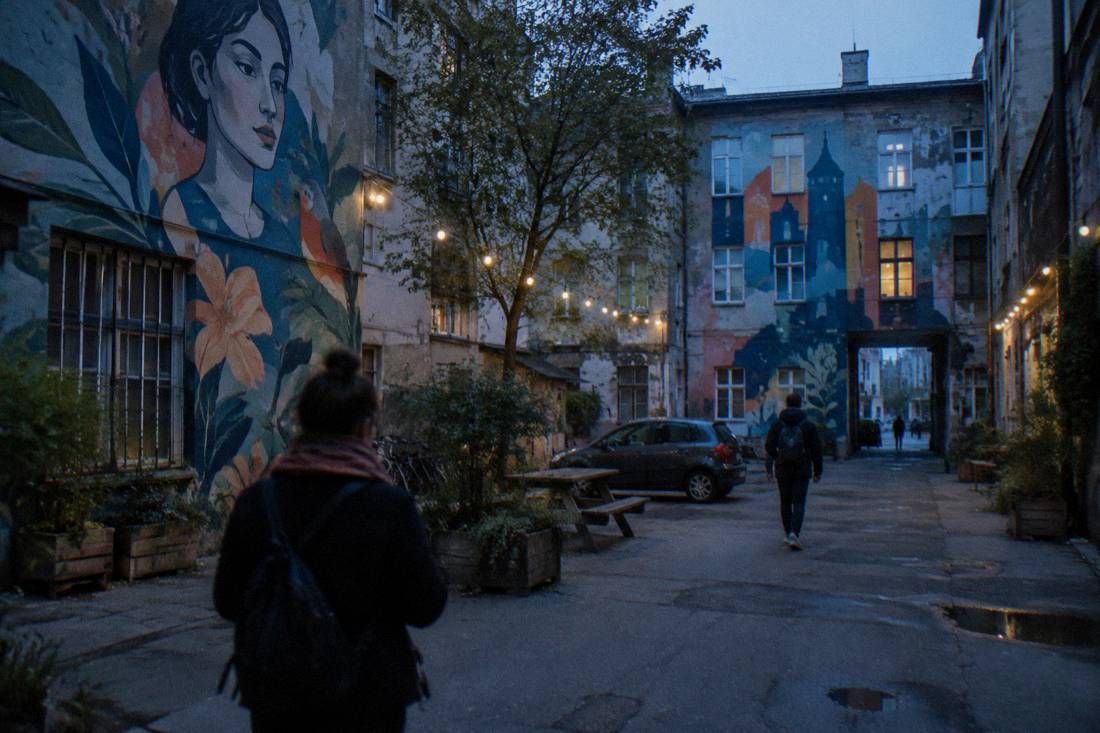
Cathedral Island, Ostrow Tumski, is the opposite pitch: the oldest sacred quarter in the city, where the streets quiet down after dark and the evening walks are the reason to book it. Couples and photographers base here for mornings before the crowds. The trade is honest: you will tram or walk to most dinners.
If a Nadodrze or islands base appeals, a guide who knows the courtyards and the layered history is worth the modest cost, because the quarter's story is the attraction. The Hidden Gems of Wroclaw Tour is a walk built around exactly this material.
Whether your base ends up central or across the river, the same logic applies to planning the days around it: book the anchor experience early in the stay, while energy and flexibility are both high, and let the neighborhood fill the quieter evenings. The conversion box below is the site's featured pick for exactly that first-morning slot.
Where To Stay In Wroclaw On A Budget?
Budget visitors should base in Nadodrze or the quieter streets just off the Old Town and spend on the city's genuinely cheap official entry schemes rather than on location, because the National Museum's own page lists free permanent-exhibition entry every Saturday, a 1 zl ticket for students and pupils under 26, and free entry for children under 7. A Saturday-centered, museum-heavy stay costs a fraction of the same plan on a weekday.
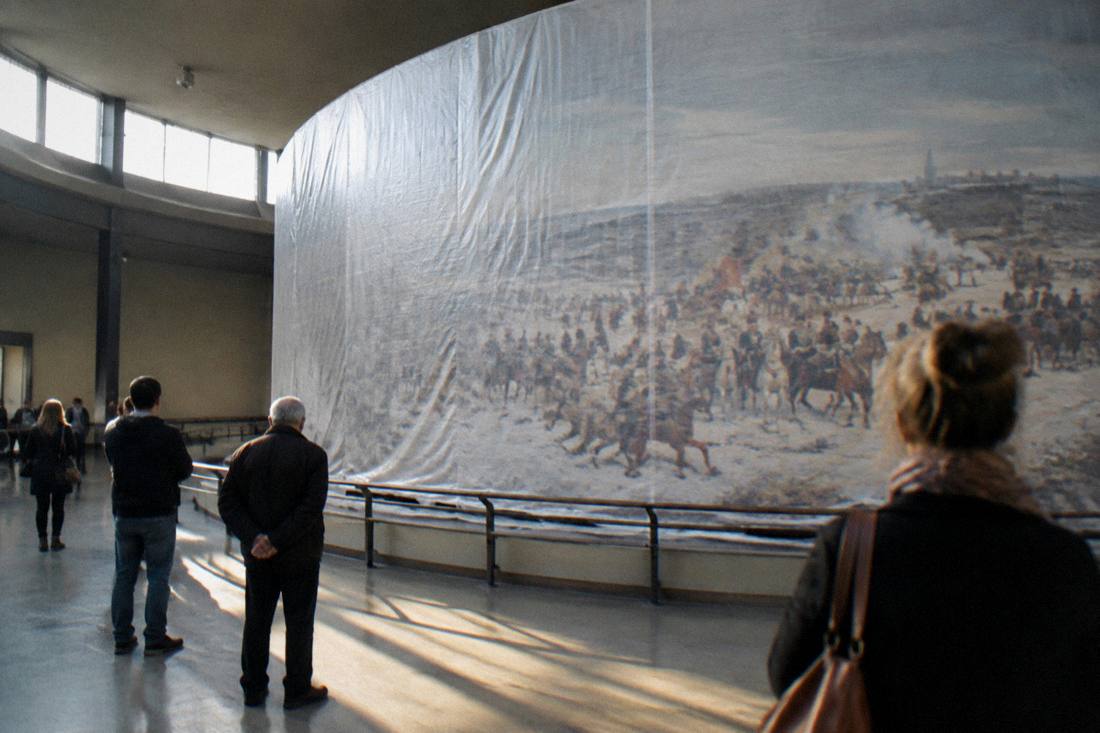
The full concession stack at the National Museum, from the museum's own pricing page, is a budget traveler's cheat sheet. Reduced permanent-exhibition tickets are 15 zl against the 20 zl adult price. The special student and pupil ticket is 3 zl. Family and group tickets run 10 zl per person. And the Panorama Raclawicka's own ticket page adds the single best value in the city's culture offering: one Panorama adult ticket at 50 zl, 35 zl reduced, also covers the National Museum's permanent exhibitions, the Ethnographic Museum and the Four Domes Pavilion, within three months of the visit date. That is four institutions on one ticket.
| Official concession (source: museum pricing pages) | Who Qualifies | Price |
|---|---|---|
| National Museum permanent exhibitions, every Saturday | All visitors | Free entry |
| Museum for a zloty | Students and pupils under 26 | 1 zl |
| National Museum reduced ticket | Eligible reduced categories | 15 zl |
| National Museum student/pupil special | Students and pupils | 3 zl |
| Panorama Raclawicka adult, covers 3 further museums | Adults, within 3 months | 50 zl |
| Panorama Raclawicka reduced | Eligible reduced categories | 35 zl |
The Panorama itself is a 30-minute screening, per its own visitor information, with summer hours of 8:30-19:00 daily from 1 April to 31 October and a Monday closure in the winter season from 1 November to 31 March. Plan a base that makes an early Rotunda entry easy, because the timed 30-minute format means the day's first screenings are the calm ones.
Eating cheaply near any of these bases is solved by the same guides regardless of neighborhood: the pierogi in Wroclaw guide, the Wroclaw street food guide and the best cafes in Wroclaw guide. For the full cost picture including how these admission and food figures add up, the Wroclaw trip cost guide does the arithmetic.
What Do Wroclaw's Main Attractions Cost From Each Base?
From any base in the city, the headline attractions publish these figures: the Panorama Raclawicka at 50 zl adult and 35 zl reduced, the National Museum at 20 zl and 15 zl, the Zoo at 69 zl adult online or 99 zl at the gate with the Afrykarium included, and Ksiaz Castle at 72 zl adult, 62 zl reduced for the castle with audioguide and terraces, per the castle's tariff effective 6 May 2026. One trap: the terraces open only 15 April to 30 September.
The table below is every figure a hotel-base decision realistically needs, all from the institutions' own published pricing. Note the one genuinely split figure, the Zoo's online-versus-gate pricing, which is why families and budget travelers should buy zoo tickets before leaving the hotel.
| Attraction | Adult | Reduced | Key Condition |
|---|---|---|---|
| Panorama Raclawicka | 50 zl | 35 zl | 30-minute screening; ticket covers 3 more museums within 3 months |
| National Museum in Wroclaw | 20 zl | 15 zl | Free permanent exhibitions every Saturday; closed Monday |
| Wroclaw Zoo, online | from 69 zl | from 59 zl | Afrykarium included in the standard ticket |
| Wroclaw Zoo, at the gate | 99 zl | 89 zl | Open every day of the year, per the zoo's own site |
| Ksiaz Castle, castle with audioguide and terraces | 72 zl | 62 zl | Terraces only open 15 April-30 September |
| Church of Peace in Swidnica | 18 zl | 15 zl | UNESCO-listed since 2001; family ticket 45 zl |
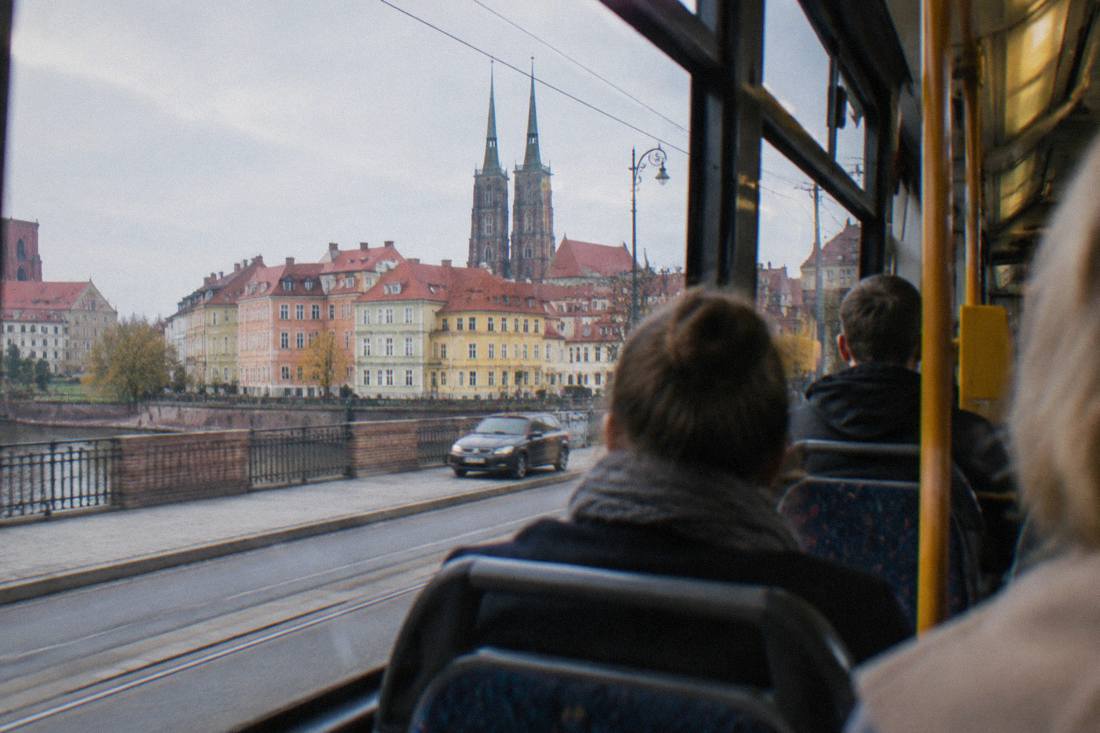
The day-trip economics deserve their own word, because they shape where you sleep. Ksiaz Castle sits outside the city near Walbrzych, owned by the Walbrzych municipality and operated by its municipal company, and it is commonly reached by regional train to Walbrzych plus a bus or taxi connection. A guided day tour removes the connection puzzle entirely. The Ksiaz Castle and Church of Peace Tour from Wroclaw is an eight-hour option that pairs the castle with the UNESCO Churches of Peace listing, a strong candidate once your base is set and the dates work.
The Church of Peace in Swidnica, part of the UNESCO 'Churches of Peace in Jawor and Swidnica' inscription from 2001, costs 18 zl adult, 15 zl reduced, 10 zl for children and youth, and 45 zl for a family of two adults plus children under 18, per the church's own visitor page. Anyone basing in Wroclaw for three days or more should read the three days in Wroclaw itinerary before booking, because it is the itinerary length where the castle day trip starts to pay for the travel time.
When Should You Book Your Wroclaw Hotel?
Book by climate, not instinct: IMGW's 1991-2020 normals for the Wroclaw station give a January mean of 0.0C, a July mean of 19.7C, the warmest month, and an annual mean of 9.7C, so May to September is the comfortable window. July is also the wettest month at 91.4 mm, which argues for a base near the museum cluster in high summer. December's 1.1C mean is mild by Polish standards, making the Christmas market a second booking window.
The full monthly picture from IMGW's published normals, station code 12424, is worth reading before choosing dates, because the monthly means shift faster than many people would guess.
| Month | Mean Temperature (C) | Precipitation (mm) |
|---|---|---|
| January | 0.0 | 28.3 |
| February | 1.1 | 25.6 |
| March | 4.3 | 35.0 |
| April | 9.7 | 31.2 |
| May | 14.3 | 59.6 |
| June | 17.7 | 65.4 |
| July | 19.7 | 91.4 |
| August | 19.3 | 59.5 |
| September | 14.5 | 48.4 |
| October | 9.6 | 37.6 |
| November | 4.8 | 31.4 |
| December | 1.1 | 27.9 |
What the table changes about a hotel choice: July is simultaneously the warmest and the wettest month, so a summer base near the National Museum, the Panorama and the Four Domes Pavilion gives you a rain plan that is already paid for if you bought the Panorama's combined ticket. April is the driest month in the table at 31.2 mm, which makes it a quietly excellent shoulder-season month for an islands or Nadodrze base built around walking. The best time to visit Wroclaw guide and the Wroclaw weather by month guide take this data further, and the Wroclaw events calendar matters if you are timing a stay against the festivals that fill hotel rooms.
How Do You Get Around Wroclaw From Where You Stay?
The city of Wroclaw's official fare page gives the base short-hop ticket at 4.60 zl normal and 2.30 zl reduced for 15 minutes, with tiers rising to 7.00 zl and 3.50 zl for 30 minutes and multi-day city tickets at 26, 32 and 54 zl. One small ticket per person per day covers a tram crossing from Nadodrze or the Szczytnicki side to the Old Town, which is why this guide keeps recommending the quieter neighborhoods.
The fare tiers, from the city portal's own price guide, in full:
| MPK Ticket (city of Wroclaw official fare page) | Normal | Reduced |
|---|---|---|
| 15-minute | 4.60 zl | 2.30 zl |
| 30-minute | 7.00 zl | 3.50 zl |
| 24-hour band | ~15.00 zl | ~7.50 zl |
| Multi-day band 1 | 26 zl | 13 zl |
| Multi-day band 2 | 32 zl | 16 zl |
| Multi-day band 3 | 54 zl | 27 zl |
One warning that matters for planning: there is no all-inclusive Go City-style tourist pass currently sold for Wroclaw. The UrbanCard that circulates in local discussion is a transport-focused fare card with resident discounts, not a sightseeing pass, and it does not cover museum or attraction admission. Anyone selling you a Wroclaw all-inclusive attraction pass is selling something the city does not currently offer. Budget attraction entry through the museum concession schemes described above instead.
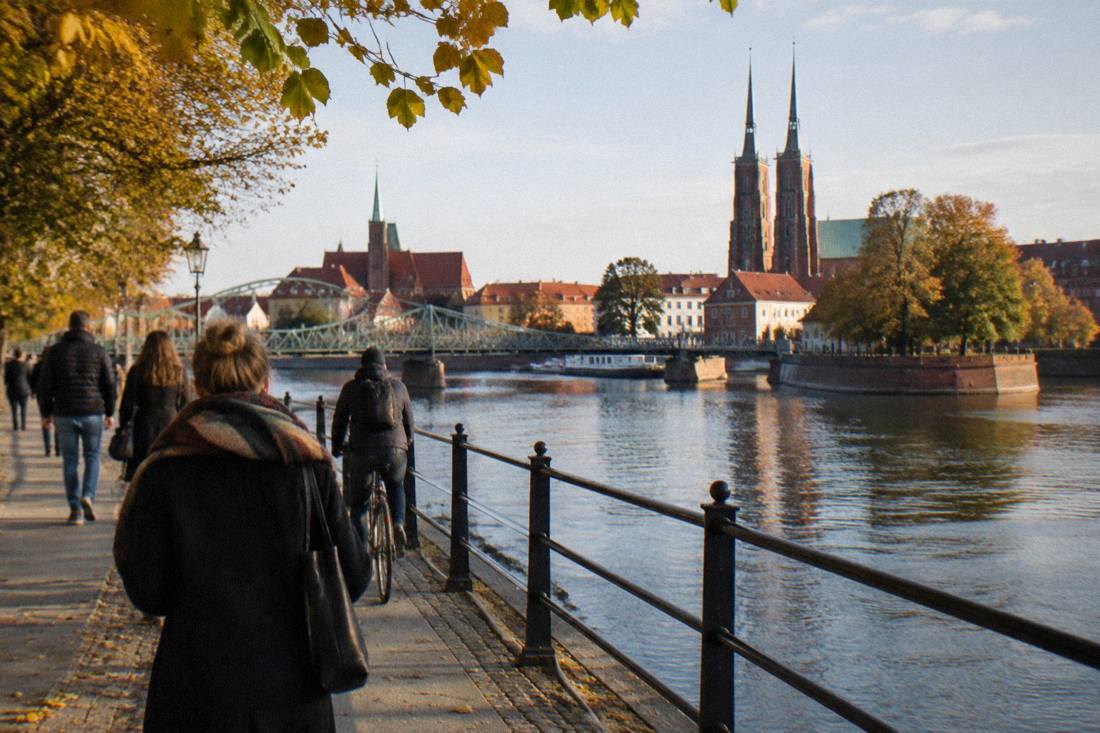
The getting around Wroclaw guide covers the tram and bus network in practical depth, and the Wroclaw airport guide covers the arrival side, including the context of the airport's completed 2025 renovation closure and the 4,473,945 passengers it served in 2024 per the airport's own release. For rail day trips, PKP Intercity operates the Krakow route with fares and times that vary by date and must be checked live at the operator's own booking engine; the Wroclaw to Krakow train guide explains what to expect.
Which Wroclaw Tours Work Best From Each Base?
From an Old Town base, the walking tours and the Jewish heritage walk start on your doorstep; from a family base near the Szczytnicki side, an e-car or children's tour covers the center without tiring younger legs; and from any base, the Ksiaz Castle and Church of Peace day tours collect centrally, which is why a central hotel remains the default even when sightseeing days point outward. Free tip-based walks also run through the center.
The practical pairing logic is simple. A central base makes every departure point walkable. A Nadodrze or islands base adds a tram leg, at 4.60 zl, to every tour morning. If your itinerary is tour-heavy, that difference compounds, and if it is museum and cafe-heavy, it barely matters, because the Panorama and the National Museum sit on the center's edge anyway.
Whichever base you choose, these are the three experiences this site's verified data points to for making the stay itself memorable rather than just well-slept.
Common Questions About Where To Stay In Wroclaw
Is The Old Town The Best Place To Stay In Wroclaw?
For most first-time visitors, yes. The Old Town concentrates the Rynek, the University buildings, the dwarf statues and the main restaurant streets into one walkable pocket, and the city's guided walking tours start from it. The trade is price and noise, so a room two or three streets back from the square is the balance many travelers end up preferring.
Where To Stay In Wroclaw For Families?
Look at the Szczytnicki Park side near the Zoo, the Afrykarium and Centennial Hall. The zoo opens every day of the year per its own site, includes the Afrykarium in the standard ticket, and charges 69 zl adult online against 99 zl at the gate, so buy before you go. The Old Town remains reachable by a single short tram ticket.
Where To Stay In Wroclaw On A Budget?
Base in Nadodrze or just off the Old Town and build the sightseeing around the official concessions: free entry to the National Museum's permanent exhibitions every Saturday, the 1 zl under-26 ticket, and the Panorama Raclawicka ticket at 50 zl that also covers three more museums within three months. Milk bars and pierogi spots keep food costs low near every base.
Should You Stay In Wroclaw Across The Odra?
Yes, if quiet matters more than a doorstep bar scene. Cathedral Island and the river islands offer the calmest nights and the most photogenic mornings, and Nadodrze offers the creative-quarter atmosphere at local prices. Nothing on that side is more than a 4.60 zl short-hop ticket or a pleasant walk from the Rynek.
When Should You Book Your Wroclaw Hotel?
Target May to September for the warmest weather, with July the warmest month at a 19.7C mean but also the wettest at 91.4 mm of rain per IMGW's 1991-2020 normals. April is the driest month in the table at 31.2 mm. December, mean 1.1C, is the second window thanks to the Christmas market on the Rynek.
Is There A Tourist Pass In Wroclaw?
No all-inclusive Go City-style pass is currently sold for Wroclaw. The UrbanCard is a transport-focused fare card with resident discounts and does not cover attraction admission. Use the museums' own concession schemes instead, which are generous and published on their official pricing pages.