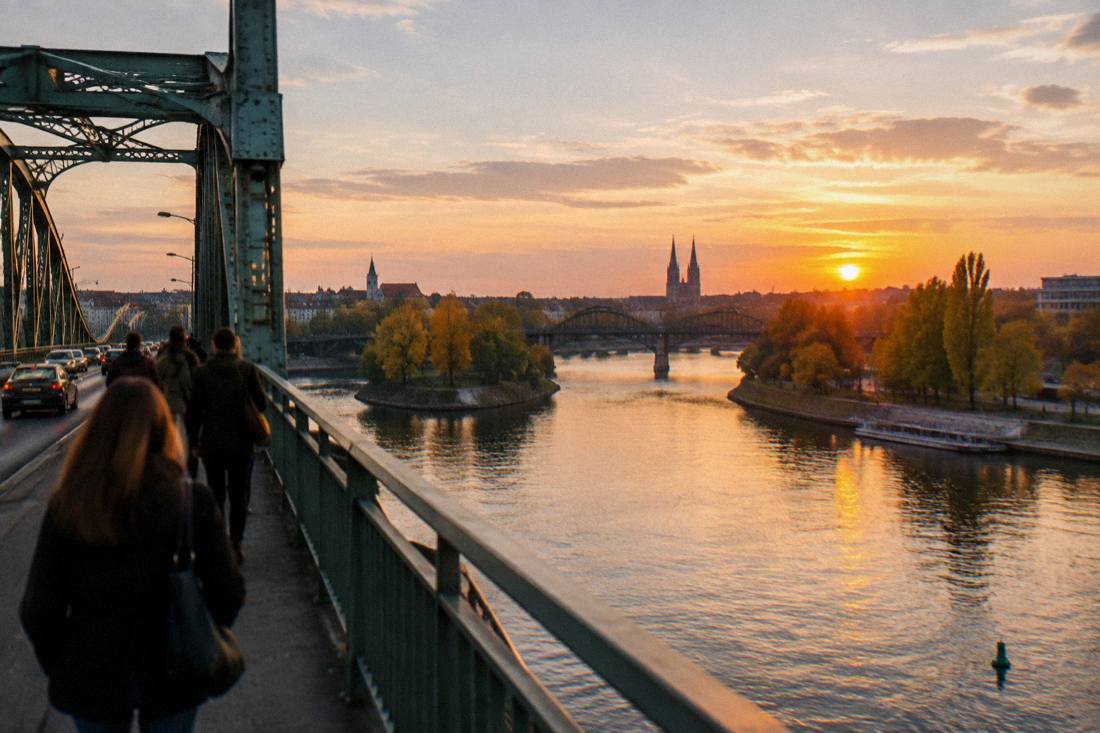
Three Days In Wroclaw
Three days is enough to see Wroclaw properly: one day in the Old Town, one day across the river islands and museums, and one day trip into Lower Silesia.
Short answer
Spend day one in the Old Town around the Market Square and the dwarfs, day two on Ostrow Tumski, the Panorama Raclawicka and the museums, and day three on a day trip to Ksiaz Castle near Walbrzych. Three days fits Wroclaw's compact center and one regional excursion without rushing.
Three days in Wroclaw, the largest city in Lower Silesia (Dolnoslaskie voivodeship) in southwestern Poland, is the itinerary length that fits the city best. Wroclaw spreads across a dozen islands in the Odra river, and its core sights cluster tightly enough that a two-hour walk crosses most of them. GUS, the Polish statistics office, puts the city's population at 672,601 as of 31 December 2025, which makes it smaller than Krakow in both people and main-square size, and compact where it counts.
The plan below splits the visit into three distinct days: one on foot inside the Old Town, one across the river among the islands and museums, and one out in the region, where Ksiaz Castle and the UNESCO Churches of Peace sit within day-trip range. Every admission price and transit fare quoted here comes from the official source that publishes it, the museum and castle cenniks and the city's own fare page. Prices for guided tours render directly from live listings, so they stay current in ways typed numbers never do.
Why Spend Three Days In Wroclaw?
Three days is the natural length for Wroclaw because the city itself needs about two unhurried days and the region deserves the third. Day one covers the Market Square, the dwarfs and the Old Town lanes; day two crosses to Ostrow Tumski and the Panorama Raclawicka; day three reaches Ksiaz Castle near Walbrzych. Stretch to four days only if you want two regional trips instead of one.
Krakow gets the headlines, and Warsaw the flights, but Wroclaw rewards a slower pace than many of its visitors give it. The city's population of 672,601 (GUS, 31 December 2025) supports a full urban program: a UNESCO-listed modernist landmark in Centennial Hall, a zoo with an included oceanarium, a river-island cathedral quarter and one of Central Europe's most-loved painting attractions. Two days squeezes all of that. A week, by contrast, runs out of city before it runs out of time.
The third day is what makes three days the right number. Lower Silesia holds two of Poland's most impressive castles and churches within easy reach of the city, and a three-day stay lets you take one of those trips without sacrificing anything downtown. If you are still deciding between lengths, the question of how many days in Wroclaw is enough has its own answer page; the short version is that two is fine for the center and three is better for the region.
What Does A Perfect Three-Day Wroclaw Itinerary Look Like?
Day one stays inside the Old Town: the Market Square in the morning, a dwarf hunt through midday, the University of Wroclaw's Aula Leopoldina in the afternoon, and Slodowa Island in the evening. Day two crosses the Odra to Ostrow Tumski, the Panorama Raclawicka and the National Museum, ending in Nadodrze. Day three leaves the city, most often for Ksiaz Castle.
That gives you one walking day, one museum-and-islands day and one day-trip day, in that order. The order matters. The Old Town walk orients you and teaches the street pattern, so the museum day feels familiar rather than disjointed, and the day trip lands on day three when a train ride out of the city feels like a feature rather than a chore.
| Day | Base | Morning | Afternoon | Evening |
|---|---|---|---|---|
| Day 1 | Old Town | Market Square and town hall | Dwarf hunt, Aula Leopoldina | Slodowa Island |
| Day 2 | River islands | Ostrow Tumski | Panorama Raclawicka, National Museum | Nadodrze |
| Day 3 | Lower Silesia | Travel to Ksiaz Castle | Castle interiors and terraces | Return to Wroclaw |
The shape flexes with weather and season. A rainy afternoon swaps into the museums on day two; a December visit bends day three toward the Christmas market instead of a castle. The Wroclaw weekend itinerary runs a compressed two-day version of the same geography, and the Wroclaw walking tour route maps day one in step-by-step detail.
If you would rather lean on a guide for part of the plan, these three fit the three-day structure directly: a private Old Town highlights walk for day one, a private Project Riese and Ksiaz Castle tour for day three, and a long Krakow-and-Wieliczka option for travelers who want to swap Lower Silesia for Poland's royal city.
What Should Day One In Wroclaw Cover?
Day one should stay entirely inside the Old Town: the Market Square and its town hall in the morning, a dwarf hunt through the lanes before lunch, the University of Wroclaw's baroque Aula Leopoldina in the afternoon, and the riverbank lawns of Slodowa Island at sunset. Nothing on this list requires transport; every stop sits inside the Old Town's walkable ring.
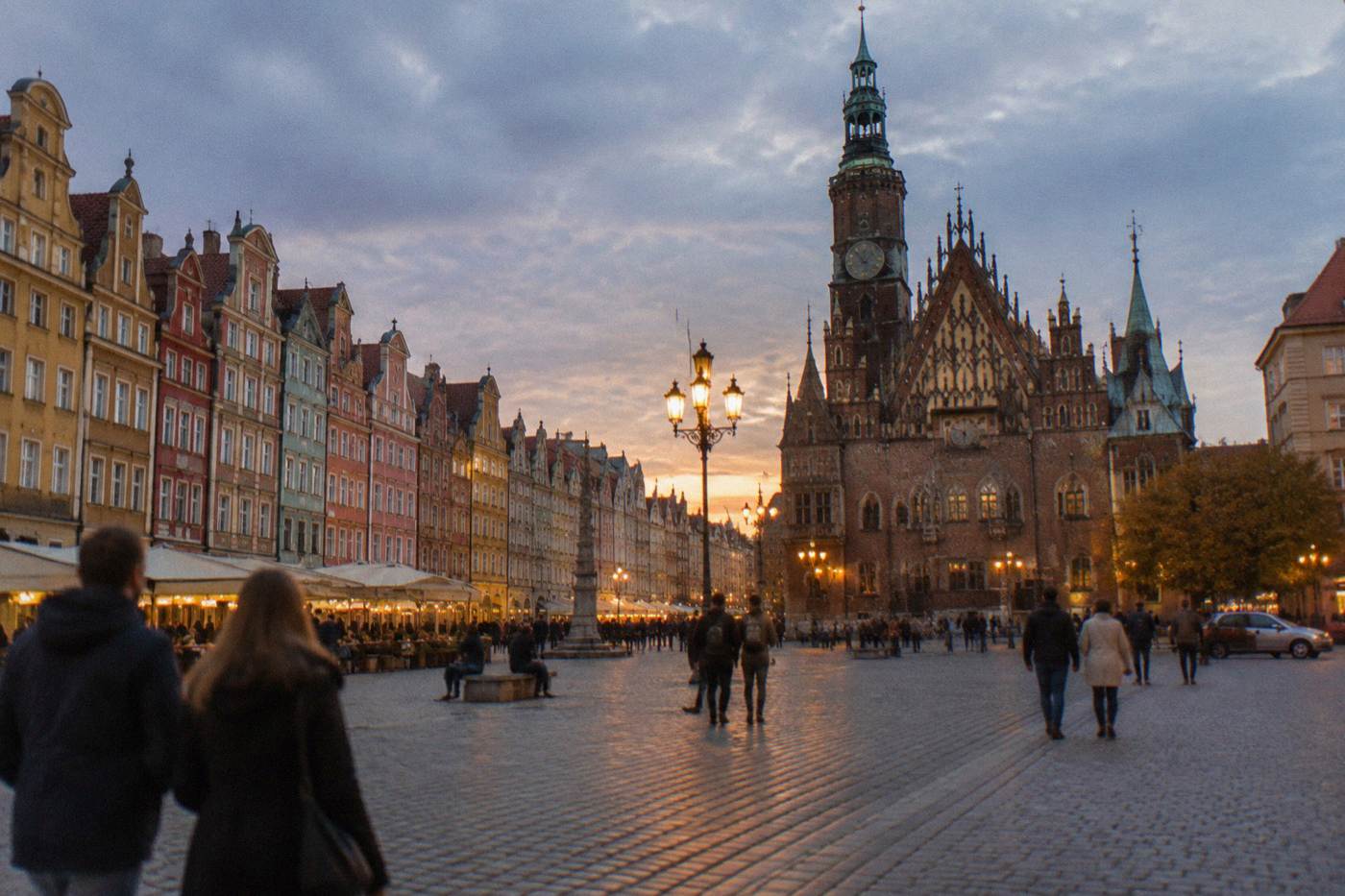
Start at the Wroclaw Market Square, one of the largest medieval squares in Poland at roughly 3.6 to 3.8 hectares, though smaller than Krakow's Rynek Glowny. The Gothic town hall anchors the middle; the painted merchant houses ring the edges. The city's tourism data repeats a claim that the square is Europe's second largest, which no current source confirms, so treat the honest comparison instead: large, Gothic, and busy from mid-morning onward, so photographers should come early.
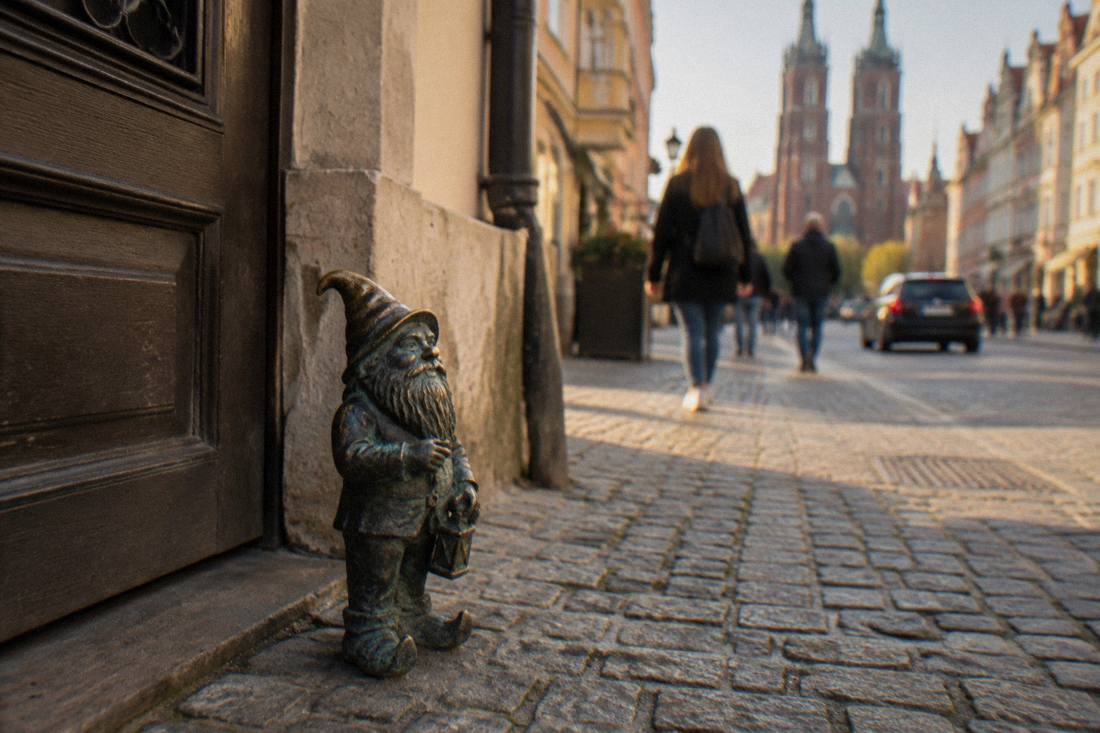
The Wroclaw dwarfs come next. These small bronze figures began as an anti-communist street-art gesture and now number in the hundreds across the city center, and hunting them turns a morning walk into a scavenger hunt that suits every age. A free walk with a local guide sharpens the game considerably: on GuruWalk, the platform that hosts them, "Legends of Wroclaw: Free Tour Around Ostrow Tumski & Market Square" and "Old Town Wroclaw by Walkative!" both cover the dwarf territory, are free and tip-based, and can be booked directly on GuruWalk's site without any upfront payment.
For a private version with a fixed schedule, the Wroclaw Old Town Highlights private walking tour walks the same core with a dedicated guide, and its live listing carries the current price and availability.
Afternoon belongs to the University of Wroclaw, whose Aula Leopoldina is the city's most extravagant baroque interior, and to the back lanes between the university and the river. Finish on Slodowa Island, the sandbar turned student beach where the evening crowd gathers with drinks along the water. Dinner options cluster back at the square's edge; the honest shortcut for night one is simply to eat within sight of the illuminated town hall and call the orientation day done.
If day one sells you on a deeper guided version of the same ground, this boxed option runs daily with free cancellation:
What Should Day Two In Wroclaw Cover?
Day two should cross the Odra: Ostrow Tumski, the cathedral island, in the morning; the Panorama Raclawicka at midday, which costs 50 zl adult and 35 zl reduced and screens for 30 minutes; the National Museum in the afternoon at 20 zl adult, free every Saturday; and the Nadodrze district's murals before dinner.
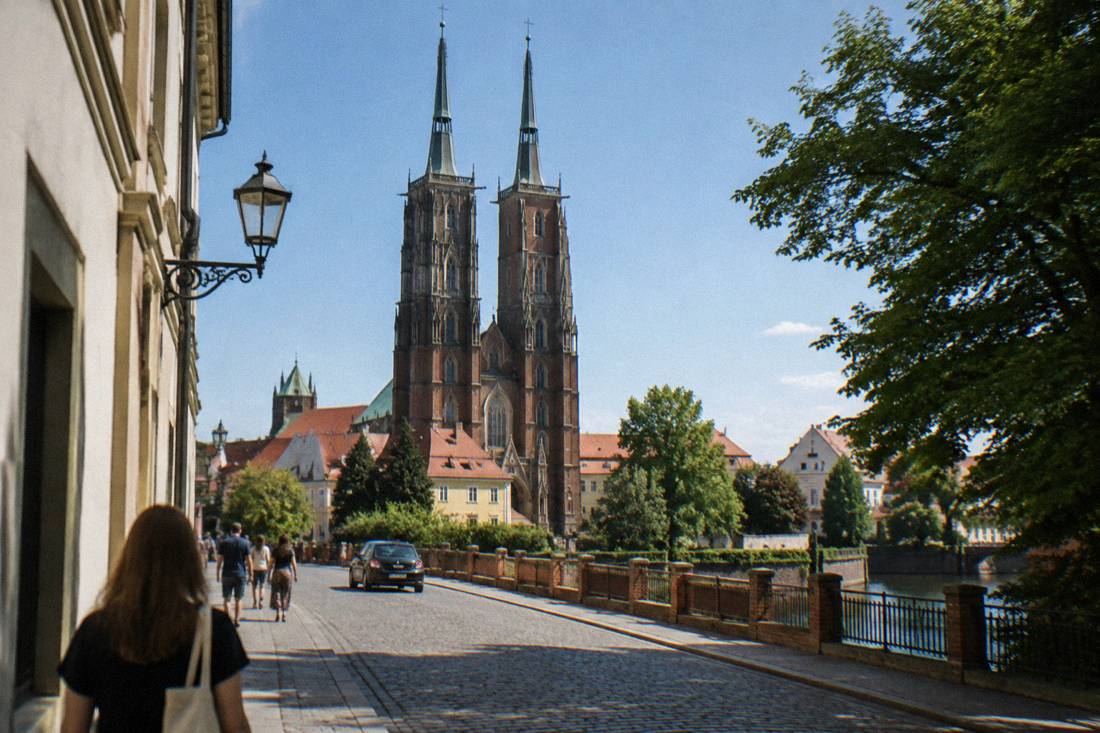
Ostrow Tumski is the oldest part of Wroclaw, a raised island where the Cathedral of St. John the Baptist towers over cobbled lanes and where, on some evenings, a lamplighter still lights the district's gas lamps by hand. Cross the Tumski Bridge on foot, padlock-free of expectations, and give the cathedral interior a slow hour. The full island has its own attractions page with opening details for the cathedral and the viewpoint.
The Panorama Raclawicka is the midday anchor. The museum's own ticket page lists 50 zl for adults, 35 zl reduced, with the 30-minute screening running daily 8:30-19:00 in summer (1 April to 31 October) and closed Mondays in winter. The quiet detail most guides miss: that same ticket also covers the National Museum's permanent exhibitions, the Ethnographic Museum and the Four Domes Pavilion for three months from the visit date. So buy the Panorama first, then walk.
The National Museum in Wroclaw cluster fills the afternoon at no extra cost if you used the combo ticket, or at 20 zl adult and 15 zl reduced on its own, per the museum's own pricing page. Saturdays are free for the permanent collections. If the weather turns, the whole afternoon moves indoors without any loss; the rainy day Wroclaw itinerary does exactly this swap.
| Day Two Stop | What It Is | Adult Ticket | Sourcing |
|---|---|---|---|
| Ostrow Tumski | Cathedral island, oldest district | Free to walk | District is public space |
| Panorama Raclawicka | Monumental rotunda painting | 50 zl (35 zl reduced) | Museum's own ticket page |
| National Museum | Polish art, Silesian gothic | 20 zl (15 zl reduced) | Museum's pricing page |
| Four Domes Pavilion | Modern and contemporary art | Covered by Panorama ticket | Museum combo rule |
| Nadodrze | Street-art district | Free to walk | Public streets |
Cycling covers day two efficiently if walking feels slow; an English-language bike tour is the structured way to do it, and its listing shows the live price.
End the day in Nadodrze, the district north of the river station whose courtyards and gable walls carry a dense layer of community murals. The area is widely described in current reporting as Wroclaw's street-art and creative quarter, a transformation from a neglected pocket into an art district, and that specific reputation, not a national "artsy city" label, is the honest way to describe it. Lodz, not Wroclaw, is Poland's recognized film city.
What Should Day Three In Wroclaw Cover?
Day three should leave the city, and Ksiaz Castle near Walbrzych is the classic choice: the castle with audioguide and terraces costs 72 zl adult and 62 zl reduced per the castle's own tariff, and the terraces only open 15 April to 30 September. Reach it by regional train to Walbrzych plus a bus or taxi connection. Expect six to eight hours door to door.
Ksiaz is Poland's third-largest castle, a vast hilltop pile owned by the Walbrzych municipality and operated by its municipal company, per the operator's own site and 2026 reporting. The cennik effective 6 May 2026 prices the castle-plus-audioguide-plus-terraces ticket at 72.00 zl adult and 62.00 zl reduced; adding the underground tour makes it 92.00/82.00 zl, and the All Day Ticket covering everything runs 104.00/94.00 zl. Check the terrace dates before you promise anyone the view: they close outside the 15 April to 30 September window, so an October visit gets interiors only.
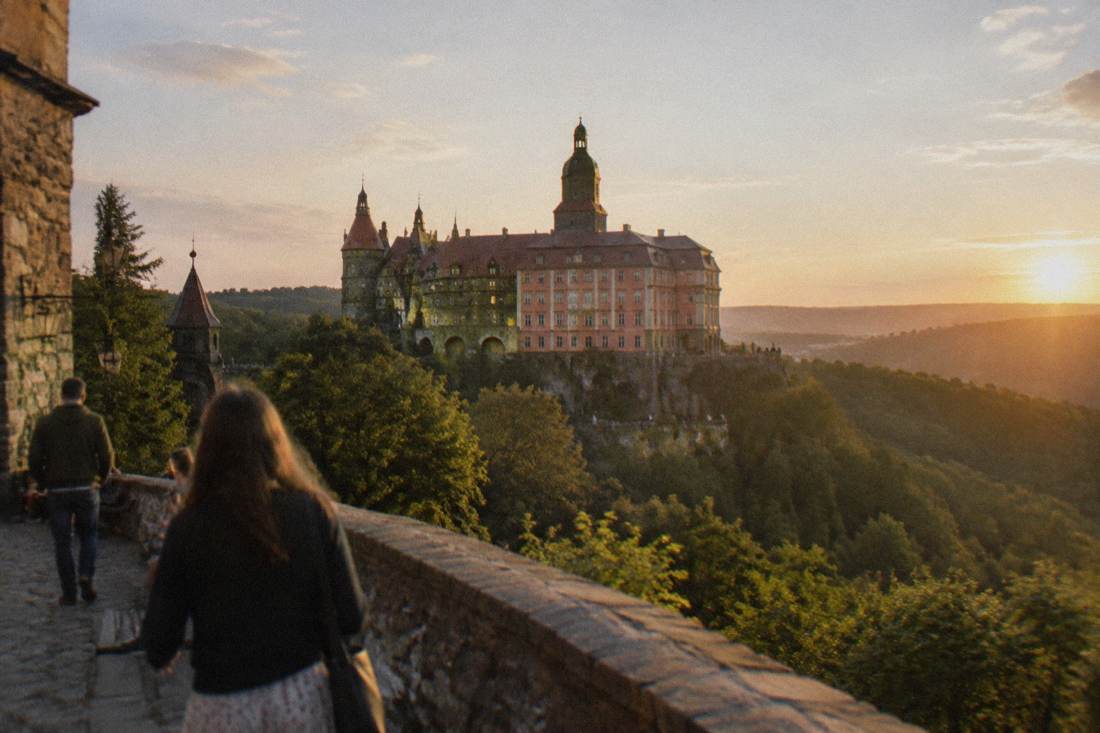
The Ksiaz Castle day trip page covers the rail-and-bus access pattern in detail. The short version: regional trains run to Walbrzych, and the last leg to the castle is a bus or taxi connection; no specific timetable figure is quoted here because the operators publish per-date timetables rather than a stable journey time. A private tour removes the connection entirely, and this one bundles the castle with the Project Riese tunnels beneath the hill:
Two strong alternatives shape day three if Ksiaz does not appeal. The Church of Peace in Swidnica, a UNESCO World Heritage site since 2001 as one of the "Churches of Peace in Jawor and Swidnica," charges 18 zl adult and 15 zl reduced per its own visitor page, and several Swidnica-and-Jawor tours cover both timber churches in a single loop. Or point northeast to the Giant Mountains and Karpacz, the mountain-and-palace day covered on the Karpacz and Karkonosze page.
| Day Three Option | Area | What You Get | Best If |
|---|---|---|---|
| Ksiaz Castle | Lower Silesia, Walbrzych | Castle, terraces, Palm House | First visit to the region |
| Swidnica and Jawor churches | Lower Silesia | Two UNESCO timber churches | History over interiors |
| Giant Mountains and Karpacz | Karkonosze range | Mountains, palaces valley | Clear weather, hiking mood |
| Auschwitz-Birkenau | West of Krakow | Guided memorial visit | A somber, purposeful day |
Families should weigh day three carefully. With children, the zoo's Afrykarium, included in the standard zoo ticket per the zoo's own price table, often beats a castle run; the Wroclaw with kids itinerary restructures all three days around that trade-off.
How Much Does Three Days In Wroclaw Cost?
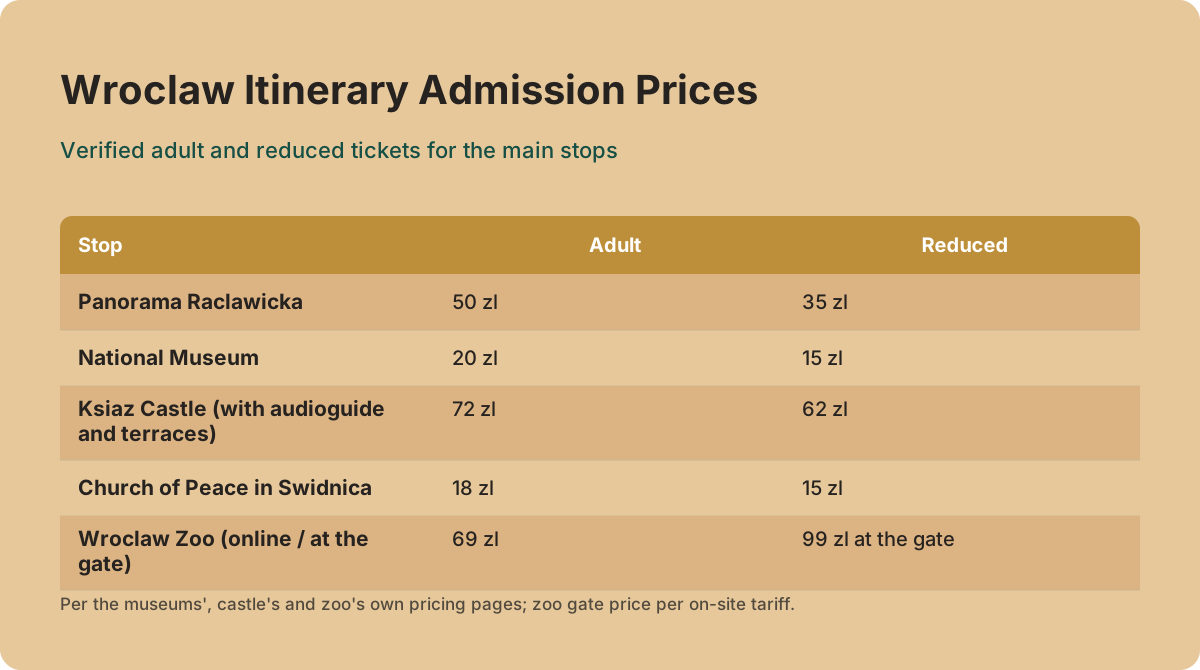
Count the attraction budget stop by stop from the verified till prices: the Panorama at 50 zl, the National Museum at 20 zl, Ksiaz Castle at 72 zl and the zoo at 69 zl online or 99 zl at the gate. City transport adds 4.60 zl per 15-minute hop or around 15 zl for a 24-hour ticket, per MPK's official fare page. Everything else on this itinerary is free to walk.
The table below collects every admission figure this itinerary uses, each one traced to the official source that publishes it. Note the zoo's online-versus-gate gap, 69 versus 99 zl for a standard adult ticket, the single largest avoidable surcharge in the city; buying online first saves enough for lunch.
| Attraction | Adult Price | Reduced Price | Source Basis |
|---|---|---|---|
| Panorama Raclawicka | 50 zl | 35 zl | Museum ticket page |
| National Museum (permanent) | 20 zl | 15 zl | Museum pricing page |
| Wroclaw Zoo (online / gate) | 69 / 99 zl | 59 / 89 zl | Zoo price table |
| Ksiaz Castle + terraces + guide | 72 zl | 62 zl | Castle cennik, 6 May 2026 |
| Church of Peace, Swidnica | 18 zl | 15 zl | Church visitor page |
| Aula Leopoldina | Included in university fee structure | Same basis | University listing |
Transport is cheap enough to be near-irrelevant to the budget. The MPK fare page lists the 15-minute single at 4.60 zl normal and 2.30 zl reduced, with a 30-minute ticket at 7.00/3.50 zl and 24-hour city tickets around the 15.00/7.50 zl band. Multi-day tiers run 26/13, 32/16 and 54/27 zl per the same page. There is no all-inclusive Go City-style tourist pass for Wroclaw; the UrbanCard is a transport-focused fare card with resident discounts and does not cover attraction admission, so plan on individual tickets.
| MPK Ticket | Normal | Reduced |
|---|---|---|
| 15-minute | 4.60 zl | 2.30 zl |
| 30-minute | 7.00 zl | 3.50 zl |
| 24-hour (approx. band) | 15.00 zl | 7.50 zl |
| Multi-day tier 1 | 26.00 zl | 13.00 zl |
| Multi-day tier 2 | 32.00 zl | 16.00 zl |
| Multi-day tier 3 | 54.00 zl | 27.00 zl |
Guided tours are the variable line. Product prices, ratings and durations are not typed into this page because they change; every card and box on this article renders them live from the operator's listing. If guided walks are central to how you travel, the same three picks that structure the itinerary apply here too.
Where Should You Stay For Three Days In Wroclaw?
Stay inside or just off the Old Town for a three-day visit, specifically the streets between the Market Square and the Odra's inner branches, because days one and two are entirely walkable from there and day three's trains leave from the main station on the district's edge. The Stare Miasto core beats riverside or western districts for a first visit.
The logic is time, not charm. Every day-two stop, from Ostrow Tumski to Nadodrze, sits within a half-hour walk of the Market Square, and the main railway station sits on the Old Town's western edge, so the day-three departure costs no commute. The Old Town area guide maps the exact street boundaries. No nightly rate is quoted here because no hotel figure was verified; check live listings for the dates you hold.
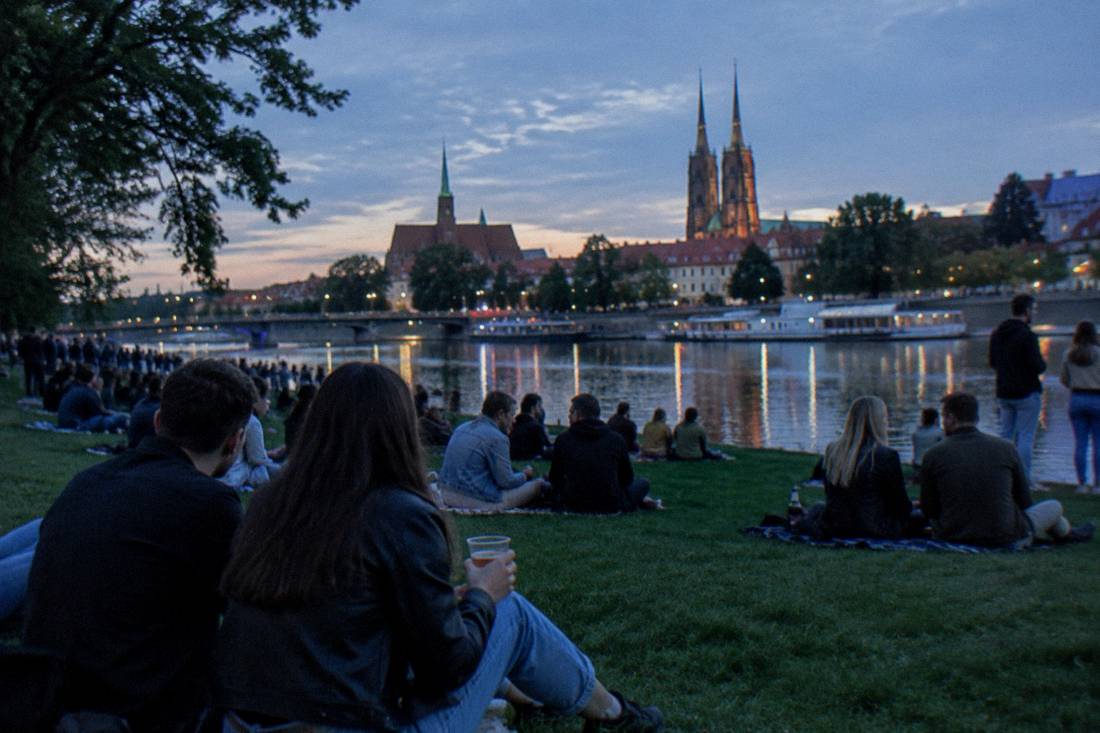
Travelers with a slower pace, or a visit that bleeds into a fourth day, can trade a night or two across the river for the quiet of the island districts. The trade-off cuts the other way for nightlife, which clusters near the center; the safety picture stays calm either way, as the Wroclaw safety guide details, with the standard Central-European city precautions applying after dark.
When Is The Best Time Of Year For Three Days In Wroclaw?
Late April through September is the best window for this itinerary, because Ksiaz Castle's terraces only open 15 April to 30 September and the city's outdoor core, the Market Square, Slodowa Island and the riverbanks, is the point of the visit. IMGW's 1991-2020 normals give July a 19.7C mean, the warmest month, and January 0.0C, the coldest.
July is also the wettest month at 91.4 mm of rain in the normals, which argues for May, June or September over the height of summer if you want the terrace view at Ksiaz with a lower rain risk. Winter has its own case: the Christmas market and the lamplighter-lit Ostrow Tumski make a December visit genuinely atmospheric, and the Wroclaw Christmas itinerary and Wroclaw in winter pages build that variant. Just know that a winter day three loses the castle terraces entirely and should shift to the interiors, the underground tour or the Swidnica churches.
| Month | Mean Temp (C) | Precipitation (mm) | Itinerary Fit |
|---|---|---|---|
| Jan | 0.0 | 28.3 | Winter variant, terraces shut |
| Feb | 1.1 | 25.6 | Cold, low rain, quiet |
| Mar | 4.3 | 35.0 | Late-winter feel |
| Apr | 9.7 | 31.2 | Terraces open mid-month |
| May | 14.3 | 59.6 | Strong pick |
| Jun | 17.7 | 65.4 | Strong pick |
| Jul | 19.7 | 91.4 | Warmest, wettest |
| Aug | 19.3 | 59.5 | Peak summer |
| Sep | 14.5 | 48.4 | Terraces' last month |
| Oct | 9.6 | 37.6 | Terraces closed after 30 Sep |
| Nov | 4.8 | 31.4 | Museum-heavy days |
| Dec | 1.1 | 27.9 | Christmas market season |
All figures are IMGW 1991-2020 climate normals for the Wroclaw station, code 12424. The month-by-month detail, including what each month does to opening hours, lives on the Wroclaw weather by month page. Summer visitors should also read the Wroclaw in summer variant, which pushes day three toward the mountains.
Common Questions About Three Days In Wroclaw
Is three days in Wroclaw enough?
Yes, for the city itself plus one regional day trip. Three days covers the Old Town, Ostrow Tumski, the Panorama Raclawicka, the National Museum cluster and a Ksiaz Castle excursion at a comfortable pace. A fourth day only helps if you want a second regional trip, such as the Giant Mountains, instead of one.
What order should I see Wroclaw's sights in?
Old Town and Market Square first, then Ostrow Tumski and the museums, then the day trip. The walking day teaches the street pattern, the museum day uses it, and the train day lands last when a longer journey feels welcome rather than disruptive.
Do I need a car for three days in Wroclaw?
No. The city core is walkable, MPK tickets start at 4.60 zl for a 15-minute ride per the official fare page, and day three's classic target, Ksiaz Castle, is commonly reached by regional train to Walbrzych plus a bus or taxi connection. A car earns its cost only if you plan multiple scattered regional stops in one day.
Can I do this itinerary with kids?
Yes, with substitutions. The dwarf hunt and Slodowa Island suit children on day one; day two can swap the National Museum afternoon for the zoo, whose Afrykarium is included in the standard ticket per the zoo's price table; day three works best as the zoo or a shorter city day rather than a full castle excursion.
Which day trip should I pick for day three?
Ksiaz Castle is the default: closest, most dramatic, and priced at 72 zl adult with audioguide and terraces per the castle's own tariff. Pick the Swidnica and Jawor Churches of Peace instead for UNESCO history, or the Giant Mountains for scenery, and keep Auschwitz-Birkenau for a dedicated day of its own if that visit is part of your plan.
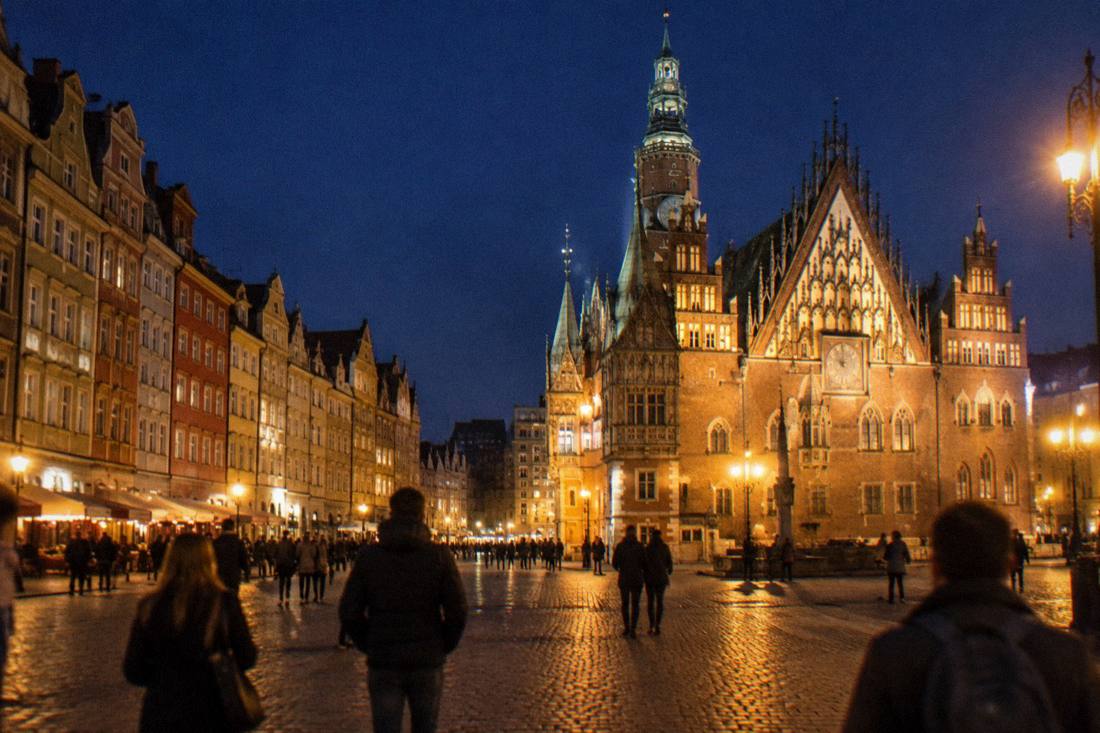
The full shape, then: day one inside the Old Town ring, day two across the islands and into the museums, day three out to Lower Silesia and back. Squeeze it into two days with the two days in Wroclaw plan or stretch the ideas of day one alone with the one day in Wroclaw page. Whichever length you land on, book the zoo online before the gate, buy the Panorama ticket before the National Museum, and check the castle's terrace dates against your travel window before you promise anyone the view.
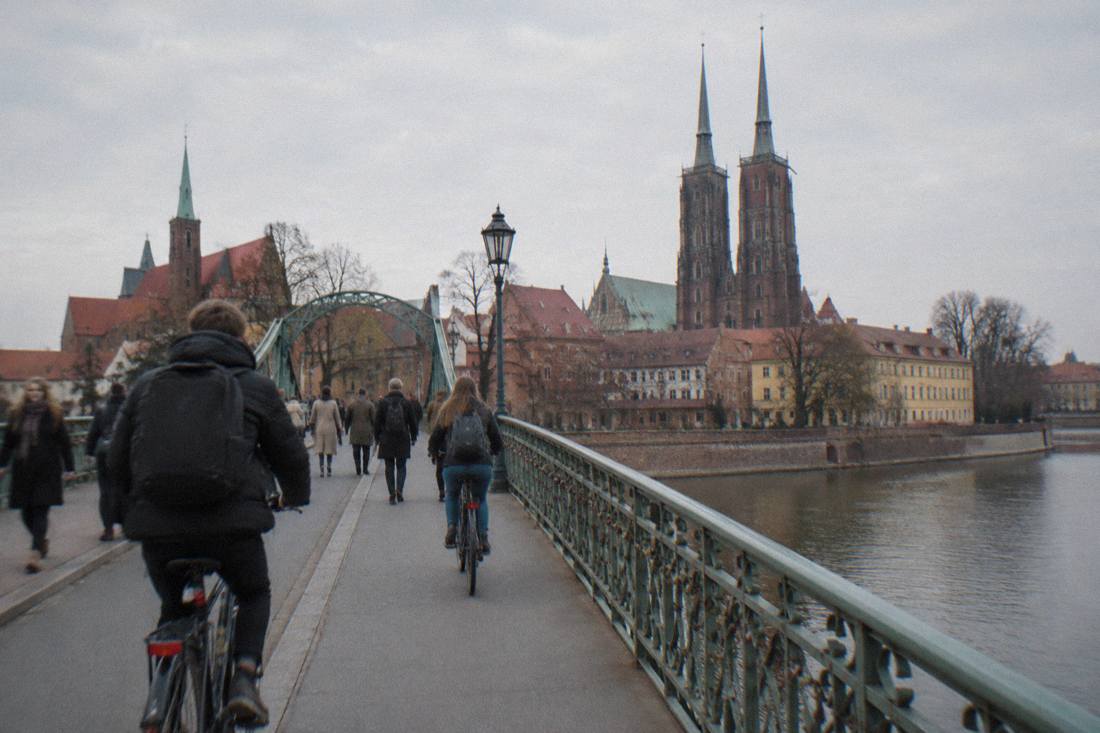
Wroclaw's three-day rhythm is not a checklist to survive; it is a city that rewards the second look. The dwarf you missed on day one is still on his corner on day three, the lamplighter still walks Ostrow Tumski at dusk, and the Panorama's painted battle still unrolls for exactly 30 minutes, every day the museum is open. Build the plan around those constants and the rest of the itinerary, as the editors behind Wroclaw Travel Guide keep finding, more or less builds itself.