How Many Days In Wroclaw Is Enough?
How many days do you need for Wroclaw, Poland? A day-by-day breakdown of what fits in one, two, three and four days, with real admission prices and a day-trip reality check.
Wroclaw, the largest city in Lower Silesia (Dolnoslaskie voivodeship) in southwestern Poland, sits on the Odra river with a compact historic core that can be walked end to end. That compactness is exactly why the "how many days" question has a real answer rather than a shrug: the city's population is 672,601 (GUS, 31 Dec 2025), but the part tourists come for sits within a walkable radius of the market square, with a cluster of river islands, a handful of major museums and a world-class zoo just beyond it. The honest answer depends on whether you want the postcard version of Wroclaw or the version that includes a castle day trip into Lower Silesia.
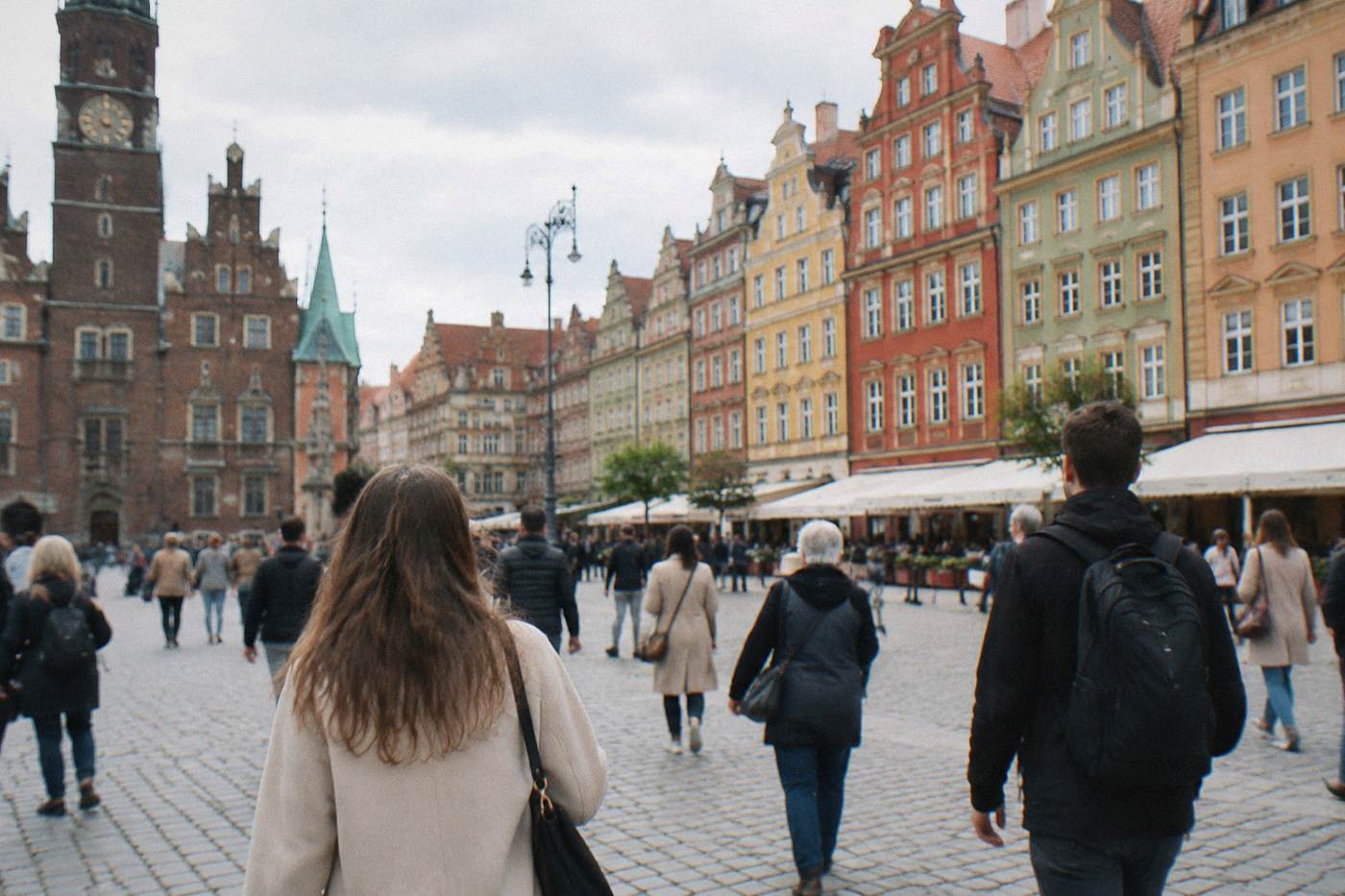
How Many Days In Wroclaw Is Enough?
Two full days are enough for Wroclaw's core sights: the market square, the Old Town, the dwarf hunt, Ostrow Tumski, Slodowa Island and one major museum or the zoo. Three days is the comfortable answer, because it adds Centennial Hall, the Panorama Raclawicka and slower river-island time without rushing. Four days only makes sense if you add a Lower Silesia day trip such as Ksiaz Castle or the Church of Peace in Swidnica.
The single-day visitor exists, and Wroclaw tolerates it, but the day gets thin fast. The city's headline experiences are close together yet additive: the market square alone can absorb a morning, the dwarf statues scattered across the center are a scavenger hunt rather than a single sight, and Ostrow Tumski, the cathedral island, sits far enough north that a rushed itinerary usually drops it. Wroclaw Travel Guide exists because the city repays more than a drive-by.
If the first sentence of this answer is the one you came for, the rest of this page explains what each extra day actually buys, with the real admission figures attached so you can budget as well as plan. For a wider view of whether the city merits the trip at all, see is Wroclaw worth visiting.
What Fits Into One Day In Wroclaw?
One day in Wroclaw covers the market square, a dwarf hunt, the Old Town lanes south of the Rynek, the Odra riverbank and either Ostrow Tumski or one museum, not both. Expect to walk almost everywhere, skip the zoo and skip every day trip, and plan a single well-chosen walking tour rather than self-guiding the whole center in limited time.
A one-day plan works because Wroclaw's core is dense. Start on the market square early, before the crowds, then sweep the Old Town. The guided option most first-timers pick is the small-group Old Town walking tour, about two and a half hours, which covers the square's highlights with a guide who knows the dwarf locations; check live dates with the operator's listing via Check availability. Solo self-guiding is free, but one day is short enough that a guide saves time you would otherwise lose hunting.
The afternoon belongs to the river. Ostrow Tumski, the cathedral island at the north end of the center, is the standard choice, and its gas street lamps are still lit by hand each evening, a detail covered in which cities still have lamplighters. If you skip the island for the National Museum instead, its own pricing page lists the permanent-exhibition ticket at 20 zl adult, 15 zl reduced, with free entry to permanent exhibitions every Saturday, which is a genuinely useful fact for a one-day Saturday visitor.
What one day cannot absorb: the zoo (its own seasonal hours run to late afternoon or evening depending on the day), the Panorama Raclawicka at a relaxed pace, and any of Lower Silesia beyond the city limits. Budget your single day around walking, not around tickets.
What Does A Second Day In Wroclaw Add?
A second day adds the Panorama Raclawicka, the Wroclaw Zoo with its included Afrykarium, and proper time on the river islands, including Slodowa Island, which one day cannot reach at a relaxed pace. It also lets you cross the Odra to Centennial Hall and the surrounding parkland east of the center, the city's one UNESCO-inscribed landmark, inscribed in 2006, designed by Max Berg and built 1911-1913.
The second day is where Wroclaw stops feeling like a whistle-stop. The Panorama Raclawicka is the emotional anchor: a 30-minute screening, and the ticket at 50 zl adult (35 zl reduced) also covers the National Museum's permanent exhibitions, the Ethnographic Museum and the Four Domes Pavilion within 3 months of the visit date, per the museum's own ticketing page. That single rule changes how a two-day itinerary should be sequenced: buy the Panorama first, and your museum access follows free.
The zoo is the other second-day heavyweight. The zoo's own price table gives adult tickets from 69 zl online versus 99 zl at the gate, reduced 59 zl online versus 89 zl at the gate, and the Afrykarium oceanarium is included in the standard ticket, not a separate charge. The online-versus-gate gap is the single biggest avoidable cost in a two-day Wroclaw budget. For travelers weighing it against other Polish zoos, the comparison in what is the best zoo in Poland puts it in context.
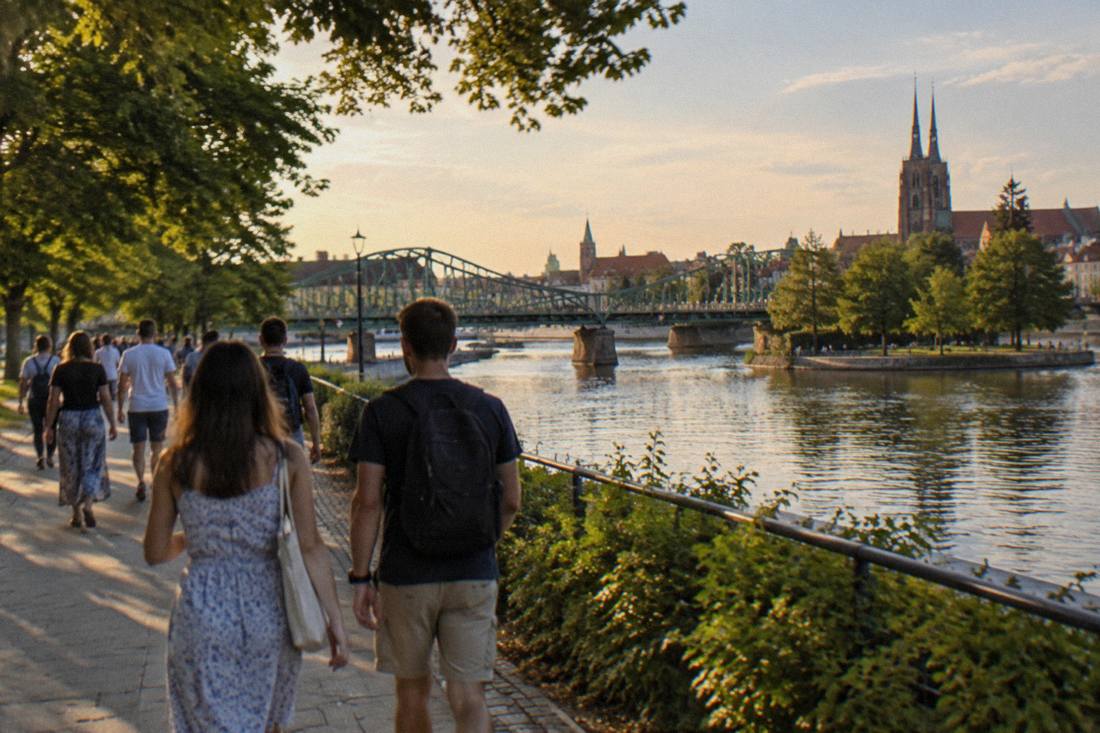
A realistic cost picture for the second day's paid sights, all from official sources:
| Second-day sight | Adult price | Reduced price | Key detail |
|---|---|---|---|
| Panorama Raclawicka | 50 zl | 35 zl | 30-minute screening; ticket also covers National Museum branches for 3 months |
| Wroclaw Zoo (online) | from 69 zl | from 59 zl | Afrykarium included in the standard ticket |
| Wroclaw Zoo (at the gate) | 99 zl | 89 zl | Buying online is the clear saving |
| National Museum (standalone) | 20 zl | 15 zl | Free to permanent exhibitions every Saturday |
The two-day Wroclaw itinerary on this site sequences exactly these pieces, and it is the length most first-time visitors end up wishing they had booked.
When Does Wroclaw Need A Third Day?
A third day in Wroclaw is justified when you want Centennial Hall and its surroundings done properly, the Japanese Garden and Hydropolis, the botanical garden, or unhurried Nadodrze street-art time, none of which fit comfortably alongside the day-one and day-two core. It is also the minimum if you plan a half-day or full-day excursion out of the city, because a day trip consumes a whole day regardless of how early it starts.
Day three is the "depth" day. East of the center, Centennial Hall's reinforced-concrete dome was built 1911-1913 by architect Max Berg with a capacity of up to 10,000, and it anchors a park quarter that also holds the Japanese Garden and the multimedia Hydropolis water museum. On the other side of the river, the Nadodrze district is Wroclaw's recognized street-art and creative quarter, a formerly neglected area transformed by community-driven murals and courtyard renovations; that reputation, not a national "artsy city" label, is the sourced claim worth planning around.
The honest reason most people add day three, though, is Lower Silesia. Ksiaz Castle, owned by the Walbrzych municipality and operated by its municipal company Zamek Ksiaz w Walbrzychu Sp. z o.o., is commonly reached by a regional train to Walbrzych plus a bus or taxi connection, and the castle's own cennik, effective 6 May 2026, prices the castle with audioguide and terraces at 72 zl adult, 62 zl reduced, with the terraces open only 15 April to 30 September. Add the Church of Peace in Swidnica, a UNESCO World Heritage site since 2001 with entry at 18 zl adult and 15 zl reduced, and you have the region's signature pairing, covered in depth in the Ksiaz Castle guide and the Church of Peace guide.
Trip-length math, summarized:
| Days in Wroclaw | What is realistic | What you sacrifice |
|---|---|---|
| 1 day | Market square, Old Town, dwarf hunt, riverbank, one of Ostrow Tumski or one museum | Zoo, Panorama, Centennial Hall, all day trips |
| 2 days | Everything above plus Panorama Raclawicka, zoo with Afrykarium, Slodowa Island, Ostrow Tumski | Centennial Hall quarter at leisure, Nadodrze, day trips |
| 3 days | All core sights plus Centennial Hall, Japanese Garden, Hydropolis, Nadodrze, or one day trip | A second day trip, relaxed museum depth |
| 4+ days | Multiple Lower Silesia day trips, slower pace, seasonal events | Only if the city itself is the sole goal, four is generous |
Is Four Days In Wroclaw Too Many?
Four days in Wroclaw is not too many if at least one of them leaves the city: a Ksiaz Castle and Swidnica excursion, the Giant Mountains, or the Table Mountains all sit within day-trip range of Lower Silesia. Four days spent entirely inside Wroclaw's core is more than the core needs, since the walkable center is genuinely small and the third day already covers the second-tier sights.
The distinction matters. The city itself, for all its charm, has a bounded center; this is not a capital with endless districts. But Lower Silesia around it is dense with castles, mountains and UNESCO sites, and the region's facts are laid out in what is Silesia famous for. Travelers who stretch to four days almost always report that the day trip was the highlight, and the three-day Wroclaw itinerary exists precisely to make that fourth decision easier.
Season affects the count, too. IMGW's 1991-2020 climate normals for the Wroclaw station show a January mean of 0.0C and a July mean of 19.7C, with an annual mean of 9.7C, so short winter days compress what fits into any given day, while the summer season opens the Ksiaz terraces (15 April to 30 September only) and the zoo's longest hours. A two-day winter visit and a two-day summer visit are not the same product. Christmas-market season bends the rule in the other direction, and the question is Wroclaw worth visiting at Christmas covers that case.
Common Questions About Days In Wroclaw
How many days in Wroclaw is enough?
Two days are enough for the core sights: the market square, the Old Town, the dwarfs, Ostrow Tumski and one major museum or the zoo. Three days is the comfortable answer, adding Centennial Hall, the Panorama Raclawicka and river-island time. Add a fourth day only for a Lower Silesia day trip.
Can you see Wroclaw in one day?
You can see the market square, the Old Town and a dwarf hunt in one day, plus either Ostrow Tumski or one museum, but not the zoo, the Panorama Raclawicka or any day trip. One day is a sampler, not the full city.
Is Wroclaw a weekend destination?
Yes, a weekend maps cleanly onto the two-day core itinerary, with Saturday offering free entry to the National Museum's permanent exhibitions. A long weekend adds the third day that makes a Ksiaz Castle or Church of Peace excursion possible.
Is 3 days in Wroclaw too much?
No. Three days is not too much if day three is used for the Centennial Hall quarter, Nadodrze or a day trip. Three days spent only in the compact core would be generous, which is why the third day is best spent widening the circle.
Do you need a car for a Wroclaw day trip?
No. Ksiaz Castle is commonly reached by a regional train to Walbrzych plus a bus or taxi connection, and organized day tours from Wroclaw handle the transport. A car only widens the range of smaller villages and viewpoints you can string together.
The short version: book two nights, sleep on it, and if the dwarf hunt hooked you, a third day in Lower Silesia will not feel like padding.