Wroclaw Weather By Month
Official IMGW climate normals for Wroclaw, Poland, month by month: which months are mild, which are wet, and how the numbers should shape your itinerary.
Short answer
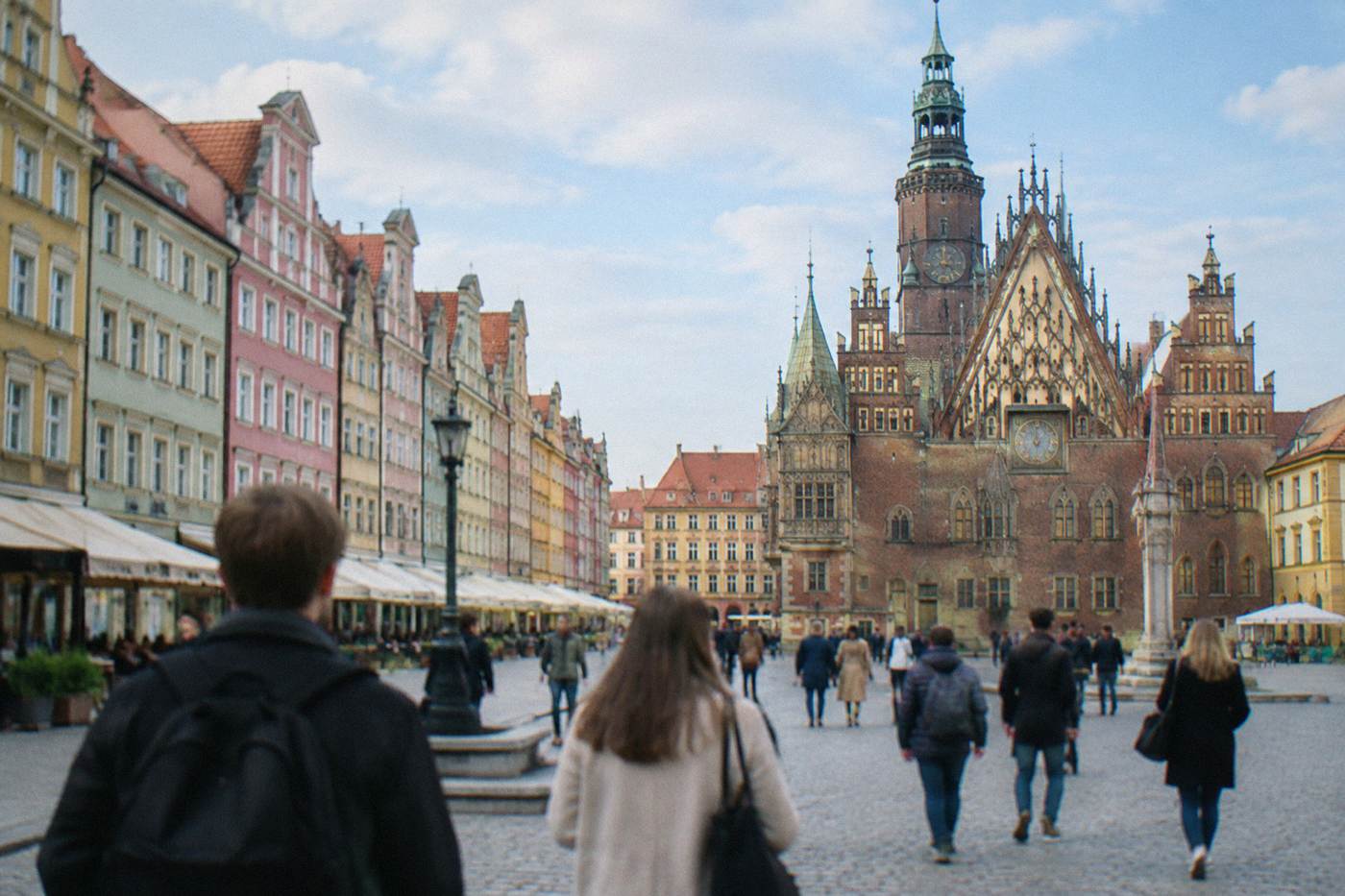
Wroclaw has a temperate climate with a 0.0C January mean, a 19.7C July mean and an annual mean of 9.7C, per the IMGW 1991-2020 normals for station 12424. May to September is the warm stretch; July is both the warmest and wettest month.
Wroclaw, the largest city in Lower Silesia in southwestern Poland, sits on the Odra river with a temperate climate that swings from a mean of 0.0C in January to 19.7C in July. Those two numbers come from the IMGW 1991-2020 climate normals for the Wroclaw synoptic station, station code 12424, the official long-run record published by Poland's Institute of Meteorology and Water Management. This guide walks through the Wroclaw weather by month, what each season means for sightseeing, and how the numbers should steer your packing list and your itinerary.
What Is The Weather Like In Wroclaw Throughout The Year?
Wroclaw has four real seasons, with monthly mean temperatures running from 0.0C in January up to 19.7C in July and an annual mean of 9.7C, according to the IMGW 1991-2020 climate normals for the city's synoptic station. Spring warms quickly from 4.3C in March to 14.3C in May, summer stays in the high teens, and autumn cools back through 14.5C in September to 4.8C in November.
That is a temperate, continental-leaning pattern, and it is one of the gentler versions of it in Poland. IMGW's own normals table places Wroclaw's January and July figures among the mildest of Poland's major synoptic stations, which matters more than you might think: the same latitude inland can run noticeably sharper in both directions. The city's position on the flat Odra valley in the southwest, closer to the moderating influence of Central Europe's lowlands than to the Baltic coast or the mountains, is the usual explanation offered for the moderate profile.
What the numbers do not capture is texture. A July mean of 19.7C averages cool nights against warm afternoons, so a single day can feel like two seasons. A January mean of 0.0C sits right at the freezing line, which in practice means weeks of grey, damp cold rather than deep snow, punctuated by colder snaps. Rainfall is spread across the year rather than concentrated in one wet season, though the summer months carry the heaviest totals.
If you are choosing between seasons rather than months, the honest summary is this: late spring and early summer give the best balance of warmth and greenery, high summer gives the longest days but the most rain, early autumn is the sleeper pick for mild air and thin crowds, and winter is grey, cheap and atmospheric around the Christmas market. The deeper comparison lives in the best time to visit Wroclaw guide, which weighs crowd levels and prices alongside the climate record.
Wroclaw Weather By Month: The Official IMGW Numbers
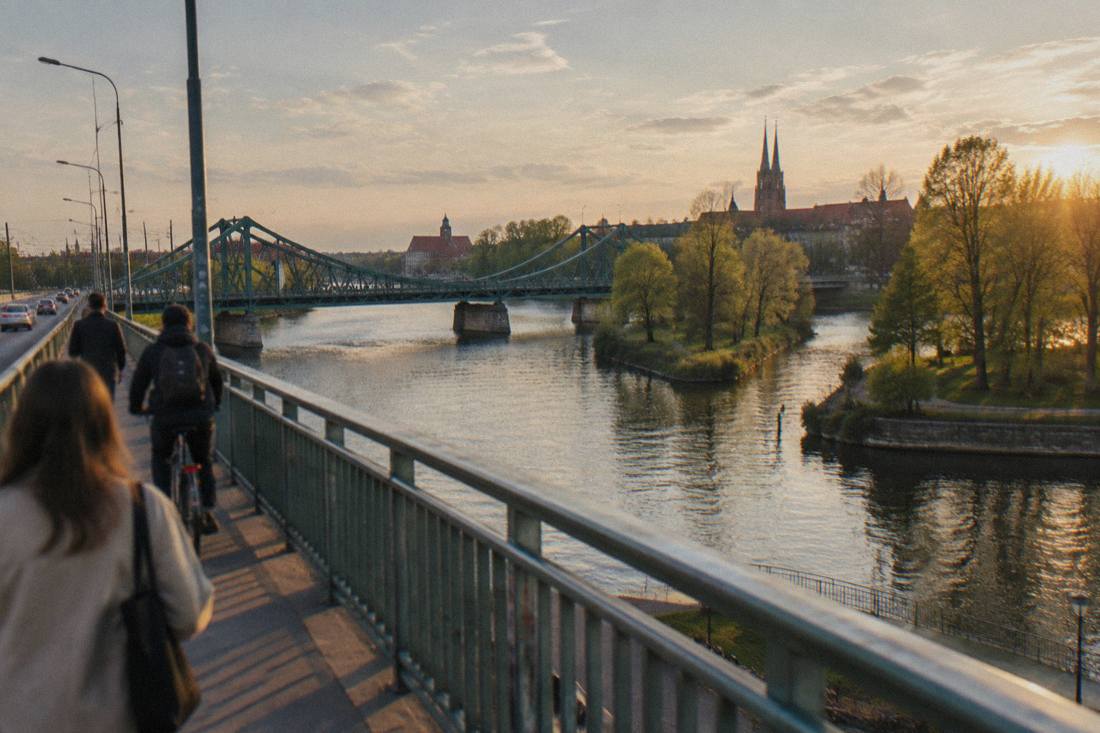
The IMGW 1991-2020 normals for Wroclaw give January 0.0C, February 1.1C, March 4.3C, April 9.7C, May 14.3C, June 17.7C, July 19.7C, August 19.3C, September 14.5C, October 9.6C, November 4.8C and December 1.1C, with an annual mean of 9.7C, and monthly rainfall ranging from 25.6 mm in February to 91.4 mm in July.
Here is the full record. The temperature column is the mean monthly air temperature; the rainfall column is the mean monthly precipitation total, both from IMGW's published normals for station 12424.
| Month | Mean temperature | Mean precipitation |
|---|---|---|
| January | 0.0C | 28.3 mm |
| February | 1.1C | 25.6 mm |
| March | 4.3C | 35.0 mm |
| April | 9.7C | 31.2 mm |
| May | 14.3C | 59.6 mm |
| June | 17.7C | 65.4 mm |
| July | 19.7C | 91.4 mm |
| August | 19.3C | 59.5 mm |
| September | 14.5C | 48.4 mm |
| October | 9.6C | 37.6 mm |
| November | 4.8C | 31.4 mm |
| December | 1.1C | 27.9 mm |
| Annual | 9.7C mean | 541.3 mm total |
Read the table as a planning tool, not a forecast. Averages smooth out the extremes in both directions: a March day can still surprise you in either direction, and a July week can pass without a drop of rain or deliver several of the month's 91.4 mm in one afternoon storm. What the normals reliably tell you is the shape of the year, and that shape is remarkably steady in Wroclaw.
Two patterns stand out. First, July and August are the only months whose means sit above 19C, so "hot" in Wroclaw is a two-month story, not a four-month one. Second, the rainfall column climbs steadily from spring into July and then falls away again, which means the warmest weather and the wettest weather overlap. That single fact should shape a summer itinerary: book the indoor anchors, like the Panorama Raclawicka with its 30-minute screening, as rainy-day reserves rather than guarantees of dry skies.
A month-by-month quick read for planning:
| Month | Planning read |
|---|---|
| January | Coldest month; grey and damp, right at the freezing line |
| February | Marginally milder than January, driest month of the normals |
| March | First real warming; changeable, layers essential |
| April | Crossing into double digits; parks begin to green |
| May | Mild, flowers out, rainfall rising toward summer |
| June | Warm and green; one of the wetter months |
| July | Warmest and wettest month of the year |
| August | Nearly as warm as July, rainfall dropping sharply |
| September | Mild, drier, thinner crowds after the school holidays |
| October | Cooling into single digits; reliable leaf color |
| November | Grey and damp as the year winds down |
| December | Cold, dark and busy around the Christmas market |
Which Month Should You Choose For A Visit To Wroclaw?
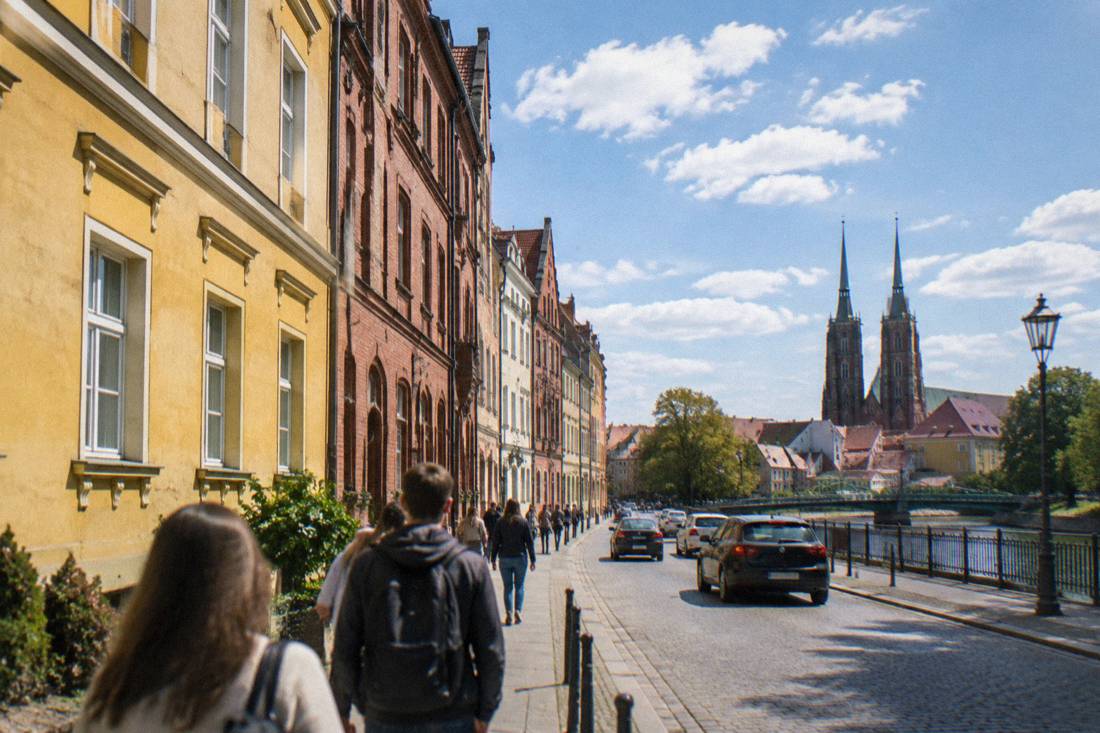
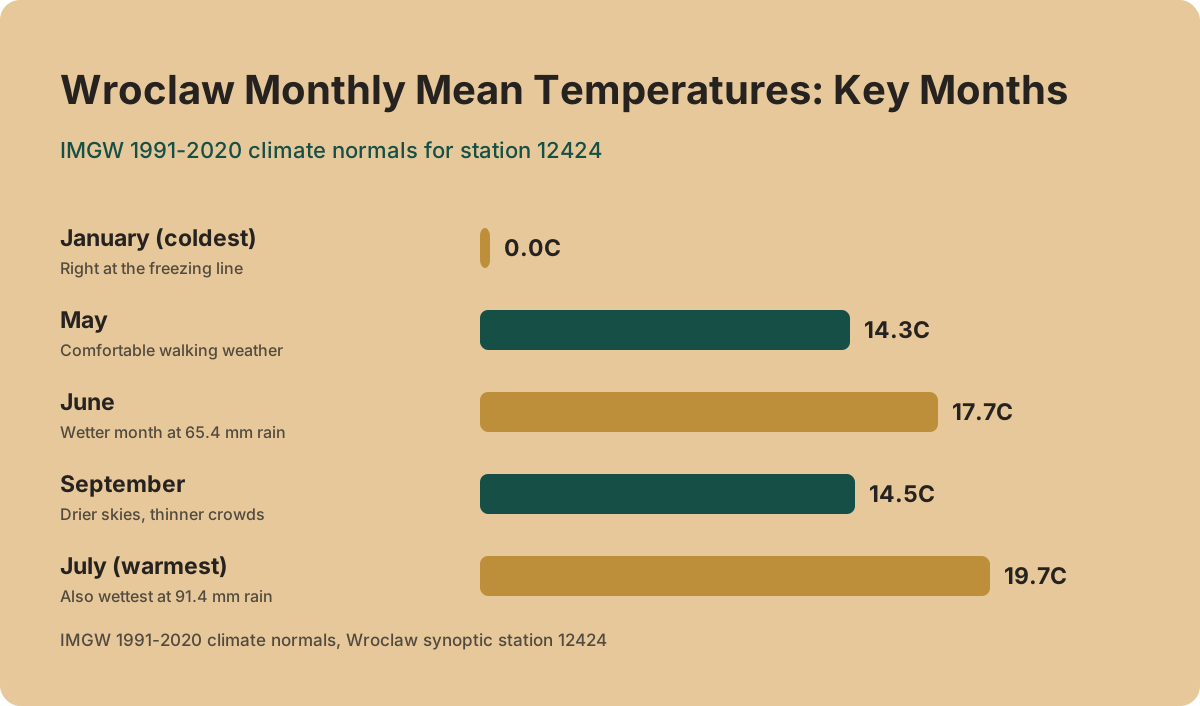
May, June and September are the strongest months on the climate record alone: May averages 14.3C, June 17.7C and September 14.5C, and September's 48.4 mm of rain is well below the July peak of 91.4 mm, so you get near-summer warmth with noticeably drier skies and thinner crowds than high summer.
September is the month this site would argue for hardest. The 14.5C mean sits within half a degree of May's, but the city has emptied of the August holiday rush, the terrace restaurants are still open in the evenings, and the rainfall total stays low. It is the month where the climate record and the crowd calendar point the same way.
May and June trade places depending on what you want. May is the green month: the Botanical Garden and the city's parks are at their freshest, and 14.3C is comfortable walking weather from morning to night. June is warmer at 17.7C, but it carries one of the heavier rainfall totals at 65.4 mm, so it rewards a flexible plan. If your heart is set on long, warm evenings on Slodowa Island with a drink, June wins. If you want dependable mild days for walking the Old Town, May edges it.
December deserves a separate word because the numbers undersell it. A 1.1C mean sounds grim, and honestly, it is grey. But the Christmas market transforms the market square, mulled wine solves the cold, and hotel rates outside the market weekends sit well below summer peaks. Winter weather in Wroclaw is rarely extreme; it is merely persistent. Pack for damp chill, not arctic cold, and the season pays you back in atmosphere.
How Cold Do Wroclaw Winters Actually Get?
Wroclaw's winter means sit at 0.0C in January, 1.1C in February and 1.1C in December, per the IMGW normals, and its January figure is among the mildest of Poland's major synoptic stations, so winters here are grey, damp and hovering around freezing rather than locked in deep snow.
That freezing-line position is the defining feature. A mean of 0.0C means a typical January oscillates either side of the freezing point: frosty nights, raw mornings, afternoons that creep above freezing. Snow falls and often does not settle for long, turning to slush on the cobblestones. The practical consequence is footwear: waterproof shoes with real grip matter more in a Wroclaw January than a heavy parka does.
Daylight is the other cost of the season. December days are short, with the sky darkening well before the late afternoon commute ends. Sightseeing days compress, which argues for a winter itinerary built around concentrated indoor anchors: the National Museum with its free Saturdays, the Hydropolis water museum, the Four Domes Pavilion. The Panorama Raclawicka's winter schedule runs Tuesday to Sunday and closes Mondays, so plan around that.
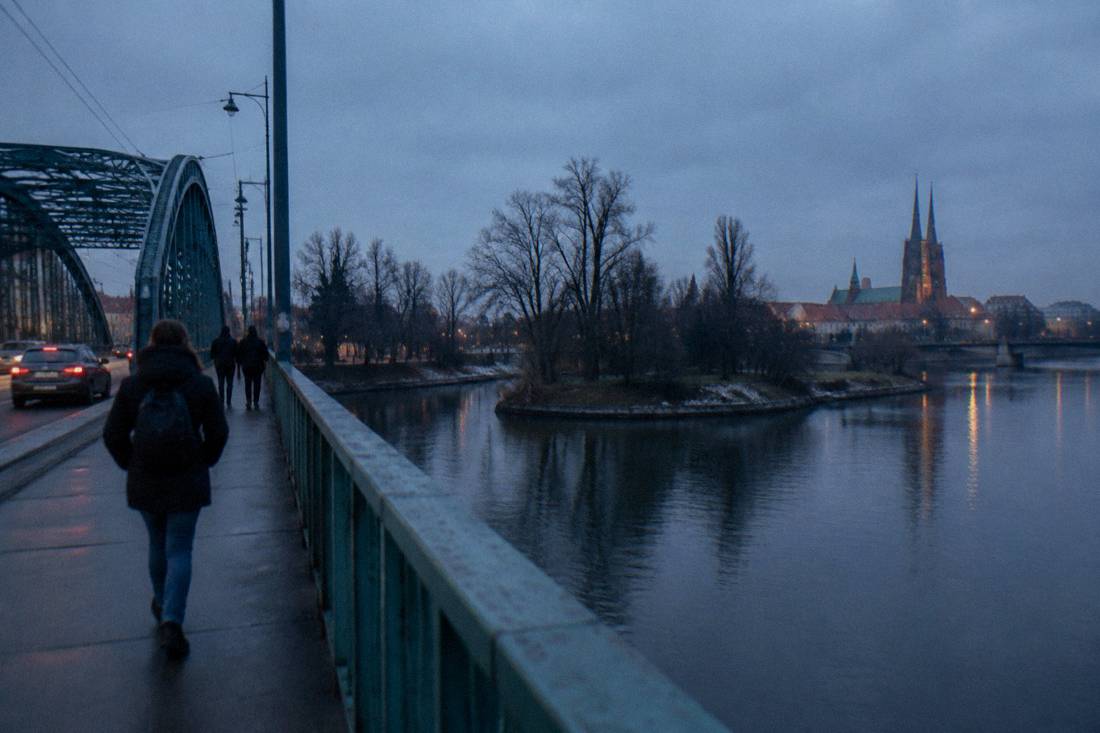
There is a compensating upside. The dwarf hunt, the city's signature street game, works perfectly in cold weather because it keeps you moving. And the mist that settles over the Odra and Ostrow Tumski on cold mornings is genuinely photogenic; the cathedral island in freezing fog is one of the most atmospheric scenes in Poland. The Wroclaw in winter guide collects the full cold-season itinerary.
How Warm Is A Wroclaw Summer?
July is the warmest month at a 19.7C mean, with August close behind at 19.3C and June at 17.7C, and these are the only months whose normals reach the high teens, so Wroclaw summers are pleasantly warm rather than hot, with the caveat that July is also the wettest month of the year at 91.4 mm.
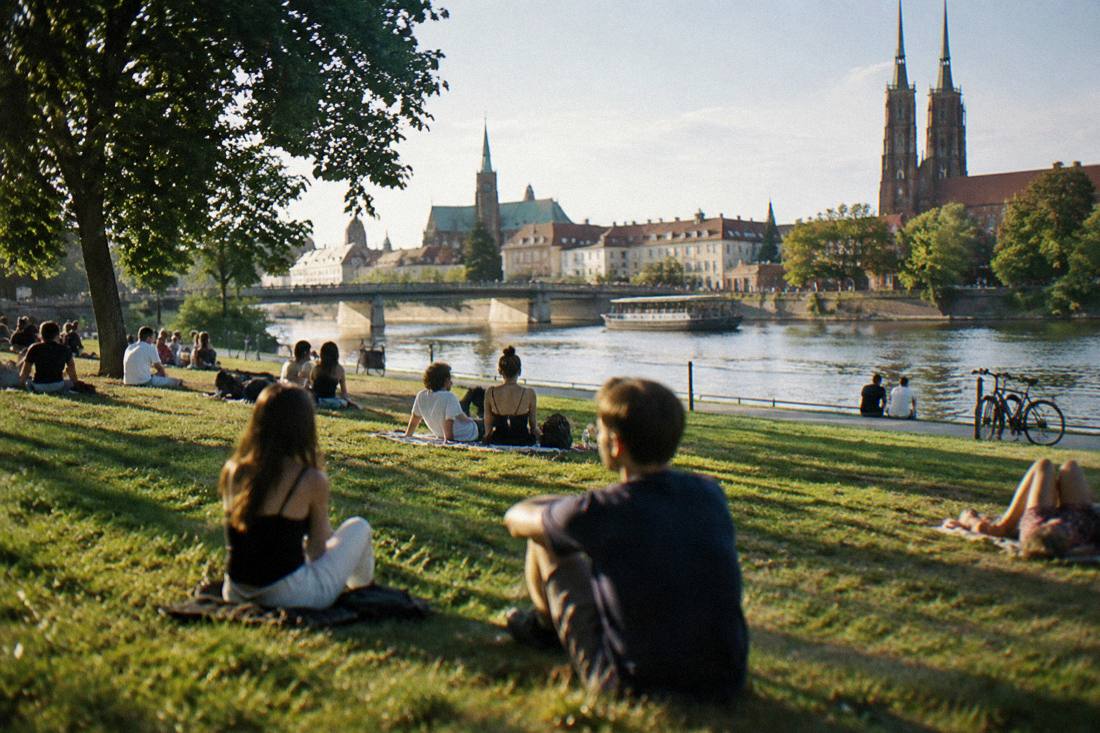
Nineteen-point-seven is a mean, not a maximum. Afternoon highs in a typical July push well into the twenties, and warm spells can run hotter, but the nights usually cool down, which keeps the evenings comfortable for the riverbank life the city is known for. This is not a southern-European summer. It is a mild, green one, and the city's shape, islands, bridges, riverside lawns, is built for exactly that.
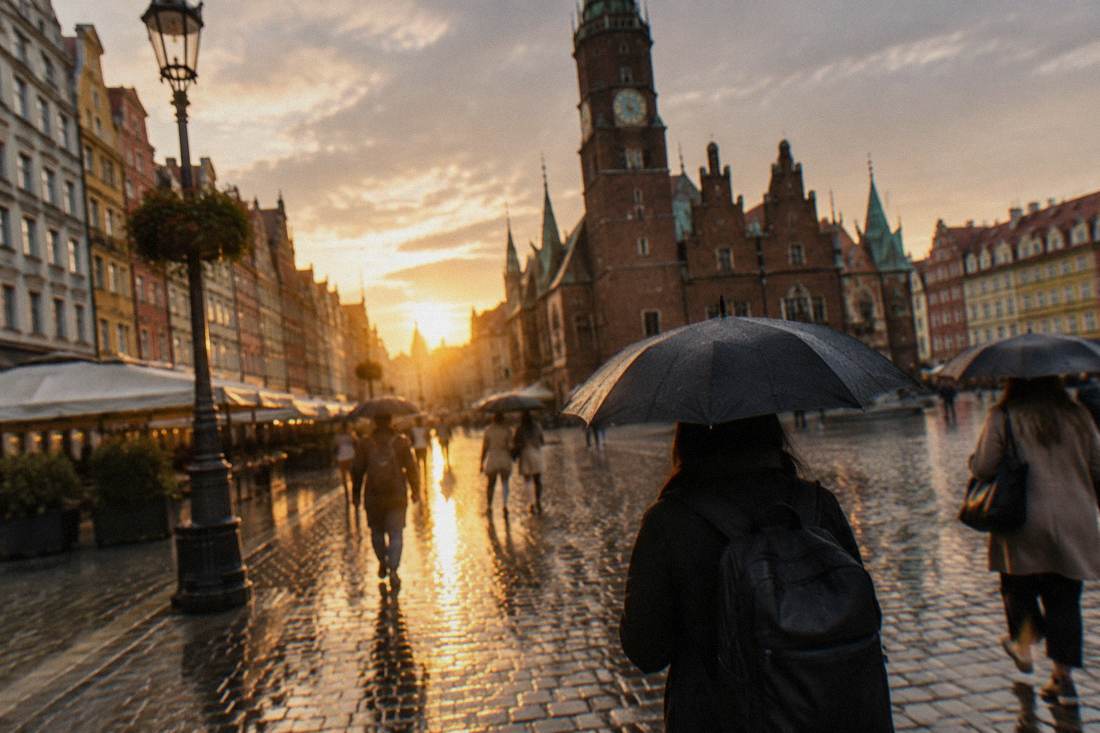
The July rainfall number deserves respect. Ninety-one millimetres in a month means summer thunderstorms, and they can be sudden and heavy even inside a warm week. The planning response is structure: keep at least one flexible indoor slot per day. The rainy day Wroclaw guide lists the full set, but the short version is the zoo's Afrykarium (open daily year-round, with summer grounds hours running to 18:00 or 19:00 depending on the weekday), the National Museum and the cinema-scale Panorama screening.
August is the quiet compromise of summer: 19.3C, barely cooler, with rainfall dropping to 59.5 mm. Once the school holidays begin to thin, late August combines near-peak warmth with softer crowds. If you can only travel in summer and dislike the gamble of July, the last two weeks of August are the savvier window.
What Should You Pack For Wroclaw's Weather?
Pack for a 0.0C-to-19.7C annual spread with rain in every month: layers and a waterproof outer layer year-round, warm waterproof footwear from November through March, and light clothing with a jacket for evenings from May through September, because even July's 19.7C mean comes with cool nights and 91.4 mm of rain.
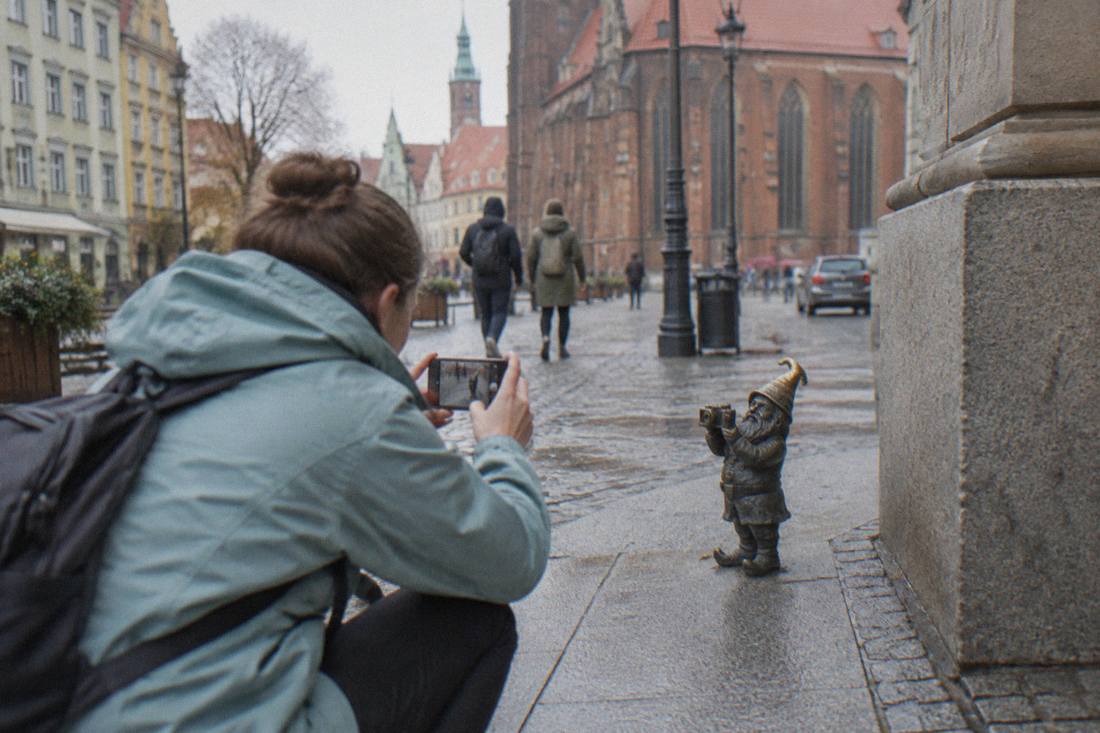
The single most valuable item in any Wroclaw season is a compact umbrella or a packable rain shell. No month in the normals table drops below the 25.6 mm February low, so the question is never whether it can rain, only how hard. Cobblestones in the Old Town hold water, and the dwarf statues you will be bent over photographing sit at puddle height.
| Season | Mean range | Packing core |
|---|---|---|
| Winter (Dec-Feb) | 0.0C to 1.1C | Insulated coat, waterproof boots with grip, hat, gloves |
| Spring (Mar-May) | 4.3C to 14.3C | Layers, light jacket, umbrella, mix of warm and mild-day options |
| Summer (Jun-Aug) | 17.7C to 19.7C | Light clothing, evening jacket, rain shell, comfortable walking shoes |
| Autumn (Sep-Nov) | 4.8C to 14.5C | Mid-layers, rain jacket, warmer shoes as the season deepens |
Footwear is the underestimated decision. Wroclaw is a walking city: the distances between the market square, the cathedral island and the university quarter are short, but they are cobbled, and the appeal of the city is precisely in covering them on foot. The getting around Wroclaw guide covers the transport network, including the 4.60 zl base 15-minute ticket, but visitors tend to walk far more than they ride.
How Does Rain Affect Sightseeing In Wroclaw?
Every month of the IMGW normals carries at least 25.6 mm of rain, and the totals climb from 31.2 mm in April to 91.4 mm in July, so rain is a year-round planning variable in Wroclaw, best handled by pairing each outdoor block with an indoor anchor that does not need a dry sky.
The city is unusually well built for this. The indoor roster is deep: the Panorama Raclawicka's 30-minute screening (adult 50 zl, reduced 35 zl, and the ticket also covers the National Museum's permanent exhibitions, the Ethnographic Museum and the Four Domes Pavilion within three months of the visit date), the National Museum itself (adult 20 zl, reduced 15 zl, free entry to permanent exhibitions every Saturday), and the zoo's Afrykarium, which the zoo's own price table states is included in the standard ticket rather than charged separately.
That Panorama cross-ticket is the fact most first-time visitors miss. One 50 zl admission effectively banks four museums across three months, which converts a rained-out afternoon into a multi-stop museum day. The Wroclaw trip cost guide works through the full budget picture, but the short version is that a bad-weather day in Wroclaw costs less to rescue than in most European cities.
Guided walks are another answer to variable weather, because a local guide routes around conditions rather than abandoning the plan. The private Jewish heritage tour keeps much of its route on covered and indoor ground, and its listing on this site carries the full details: Check availability alongside the tour's own page. A walk with a historian through GuruWalk covers the same logic in a tip-based format.
When Is Wroclaw's Weather Best For Day Trips?
Day-trip weather in Lower Silesia follows the same curve as the city, with the practical windows being May through September for the Giant Mountains and the valleys, and the hard constraint being Ksiaz Castle's terraces, which the castle's own tariff states are open only from 15 April to 30 September.
The Ksiaz Castle terrace season is the detail that quietly decides many itineraries. The castle interiors and the Palm House run year-round on seasonal hours, but the terraces, the part of the visit that depends on the view, close from mid-April to the end of September. Arrive in March or October and you are seeing a different, more enclosed product. The castle's cennik, effective 6 May 2026, prices the castle with audioguide and terraces at 72.00 zl adult and 62.00 zl reduced, with the full All Day Ticket at 104.00/94.00 zl covering the underground, the Palm House, the stud farm and the mausoleum too.
| Day-trip site | Weather dependency | Best climate window |
|---|---|---|
| Ksiaz Castle | Terraces open 15 Apr-30 Sep only | May to September |
| Church of Peace, Swidnica | Interior visit, low dependency | Any month; adult 18 zl, reduced 15 zl |
| Giant Mountains (Karkonosze) | Mountain weather, much colder up top | June to September |
| Karpacz and palaces valley | Outdoor-heavy routes | May to September |
| Project Riese, Osowka | Largely underground, low dependency | Any month; underground tour alone 45.00/39.00 zl at Ksiaz |
Note the asymmetry in that table. The underground and interior sites, Project Riese's tunnels, the Church of Peace, castle interiors, are weather-proof in a way the terrace-and-mountain sites are not. A wet-forecast week argues for swapping a Giant Mountains day for a Riese-and-Ksiaz day rather than cancelling the excursion entirely. The day trips from Wroclaw planning pages break each option down.
Organized tours absorb the weather risk differently, because the operator adapts the timing rather than leaving you to reroute on your own. The two strongest Ksiaz options from this site's roster are listed one after the other here, with the same destination but different lengths and group formats, so the choice between them is really a choice about how much of the day you want to give the castle.
The longer of the two is the deeper dive: more time inside the castle complex and the drive out through Lower Silesia built into the day.
Does Wroclaw Weather Differ From Krakow's?
Both cities sit in the same temperate Polish climate zone, but Krakow is larger in population, 816,614 to Wroclaw's 672,601 per GUS at 31 December 2025, and IMGW's normals place Wroclaw's January and July figures among the mildest of Poland's major synoptic stations, so Wroclaw tends toward marginally softer winter and summer extremes.
The differences are small in monthly means and real in feel. Krakow, further east and further from the moderating western lowlands, runs a slightly sharper continental signature. Wroclaw's position in the Odra valley in the southwest gives it that gentler profile IMGW's table shows. Neither city is "warm" in winter; both are walkable in summer. If weather is the tiebreaker between the two, the edge goes to Wroclaw for mildness and to Krakow for a bigger, more famous city scale, a trade-off unpacked in the Wroclaw vs Krakow comparison.
What should not decide the tiebreaker is folklore. Claims circulate that one Polish city or another is "the sunniest" or "the warmest"; no such ranking was sourced, and IMGW's published normals for Wroclaw carry mean temperature and precipitation, not sunshine hours. Treat any sunshine-hours figure you see quoted for Wroclaw with suspicion unless it cites the IMGW normals directly.
Common Questions About Wroclaw Weather
What Is The Warmest Month In Wroclaw?
July, with a mean temperature of 19.7C per the IMGW 1991-2020 normals for the Wroclaw station. August is a close second at 19.3C. July is also the wettest month of the year at 91.4 mm of rain, so the warmest weather and the heaviest rainfall arrive together.
What Is The Coldest Month In Wroclaw?
January, with a mean of 0.0C per the IMGW normals. February and December both average 1.1C. Winters hover at the freezing line rather than running far below it, and IMGW's table places Wroclaw's January figure among the mildest of Poland's major synoptic stations.
Does It Rain A Lot In Wroclaw?
Wroclaw averages 541.3 mm of precipitation per year across the months of the IMGW normals, with every month carrying at least the 25.6 mm February low. July is the wettest month at 91.4 mm and February the driest. It is steady, spread-out rainfall rather than a concentrated wet season, so a packable rain layer belongs in your bag in every month.
When Is The Best Time To Visit Wroclaw?
On the climate record alone, May, June and September: means of 14.3C, 17.7C and 14.5C respectively, with September's 48.4 mm of rain well under July's peak. December is cold at a 1.1C mean but carries the Christmas market atmosphere, and winter hotel rates sit below summer's.
Is Wroclaw Warmer Than Krakow?
The two cities sit in the same climate zone and their monthly means are close. IMGW's normals place Wroclaw's January and July figures among the mildest of Poland's major synoptic stations, which suggests marginally softer extremes in Wroclaw. No verified city-to-city temperature ranking was sourced, so treat any firm "warmer city" claim with caution.
What Should I Pack For Wroclaw Weather?
Layers and a waterproof outer layer in every season, warm waterproof footwear from November through March, and light clothing plus an evening jacket from May through September. The annual mean spread runs from 0.0C to 19.7C, and rain falls in every month of the year.
Where To Check Conditions And Book Around The Weather
Build your Wroclaw plan on the IMGW normals for the shape of the year, then check a live forecast in the final week before travel, because the normals tell you what a month is like on average, not what your specific week will do; pair one indoor anchor per outdoor block and the weather stops being able to break the itinerary.
That is the whole method. The Wroclaw Travel Guide homepage collects the city's core itinerary pieces, and the month-by-month table above is the reference to come back to when you are choosing dates. Late spring for green and mild, September for the balance of warmth and dry skies, December for the market and the mist on the Odra. Whichever you pick, the where to stay in Wroclaw guide pairs districts with seasons, and the city will do the rest.