Wroclaw Vs Warsaw
Wroclaw, the largest city in Lower Silesia in southwestern Poland, is regularly compared with Warsaw, the capital. One is a compact river city of islands and dwarfs, the other the national capital. Here is how the two actually stack up for a visitor.
Short answer
Warsaw is Poland's capital and business center, while Wroclaw is a smaller, compact university city in Lower Silesia that you can walk end to end. Warsaw suits travelers who want big museums, skyscrapers and history at national scale; Wroclaw suits travelers who want an atmospheric Old Town, river islands and everything within walking distance. Both are reachable by direct intercity rail.
Wroclaw, the largest city in Lower Silesia (Dolnoslaskie voivodeship) in southwestern Poland, gets compared to Warsaw constantly, and the comparison is a fair one to make before you book. Both are Polish cities with serious history, both are walkable at their cores, and both sit on major rivers. But they reward different kinds of trips. Warsaw is the capital, a national-scale metropolis rebuilt around its historic core. Wroclaw is a compact river city of 672,601 people (31 Dec 2025, GUS/Statistics Poland), small enough that its main sights connect on foot across a set of river islands. This guide compares the two honestly: size, Old Town, cost, food, transport between them, and which one fits which traveler.
How Big Is Wroclaw Compared To Warsaw?
Wroclaw's population is 672,601 as of 31 December 2025 per GUS, Statistics Poland, making it one of Poland's largest cities but well behind the capital region in scale. Warsaw is Poland's capital and by far its largest urban economy, the seat of government and the main international business center. Wroclaw, by contrast, is the capital of the Dolnoslaskie voivodeship in the southwest, a university city on the Odra river. In practical terms, Warsaw is a metropolis you plan around; Wroclaw is a city you can walk across.
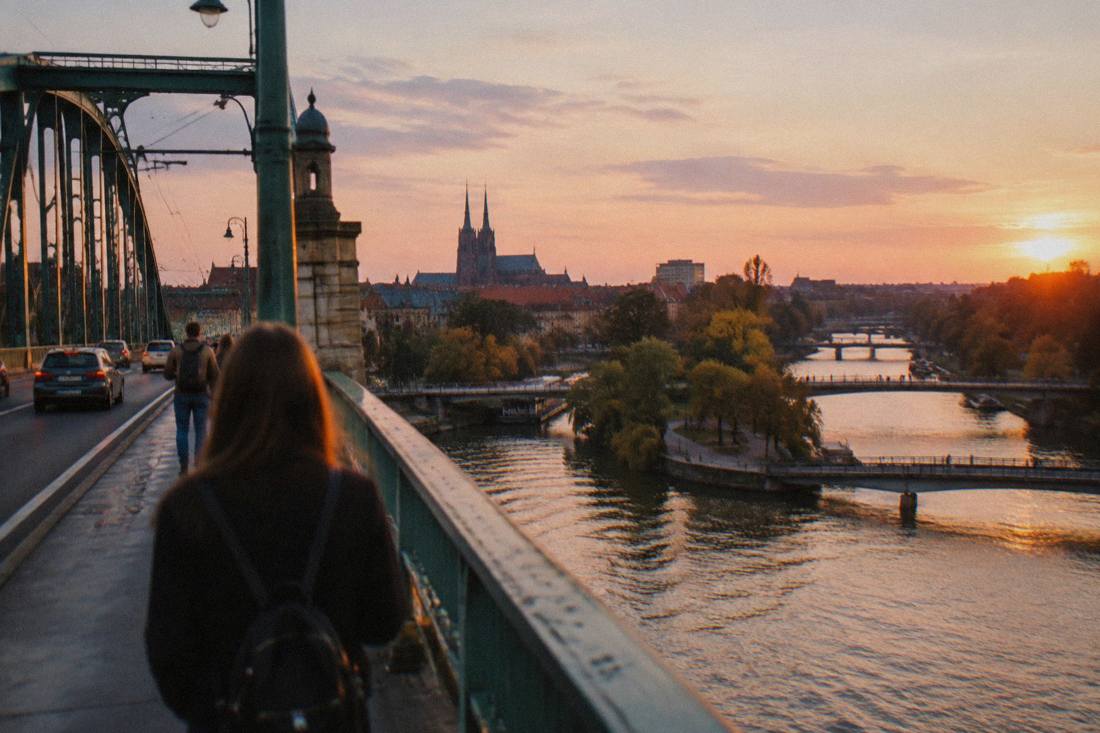
Scale matters differently on each trip. In Wroclaw, the Market Square, Ostrow Tumski cathedral island, the National Museum and the university quarter all sit within roughly one connected walking zone, and the city's twelve river islands give that zone a distinctive geography you notice within a day. Warsaw's historic core, the Old Town and the Royal Castle, is compact too, but the city around it spreads far wider, and the major sightseeing, from the national museums to the skyscraper district, is distributed across districts you reach by metro or tram.
The comparison travelers more often ask is Wroclaw vs Krakow, and the sourced numbers there are worth knowing because they anchor where Wroclaw really sits: Krakow's population is 816,614 and Krakow's Rynek Glowny, at roughly 4 hectares, is larger than Wroclaw's Rynek at roughly 3.64 to 3.79 hectares (both per the GUS figures and square-size data in the site's verified fact pack). Wroclaw is not Poland's second city by any measure sourced here, and any guide telling you its Market Square is Europe's second largest is repeating a claim this site could not confirm. Within the Wroclaw vs Warsaw frame, the honest summary is simple: the capital is bigger in every dimension, and Wroclaw's appeal is precisely that it is not.
| Measure | Wroclaw | Krakow (for reference) |
|---|---|---|
| Population (31 Dec 2025, GUS) | 672,601 | 816,614 |
| Main market square size | approx. 3.64-3.79 ha | approx. 4 ha |
| Role | Capital of Dolnoslaskie voivodeship, university city | Second-largest city, historic royal capital |
| UNESCO site in the city | Centennial Hall (inscribed 2006) | Historic Centre of Krakow |
Which City Has The Better Old Town, Wroclaw Or Warsaw?
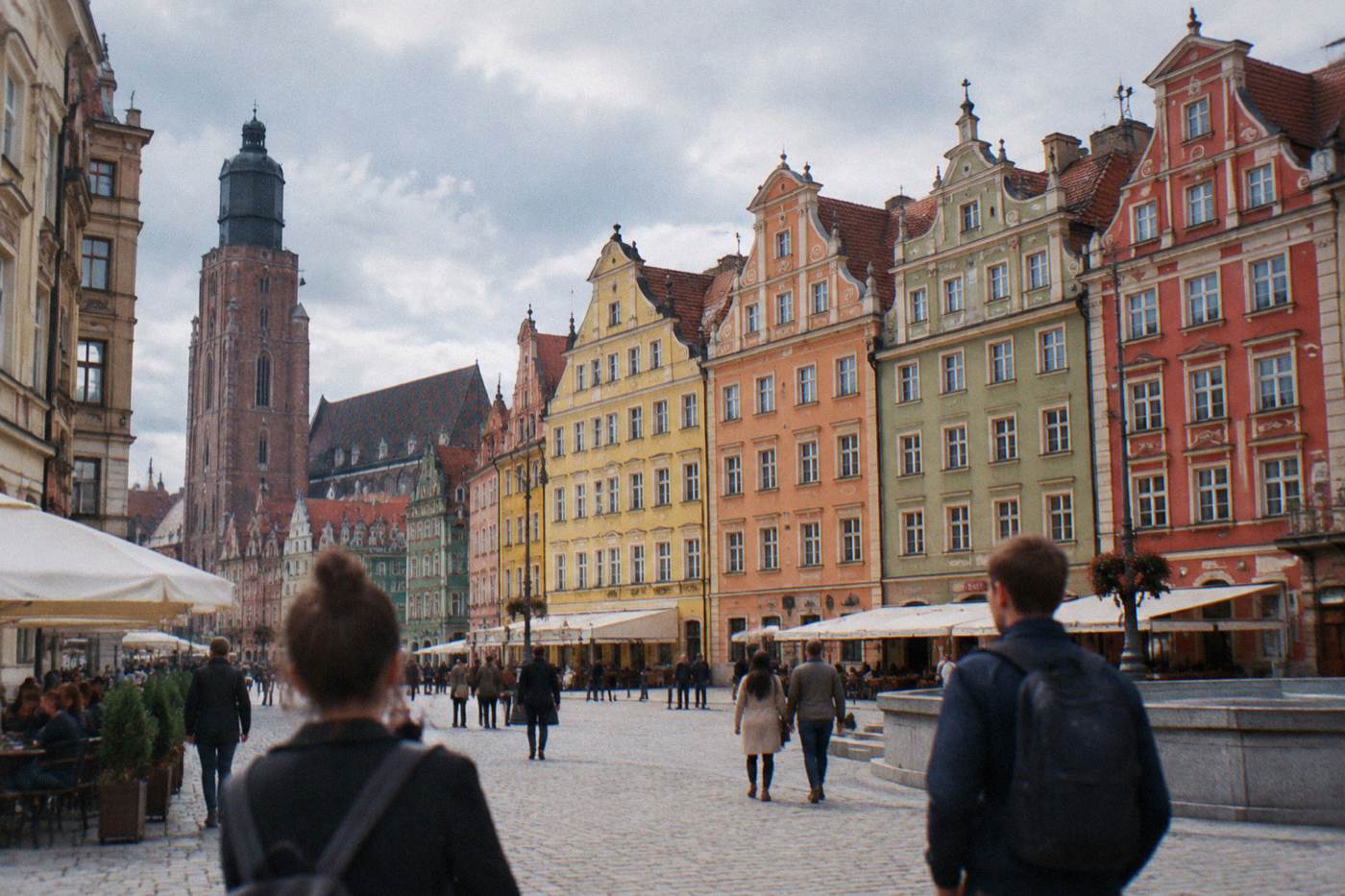
Wroclaw's Old Town is original medieval fabric with restorations, centered on one of the great market squares of Central Europe and stitched to Ostrow Tumski, the cathedral island, by footbridges. Warsaw's Old Town is a postwar reconstruction, meticulously rebuilt from paintings and photographs after near-total wartime destruction, and UNESCO-listed for that reconstruction. Wroclaw's core rewards wandering and feels organic; Warsaw's core is a monument to deliberate restoration, and both stories are genuinely moving if you know which one you are looking at.
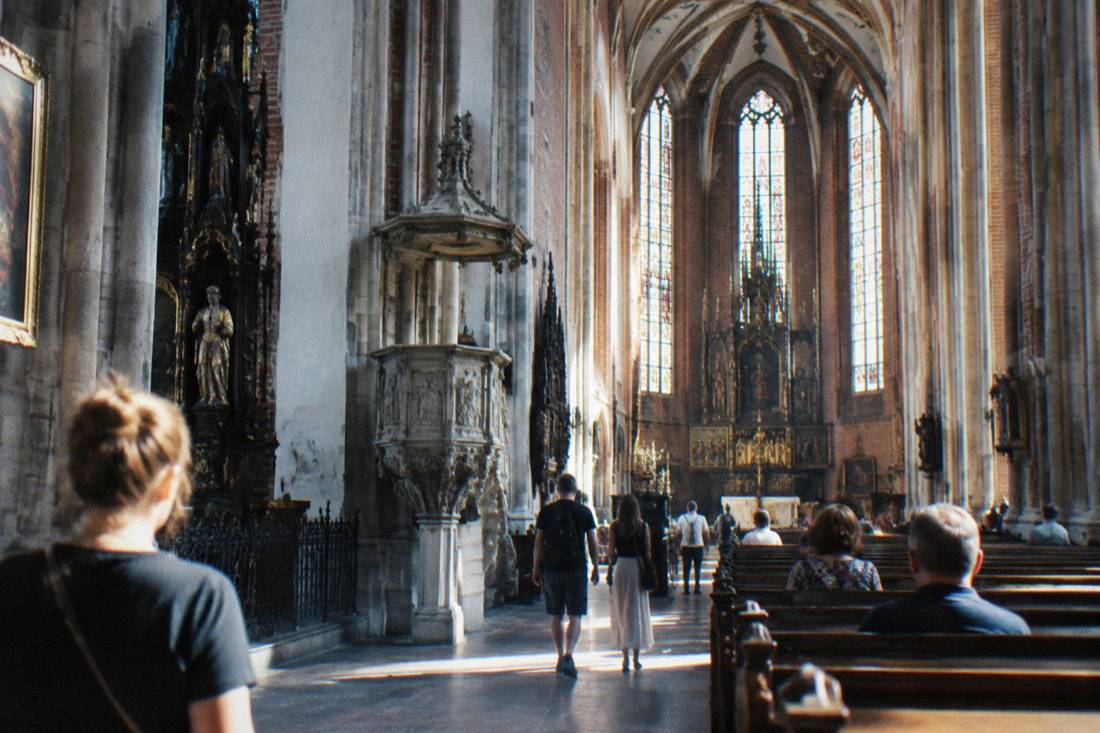
Wroclaw's advantage is continuity. The Market Square and its townhouses, the Cathedral of St. John the Baptist on Ostrow Tumski, the University of Wroclaw's Aula Leopoldina: these are places whose fabric spans centuries, and the site's Ostrow Tumski guide and Wroclaw Market Square guide cover them in detail. Warsaw's advantage is scale of story. The reconstructed Old Town, the Royal Castle and the city's layered recent history give the capital a narrative depth no other Polish city matches, and its museum infrastructure is national in scope.
A first visit to Wroclaw works well with a guide precisely because the city's appeal is in details you walk past without explanation: the dwarfs, the lamplighter who still lights the gas lamps of Ostrow Tumski by hand, the islands' bridges. The free walks are covered in the site's best walking tours in Wroclaw guide, and the four verified GuruWalk free tours, including Old Town Wroclaw by Walkative!, cost nothing up front and run on tips. For a faster first pass over both the Old Town and the cathedral island, a Segway tour of Wroclaw's Old Town and Ostrow Tumski is the site's featured pick for this comparison, and Check availability if that pace suits you.
The Segway route above is one way to see both halves of Wroclaw's core in a single outing. If you would rather move slower, a small-group walking tour of the Old Town covers the same ground at pedestrian pace, and the picks band shows the current verified options with live pricing.
Is Wroclaw Cheaper Than Warsaw?
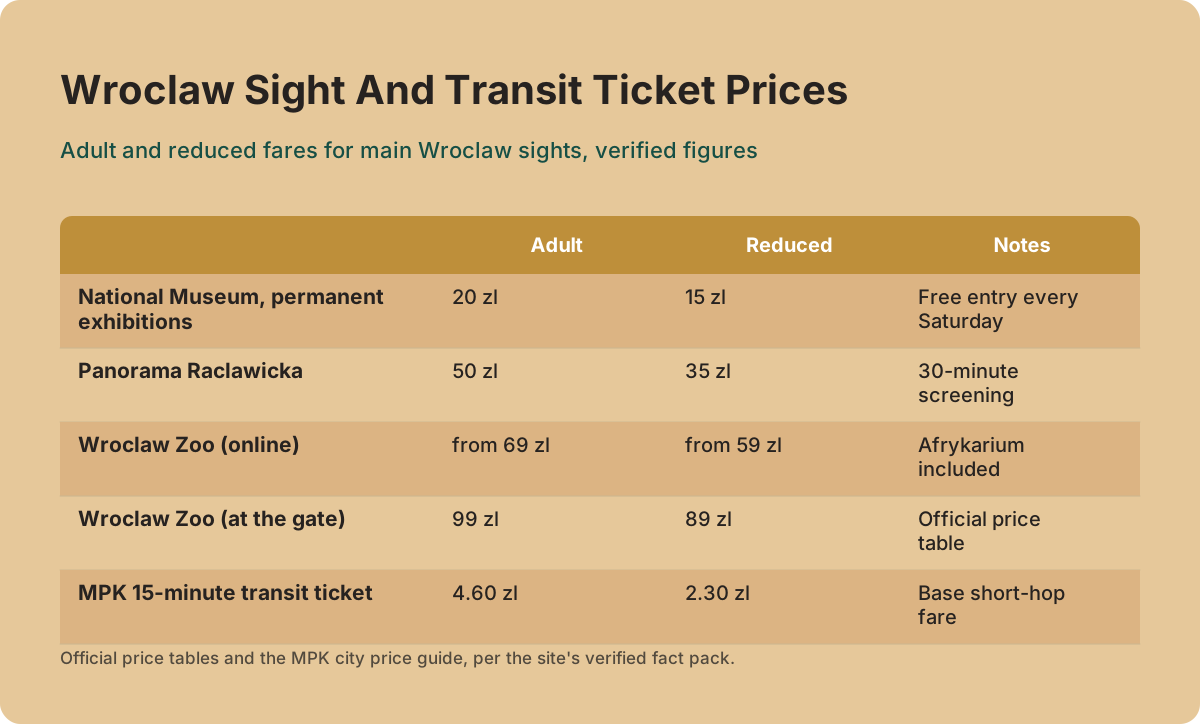
On the figures this site could verify, Wroclaw's sightseeing costs are low and transparent: the National Museum's permanent exhibitions are 20 zl adult and 15 zl reduced with free entry every Saturday, the Panorama Raclawicka is 50 zl adult for a 30-minute screening, and city transport starts at 4.60 zl for a 15-minute ticket. Poland's currency is the zloty (PLN), not the euro, in both cities. No sourced overall daily-budget comparison between the two exists in this site's fact pack.
What can be stated with confidence is that Wroclaw's paid sights are inexpensive by Western European standards, and that a good chunk of the city's best content is free. The dwarfs, the Market Square, Ostrow Tumski, the bridges and the islands cost nothing. The University's botanical attractions, the Japanese Garden and the Botanical Garden, are paid but modest, and the big-ticket items are the Panorama, the museums and the Zoo, where the official price table gives adult tickets from 69 zl online and 99 zl at the gate, with the Afrykarium included rather than a separate charge.
One thing Wroclaw does not have, honestly, is a Go City-style all-inclusive tourist pass. The site's Wroclaw city pass guide explains what actually exists: a transport-focused UrbanCard and individual attraction tickets, but no multi-attraction sightseeing pass covering museums citywide. Warsaw's pass landscape is outside this site's verified facts, so no figure is offered here. For a fuller cost breakdown of a Wroclaw trip, see the Wroclaw trip cost guide.
| Wroclaw sight | Adult | Reduced | Notes |
|---|---|---|---|
| National Museum, permanent exhibitions | 20 zl | 15 zl | Free entry every Saturday; under-7s free |
| Panorama Raclawicka | 50 zl | 35 zl | 30-minute screening; ticket also covers 3 museum branches within 3 months |
| Wroclaw Zoo (online) | from 69 zl | from 59 zl | Afrykarium included, never a separate ticket |
| Wroclaw Zoo (at the gate) | 99 zl | 89 zl | Official price table, standard adult row |
| MPK 15-minute transit ticket | 4.60 zl | 2.30 zl | Base short-hop fare, official city price guide |
How Do You Travel Between Wroclaw And Warsaw?
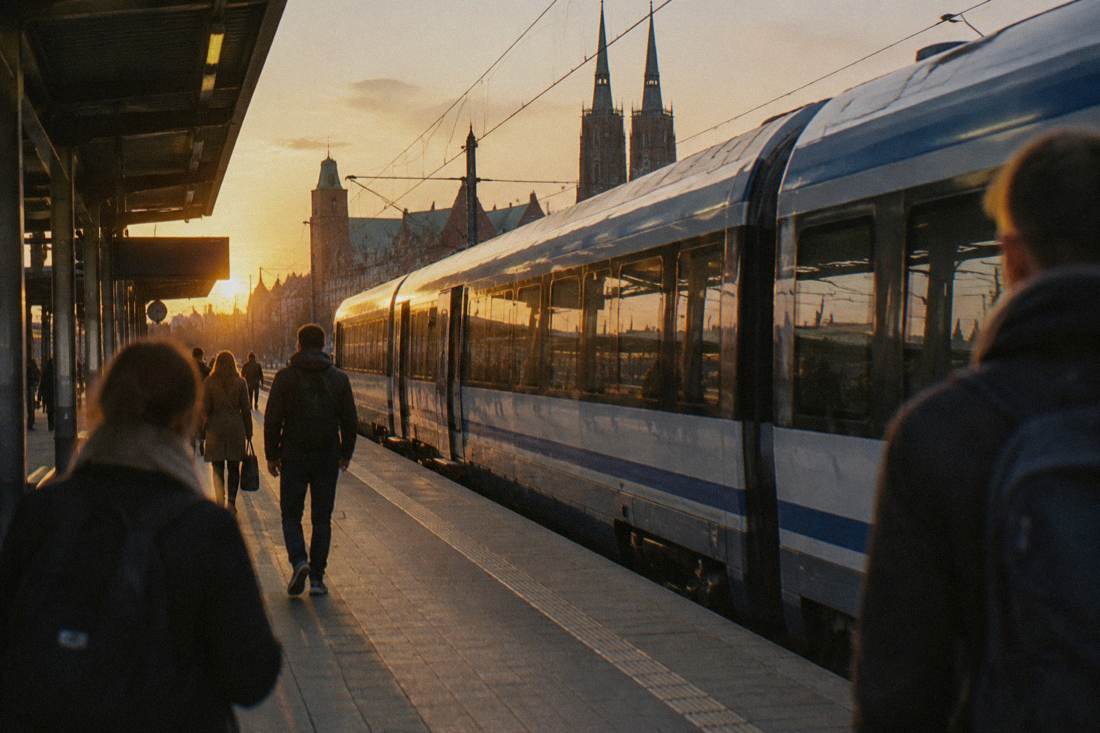
PKP Intercity operates direct trains between Wroclaw and Warsaw, and fares and journey times vary by date, so this site does not publish a single time or price figure: check live at the operator's own booking site. By air, Wroclaw Airport handled 4,473,945 passengers in 2024 and is open, with its renovation completed ahead of schedule in September 2026 after a temporary closure that ran 26 October to 4 December 2025. Regional buses and rail fill the gaps, and the intercity rail route is the practical backbone.
The rail detail deserves honesty because many guides print a confident journey time. PKP Intercity's timetables are published as periodic per-station documents and live booking queries, not a stable static figure this site could verify, so the honest answer is: direct intercity service exists, times and fares move with the date, and the live booking engine is the only source that will not be stale. The same caution applies to any Wroclaw-to-Walbrzych regional rail claim for Ksiaz Castle access in the Ksiaz Castle guide: describe it as a regional train to Walbrzych plus a bus or taxi connection rather than a timed route.
For flying, the Wroclaw airport guide covers current ground transport and car rental. The airport's 2024 passenger figure of 4,473,945 is the latest full-year official count, and the renovation story matters for anyone reading older threads: the airport was fully closed for roughly six weeks in late 2025, reopened, finished its largest-ever infrastructure program early in September 2026, and set new passenger records afterward. An "is Wroclaw airport closed" search today resolves to: open, with a completed renovation in its past.
Wroclaw Or Warsaw For A Weekend Break?
Wroclaw is the stronger weekend city on the measure this site can verify: its core sights sit within one walkable zone, so two days cover the Market Square, Ostrow Tumski, the Panorama Raclawicka, Centennial Hall and the Zoo without a single long transit ride. Warsaw needs three or four days to do justice to its distributed museums and districts. For a first-time Poland trip of a weekend or less, Wroclaw's compactness wins; for a week, the capital's depth wins.
The site's one day in Wroclaw and two days in Wroclaw itineraries are built around exactly this compactness, and the Wroclaw weekend itinerary shows how the islands, the Old Town and a museum morning fit together. The magic of Wroclaw at weekend scale is that nothing on the list requires a car or a long commute: the Cathedral Island, the Aula Leopoldina, the National Museum and the Odra riverbank all connect through the city center, and the dwarfs scatter themselves across the whole route as a running scavenger hunt for kids and adults alike.
Warsaw at weekend scale forces choices, and travelers who squeeze the capital into two days tend to leave with the Old Town, one or two museums and a sense of unfinished business. That is not an argument against Warsaw; it is an argument for matching the city to the calendar. Pair a Wroclaw weekend with one strong day trip, Ksiaz Castle and the Church of Peace in Swidnica, both covered in the site's day trips material, and the two-city rivalry resolves neatly: Wroclaw for the short visit, Warsaw when you have the days to spend.
| Trip length | Better fit | Why |
|---|---|---|
| 1 day | Wroclaw | Core sights in one walkable zone, no transit dependency |
| 2 days | Wroclaw | Adds the Panorama, museums, islands and a river evening |
| 3 days | Either | Wroclaw plus a Ksiaz or Swidnica day trip vs Warsaw's museum depth |
| 4+ days | Warsaw | Capital's distributed museums, districts and day trips need time |
How Do Wroclaw And Warsaw Compare On Weather?
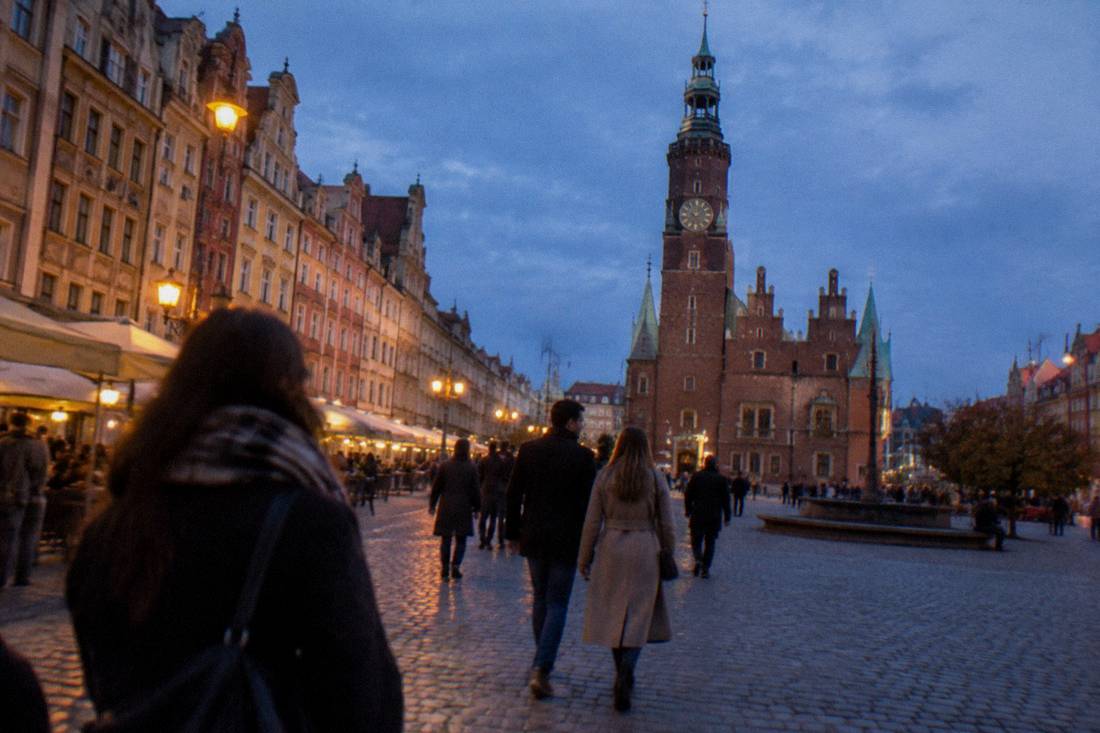
Both cities share Poland's climate, and Wroclaw's verified numbers from IMGW's 1991-2020 climate normals give monthly means from 0.0C in January, the coldest month, to 19.7C in July, the warmest, with an annual mean of 9.7C. No sourced sunshine-hours figure or sunniest-city ranking exists for either city in this site's fact pack, so no comparison on sunshine is offered. The practical takeaway: both are warm-summer, cold-winter cities, and the shoulder seasons are the comfortable compromise.
The monthly detail from IMGW's station 12424 normals reads like this: spring climbs from 4.3C in March to 9.7C in April and 14.3C in May, summer peaks at 19.7C in July and 19.3C in August, and autumn slides from 14.5C in September through 9.6C in October to 4.8C in November. Rainfall in the normals runs from 31.2 mm in the driest month, April, up to 91.4 mm in July, the wettest. None of this makes Wroclaw Mediterranean, and no ranking of Poland's warmest or sunniest city is sourced here for either Wroclaw or Warsaw, so this site will not hand you one.
What the numbers do support is timing advice. May through September is the comfortable band in both cities, July carries the most rain in the Wroclaw normals, and winter is genuinely cold, though Wroclaw's January mean of 0.0C is among the mildest of Poland's major synoptic stations in the IMGW table. For the month-by-month picture, including what to pack, see the Wroclaw weather by month guide and the best time to visit Wroclaw guide.
| Month | Mean temperature (C) | Precipitation (mm) |
|---|---|---|
| Jan | 0.0 | 28.3 |
| Feb | 1.1 | 25.6 |
| Mar | 4.3 | 35.0 |
| Apr | 9.7 | 31.2 |
| May | 14.3 | 59.6 |
| Jun | 17.7 | 65.4 |
| Jul | 19.7 | 91.4 |
| Aug | 19.3 | 59.5 |
| Sep | 14.5 | 48.4 |
| Oct | 9.6 | 37.6 |
| Nov | 4.8 | 31.4 |
| Dec | 1.1 | 27.9 |
Which Is Better For Families, Wroclaw Or Warsaw?
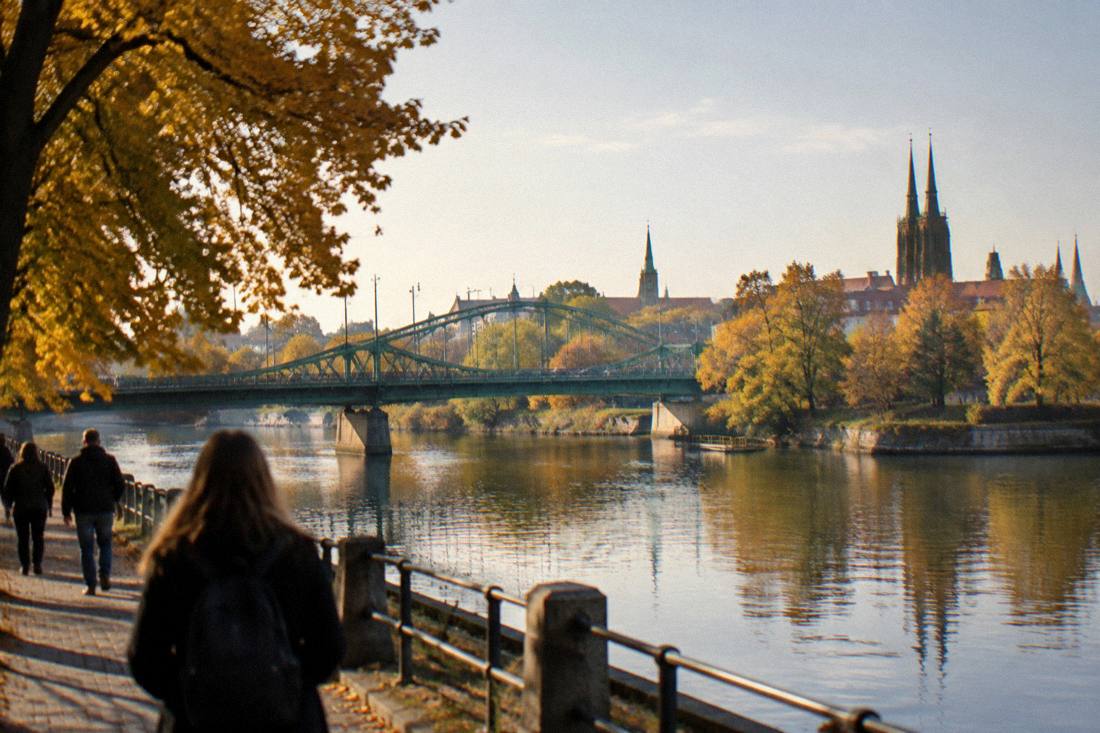
Wroclaw is an exceptionally easy city with children: the dwarfs turn sightseeing into a hunt, the Zoo includes the Afrykarium in the standard ticket per the zoo's own price page, and the city center is flat, compact and walkable. Warsaw offers bigger-scale attractions and more of them, spread across a metropolis with real transit time between stops. On the sourced facts, Wroclaw's family strengths are concrete: dwarf-hunting is free, the zoo ticket is one purchase, and the whole route fits a day of walking.
The dwarf hunt deserves its billing. Wroclaw's several hundred small bronze dwarfs hide across the city center, and this site's Wroclaw dwarfs guide maps the game that keeps children engaged from the Market Square to the cathedral island. Layer on the Hydropolis water museum, the Afrykarium's aquariums and the puppet theatre, and a family itinerary fills itself, which is exactly what the Wroclaw with kids itinerary demonstrates in practice.
Warsaw's family offer is strong too, with science and museum attractions of national scale, but the honest comparison point is logistics. Every Wroclaw stop above sits within the walkable core or a short tram ride, and the MPK base ticket at 4.60 zl normal and 2.30 zl reduced for a 15-minute hop makes even the tram part trivial to budget. The site's getting around Wroclaw guide covers the fare tiers up to the 24-hour bands for families who will ride more.
Which City Wins On Food And Nightlife?
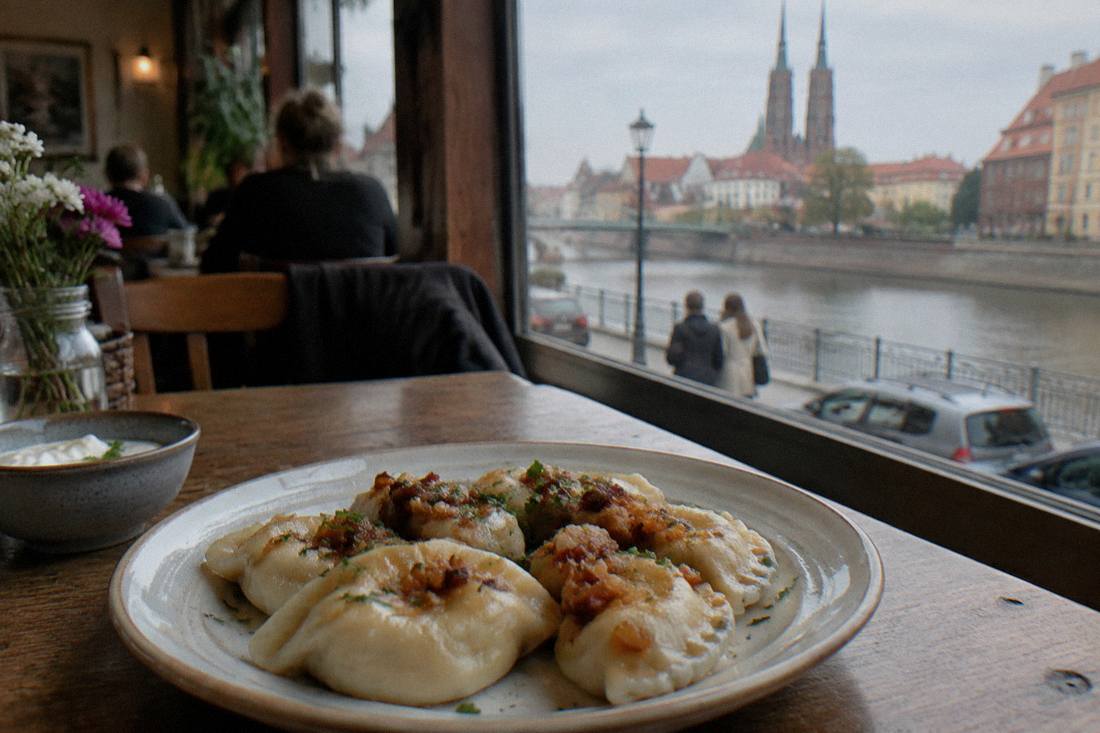
Wroclaw's food scene is compact, student-driven and strong on traditional Polish cooking: pierogi, milk bars and a serious craft beer culture, with the city's vegan scene well developed but not nationally leading per the verified research. Warsaw is the internationally noted vegan hub of Poland, with national-scale dining across every cuisine and a nightlife market that dwarfs any regional city. The honest scorecard: Wroclaw for charm and price, Warsaw for range and scale.
Start with what Wroclaw does verifiably well. The best restaurants in Wroclaw guide, the pierogi guide and the milk bars guide cover the traditional end, where a student city keeps honest Polish cooking affordable. The Wroclaw craft beer guide covers the other pillar: Lower Silesia's brewing tradition feeds a genuinely local beer culture concentrated in the Old Town and Nadodrze. The vegan and vegetarian food guide addresses the claim honestly, because this one gets garbled constantly: no current ranking supports calling Wroclaw "Poland's most vegan city," older per-capita data favored Poznan and Krakow, and Warsaw is the city with the international attention. Wroclaw's scene is solid and compact, not a national champion.
Nightlife follows the same split. The Wroclaw nightlife guide maps a scene built around the Market Square's surroundings and the student economy, with Slodowa Island as the riverside centerpiece. Warsaw, as the capital and the country's largest city, offers the deepest club and live-music market in Poland, and no sourced ranking places Wroclaw ahead of it. Choose Wroclaw for a night or two woven into a short visit; choose Warsaw if nightlife is the point of the trip.
| Category | Wroclaw strength | Warsaw strength |
|---|---|---|
| Traditional Polish food | Pierogi, milk bars, student pricing | Full national range at every price |
| Craft beer | Strong local Lower Silesian scene | Larger absolute selection |
| Vegan dining | Solid, compact scene | Internationally noted vegan hub |
| Nightlife | Market Square core, Slodowa Island | Deepest market in Poland |
| Street food | Old Town and market-day stalls | National-scale options |
What Are The Best Day Trips From Each City?
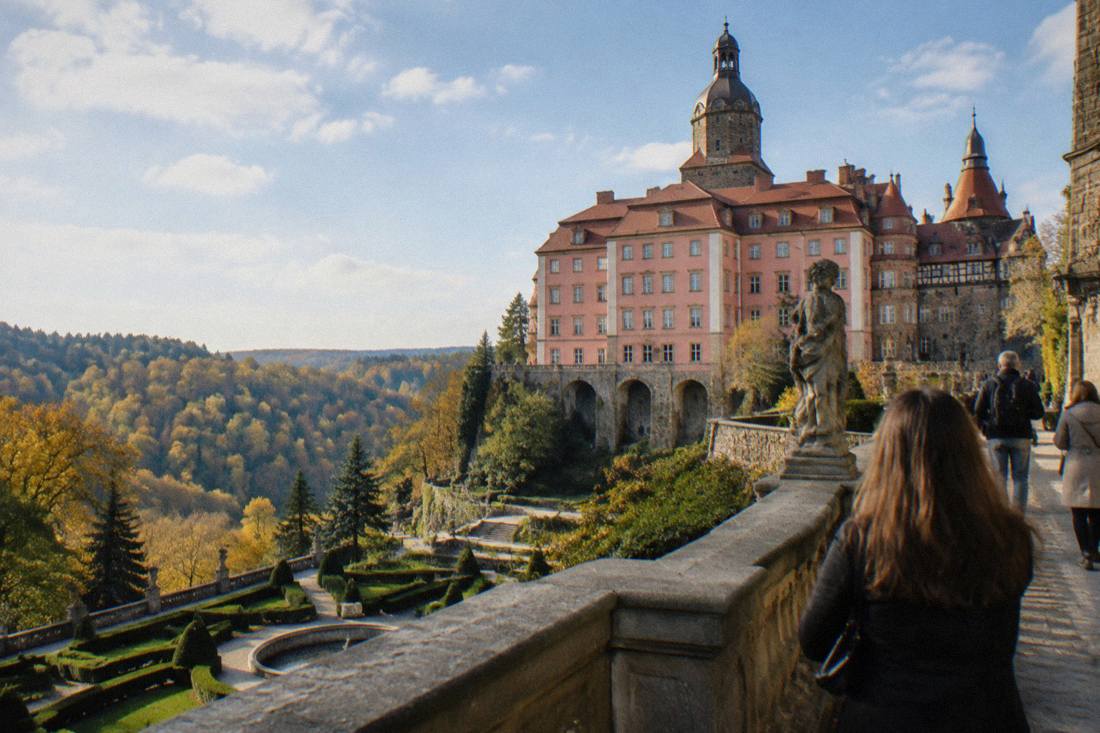
Wroclaw's day-trip roster is UNESCO-dense and priced transparently: Ksiaz Castle, owned by the Walbrzych municipality, runs a cennik of 72 zl adult and 62 zl reduced for the castle with audioguide and terraces, and the Church of Peace in Swidnica, UNESCO-inscribed since 2001 as part of the Churches of Peace in Jawor and Swidnica, charges 18 zl adult and 15 zl reduced. Warsaw's day trips sit outside this site's verified fact pack. For a Lower Silesia base, Wroclaw wins the day-trip contest outright.
The Ksiaz detail travelers should know: the castle is owned by the Gmina Walbrzych and run by the municipal company Zamek Ksiaz w Walbrzychu Sp. z o.o., and its tariff gives everything in one table: castle with audioguide and terraces at 72/62 zl, the All Day Ticket covering castle, terraces, underground, Palm House, stud farm and mausoleum at 104/94 zl, the underground tour alone at 45/39 zl. One timing trap is documented in the same tariff: the terraces open only from 15 April to 30 September, so an off-season visit sees them closed. The Church of Peace in Swidnica guide covers the other anchor, and the Giant Mountains and the Karkonosze resorts fill out the mountain options in the Karpacz and Karkonosze guide.
Guided day tours from Wroclaw bundle the logistics, and the strongest-reviewed options in the site's roster cover Ksiaz with the Church of Peace, the Project Riese underground complex and the Auschwitz-Birkenau memorial, each with its own tour page. From Warsaw, the classic day trips run toward Krakow and Wieliczka, and while a combined Wroclaw-based Krakow and Wieliczka tour exists in the roster, the site's verified facts do not cover Warsaw's own day-trip market, so no figure is offered for it.
| Day trip from Wroclaw | Key figures (official sources) | Distance detail |
|---|---|---|
| Ksiaz Castle | 72/62 zl castle + audioguide + terraces; terraces only 15 Apr-30 Sep | Commonly reached by regional train to Walbrzych plus bus or taxi |
| Church of Peace, Swidnica | 18/15 zl; UNESCO 2001, Churches of Peace in Jawor and Swidnica | Usually combined with Ksiaz tours |
| Project Riese, Osowka | Part of combined Ksiaz tour options; underground alone at Ksiaz is 45/39 zl | Guided tours handle transfers |
| Auschwitz-Birkenau | Full-day guided tours from Wroclaw, 10 hours | Memorial site, booked via operator's live listing |
| Giant Mountains / Karpacz | Mountain day tours, 8-9 hours | Karkonosze range, southwest of Wroclaw |
Between the city tours and the day trips, the picks band above shows the verified options across both categories. A guided city tour with a local is the one purchase that improves everything else on a short Wroclaw visit, because the city's story, German Breslau to Polish Wroclaw, the islands, the dwarfs' origin in the Orange Alternative protest movement, is what turns a pretty square into a place you understand.
Common Questions About Wroclaw Vs Warsaw
Is Wroclaw bigger than Warsaw?
No. Warsaw is Poland's capital and largest city. Wroclaw, at 672,601 people as of 31 December 2025 per GUS, is one of Poland's largest cities but smaller than the capital, and also smaller than Krakow, whose population of 816,614 exceeds it.
Which is better for a first trip to Poland, Wroclaw or Warsaw?
For a short first visit of one to three days, Wroclaw's compact, walkable core delivers a complete Polish city experience efficiently. For a longer first trip focused on national museums, history at capital scale and the reconstructed Old Town, Warsaw is the stronger choice. Many travelers do both, since direct intercity rail connects them.
Is Wroclaw cheaper than Warsaw?
This site's verified facts cover Wroclaw's prices, not a side-by-side budget comparison: the National Museum at 20/15 zl with free Saturdays, the Panorama Raclawicka at 50/35 zl and transit from 4.60 zl for 15 minutes are the anchor figures. No sourced overall percentage difference between the two cities exists in the fact pack, so no specific claim is made.
How long is the train from Wroclaw to Warsaw?
PKP Intercity operates the route, but this site does not publish a specific journey time or fare because the operator's timetables are periodic and live-dated. Check the operator's own booking site for your travel date for the current schedule and price.
Does Wroclaw or Warsaw have better food?
Wroclaw excels at traditional Polish cooking, pierogi, milk bars and a strong local craft beer scene, at student-city prices. Warsaw has the larger, more international dining market and is the city internationally noted as Poland's vegan hub. Neither city holds a sourced national food ranking in this site's fact pack.
Can you visit Wroclaw and Warsaw on the same trip?
Yes, and it is a natural pairing. Direct intercity rail links the two, Poland is in the EU and Schengen area so there are no border formalities, and the two cities complement each other: compact river-city charm in Wroclaw, capital-scale museums and history in Warsaw. The [Wroclaw Travel Guide](/) covers the Wroclaw half in full.