Dresden From Wroclaw
Dresden sits just across the German border from Wroclaw, the largest city in Lower Silesia in southwestern Poland, and the two have been trading cities, rulers and builders for centuries. Here is how the day trip works, what it honestly costs, and what you can verify before you go.
Short answer
Dresden is reachable from Wroclaw by train, bus or car across an open Schengen border, and it packs a rebuilt baroque old town, world-famous museums and a riverfront terrace into a walkable core. This guide covers the transport options, the one-day sightseeing route, the verified zloty costs on the Polish side, and how Dresden compares with Ksiaz Castle, Swidnica and the other classic Wroclaw day trips.
Dresden From Wroclaw is one of the strangest and most rewarding day trips in Central Europe: you leave the largest city in Lower Silesia (Dolnoslaskie voivodeship), in southwestern Poland, on the Odra river, and a few hours later you are standing in front of Saxon baroque on the Elbe. The two cities share a border region, a tangled history of Silesian and Saxon rulers, and a rebuild-from-ruin story that makes them feel like cousins. This guide lays out how the trip works in practice, what it costs on the Polish side of the border, and how to decide between Dresden and the closer Silesian classics like Ksiaz Castle and the Church of Peace in Swidnica.
Why Does Dresden Work So Well As A Day Trip From Wroclaw?
Dresden works because it sits just across the German border in Saxony, inside the same Schengen travel zone as Poland, so there are no border checks, no visa stops and no currency exchange at the frontier. You wake up in a Polish city of 672,601 people on the Odra and spend your afternoon among Saxon palaces and museums on the Elbe, then sleep back in Wroclaw the same night. No other German city of this scale sits this close to a Polish base.
The practical core of the appeal is the border itself. Poland is in the EU and the Schengen area, and so is Germany, which means the crossing is administrative rather than physical. A day tripper never stops at a checkpoint, never shows a passport at a booth and simply continues on the same road or the same train. That single fact transforms what would otherwise be an international journey into something that feels closer to a domestic excursion.
The second reason is scale. Wroclaw's Rynek and old town are compact enough to cover in a day, and Dresden's rebuilt old town is the same: the Frauenkirche, the Zwinger palace complex, the Semperoper opera house and the riverside Brühl's Terrace all sit within a short walk of one another. A visitor with one day does not need a car in the city, does not need more than a pair of comfortable shoes, and can move between the headline sights entirely on foot.
The third reason is the contrast itself. Wroclaw delivers dwarfs, islands, bridges and a market square rebuilt in its Central European style; Dresden delivers monumental German baroque, green-domed towers and one of Europe's densest museum quarters. The cities rhyme historically, both heavily damaged and both painstakingly restored, but the architecture speaks two different languages. That is exactly what a good day trip should do.
For orientation, the verified numbers on the Wroclaw side of the planning look like this:
| Fact About The Wroclaw Side | Verified Figure |
|---|---|
| City population (GUS, 31 Dec 2025) | 672,601 |
| Annual mean temperature (IMGW 1991-2020 normals) | 9.7C |
| Coldest month, mean (January) | 0.0C |
| Warmest month, mean (July) | 19.7C |
| Local currency | Zloty (PLN) |
| Border status | Poland is in the EU and the Schengen area |
How Do You Get From Wroclaw To Dresden?
The realistic options are train, long-distance bus or your own car, and all three cross the same open Schengen border. Trains and coaches between the two cities run to schedules and fares that change with the date, so the honest advice is to check the live timetable when you book rather than trust any fixed figure printed here. Drivers follow the motorway west out of Wroclaw toward the German frontier.
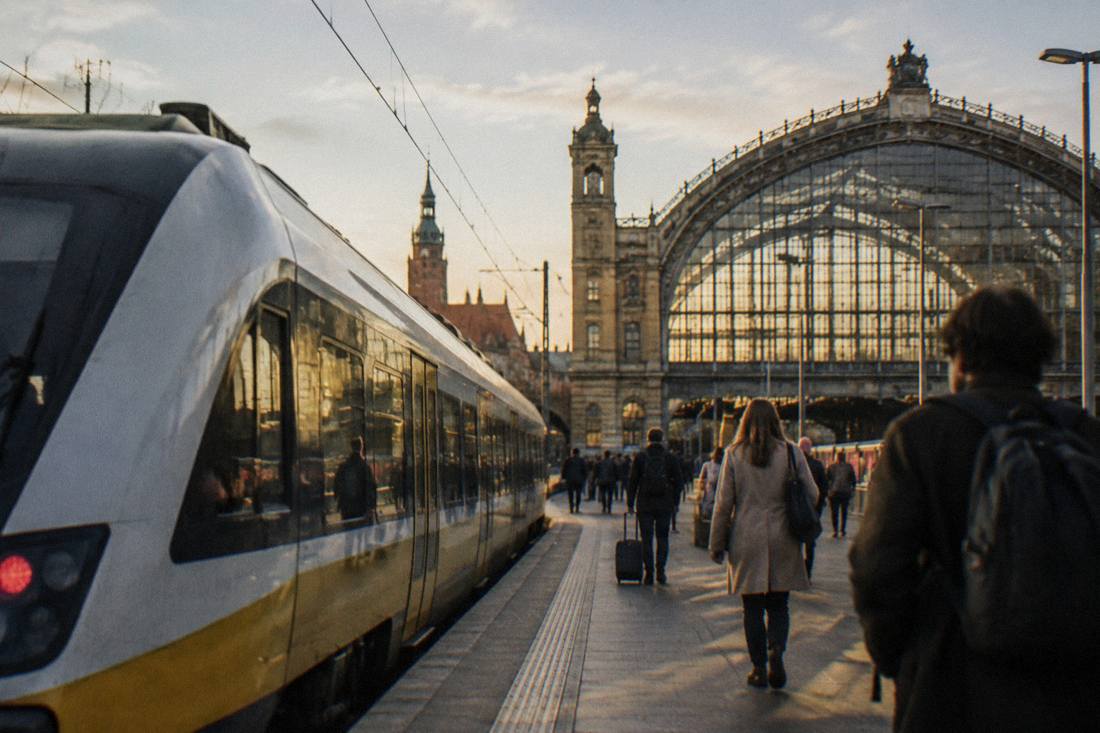
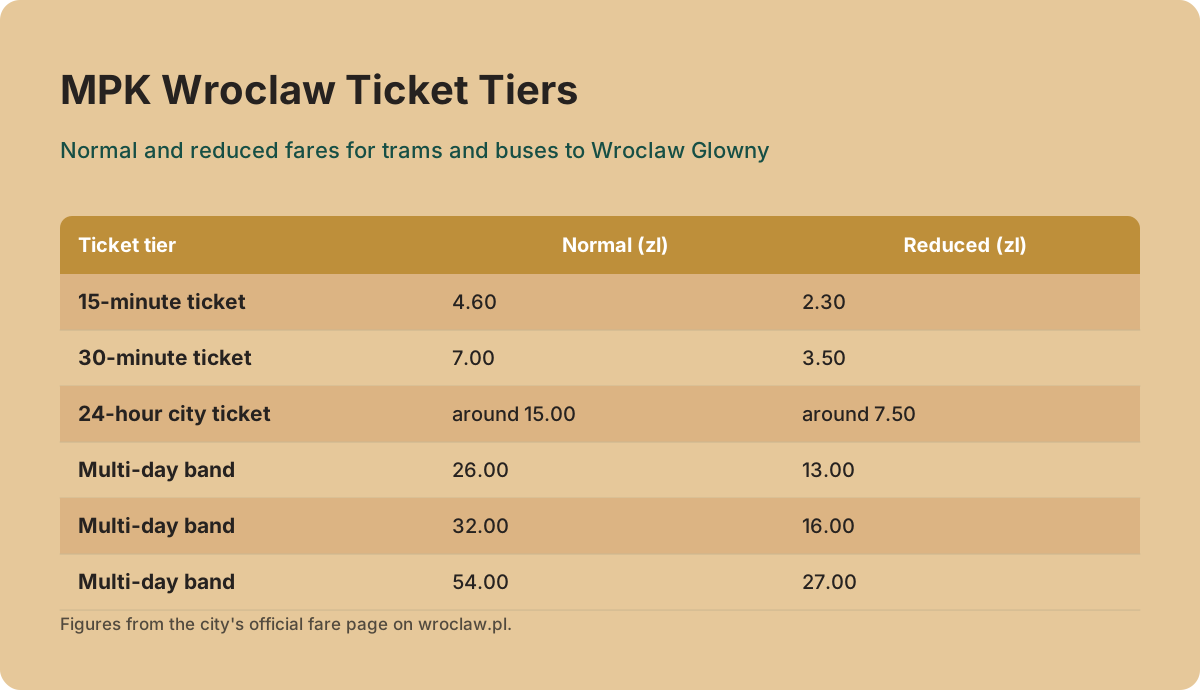
Start from Wroclaw Glowny, the main station, which sits right on the edge of the old town. If you are staying central, the city's own tram and bus network gets you there cheaply: the city's official fare page lists a 15-minute ticket at 4.60 zl normal and 2.30 zl reduced, which covers most short hops from the Market Square area to the station. Longer tiers exist for travelers staying further out.
| MPK Wroclaw Ticket Tier | Normal (zl) | Reduced (zl) |
|---|---|---|
| 15-minute ticket | 4.60 | 2.30 |
| 30-minute ticket | 7.00 | 3.50 |
| 24-hour city ticket | around 15.00 | around 7.50 |
| Multi-day band | 26.00 | 13.00 |
| Multi-day band | 32.00 | 16.00 |
| Multi-day band | 54.00 | 27.00 |
On the rail side, the honest position is this: this site's research team could not verify a single stable, published journey time or fare for the Wroclaw to Dresden route, because operators publish timetables and prices by date rather than as fixed route facts. Treat any specific duration or price you see quoted on a random forum with suspicion, and check the operator's live booking engine for the day you actually travel. The same caution applies to the bus operators: they serve the corridor, but frequencies and fares move with the season.
Driving is the most flexible option and the one that lets you add stops in the border region, such as the Polish side towns of Lower Silesia or the Saxon towns just past the frontier. The two things to plan for are parking in Dresden, which is a normal big-city affair with garages rather than free street parking, and the fact that Germany has its own motorway rules. The border crossing itself is a non-event: you simply pass a sign saying you have entered Germany.
One genuinely useful habit for either direction: carry a small amount of both currencies or a card that works in both. Poland uses the zloty and is not in the Eurozone, while Germany uses the euro, and a day trip crosses that line twice. Cash machines exist on both sides, but the station and the old town are where you will actually spend.
If your Dresden plans fall through and you end up with a free day in the city instead, Wroclaw has its own guided options:
What Are The Best Sights In Dresden For A One-Day Visit?
The four anchors of a one-day Dresden visit are the Frauenkirche, the Zwinger, the Semperoper and the Brühl's Terrace along the Elbe, all within a fifteen-minute walk of each other in the rebuilt old town. Add the Residenzschloss museum quarter if you have the legs for it, and finish on the riverbank or a bridge at golden hour. That is a full, satisfying day without rushing.
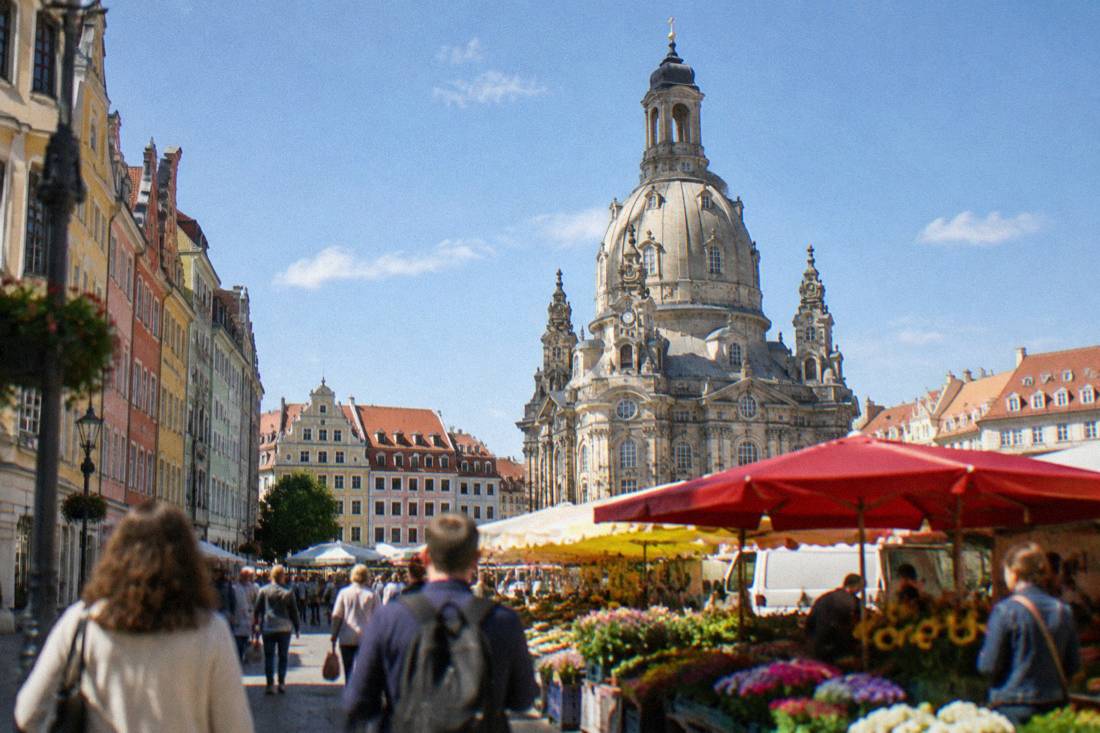
The Frauenkirche is the emotional center of the city. The great domed church was destroyed in the wartime bombing and later rebuilt, with the reconstruction famously mixing original blackened stones into the new pale walls, so the building itself tells the story of the city's recovery. It stands on the Neumarkt, a square ringed by restored baroque facades, and it is the single image most people carry home from Dresden.
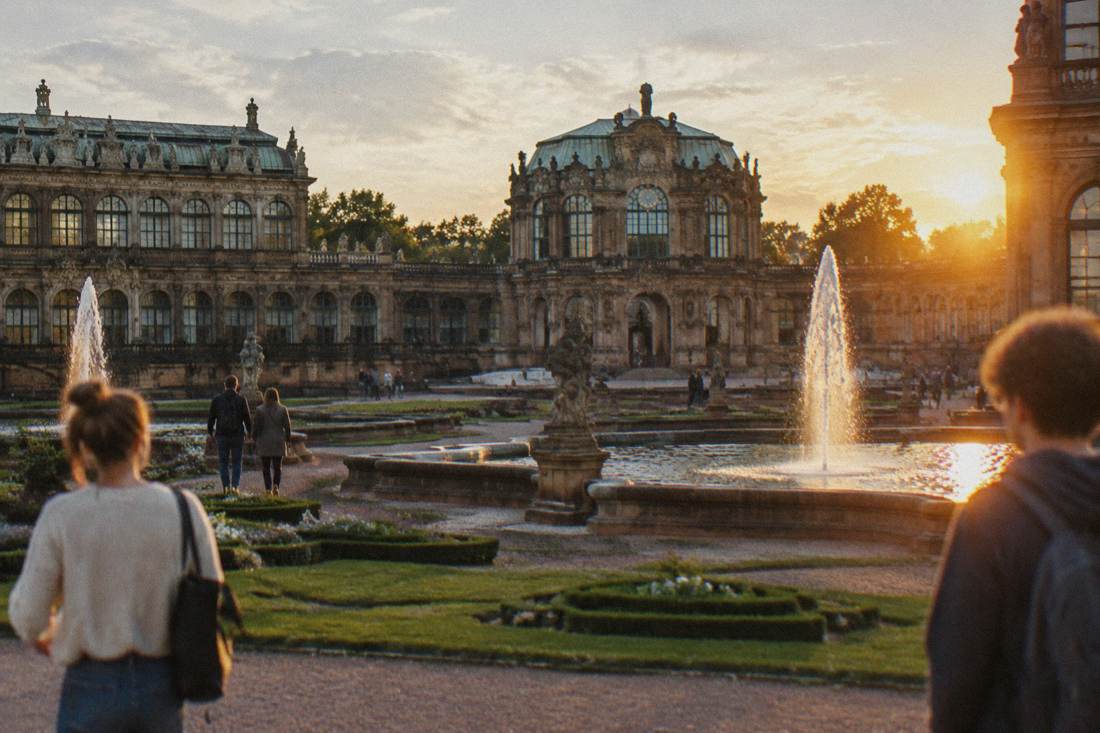
The Zwinger is the palace complex to beat. Its pavilions, galleries and fountain-lined courtyards hold several of the city's museums, and even visitors who skip every exhibition walk the free outdoor spaces, which are the closest thing Dresden has to a Saxon Versailles in miniature. The Semperoper, the opera house beside it, anchors the Theaterplatz and rounds out the monumental trio.
The Brühl's Terrace, the elevated promenade above the Elbe, is where the day trip slows down. Locals call it the balcony of Europe, and from it you look out over the river, the paddle steamers and the opposite bank. This is the place to sit, to eat something and to accept that you have crossed a border and are watching Germany drift by in the afternoon.
Two practical notes shape the route. First, Dresden's museum quarter is genuinely deep: the Residenzschloss and the Zwinger galleries together could swallow an entire trip, so a day visitor picks one or two interiors and treats the rest as architecture to admire from outside. Second, the city is flat and walkable along the river axis, so there is no need for local transit inside the old town unless the weather turns.
How Much Does A Dresden Trip From Wroclaw Cost?
The honest split is this: everything you spend inside Germany is in euros and varies with your choices, while the zloty costs on the Polish side run from the 4.60 zl tram ticket to the station to the entry prices of Wroclaw's own museums. Cross-border transport fares change by date and operator and should be checked live rather than quoted from memory.
Start with the border money question, because it is the one that surprises people. Poland keeps the zloty; Germany uses the euro. Your Wroclaw hotel, your morning coffee and your tram ticket to the station are all in PLN, and the moment you step off in Dresden every till is in EUR. Budget for both, or use a card that handles both, and do not expect a Polish shop to take euro coins or a German one to take zloty.
On the Wroclaw side, the entry prices that are actually verified against official sources are worth knowing even for a Dresden day, because they are the costs of your fallback plan and your return evening:
| Wroclaw Attraction | Adult | Reduced | Verified Note |
|---|---|---|---|
| Panorama Raclawicka | 50 zl | 35 zl | 30-minute screening; the ticket also covers the National Museum's permanent exhibitions, the Ethnographic Museum and the Four Domes Pavilion within 3 months |
| National Museum in Wroclaw | 20 zl | 15 zl | Free entry to permanent exhibitions every Saturday |
| Wroclaw Zoo | from 69 zl online, 99 zl at the gate | from 59 zl online, 89 zl at the gate | Afrykarium is included in the standard ticket, never a separate charge |
Food and drink follow the same two-currency logic. Wroclaw's milk bars and pierogi joints price in zloty and are among of the cheapest honest meals in Central Europe, while a restaurant lunch in Dresden's old town prices in euros at normal German big-city levels. Neither side of the border is exotic; the difference is simply that one is priced for a Polish city and the other for a German one, and a day tripper crosses between them at lunchtime.
What this guide refuses to do is invent a band. A past habit in travel writing is to claim "expect to pay around X for the train" without any source, and the numbers drift into fiction within a season. This site's policy is stricter: if a figure is not attached to an official source in the research pack, it does not get printed. For the cross-border leg, that means the operator's live listing is the only honest price display.
Should You Take A Guided Tour Or Travel To Dresden On Your Own?
For Dresden itself, independent travel is the default because the old town is compact and the sights are self-explanatory; a guided day tour earns its cost mainly when you want the border logistics, the commentary and a fixed schedule handled for you. For Wroclaw's closer day trips, guided is often the better call, because castles and underground complexes are easier with someone who arranges entry.
The case for going alone is simple arithmetic. The train or bus takes care of the distance, the old town takes care of the walking, and the big four sights are impossible to miss. A first-time visitor with a map and a modest appetite for museums loses very little by skipping a guide in Dresden, and gains the freedom to linger on the Brühl's Terrace for an extra hour.
The case for a tour is logistics and depth. A guided run absorbs the timetable risk, the border-leg planning and the ticket queues, and a good guide turns the rebuilt facades into a story rather than scenery. That trade matters more on a tight day trip than on a long weekend.
There is a related question worth asking honestly: if what draws you to Dresden is grand underground engineering and the region's heavy wartime history, then the Project Riese complex in the Owl Mountains, covered in the site's Project Riese and Osowka day trip guide, delivers that inside Poland at a fraction of the border crossing. A private round trip with tickets included can be checked via Check availability, and it pairs naturally with the Ksiaz Castle route described further down.
For days you stay in Wroclaw itself, the city's guided lineup is deep. A bike loop suits travelers who want the river islands and both banks:
Is Summer Or Winter Better For A Dresden Day Trip From Wroclaw?
The climate data says the sweet spot runs from May through September, when the IMGW 1991-2020 normals for the Wroclaw station show means from 14.3C to 19.7C, with July the warmest month at 19.7C and August close behind at 19.3C. Winter trips work, but January sits at a mean of 0.0C, so you trade terrace time for shorter days and cold riverside walks.
The Wroclaw station's normals are the right reference for the whole corridor, because the trip starts there and the two cities share a broadly similar lowland Central European climate. What the table shows is a long comfortable shoulder: April already averages 9.7C, May jumps to 14.3C, and the warmth holds through September at 14.5C before dropping to 9.6C in October.
| Month | Mean Temp (C) | Precipitation (mm) |
|---|---|---|
| Jan | 0.0 | 28.3 |
| Feb | 1.1 | 25.6 |
| Mar | 4.3 | 35.0 |
| Apr | 9.7 | 31.2 |
| May | 14.3 | 59.6 |
| Jun | 17.7 | 65.4 |
| Jul | 19.7 | 91.4 |
| Aug | 19.3 | 59.5 |
| Sep | 14.5 | 48.4 |
| Oct | 9.6 | 37.6 |
| Nov | 4.8 | 31.4 |
| Dec | 1.1 | 27.9 |
Read the precipitation column before picking a date, not just the temperature. July is the warmest month but also the wettest at 91.4 mm, and June carries 65.4 mm, so summer visitors should plan at least one indoor stop, a Zwinger gallery or a museum hall, as weather insurance. February is the driest month on the table at 25.6 mm, though at a mean of 1.1C it is a cold-dry trade.
Winter has its own case. Dresden's terraces and domes in crisp cold, with the Christmas-season atmosphere the German cities do so well, is a genuinely different trip from the summer one, and Wroclaw's own December scene is covered in the site's seasonal pages. The cost is daylight: at 0.0C means and short days, a winter day trip is tighter and less forgiving of a late start.
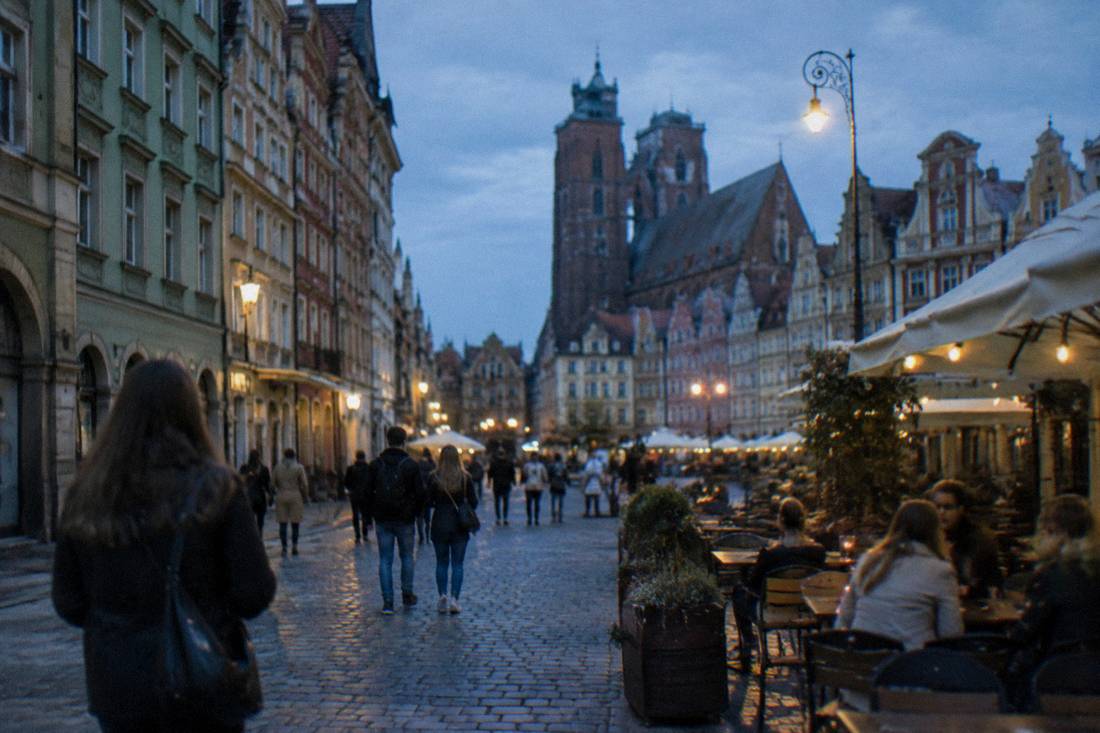
If you decide the weather or the schedule argues for staying in Wroclaw after all, an electric-car loop covers the old town and the islands without the walking:
How Does Dresden Compare With Wroclaw's Other Day Trips?
Dresden is the only major foreign city on Wroclaw's day-trip menu, which makes it the choice when you want a different country, a different currency and monumental German baroque rather than castles and mountains. The Polish classics, Ksiaz Castle and the Church of Peace in Swidnica, are cheaper on paper, closer, and bookable as guided tours with transport included, as the verified cennik figures below show.
Start with the honest price ladder, because it is the clearest way to frame the decision. Ksiaz Castle's own tariff, effective 6 May 2026, prices the core castle visit with audioguide and terraces at 72.00 zl adult and 62.00 zl reduced, and the full All Day Ticket at 104.00 zl and 94.00 zl. The Church of Peace in Swidnica, a UNESCO World Heritage site since 2001, charges adults 18 zl. These figures come from the sites' own price pages, and they anchor the comparison.
| Ksiaz Castle Ticket Option | Adult (zl) | Reduced (zl) |
|---|---|---|
| Castle with audioguide + terraces | 72.00 | 62.00 |
| Castle + terraces + underground tour | 92.00 | 82.00 |
| Castle + terraces + stud farm | 79.00 | 69.00 |
| All Day Ticket | 104.00 | 94.00 |
| Underground tour alone | 45.00 | 39.00 |
| Mausoleum alone | 13.00 | 8.00 |
| Palm House alone | 27.00 | 21.00 |
One trap to avoid at Ksiaz: the terraces open only from 15 April to 30 September, so a winter day trip buys you the interiors and the grounds but not the terrace walk. Check the castle's own page, or the site's Ksiaz Castle day trip guide, before committing a winter date.
| Church Of Peace, Swidnica | Price |
|---|---|
| Adult | 18 zl |
| Reduced (students, seniors, adult groups) | 15 zl |
| Children and youth | 10 zl |
| Family (2 adults + children under 18) | 45 zl |
The Swidnica church is the quiet star of the Polish side. It is the largest timber-framed religious building of its kind in Europe, built as one of the two Churches of Peace, and its painted interior is unlike anything else in the region. The site's Church of Peace guide covers it in full, and several guided tours bundle it with Ksiaz in a single day.
Against that lineup, Dresden sells something different: not a castle or a church but an entire rebuilt city center of another nation. If your trip is about architecture and museums at scale, Dresden wins. If it is about maximizing sightseeing per zloty and per hour, the Silesian classics win, and the Prague day trip is the other big-city alternative for travelers who want a foreign capital instead.
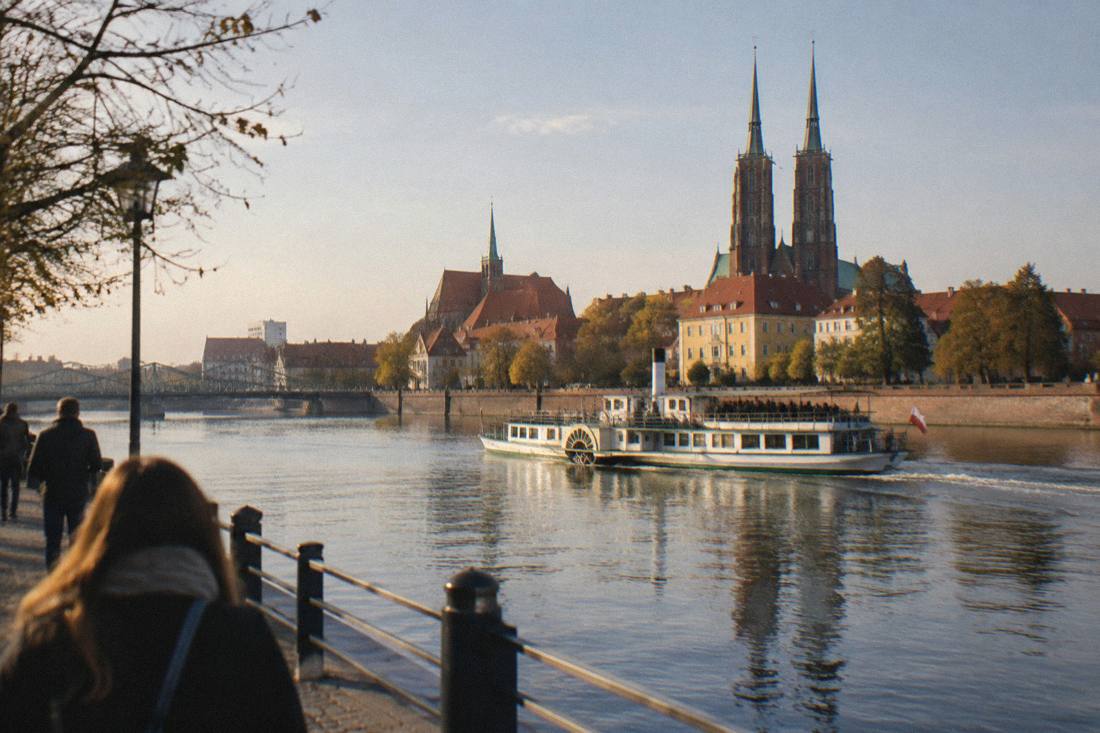
For context, the home page of Wroclaw Travel Guide lays out the full Wroclaw day-trip menu, and the two days in Wroclaw itinerary shows how a Dresden run can slot into a longer stay. Wherever you land, the guided options below cover both a border-region deep dive and the city itself:
Common Questions About Dresden From Wroclaw
Travelers asking about this route usually want four things confirmed: that the border is open, that the currencies really are different, that the trip fits in one day, and whether a tour is worth it. The answers are yes, yes, comfortably, and it depends. Poland and Germany are both Schengen members, the zloty and the euro split the route at the frontier, and the compact rebuilt old town makes a single day genuinely enough for Dresden's core sights.
Can You Do Dresden From Wroclaw In One Day?
Yes. The border is open under Schengen rules, transport runs both ways on a date-specific schedule, and Dresden's main sights cluster in a walkable old town, so a well-timed start and return makes a full day there realistic. Check the live timetable for your specific date rather than a fixed schedule printed anywhere.
Do You Need A Passport To Travel From Wroclaw To Dresden?
There are no routine border checks between Poland and Germany because both are in the Schengen area. Standard advice is still to carry a valid ID document, since spot checks are legally possible and operators may ask for one when booking or boarding.
What Currency Do You Need In Dresden?
Germany uses the euro and Poland uses the zloty, so a round trip touches both currencies. Spend zloty before you cross and euros after, or use a card that works in both. This guide deliberately prints no exchange rate, since rates move daily.
Is Dresden Expensive Compared With Wroclaw?
Generally, yes. Wroclaw prices in zloty, with verified entries like the National Museum at 20 zl and the Panorama Raclawicka at 50 zl, while Dresden prices in euros at German big-city levels. The contrast is exactly what makes budgeting both sides of the day matter.
Is The Train From Wroclaw To Dresden Direct?
That depends on the date and the operator, and this site does not print a route claim it could not verify against an official source. Rail connections between the two cities exist, but whether a given departure runs direct or requires a change is a live-timetable question, so check the booking engine for your travel day.
What Is The Best Time Of Year For The Trip?
May through September, per the IMGW 1991-2020 normals for the Wroclaw station: means run from 14.3C to 19.7C across those months, with July warmest at 19.7C. July is also the wettest month at 91.4 mm, so keep a museum in reserve. Winter trips work but sit near a 0.0C January mean with short days.
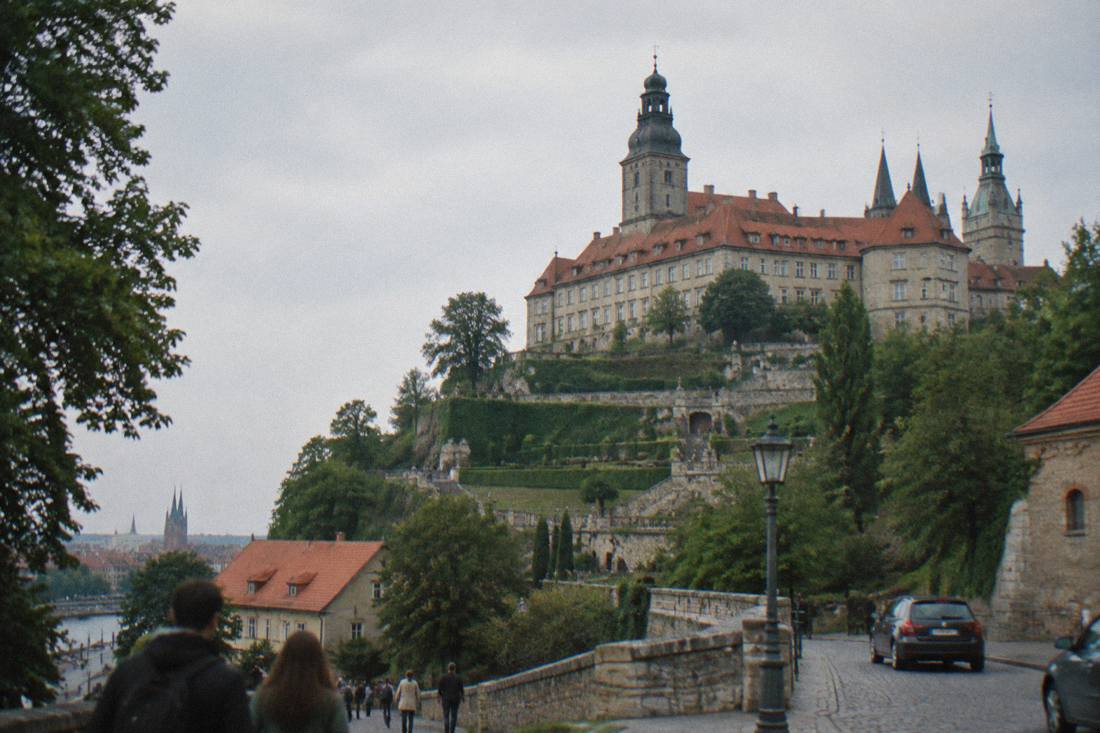
Whichever way the day goes, the pattern that serves travelers best on this corridor is the same: verify the cross-border leg live, carry both currencies in small amounts, and keep one of Wroclaw's verified-price museums in your back pocket for the evening you return. Dresden rewards the planning; the Silesian classics reward the shortcut; and the border between them is, thanks to Schengen, the easiest part of the whole trip.
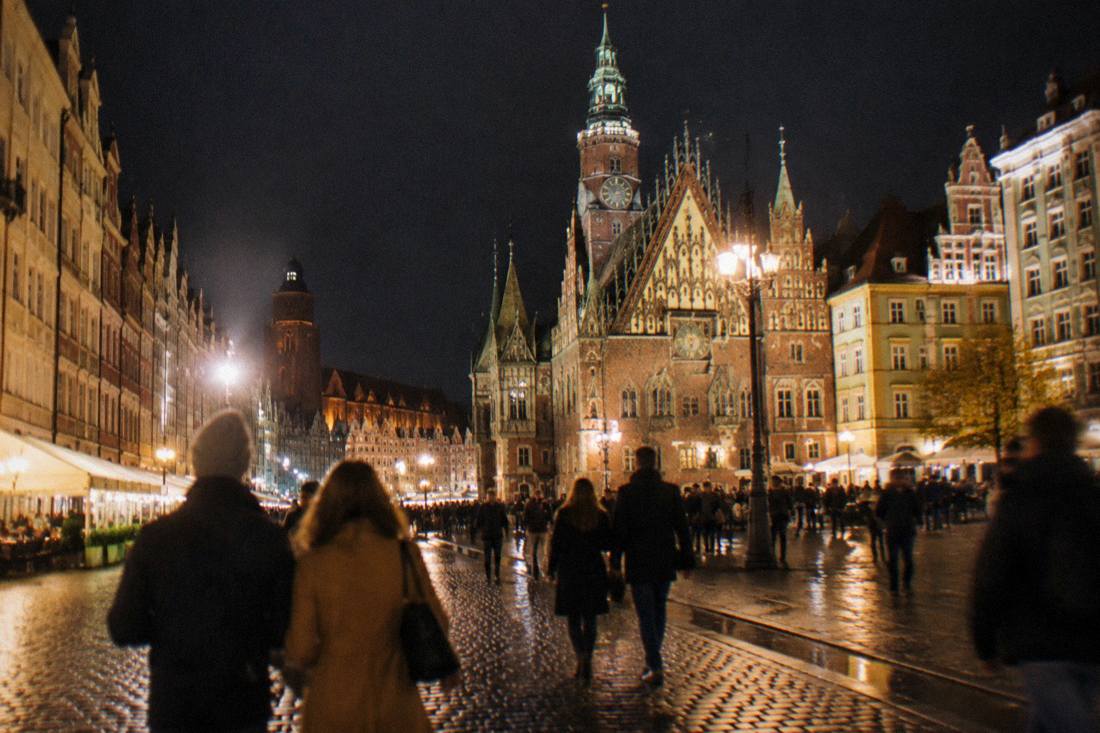
A final pairing worth remembering: many visitors combine a Dresden run with a second day at Ksiaz Castle or the Krakow day trip if the stay runs longer, and the old town walking guide covers the ground you will cross on your way to the station every morning. Plan the border day around the weather table above, book the leg you cannot improvise, and let the rest of the trip stay as open as the border itself.