Trzebnica Day Trip From Wroclaw, Poland: A Quiet Lower Silesia Escape
Trzebnica is one of the quieter day-trip options from Wroclaw, Poland, a country-town counterweight to the heavy hitters of Lower Silesia. Here is how to plan it honestly, with real sourced numbers for everything you might spend along the way.
Short answer
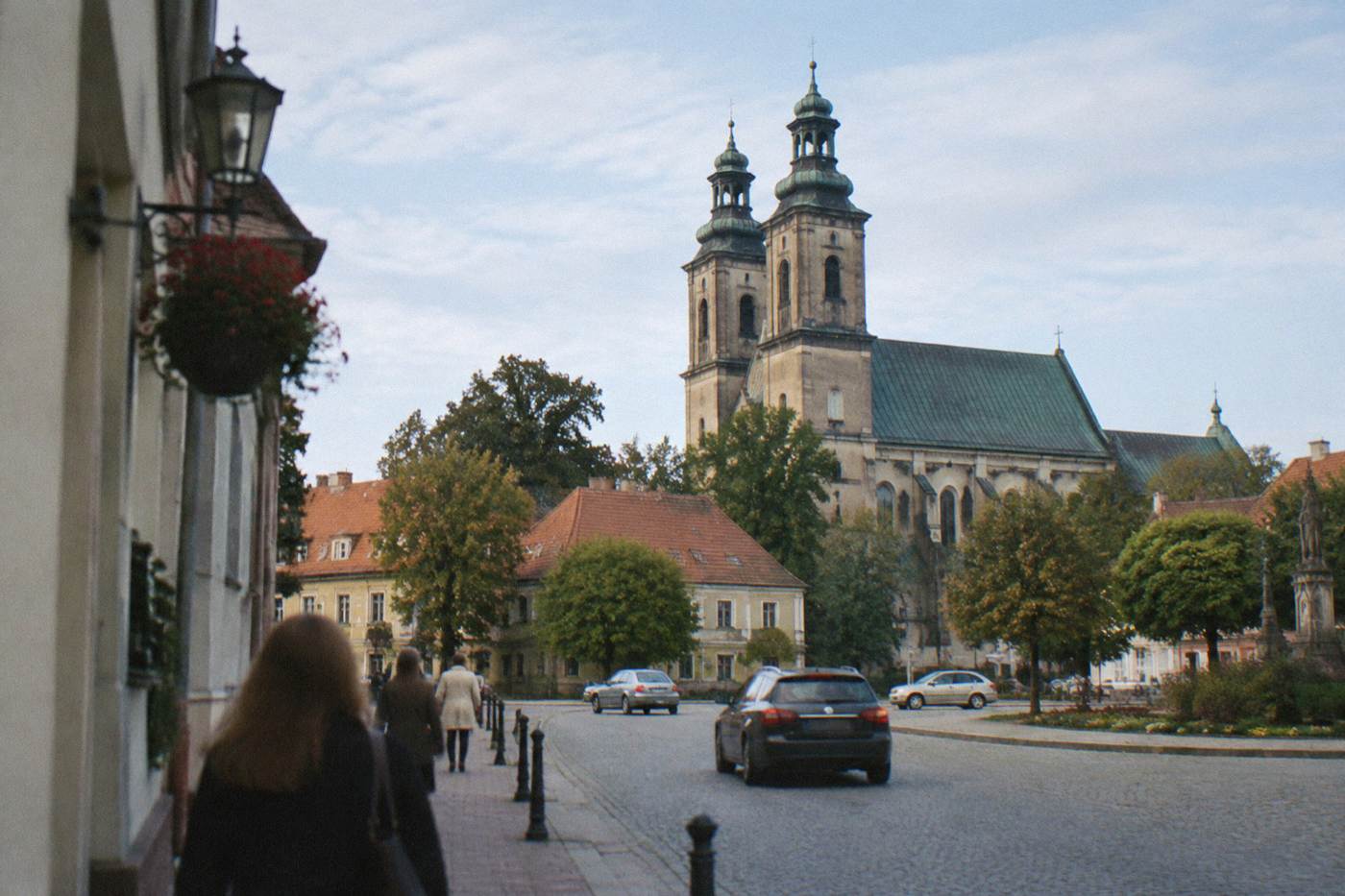
Trzebnica is a small Lower Silesian town an easy day-trip range from Wroclaw, Poland, best visited as a half-day or relaxed full-day escape when you want churches, calm streets, and countryside instead of castles or mountains. Pair it with careful planning around the seasons, and know that the big-ticket Lower Silesia sights like Ksiaz Castle and the Church of Peace in Swidnica are separate trips.
Trzebnica sits in the Lower Silesian countryside within day-trip range of Wroclaw, the largest city in Dolnoslaskie voivodeship, in southwestern Poland. It is the kind of town that rewards travelers who have already seen Wroclaw's Market Square, hunted the bronze dwarfs, and crossed to Ostrow Tumski, and who now want a slower half day somewhere with church towers and quiet streets instead of crowds. This guide, from the Wroclaw Travel Guide editorial desk, plans that trip honestly: what the verified sources do and do not say about Trzebnica, what a day there realistically costs when you build it from the figures that are actually sourced, and how it stacks up against the region's bigger day trips like Ksiaz Castle and the Church of Peace in Swidnica.
One honesty note before anything else, because it shapes this whole page. This page is not based on a visit to Wroclaw or to Trzebnica, as the About page states plainly. Where a normal travel blog would tell you what the town "feels like," this page sticks to what verified primary sources state: GUS population data, the Ksiaz Castle tariff, the Church of Peace's own price page, IMGW's 1991-2020 climate normals for the Wroclaw station, and the city of Wroclaw's official transport fare guide. If a figure is not in those sources, you will not find it here. That is a feature, not a hedge. Planning decisions made on invented numbers are worse than planning decisions made on an honest "the pack does not publish this."
Why Visit Trzebnica On A Day Trip From Wroclaw?
Trzebnica earns its place on a Wroclaw itinerary as the low-effort, low-cost escape: a small Lower Silesian town you can visit without tickets booked weeks ahead, without a car, and without competing with tour-bus crowds, best suited to travelers who have finished Wroclaw's headline sights and want countryside calm, church architecture, and a long unhurried lunch. It is the deliberate contrast trip. Where Ksiaz Castle demands a full day and a real ticket budget, and Swidnica pairs a UNESCO-listed timber church with a longer drive, Trzebnica is the option you can decide on the evening before.
Think of the day-trip decision from Wroclaw as a ladder of commitment. At the bottom sits Trzebnica, a small-town wander with essentially no ticket logistics. In the middle sit Legnica and Milicz Ponds, easy town-and-nature escapes. At the top sit the region's flagship trips: Ksiaz Castle, the Peace Churches, Project Riese and Osowka, and the mountains at Karpacz and the Karkonosze. Most first-time visitors should climb that ladder in order, starting with the Old Town itself, and only reaching for Trzebnica once the city is done.
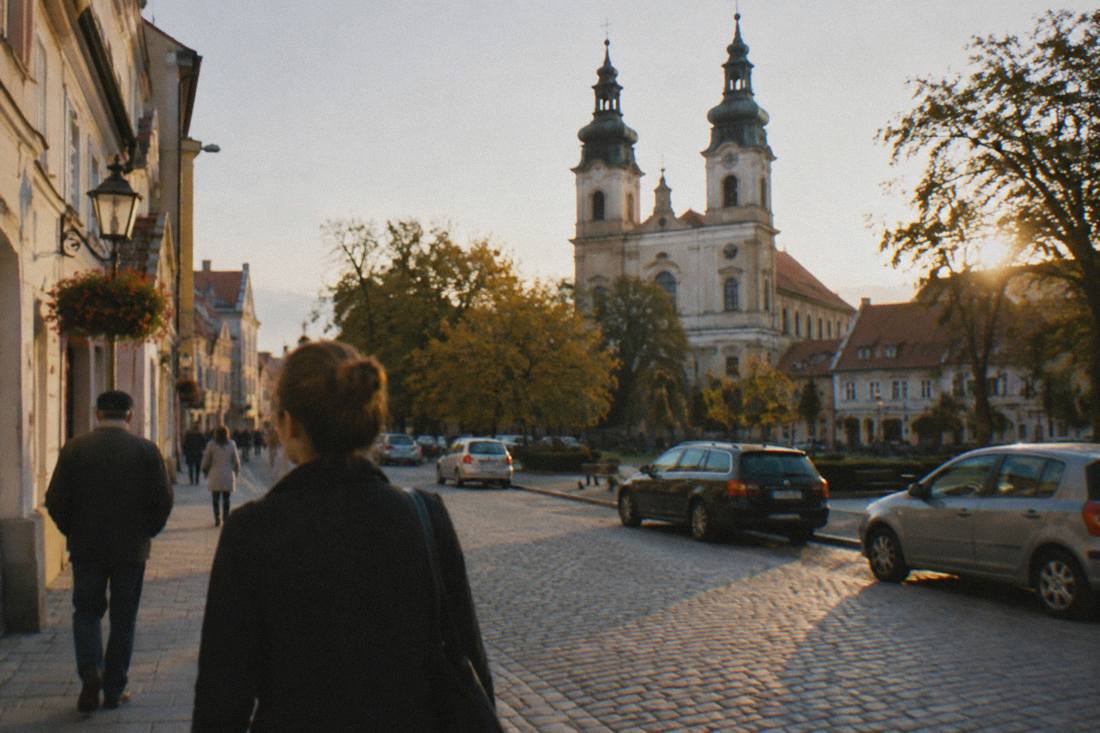
There is also a seasonal argument for a town like Trzebnica. IMGW's 1991-2020 climate normals for the Wroclaw station (station code 12424) put July's mean temperature at 19.7C and January's at 0.0C, with an annual mean of 9.7C. That is a genuinely four-season climate, and a small-town day with indoor church stops and café fallbacks behaves better in a damp February than an exposed mountain hike does. The normals also show July as the wettest month at 91.4 mm of precipitation, which is exactly the kind of month where a flexible town day beats a rigid outdoor itinerary.
How Do You Get From Wroclaw To Trzebnica?
Trzebnica is reached from Wroclaw as a short regional-train or bus hop into the Lower Silesian countryside, and no specific timetable figure, frequency, or fare for that route is published in this site's verified sources, so check the live schedule when you book. That last clause is the honest part, and it matters: no rail time or fare appears here unless it was confirmed on an official source. The same rule applies to Wroclaw-Warsaw and Wroclaw-Krakow Intercity routes, where PKP Intercity publishes only date-specific timetables through its booking engine rather than a stable route page. Treat any blog that quotes a precise "Trzebnica in 27 minutes" figure with suspicion unless it names where that number came from.
What can be said with sourcing is the Wroclaw side of the journey. Within Wroclaw itself, the city's official fare guide lists a 15-minute MPK ticket at 4.60 zl normal and 2.30 zl reduced, a 30-minute ticket at 7.00/3.50 zl, and 24-hour and multi-day bands at roughly 15.00/7.50 zl and upward, with 26/13, 32/16, and 54/27 zl tiers also listed. If your Trzebnica day starts anywhere other than the main station, that is the transport money that gets you to the departure point.
| MPK Wroclaw ticket | Normal (zl) | Reduced (zl) |
|---|---|---|
| 15-minute | 4.60 | 2.30 |
| 30-minute | 7.00 | 3.50 |
| 24-hour band | ~15.00 | ~7.50 |
| Multi-day band 1 | 26 | 13 |
| Multi-day band 2 | 32 | 16 |
| Multi-day band 3 | 54 | 27 |
For the wider context of arriving in the region at all: Wroclaw Airport (WRO) handled 4,473,945 passengers in 2024 according to the airport's own release, and a temporary full closure for an operational-area renovation ran from 26 October to 4 December 2025, finishing ahead of schedule in September 2026 after which the airport set new passenger records. So the airport is open, and it is not a factor in a Trzebnica day except in the sense that plenty of visitors now land in Wroclaw with a spare half day to spend. Note also that there is no all-inclusive Go City-style tourist pass sold for Wroclaw: the UrbanCard that exists is a transport-focused fare card, not a sightseeing pass, so do not plan a Trzebnica-plus-museums day around a bundle that does not exist. The site's Wroclaw city pass page covers that question in detail.
If you would rather not plan the countryside yourself, guided options exist. A private Project Riese and Ksiaz Castle tour covers the region's castle and underground complex in one booked day, and you can Check availability on the operator's live listing. It is a different kind of day than Trzebnica, but it is the natural upgrade if planning a regional train feels like work.
What Does A Day In Trzebnica Actually Look Like?
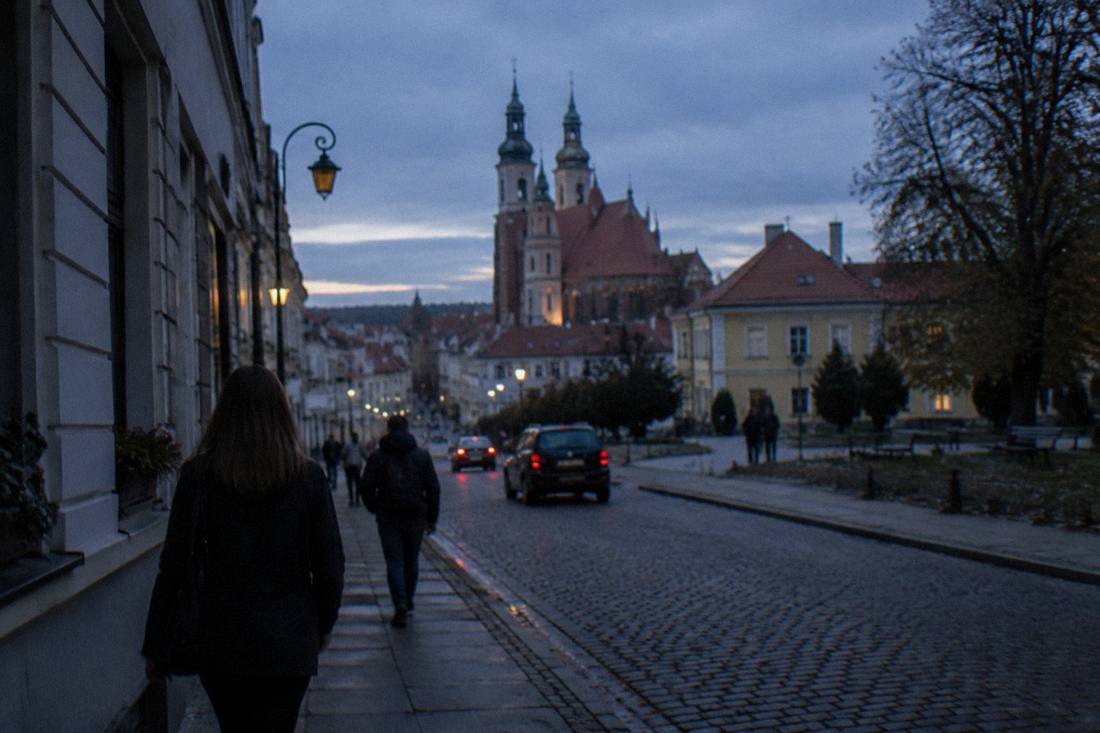
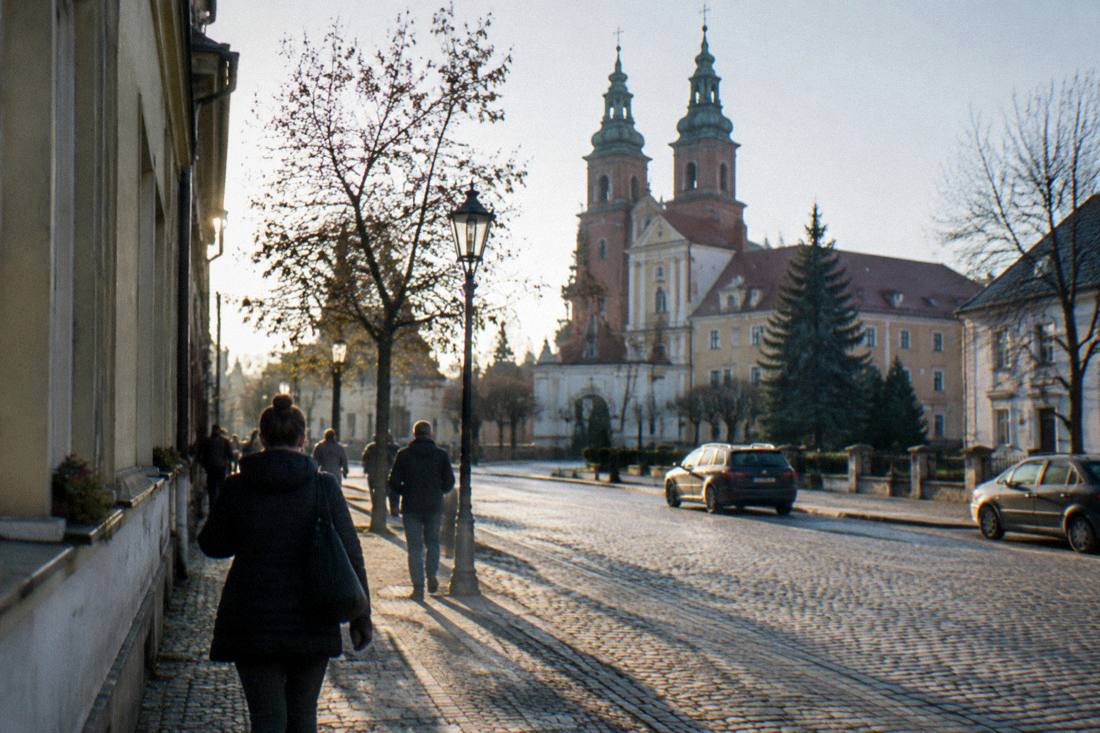
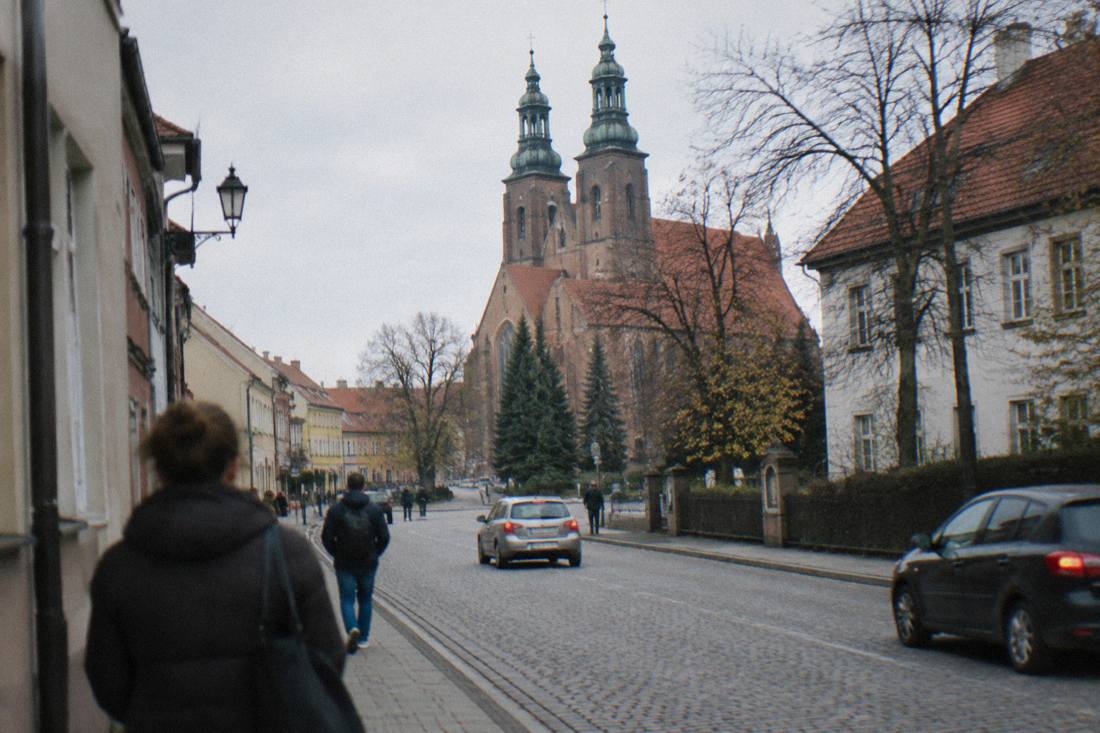
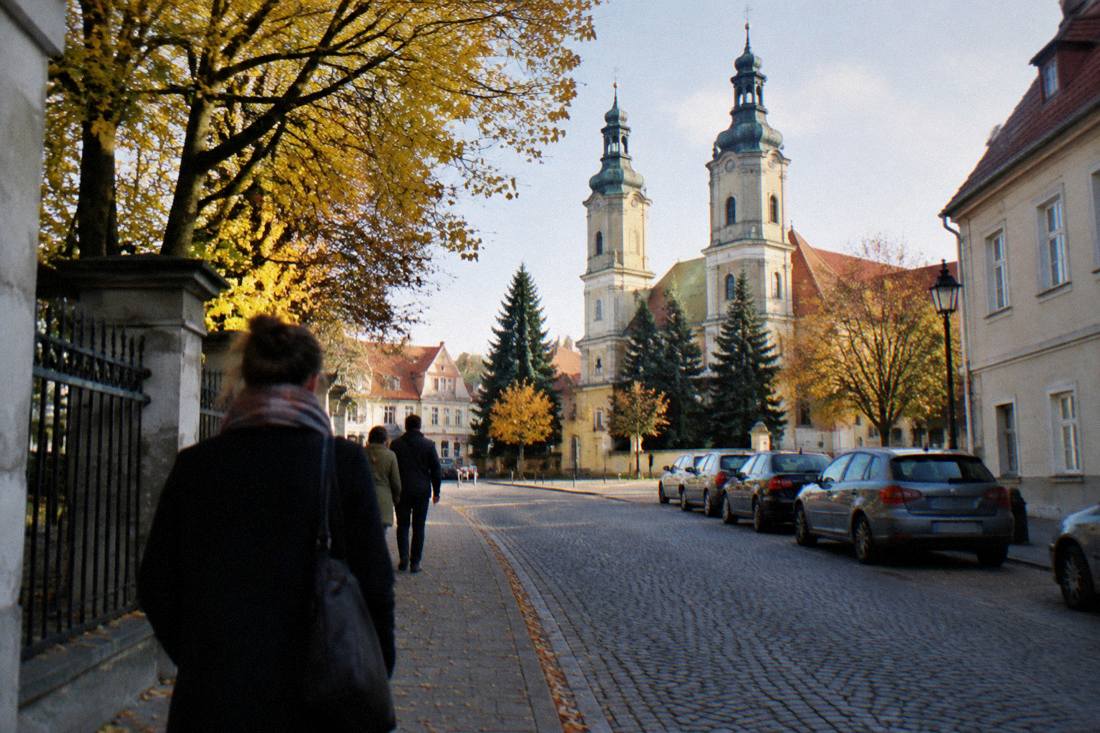
A realistic Trzebnica day is a half-day or unhurried full-day format: a morning or early-afternoon arrival, a slow walk around the town's churches and streets, a long lunch, and a return to Wroclaw with the evening free for the Market Square or Slodowa Island, and the only hard planning decision is what time to leave. There is no ticket tier to buy, no timed entry to book, and no route that needs pre-mapping the way a Ksiaz Castle day does, where the castle's own tariff lists seven different ticket combinations and the terraces only open from 15 April to 30 September.
The shape of the day matters more than the schedule. Towns like this reward the traveler who arrives, puts the phone away, and walks. If you want a comparison point from the city itself, the one day in Wroclaw itinerary shows what a packed day looks like: Market Square, the dwarfs, Ostrow Tumski, the Panorama Raclawicka. Trzebnica is the opposite of that itinerary, and that is its whole value. Pair the two across separate days rather than trying to merge them.
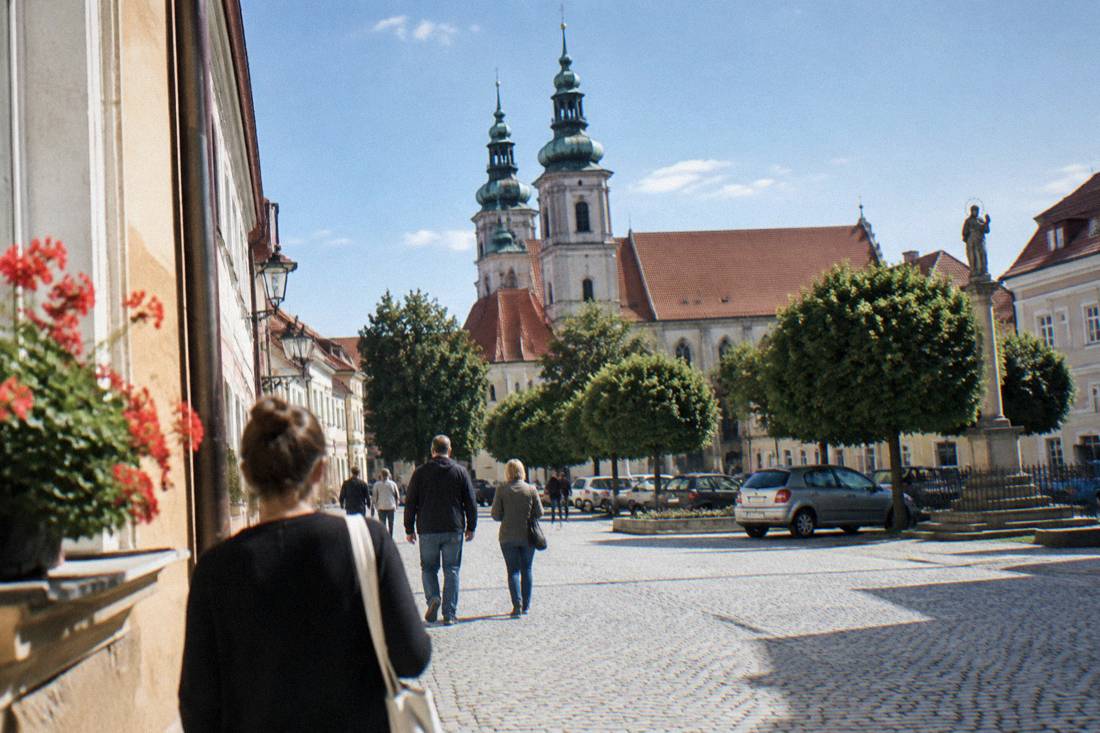
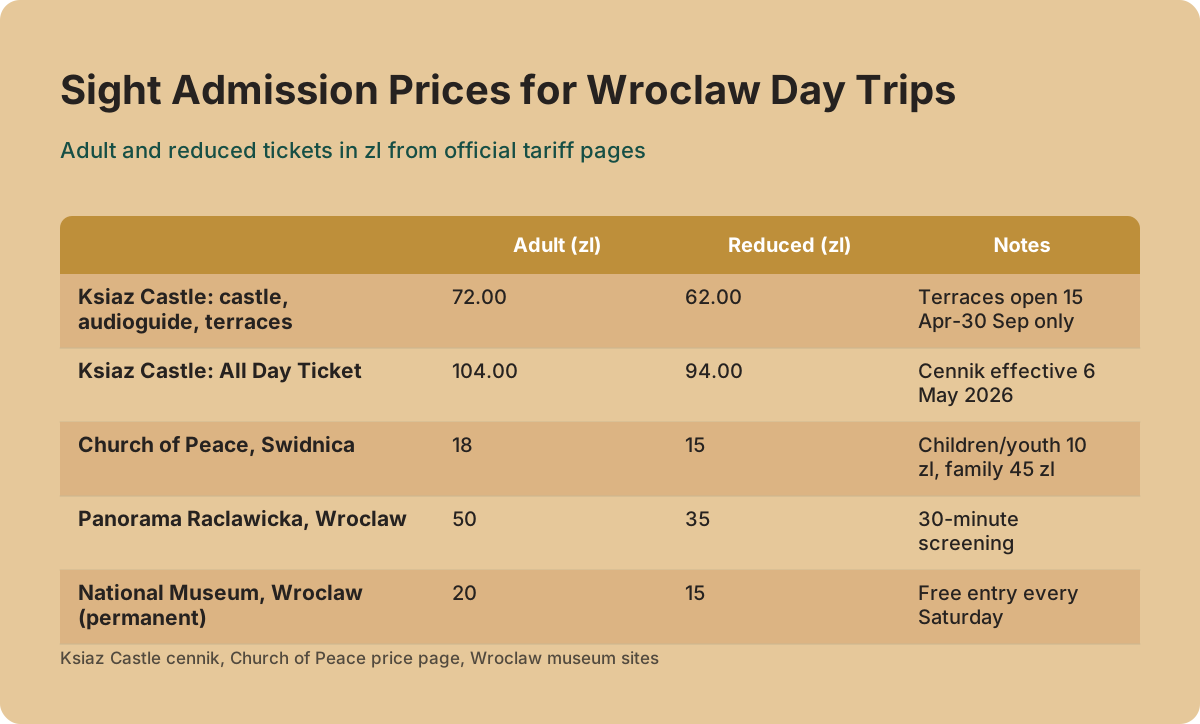
The honest gap in this section: the verified facts pack for this site does not carry opening hours, admission figures, or visitor-route details for Trzebnica's own church and sanctuary, and this page will not invent them. What the pack does carry, richly, is the cost of every comparable day trip around it. Use those numbers to budget the Trzebnica day by analogy, and check any Trzebnica-specific admission at the door the way you would anywhere in Poland. To make that concrete, here is what the sourced regional anchor sights actually charge, straight from their own price pages.
| Sourced Lower Silesia sight | Adult ticket (zl) | Reduced (zl) | Source detail |
|---|---|---|---|
| Ksiaz Castle: castle, audioguide, terraces | 72.00 | 62.00 | Terraces open 15 Apr-30 Sep only |
| Ksiaz Castle: All Day Ticket (castle, terraces, underground, Palm House, stud farm, mausoleum) | 104.00 | 94.00 | Cennik effective 6 May 2026 |
| Church of Peace, Swidnica | 18 | 15 | Children/youth 10 zl, family 45 zl |
| Panorama Raclawicka, Wroclaw | 50 | 35 | 30-minute screening |
| National Museum, Wroclaw (permanent) | 20 | 15 | Free permanent entry every Saturday |
Notice what that table implies for a Trzebnica budget: a full flagship day in this region, done independently, runs you somewhere between a modest church admission and a 104 zl castle supersaver. A small-town day sits near the bottom of that range, which is precisely its appeal for travelers stretching a budget. The site's Wroclaw trip cost page extends the same sourced-numbers approach to the whole stay.
How Does Trzebnica Compare To Wroclaw's Other Day Trips?
Trzebnica is the smallest and simplest of Wroclaw's day-trip options: less driving, fewer tickets, and no UNESCO inscription of its own, which means you choose it for calm rather than for sights, while Ksiaz Castle, the Swidnica Peace Church, and the Giant Mountains remain the headline trips for first-time visitors with only one day to spare. The comparison is not really close on a first visit. If you have exactly one day-trip slot from Wroclaw and you want the region's most famous sights, the Ksiaz Castle and Church of Peace tour covers both headline sights in a single booked day on the operator's live listing.
Here is how the region's day trips stack up on what the verified sources actually say about each.
| Day trip from Wroclaw | Best for | What the verified sources say |
|---|---|---|
| Trzebnica | Small-town calm, an easy half day | A quiet Lower Silesian town within day-trip range; no specific figures published in this site's pack |
| Ksiaz Castle | Castles and grandeur | Owned by the Walbrzych municipality, operated by the municipal company Zamek Ksiaz w Walbrzychu Sp. z o.o.; castle with terraces 72/62 zl |
| Church of Peace, Swidnica | UNESCO timber architecture | Inscribed by UNESCO in 2001 as "Churches of Peace in Jawor and Swidnica"; adult 18 zl |
| Karpacz and the Karkonosze | Mountains | The Giant Mountains area, the region's headline outdoor trip |
| Project Riese, Osowka | Underground and WWII history | The Riese complex near Ksiaz, visited on private tours from Wroclaw |
| Centennial Hall (in-city) | Architecture at home | UNESCO-inscribed 2006, architect Max Berg, built 1911-1913, capacity up to 10,000 |
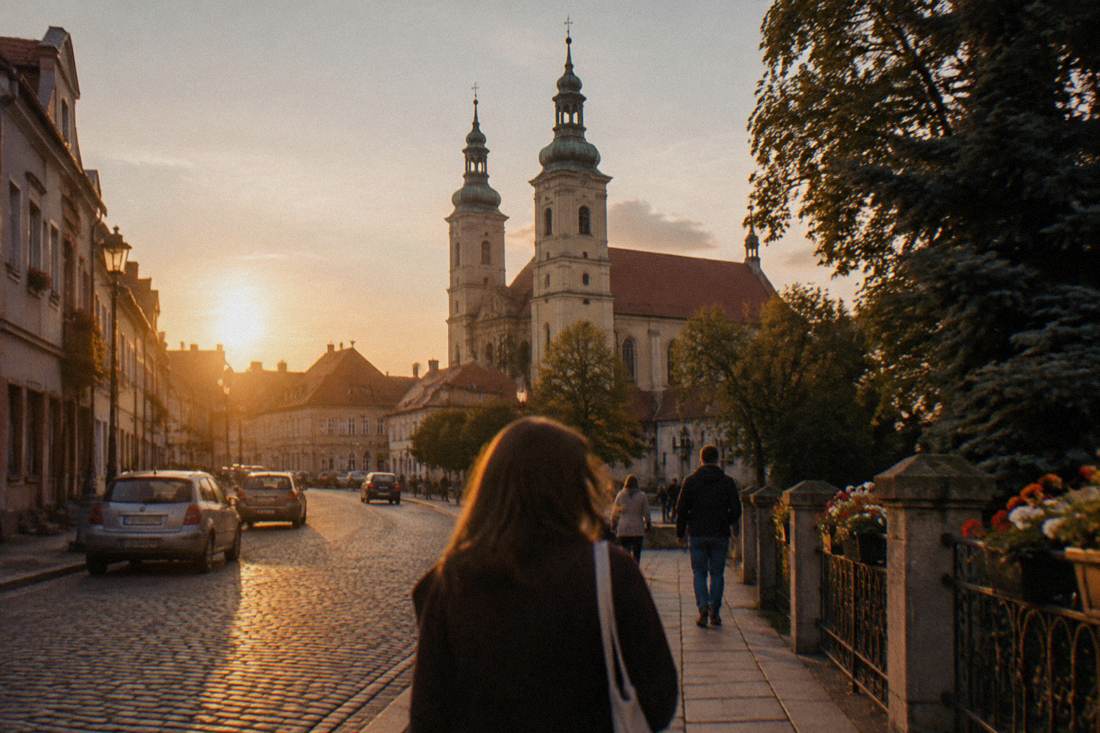
Two corrections worth carrying into that table, because they are the mistakes that keep appearing elsewhere. Krakow, not Wroclaw, is the larger city: GUS puts Krakow at 816,614 residents versus Wroclaw's 672,601 as of 31 December 2025, and Krakow's Rynek Glowny at roughly 4 hectares is larger than Wroclaw's Rynek. And the frequently repeated claim that Wroclaw's square is "the second-largest in Europe" was not independently confirmed, so treat it as a rumor, not a fact. None of that diminishes Lower Silesia's day trips; it just keeps them honest. For the full city-versus-city breakdown, see Wroclaw vs Krakow.
What Will A Trzebnica Day Trip Cost?
A Trzebnica day trip is one of the cheapest day trips you can take from Wroclaw, because its cost base is essentially transport plus food, with no sourced attraction tariff attached to the town itself in this site's facts pack, and the comparable sourced regional figures run from a 4.60 zl MPK short-hop ticket in the city up to 104 zl for the biggest castle ticket in Lower Silesia. In other words: budget like a local for the day, not like a castle visitor, and the day stays small.
The zloty (PLN) is the currency, not the euro, even though Poland is in the EU and the Schengen area. Every figure on this page is a PLN till price from an official Polish source, and the site's currency and tipping page covers the practical side of paying and tipping in Poland. For the in-city anchor sights, which is where most Trzebnica day-trippers spend the rest of their Wroclaw stay, here are the sourced numbers in one place.
| In-city Wroclaw sight | Adult (zl) | Reduced (zl) | Notes from the official source |
|---|---|---|---|
| Wroclaw Zoo, online | from 69 | from 59 | Afrykarium included in the standard ticket |
| Wroclaw Zoo, at the gate | 99 | 89 | Open every day of the year |
| Panorama Raclawicka | 50 | 35 | Ticket also covers National Museum permanents, Ethnographic Museum and Four Domes Pavilion within 3 months |
| National Museum, permanent exhibitions | 20 | 15 | Free permanent entry every Saturday |
| National Museum, temporary exhibition | 10 | 8 | Second floor |
That zoo detail deserves its own sentence, because it is the single most useful money fact to know: the zoo's own price page states that a standard ticket and an annual card both entitle you to the Afrykarium as well, so never buy a separate Afrykarium ticket that someone offers you. And the National Museum's free Saturday is the kind of lever a budget traveler should build a weekend around. The free things to do in Wroclaw guide collects more of these.
Food on a Trzebnica day is a matter of taste and budget rather than sourced figures, so no invented price band appears here. What the site does cover with real sourcing is Wroclaw's food scene: start with the milk bars page for the traditional budget route, and the best restaurants in Wroclaw page for the other end.
When Is The Best Time Of Year For A Trzebnica Trip?
The best time for a Trzebnica day trip is late spring through early autumn, because IMGW's 1991-2020 climate normals for the Wroclaw station show the warmest months as July at 19.7C and August at 19.3C with the coldest as January at 0.0C, and a small-town walking day is simply more comfortable in the 9.7C-to-19.7C half of the year, though winter visits are perfectly viable with church interiors as your warm fallback. April, at a 9.7C mean and the driest month in the normals at 31.2 mm of precipitation, is arguably the sweet spot: mild, relatively dry, and before the July peak that carries 91.4 mm.
Here are the full normals, exactly as IMGW publishes them for the Wroclaw station, because a month-by-month view beats a vague "best in summer" every time.
| Month | Mean temperature (C) | Precipitation (mm) |
|---|---|---|
| Jan | 0.0 | 28.3 |
| Feb | 1.1 | 25.6 |
| Mar | 4.3 | 35.0 |
| Apr | 9.7 | 31.2 |
| May | 14.3 | 59.6 |
| Jun | 17.7 | 65.4 |
| Jul | 19.7 | 91.4 |
| Aug | 19.3 | 59.5 |
| Sep | 14.5 | 48.4 |
| Oct | 9.6 | 37.6 |
| Nov | 4.8 | 31.4 |
| Dec | 1.1 | 27.9 |
Two cautions that come straight from the same table. First, do not call this climate Mediterranean, and do not repeat any "warmest city in Poland" or sunshine-hours ranking, because no such figure was sourced. Second, July's 91.4 mm of precipitation is a real planning fact: a July day trip needs an indoor fallback, and a town whose main draw is its churches actually has one built in. The site's best time to visit Wroclaw and Wroclaw weather by month pages go deeper on the same data.
Is Trzebnica A Good Trip With Kids Or In A Group?
Trzebnica works as a family or small-group day trip mainly because it is low-pressure, with no timed entries, no long queues to plan around, and the flexibility to cut the day short, but it is not an activity destination the way the Wroclaw Zoo is, so families with younger children will usually get more from a zoo day, which the zoo's own price table puts at adult online from 69 zl versus 99 zl at the gate. That gap between the online and gate price is itself a planning lesson: book ahead in this region wherever an official source offers a cheaper online tier.
For groups, the logic is different. A group that wants one shared narrative experience is better served by a guided product than by a self-planned small-town walk. The verified options on this site's roster include the 3-hour English-language bike tour of Wroclaw for an in-city group activity, and the Ksiaz-and-Peace-Church day tours for the regional flagship version. For a deeper look at the family angle in the city itself, the Wroclaw with kids itinerary is the right page.
One group-planning note from the sourced zoo hours, since families so often pair a day trip with a zoo day: the Wroclaw Zoo is open every day of the year, including all public holidays, with April-September grounds hours of 9:00-18:00 on weekdays and 9:00-19:00 on weekends and holidays, and shortened 9:00-14:00 days on 24 and 31 December. Those are the zoo's own published hours, and they pair well with a Trzebnica morning on a two-day plan.
What Should You Know About Trzebnica And Silesia Before You Go?
Trzebnica belongs to Lower Silesia, the region surrounding Wroclaw, and the region's verified identity rests on specific sourced facts: Wroclaw is the largest city of the Dolnoslaskie voivodeship with 672,601 residents as of 31 December 2025, its Centennial Hall was UNESCO-inscribed in 2006, the Peace Churches inscription dates to 2001, and the area's recognized cultural claims include the New Horizons film festival, the 2016 European Capital of Culture year, and the Nadodrze district's street-art reputation. That last list matters because two claims this site explicitly avoids are the ones casual blogs reach for: Wroclaw is not "Poland's most vegan city" and not "Poland's artsy city." Lodz holds the film-city recognition as a UNESCO City of Film, and Warsaw is the internationally noted vegan hub. Say the sourced things, skip the rest.
The site's Wroclaw and the Silesia region page covers the regional context properly, and the Wroclaw history guide handles the city's own long story. For Trzebnica's part in that story, the same honesty rule applies as everywhere on this page: no founding date, building chronology, or named architect for Trzebnica's church could be verified, so none appears here, and any guide that confidently hands you a specific century or builder without a source is doing the thing this site refuses to do.
What Do You Pack And How Do You Plan Around Polish Practicalities?
Pack for a walking day in a four-season climate: comfortable shoes for cobbled and paved streets, a layer for the 9.7C annual mean and the 0.0C January floor, rain protection if you travel in the June-August window that carries 65.4, 91.4, and 59.5 mm of monthly precipitation, and cash-or-card flexibility in zloty, because Poland uses PLN, is in the EU and Schengen, and charges no sourced Wroclaw tourist tax that could be verified. Beyond that, the practicalities are Polish-standard: tap water safety, connectivity, and public-holiday opening hours are all covered by the site's dedicated pages.
The links worth opening the night before a Trzebnica day are these: is tap water safe in Wroclaw for the water bottle decision, Wroclaw eSIM and connectivity for offline maps and train timetables on the go, and Wroclaw public holidays and opening hours for the day-of-week question that catches out regional visitors, since several major Polish museums, including the National Museum in Wroclaw and the Panorama Raclawicka in winter, close on Mondays. If your Trzebnica day falls on a Monday and you planned a museum for the evening, that plan needs revising.
For travelers who want the region's headline sights handled rather than self-planned, the private option mentioned earlier is the strongest fit: a private Project Riese and Ksiaz Castle tour bundles the castle and the underground complex into one booked day, with live dates on the operator's listing. Trzebnica remains the quiet sibling of these trips: the day you take when the planning energy is low and the desire for a small-town walk is high.
The final planning sequence, in plain order: check the live regional timetable for your travel date, carry zloty for the small spend, keep the Ksiaz and Swidnica figures in mind as your regional price ceiling, plan around the Monday museum closures if the day extends into Wroclaw's sights, and leave the evening free for the Market Square. That is a complete, honest Trzebnica day.
Common Questions About Trzebnica From Wroclaw
How Far Is Trzebnica From Wroclaw?
Trzebnica sits within easy day-trip range of Wroclaw in Lower Silesia, Poland, but this site's verified facts pack does not publish a specific distance or journey time for the Wroclaw-Trzebnica route, so no figure appears here. Check the live regional timetable when planning; the honest answer is "a short regional hop," not a number invented to sound helpful.
Is Trzebnica Worth Visiting Compared To Ksiaz Castle?
They serve different purposes. Ksiaz Castle is Lower Silesia's flagship sight, with its own tariff showing castle-plus-terraces tickets at 72/62 zl and an All Day Ticket at 104/94 zl. Trzebnica is the low-commitment small-town alternative for a half day. If you have one big day-trip slot from Wroclaw, most first-time visitors should pick Ksiaz and the Church of Peace in Swidnica first.
What Is The Cheapest Day Trip From Wroclaw?
On the sourced numbers, a small-town walk like Trzebnica is the cheapest day-trip format, since its cost base is transport and food. For reference, the Church of Peace in Swidnica charges adults 18 zl, the National Museum in Wroclaw charges 20 zl with free permanent-entry Saturdays, and a 15-minute MPK ticket inside Wroclaw is 4.60 zl normal.
Does Wroclaw Have A Tourist Pass That Covers Day Trips?
No. There is no all-inclusive Go City-style tourist pass currently sold for Wroclaw, and our research explicitly confirms that. UrbanCard is a real but transport-focused fare card with resident discounts, and it does not cover museum or attraction admission, so plan day trips on individual tickets.
What Is The Best Month For A Trzebnica Day Trip?
On IMGW's 1991-2020 climate normals for the Wroclaw station, April is a strong pick: a 9.7C mean and the driest month at 31.2 mm of precipitation. July is the warmest at 19.7C but also the wettest at 91.4 mm, so a July visit needs an indoor fallback. January sits at 0.0C mean and suits only well-wrapped winter walkers.
Can You Visit Trzebnica Without A Car?
Yes, in principle: it is a regional-train and bus kind of destination, and Wroclaw's transport base is well documented, with MPK fares starting at 4.60 zl for a 15-minute city ticket. This site's pack does not carry the specific Trzebnica timetable, so verify the connection for your date rather than trusting a quoted time from any blog.