Milicz Ponds
The Milicz Ponds are one of Lower Silesia's quietest day trips from Wroclaw, Poland: a vast, working carp-pond landscape of dykes, reeds and waterbird life, best visited in the shoulder seasons when the birdlife and the light are at their best.
Short answer
The Milicz Ponds are an extensive complex of fish ponds in the Barycz river valley, northeast of Wroclaw in Lower Silesia, Poland. They are a working carp fishery and a major waterbird area, reachable as a self-guided day trip by car or regional rail, and best visited in spring and early autumn.
The Milicz Ponds are one of the least hyped day trips you can take out of Wroclaw, the largest city in Lower Silesia (Dolnoslaskie voivodeship), in southwestern Poland. Northeast of the city, around the small town of Milicz, the Barycz river valley opens into a huge, human-made landscape of shallow fish ponds, earthen dykes, channels and reedbeds: a working carp fishery that doubles as one of the most rewarding slow-travel destinations in the region. There is no single ticket office, no headline monument and no queue. The attraction is the landscape itself, and the pace it forces on you.
This guide from Wroclaw Travel Guide covers what the ponds actually are, how to reach them from Wroclaw, when to go, what you are likely to see, how to structure the day, and how the trip stacks up against the better-known day trips from the city, from Ksiaz Castle to the Church of Peace in Swidnica.
What Are The Milicz Ponds Near Wroclaw?
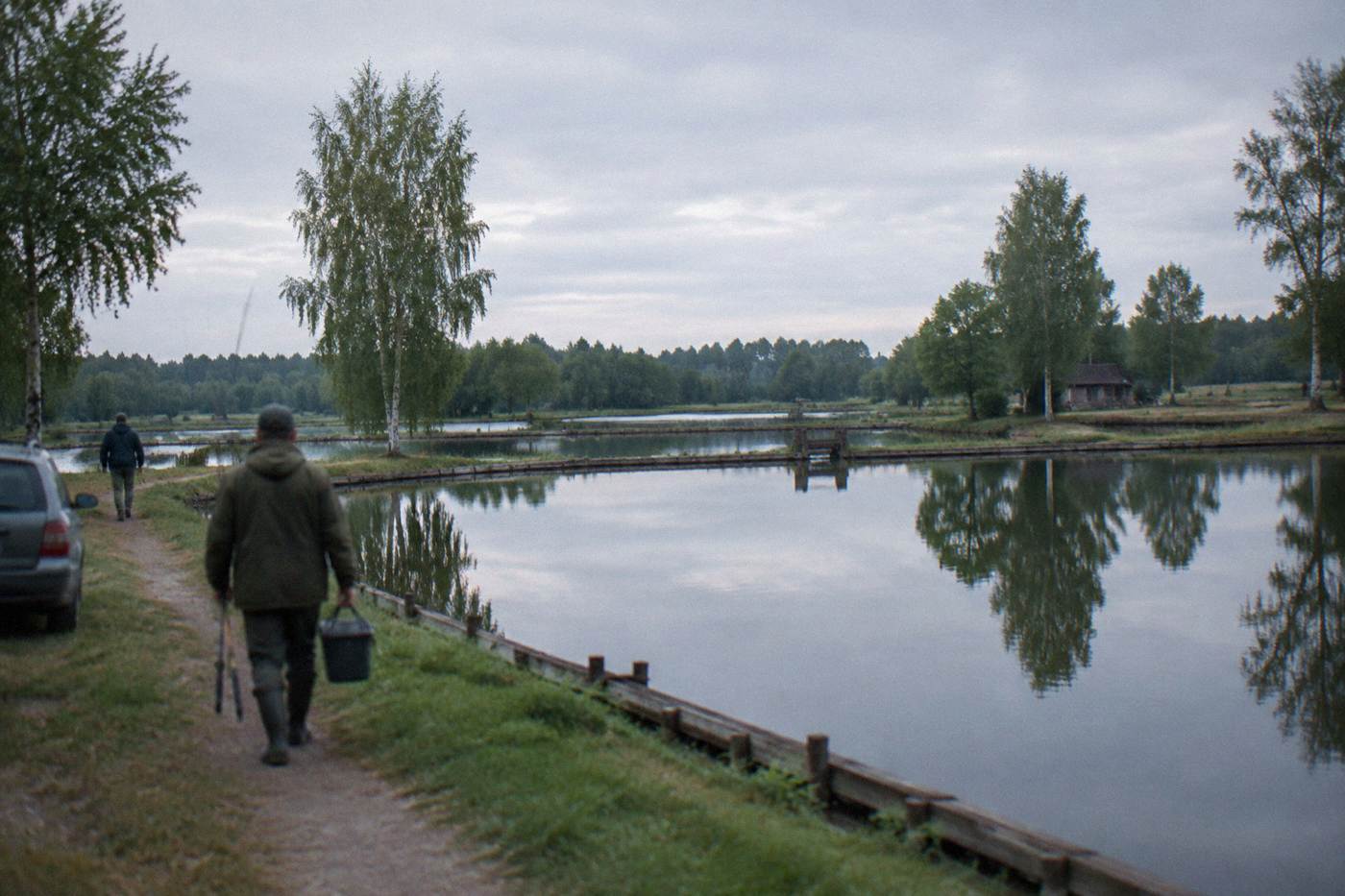
The Milicz Ponds are a large complex of shallow fish ponds built on the Barycz river in the lowlands northeast of Wroclaw, in Lower Silesia, Poland, around the small town of Milicz. They are a working carp fishery with a long tradition behind it, and because the ponds are shallow, fish-rich and full of reed margins, they have become one of the most important waterbird areas in this part of the country.
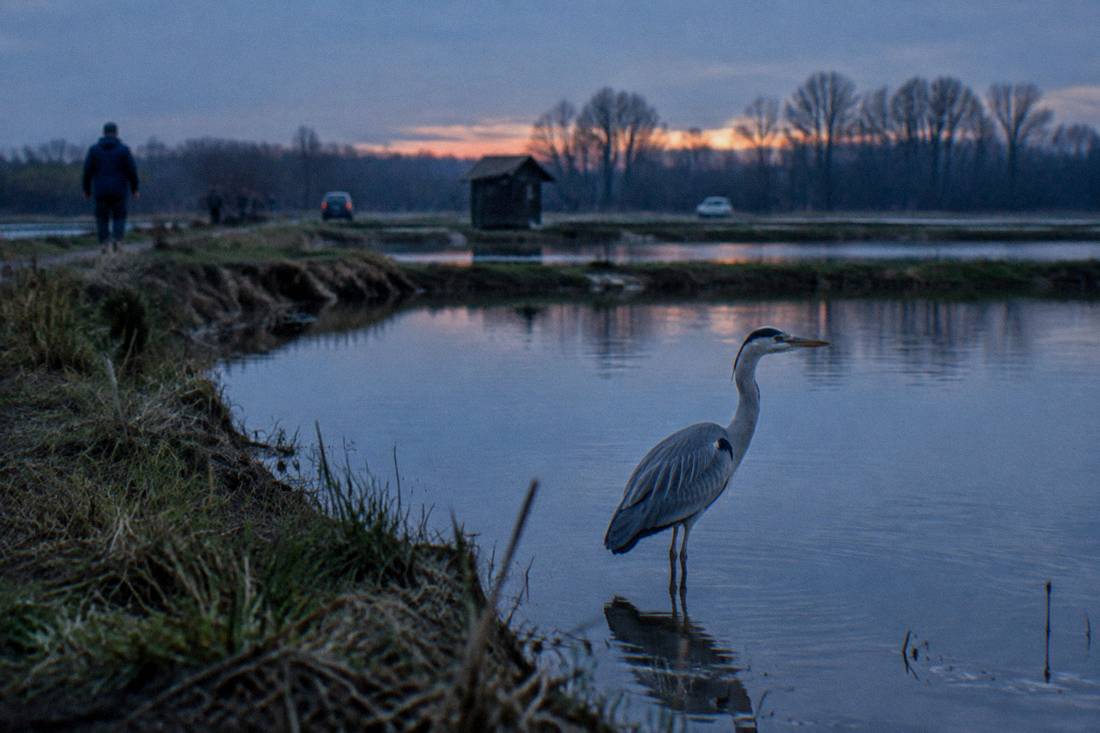
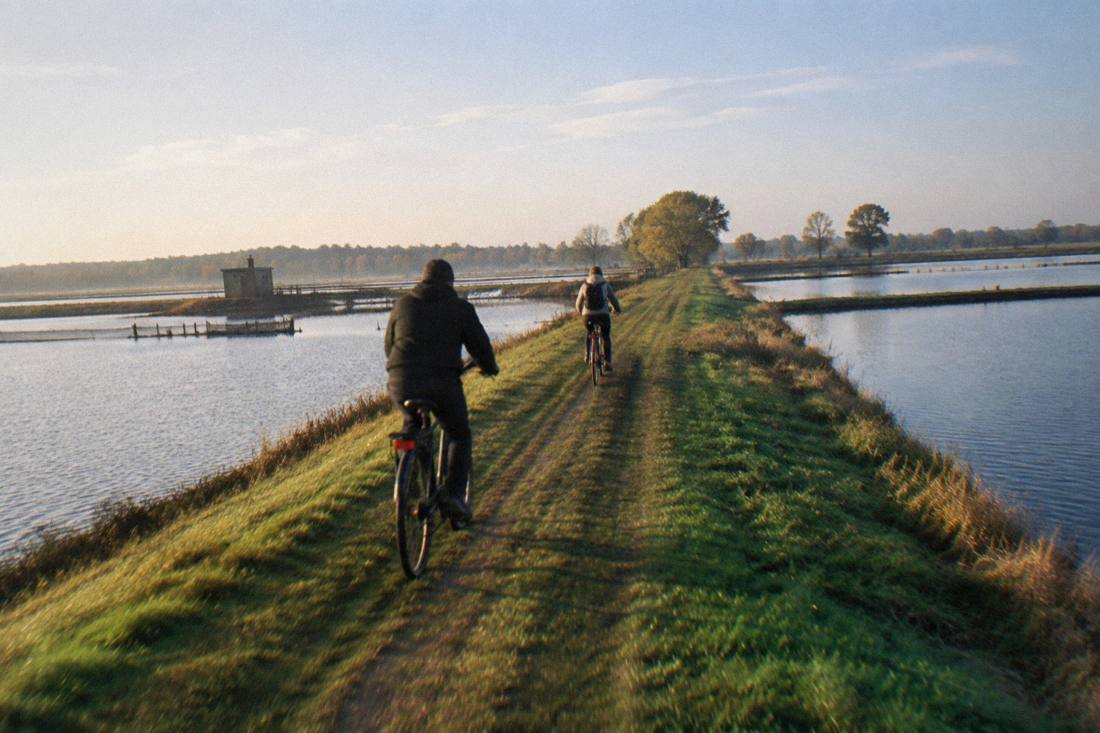
Two things define the place. First, it is a fishery, not a theme park. The ponds are managed, drained and refilled on a working cycle, so what you see depends on the season and on which basins happen to be full or drawn down. Second, it is flat and open. Walking or cycling the dyke tops between the basins is the whole point: there is no circuit you must complete, no must-see object, just long views over water, reeds and woodland edges, with herons, cormorants and other waterbirds working the shallows.
That character makes it a different kind of day trip from the region's monuments. Lower Silesia's best-known excursions, like Ksiaz Castle or the UNESCO Churches of Peace, are about buildings; the Milicz Ponds are about landscape and patience. Visitors who enjoy a slow two-day Wroclaw itinerary tend to get the most out of it. Visitors who want a ticket, a tour and a fixed schedule should probably pick a different day trip, and the comparison section below lays out the options honestly.
A word on expectations. The ponds are spread over a wide rural area rather than concentrated in one view. You will see ponds, then more ponds, then woodland, then ponds again, connected by lanes and dykes. The reward for that sprawl is space: on a weekday outside the holidays you can walk for a long stretch and meet more birds than people.
How Do You Get From Wroclaw To The Milicz Ponds?
The Milicz Ponds sit in the countryside around the town of Milicz, northeast of Wroclaw, and are best reached by car as a self-drive day trip, with regional rail toward Milicz as the car-free alternative. There is no direct tour product from Wroclaw to the ponds, so the journey itself is something you arrange: check timetables live before you travel, because no stable journey-time figure is published for this route in this site's research.
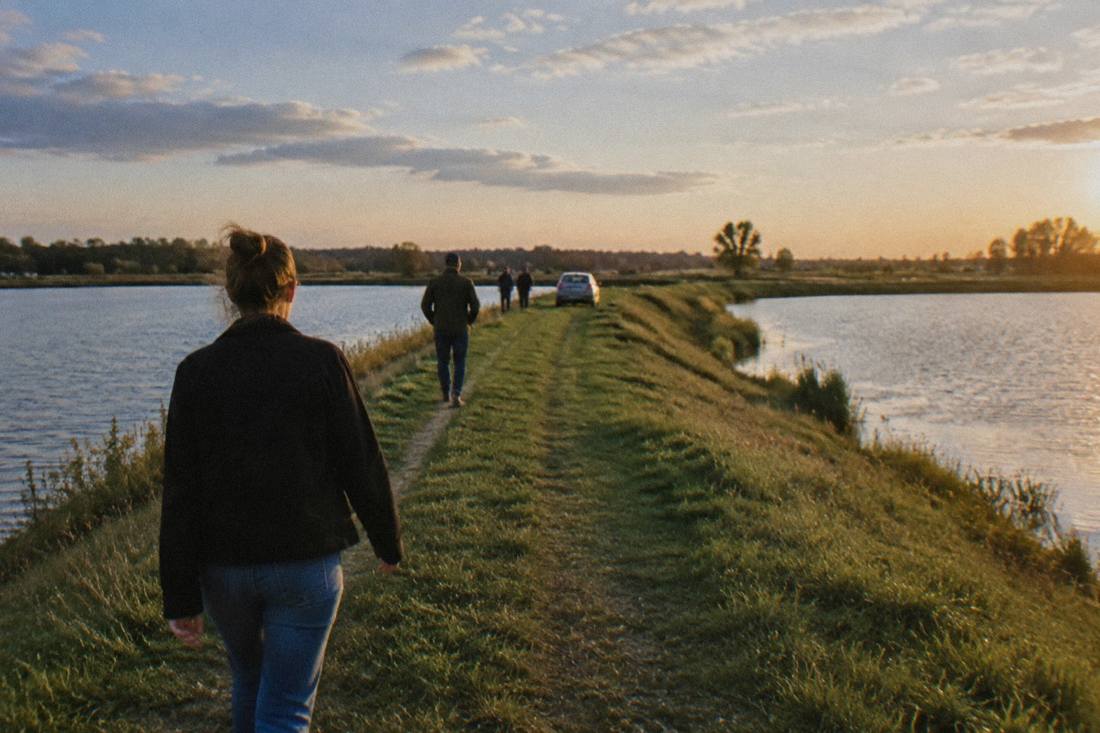
Self-driving gives you the most from the day. The ponds are scattered, and the practical way to visit is to pick a starting point near Milicz, park, and walk or cycle the dyke paths from there. Roads in the area are rural and quiet; a paper or offline map helps once you leave the main road, and a bike rack or a pair of good shoes is more useful than any ticket.
Coming by rail means regional services toward Milicz and then local movement on foot or by taxi from the station area to the pond paths. This site's research did not confirm a specific timetable or connection for this route, so the honest advice is to check the current regional schedule for your travel date rather than trust any printed time, including one paraphrased from memory here. The same rule applies to the drive: plan the route on the day, not from a cached figure.
What you should not do is treat the ponds as a hop-on-hop-off stop. There is no shuttle around the basins and no infrastructure for quick visits beyond the lanes and paths. Build the day around one or two walking routes, a long lunch stop, and a slow return to Wroclaw in the late afternoon. If your trip out of the city needs to run on rails and tickets, the guided day-trip products from Wroclaw, covered below, go elsewhere in Lower Silesia and beyond.
Before leaving Wroclaw itself, sort your basics. Poland uses the zloty (PLN), not the euro, though the country is in the EU and the Schengen area; card payment is common in the city but less certain in villages, so carry some cash for the day. The city's main station and the tram network handle the first leg of any trip, and the airport guide on this site covers arrivals if you are coming straight from a flight.
When Is The Best Time Of Year To Visit The Milicz Ponds?
Late spring through early autumn is the practical visiting window for the Milicz Ponds, with May to September the comfortable core and the shoulder months the best compromise of birds and quiet paths. Wroclaw's climate, per IMGW's 1991-2020 normals for the city's station, runs from a January mean of 0.0C, the coldest month, to a July mean of 19.7C, the warmest, with an annual mean of 9.7C, and the ponds are an open, exposed landscape that takes the weather directly.
The table below is the sourced climate picture. These are the official IMGW 1991-2020 monthly normals for the Wroclaw synoptic station (station code 12424), the nearest long-run series in this site's research, and they describe the climate zone the ponds share.
| Month | Mean Temp (C) | Precipitation (mm) | What It Means For The Ponds |
|---|---|---|---|
| Jan | 0.0 | 28.3 | Cold, bare landscapes; ice possible on shallows |
| Feb | 1.1 | 25.6 | Late-winter quiet; short days |
| Mar | 4.3 | 35.0 | First spring movement, mud on dyke paths |
| Apr | 9.7 | 31.2 | Bird migration builds; April is the driest month |
| May | 14.3 | 59.6 | Peak spring activity; green reeds |
| Jun | 17.7 | 65.4 | Long days, warm; insects out |
| Jul | 19.7 | 91.4 | Warmest month; July is also the wettest |
| Aug | 19.3 | 59.5 | High summer; early morning visits best |
| Sep | 14.5 | 48.4 | Autumn migration begins; soft light |
| Oct | 9.6 | 37.6 | Color season; quieter paths |
| Nov | 4.8 | 31.4 | Gray, atmospheric; short days |
| Dec | 1.1 | 27.9 | December is among the drier months but cold |
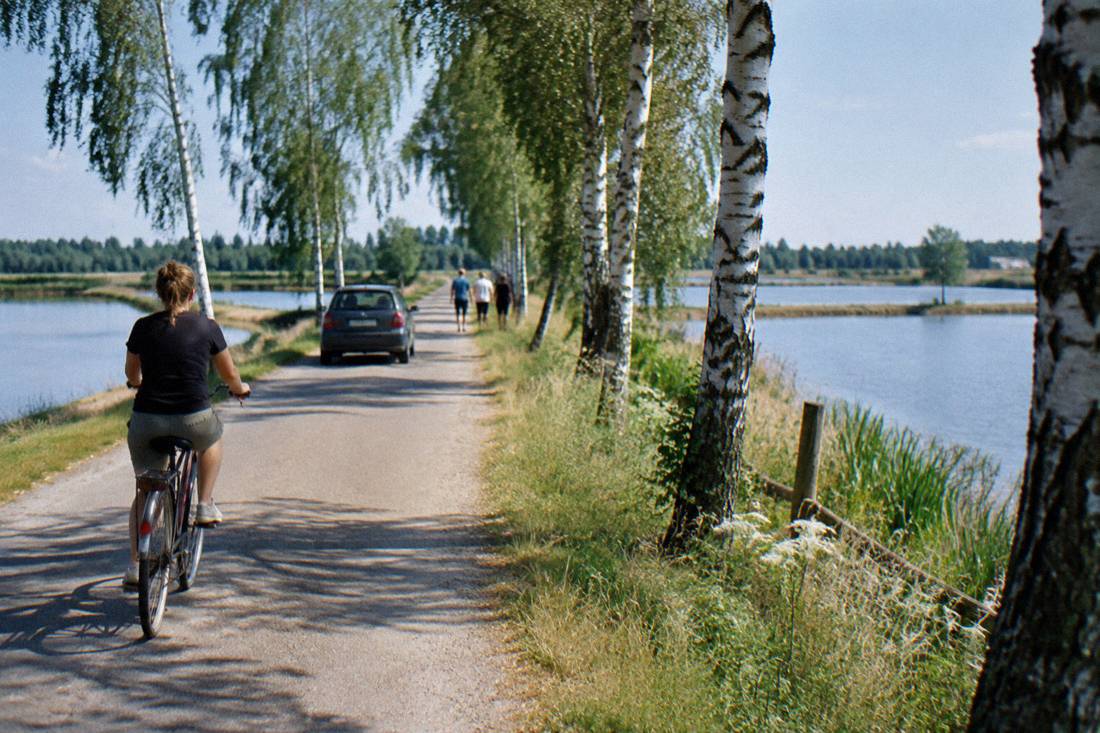
Two readings of that table matter for planning. July is both the warmest month (19.7C mean) and the wettest (91.4 mm), so midsummer visits trade heat for the highest chance of rain; April is the driest month (31.2 mm) but only 9.7C on average. The sweet spots are the shoulders: May and June for green growth and nesting activity, September for migration and the first autumn color without the summer crowds. Midsummer works too, but go early, because open water and earthen dykes hold the day's heat by afternoon.
Winter is not wrong, just different. At a 0.0C January mean the ponds can be frozen, gray and empty of foliage, which suits photographers more than birders. If a cold snap is the reason you are in Poland, a flatter, quieter winter day out here can be striking, but pack for real cold and expect short daylight.
The month-by-month picture in more depth, including what each month does to city sightseeing as well, is covered in this site's guide to the best time to visit Wroclaw and the detailed Wroclaw weather by month breakdown.
What Wildlife Can You See At The Milicz Ponds?
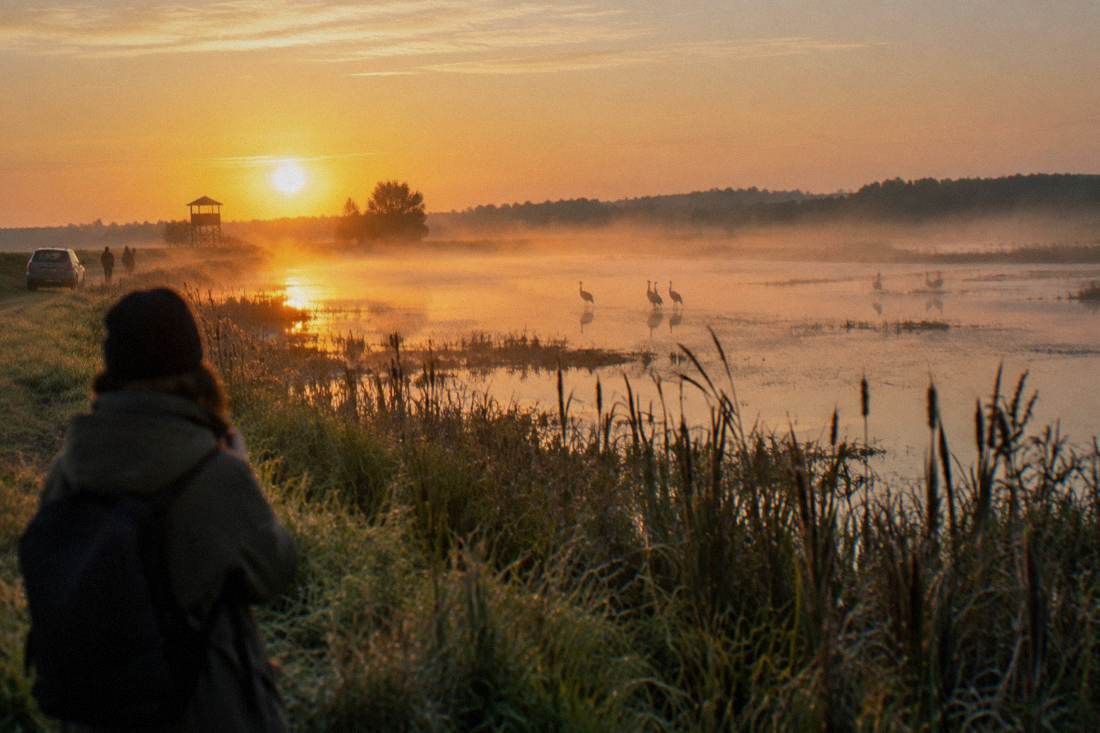
The Milicz Ponds are a waterbird destination first: expect herons, cormorants, ducks, geese and waders around the basins, with reedbed songbirds along the dykes and birds of prey over the open water, alongside the fish the ponds are farmed for. What you actually see depends heavily on the season and the water level in each basin, because the fishery cycle drains and refills individual ponds, which reshuffles where the birds feed week to week.
The carp themselves are the reason the landscape exists. A pond complex managed for fish is, from a bird's point of view, an enormous, reliably stocked feeding ground, and that is why the area holds birdlife through the year. Drawn-down basins expose mud in late summer and autumn, pulling waders in; full, quiet basins in spring suit nesting species; and the reed margins carry warblers and other songbirds through the warmer months.
Practical birding here is low-tech. You do not need a guide or a hide reservation; you need patience, quiet movement along the dyke tops, and optics. Binoculars earn their space in the bag on this trip more than on any other day trip from Wroclaw. Early morning is the productive window: the light is low, the wind is usually calmer, and the paths are empty. By late morning the birds have mostly settled into the middle of the wide basins, where heat shimmer makes viewing harder.
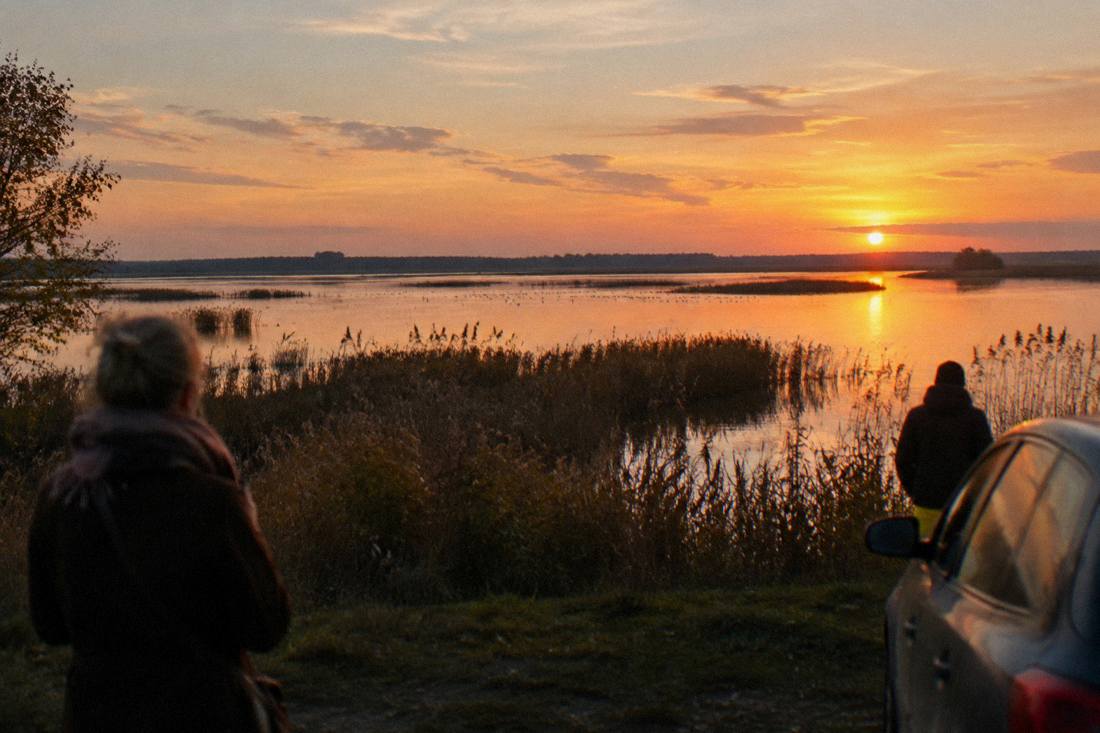
Non-bird rewards are real too. The landscape photographs beautifully in the first and last hours of the day, with mist on the water in spring and autumn. Villages around the ponds, with their church towers and farmhouse stock, give the day a human rhythm between walks. And the slowness is the point: on a clear weekday, the loudest sound for long stretches is waterfowl and wind in the reeds.
How Should You Plan A Full Day Trip To The Milicz Ponds From Wroclaw?
A good Milicz Ponds day runs as a morning-to-evening loop: leave Wroclaw early, pick one starting point near Milicz for a long dyke walk before lunch, eat a slow local meal in or around the town, then take a second, shorter walk in the softer afternoon light before driving back. The single biggest planning decision is committing to slow travel, because the ponds reward two unhurried walks far more than a rushed circuit of every viewpoint.
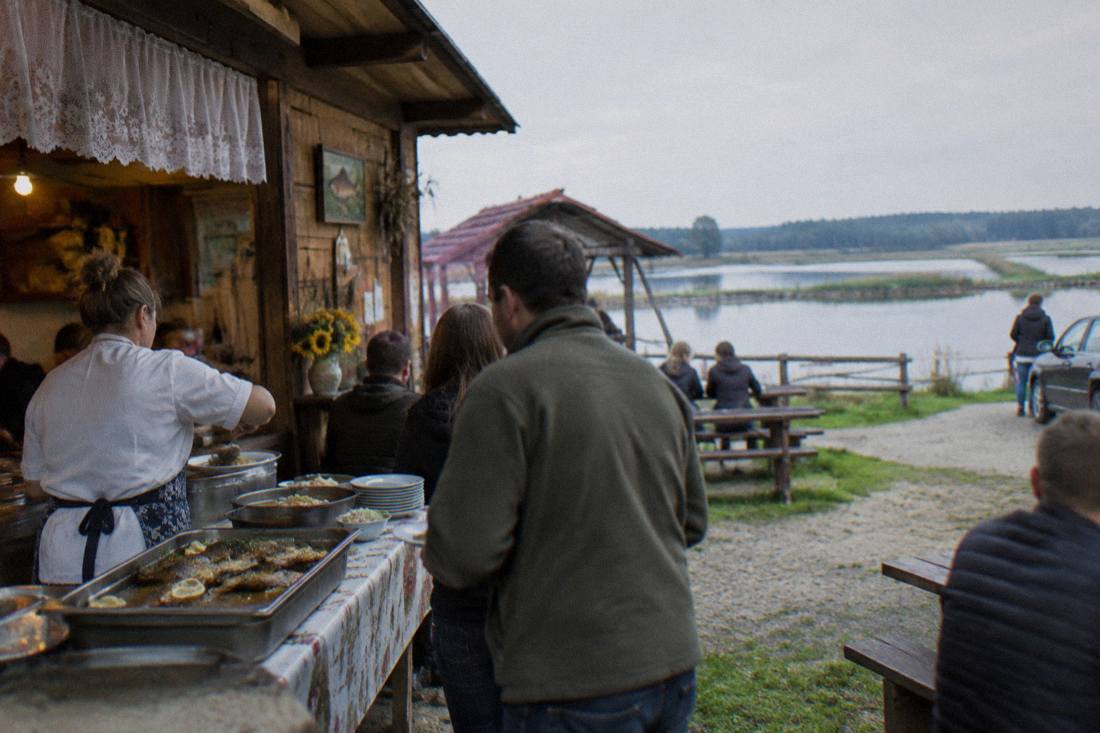
Structure the day in halves. Morning is for the main walk: pick a basin area, walk out along the dykes with the sun behind you, turn back when you feel like it rather than at a fixed point, and let the birds set the pace. Midday is for food and rest; the small-town lunch stop is not a placeholder, it is part of the day's rhythm, and carp is the traditional regional dish to look for on local menus. Late afternoon is for the second, shorter route and the drive home, ideally timed so you are not walking the exposed dykes at peak heat in summer.
Clothing and kit matter more than tickets. The paths are earthen and can be muddy after rain, especially in March and again in the wetter midsummer weeks, so proper shoes beat city sneakers. Sun protection is essential on open water in summer, and in the shoulder months the wind across flat ponds can be genuinely cold even when Wroclaw itself feels mild. Layers, a filled water bottle, and binoculars cover most of it.
If you would rather spend part of your trip on the waterbird theme in the city itself, Wroclaw's own riverside and island landscapes are the urban echo of the same idea, and the Odra river cruise guide covers the water-level view of the city. For a contrast day out, the Trzebnica trip heads the opposite direction, toward a pilgrimage basilica rather than open water.
For travelers who want the day pre-organized rather than self-driven, the honest position is that the ponds are not served by a guided product from Wroclaw. The guided day trips from the city head to other destinations, and the comparison section below shows where they go.
How Does A Milicz Ponds Trip Compare With Other Day Trips From Wroclaw?
The Milicz Ponds fill the nature-and-slow-travel slot among Wroclaw's day trips, where Ksiaz Castle fills the monument slot, the Churches of Peace fill the heritage slot, and the mountains fill the hiking slot. They are the cheapest major day trip in practice, because there is no entry price to the landscape itself, only your transport and food, whereas the region's flagship sites carry verified admission prices from 13 zl up to 104 zl depending on the ticket.
The price picture for the ticketed alternatives is fully verified in this site's research, and it is a fair way to line the options up. The table below uses only figures confirmed on official sources.
| Day Trip Site From Wroclaw | Adult / Reduced Admission (zl) | What The Ticket Covers |
|---|---|---|
| Ksiaz Castle (castle, audioguide, terraces) | 72.00 / 62.00 | Castle interiors with audioguide and terraces |
| Ksiaz Castle (castle, terraces, underground) | 92.00 / 82.00 | Adds the underground route |
| Ksiaz All Day Ticket | 104.00 / 94.00 | Castle, terraces, underground, Palm House, stud farm, mausoleum |
| Ksiaz underground tour alone | 45.00 / 39.00 | Underground route only |
| Ksiaz Palm House alone | 27.00 / 21.00 | Palm House only |
| Church of Peace, Swidnica | 18 / 15 | Individual visit to the UNESCO church |
| Church of Peace, family ticket | 45 (family) | 2 adults plus children under 18 |
Two caveats keep that table honest. The Ksiaz Castle terraces open only from 15 April to 30 September, so the terrace-inclusive tickets are seasonal by definition, and the Church of Peace figures come from the church's own published tariff. The Milicz Ponds row, by contrast, is simply zero at the gate: the landscape itself charges nothing, and your costs are fuel or rail fare, food, and nothing else unless you book local lodging.
Fit matters as much as price. Families with small children often do better at the animal-focused options covered in the Wroclaw Zoo and Afrykarium guide, where adult admission runs 99 zl at the gate but from 69 zl online. Hikers should look at the Karpacz and the Karkonosze mountains instead of flat pond walks. Rainy-day travelers should redirect to the city's covered sights; the ponds in steady rain are a short walk and a long drive.
And if your ideal day trip is a fully guided, long-haul run out of the city with a professional guide and everything booked, the flagship product this site features is the Krakow and Wieliczka Salt Mine tour, and Check availability on the operator's live listing for your dates. It is the opposite of the ponds in every way: cities and mines instead of water and reeds, a guide instead of solitude, a very long day instead of a slow one. Some trips want both on the same itinerary.
What Should You Pack And How Much Does A Milicz Ponds Day Trip Cost?
Pack for walking and weather, not for sights: broken-in waterproof shoes, layered clothing for wind off the open water, sun protection in summer, binoculars, a filled water bottle and cash in zloty for village lunches. The honest cost answer is that the ponds themselves cost nothing to enter, so the day's budget is transport plus food, and no specific fuel, rail or taxi figure is published in this site's research for the Wroclaw-to-Milicz run, so none is invented here.
The seasonal packing logic follows the climate table from earlier in this guide, condensed into what actually matters on the dykes.
| Season | Months | Mean Temp Range (C) | Key Packing Calls |
|---|---|---|---|
| Spring | Mar-May | 4.3 to 14.3 | Mud-capable shoes, windproof layer |
| Summer | Jun-Aug | 17.7 to 19.7 | Sun hat, sunscreen, insect repellent, extra water |
| Autumn | Sep-Nov | 14.5 down to 4.8 | Warm layers, rain shell, shorter-day timing |
| Winter | Dec-Feb | 1.1 down to 0.0 | Serious insulation, grippy soles, daylight planning |
Beyond clothing, three items earn their weight. Binoculars transform the trip; the difference between specks on a far basin and identifiable birds is the difference between a walk and a wildlife day. A thermos pays for itself in every season except midsummer. And a paper map or an offline map on your phone covers the rural lanes, where signal can be patchy and where the ponds all look alike from a moving car.
On money: carry zloty in cash for the day. Card coverage in Wroclaw itself is excellent, but the ponds sit in farming villages where a cash-only lunch is entirely plausible, and Poland's currency is the zloty, not the euro, so arrive with the right notes. For what the day might cost in total, the only honestly quotable figures are the verified admission prices at the alternative sites listed above, from 18 zl at the Church of Peace up to 104 zl for the full Ksiaz All Day Ticket, and the ponds sit below all of them at zero.
One more Wroclaw-locality note for your return: if the day ends late and you are back in the city hungry, the best restaurants in Wroclaw and the street food guide on this site cover the evening, and a well-earned dinner after a day of wind and walking is one of the quieter pleasures of this itinerary.
That same logic, a short guided taste of the city instead of a long self-guided one, is why the electric-car city tour below belongs on this page at all: it is the low-effort counterweight to a day spent doing everything yourself, and pairing one with the other is a reasonable way to split a Wroclaw week.
When the weather turns against a pond day, as it will at some point on a Lower Silesian trip, the fallback city options keep the itinerary alive, and the group electric-car tour is the gentlest of them: sheltered, seated and narrated while the rain does its worst over the open water you were originally headed for.

Common Questions About The Milicz Ponds
Where Exactly Are The Milicz Ponds?
The ponds are a fish-pond complex in the Barycz river valley of Lower Silesia, Poland, in the countryside around the small town of Milicz, northeast of Wroclaw. There is no single entrance point; the ponds are spread across the valley and visited from lanes and paths around the town.
Do You Need A Ticket To Visit The Milicz Ponds?
No entry ticket is charged for the pond landscape itself. It is a working fishery and a rural area, not a gated attraction. Your costs are transport and food. The ticketed day-trip sites from Wroclaw, such as Ksiaz Castle at 72/62 zl for the castle, audioguide and terraces, or the Church of Peace in Swidnica at 18/15 zl, are the priced alternatives.
When Is The Best Month To Visit The Milicz Ponds?
May, June and September are the comfortable months, balancing bird activity, temperatures and path conditions. IMGW's 1991-2020 climate normals for the Wroclaw station put the July mean at 19.7C, the warmest month, with July also the wettest at 91.4 mm, so midsummer days should start early. April is the driest month at 31.2 mm but cooler at a 9.7C mean.
Can You Take A Guided Tour To The Milicz Ponds From Wroclaw?
No guided day-trip product from Wroclaw to the ponds appears in this site's verified tour roster. The ponds are a self-guided, self-drive destination. Guided day trips from Wroclaw instead run to destinations such as Ksiaz Castle, the Churches of Peace, the Giant Mountains, Auschwitz-Birkenau and Krakow, all listed in this site's day-trip pages.
Is A Day Trip To The Milicz Ponds Worth It From Wroclaw?
It is worth it for travelers who want landscape, birdlife and quiet rather than monuments. The ponds offer open water, reedbeds, herons, cormorants and a working carp-fishing culture, with no crowds and no entry cost. If your ideal day is a castle tour or a mountain hike, the Ksiaz Castle and Karkonosze pages on this site will serve you better.
What Should You Bring For Walking At The Milicz Ponds?
Bring waterproof walking shoes, layered clothing against the wind off the open water, binoculars, sun protection in summer, and cash in zloty for village meals. The paths are earthen dyke tops that can be muddy after rain, and the landscape is exposed, so dress for the weather forecast of the day rather than for city conditions.
The Milicz Ponds will never compete with Wroclaw's market square for attention, and that is exactly the argument for going. A day of carp ponds, herons, dyke paths and a slow lunch in a Lower Silesian village is the quietest good day out this region offers, and it costs almost nothing but time.