Wroclaw's Parks And Green Spaces
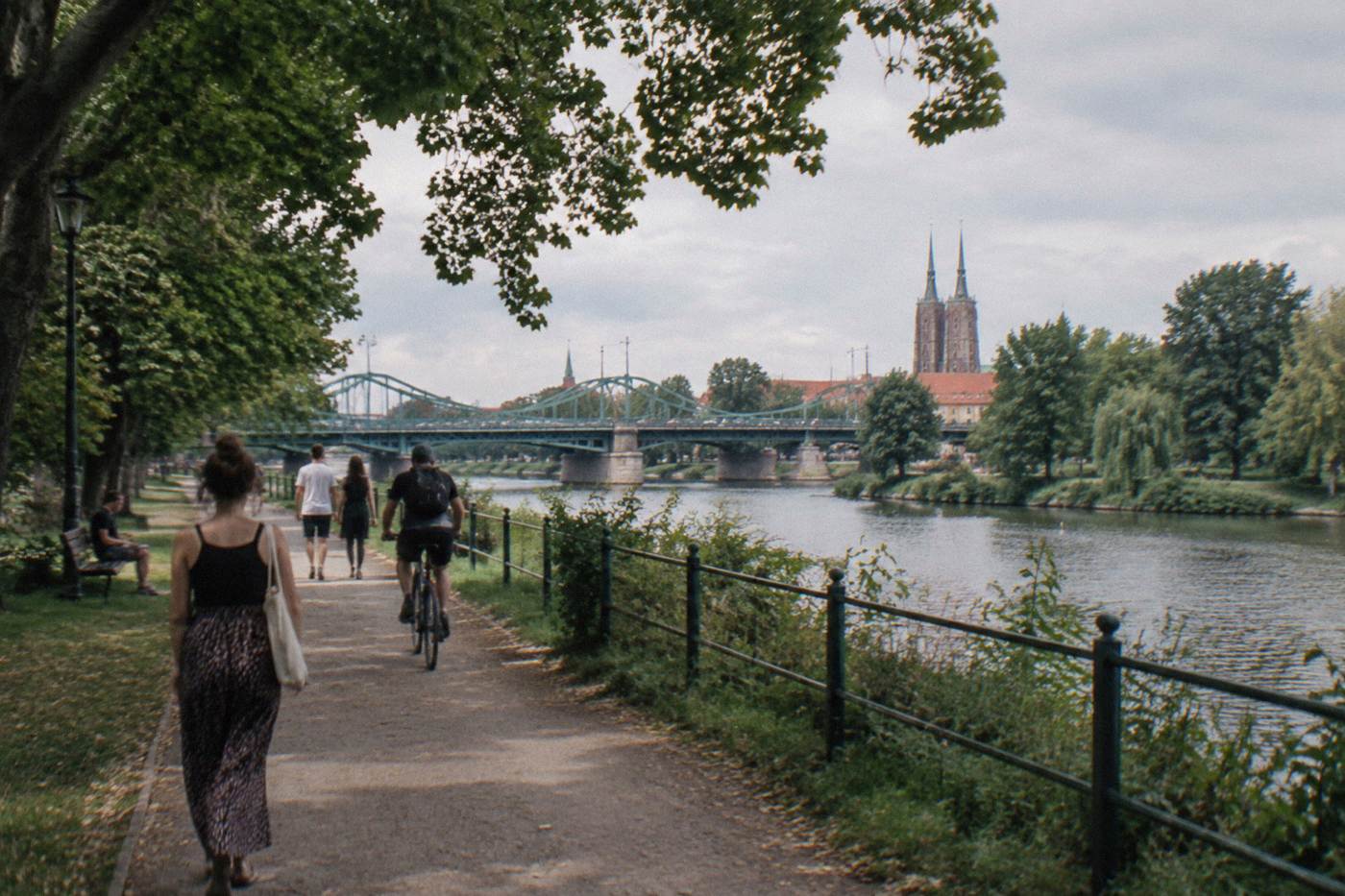
Wroclaw, the largest city in Lower Silesia in southwestern Poland, is one of Europe's greenest city breaks in feel: a string of Odra islands, big Victorian-era parks and a huge zoo all sit within a short hop of the Market Square.
Short answer
Wroclaw's best green spaces cluster in three zones: the Odra islands and riverside lawns right at the center, the Szczytnicki Park and Zoo belt in the east near Centennial Hall, and the quieter southern and northern suburbs such as Biskupin and Sepolno. Most riverside and park land is free to enter; the zoo is the one big paid green attraction, with online adult tickets from 69 zl against 99 zl at the gate.
Wroclaw, the largest city in Lower Silesia (Dolnoslaskie voivodeship) in southwestern Poland, is unusually generous with green space for a city of 672,601 residents. The Odra river splits into branches through the middle of town, leaving a chain of walkable islands, and the eastern districts hold one of the biggest park-and-zoo belts in the country. This page from Wroclaw Travel Guide maps out which parks and green corners actually reward your time, what they cost, and how to move between them using the city's trams and buses.
A word on how this page is written. Nobody on this editorial desk has been to Wroclaw, so every figure below comes from an official source: zoo and museum prices from the institutions' own price pages, climate data from IMGW's 1991-2020 normals for the Wroclaw station, and transit fares from the city of Wroclaw's own ticket guide. Where a number is not officially published, this page says so instead of guessing.
Where Are Wroclaw's Best Parks And Green Spaces?
Wroclaw's green spaces sit in three broad zones: the Odra islands and riverside promenades at the very center, the eastern park belt around Szczytnicki Park, the Japanese Garden, the Botanical Garden and the Zoo near Centennial Hall, and the quieter residential greenery of Biskupin, Sepolno and the southern Krzyki district. All three zones are reachable by tram or on foot, and almost all of them are free to enter.
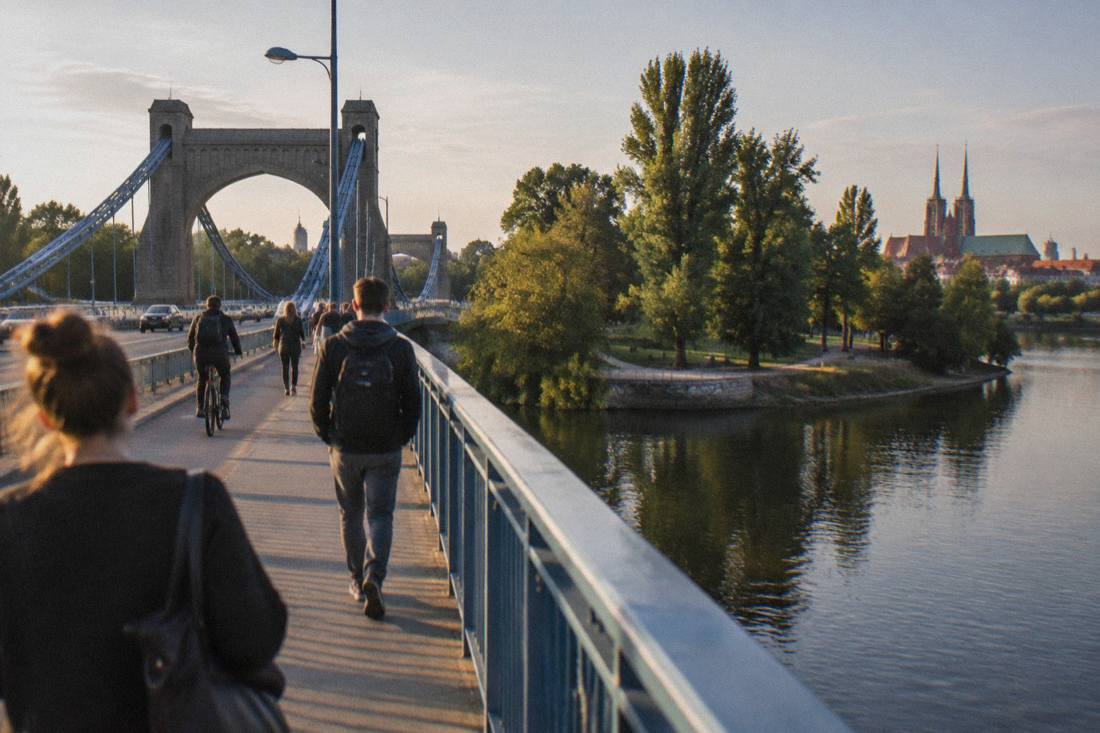
The center is where visitors tend to start, often without planning to. The Odra braids around the Old Town, and the islands between its branches function as the city's shared living room. From the northern edge of the Market Square area you can be on island grass within ten or fifteen minutes of walking, which is why so many itineraries, including our one day in Wroclaw plan, fold a riverside hour into a sightseeing day.
The eastern belt is the heavyweight. Szczytnicki Park spreads across the district behind the Zoo and Centennial Hall, and the area around it packs the Zoo with its Afrykarium oceanarium, the Japanese Garden, the Botanical Garden near Ostrow Tumski, and the multimedia Hydropolis water museum into one corner of the city. One dedicated page, our Wroclaw Zoo and Afrykarium guide, covers that complex in depth.
The outer zones matter more than most first-time visitors expect. Biskupin and Sepolno, covered in our Biskupin and Sepolno area guide, are leafy garden-district streets close to the eastern park belt, ideal when you want calm after the busy center. To the north, Nadodrze, profiled in our Nadodrze guide, is the city's recognized street-art and creative quarter, where community murals and courtyard revivals have turned a formerly neglected district into somewhere worth walking slowly.
Which Odra Islands In Wroclaw Are Best For Slow Afternoons?
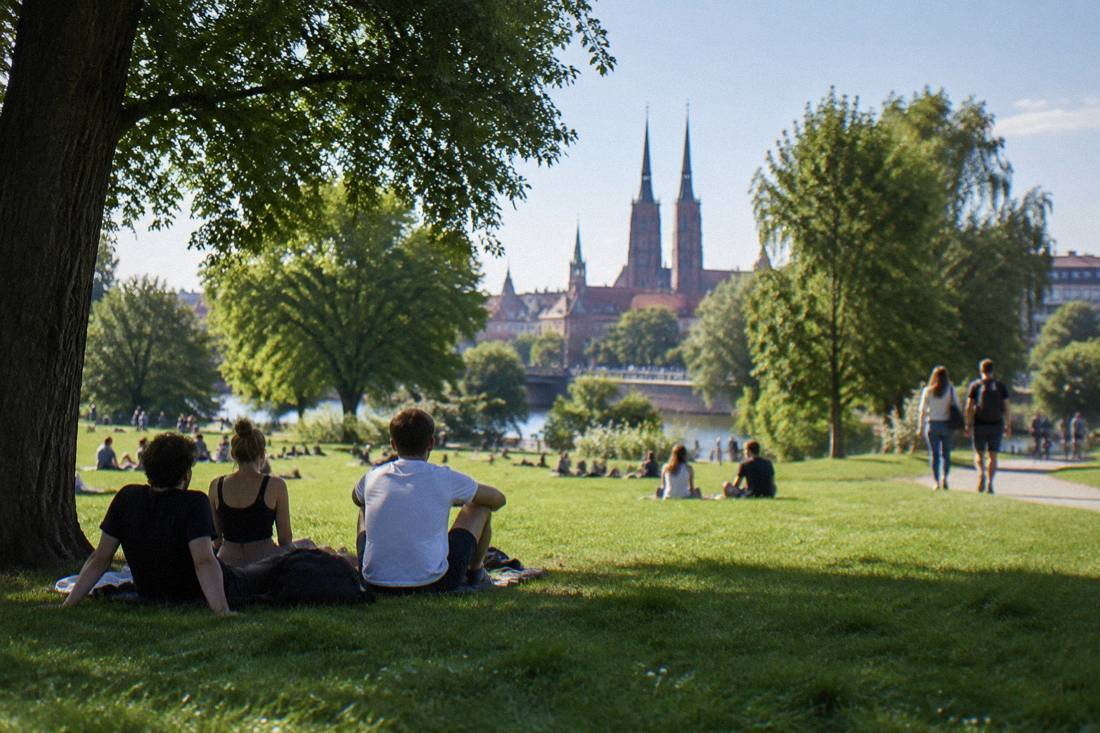
The Odra islands closest to the center are the most-used green spaces in Wroclaw: Slodowa Island (Malt Island) is the famous student-and-picnic spot with river beaches on both banks, the sandbar islands just downstream are quieter, and the riverbank promenades on both sides of the Old Town pull the whole system together. They are free, open around the clock, and connected by footbridges, so no ticket or timetable is involved.
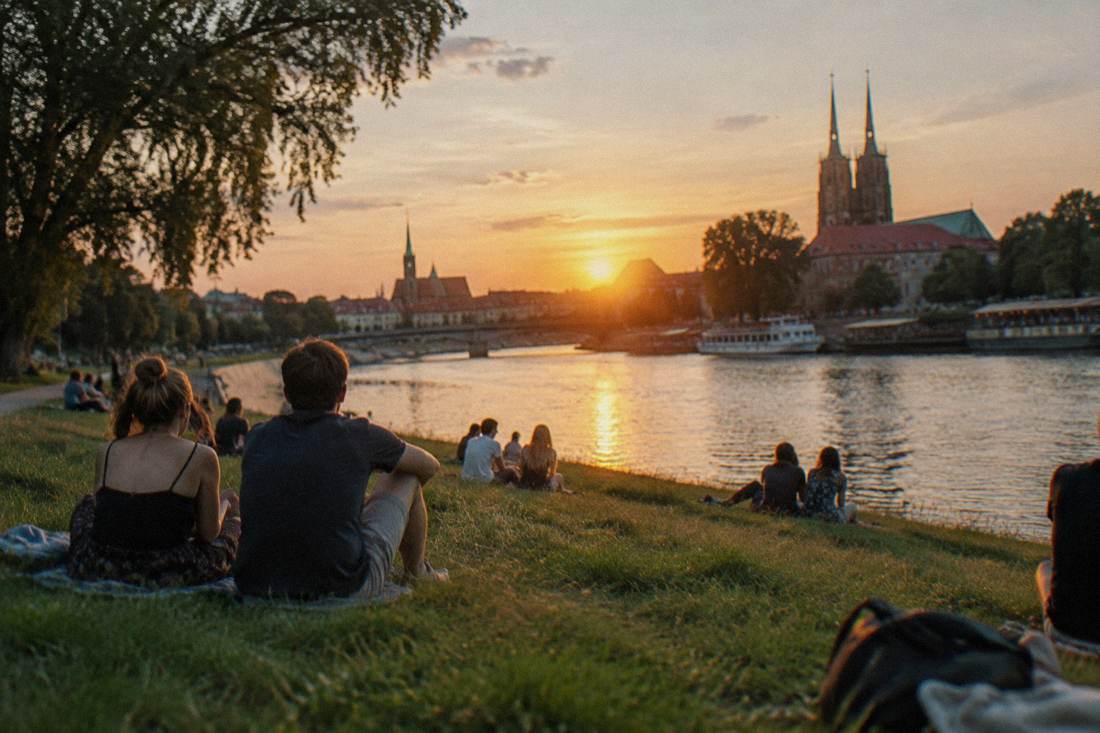
Slodowa Island is the name to remember. On warm evenings it fills with students, picnickers and acoustic guitars, a habit inherited from the nearby university population. It sits a short walk from the Old Town, which makes it the default finish line for a sightseeing afternoon. The listing habit of ranking islands misses the point a little: the pleasure is in walking the chain, crossing one footbridge after another as the Odra splits and rejoins.
The city's dwarf figurines occasionally hide near the riverbanks too, and hunting them is a legitimately good excuse to explore the islands on foot rather than tram past them. The Wroclaw dwarfs guide explains the hunt. If you would rather have a guide who builds the riverside into a route, the operator behind "Following the Dwarfs. See the City Differently!", a dwarf walk, threads the Old Town lanes and river edges together: Check availability.
Riverside walking is also the frame for one of the city's calmer paid experiences, a boat cruise along the Odra, which pairs naturally with an island afternoon. Beyond the banks, the promenade along the university side gives one of the classic views toward the cathedral island of Ostrow Tumski, profiled in our Ostrow Tumski guide, which itself ends in quiet gardens and riverside lawns.
The trio above spans three very different ways to see the green and riverside city: a guided dwarf walk, a golf-cart city tour with drinks included, and a full-day castle trip out of town. All three prices and ratings render live from the operators' listings, so nothing here goes stale.
How Much Do Wroclaw's Paid Green Attractions Cost?
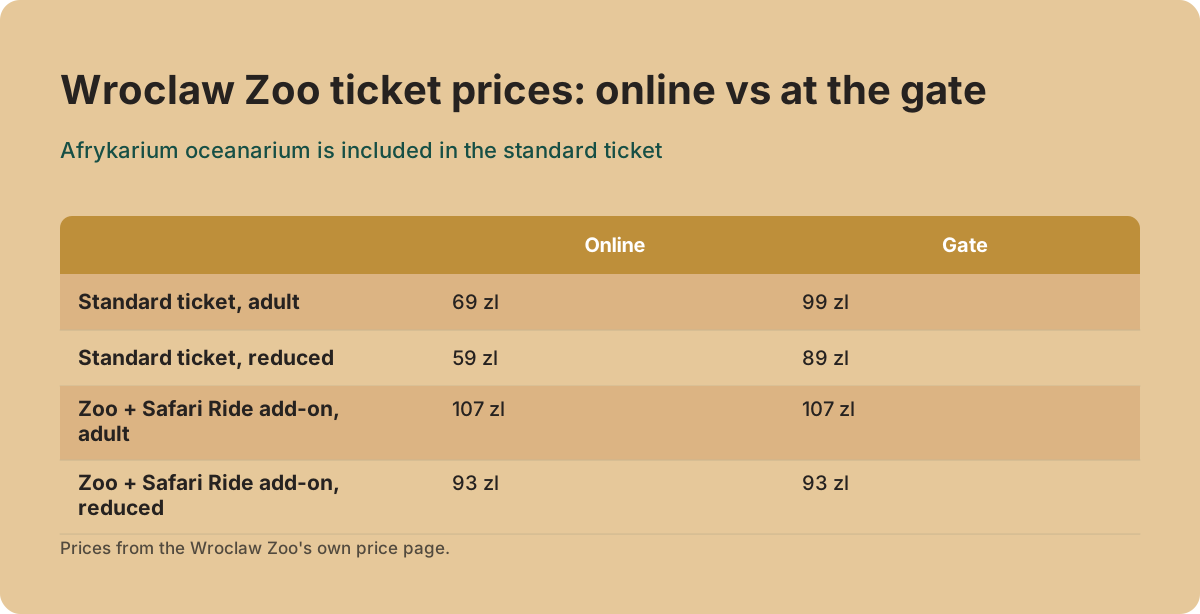
The Wroclaw Zoo is the main paid green attraction, and its own price table gives online adult tickets from 69 zl against 99 zl at the gate, with reduced tickets at 59 zl online and 89 zl at the gate; the Afrykarium oceanarium is included in the standard ticket, not a separate charge. Everything else in this article, the islands, riverside paths, Szczytnicki Park and the Botanical Garden grounds, either costs nothing or a small admission handled on site.
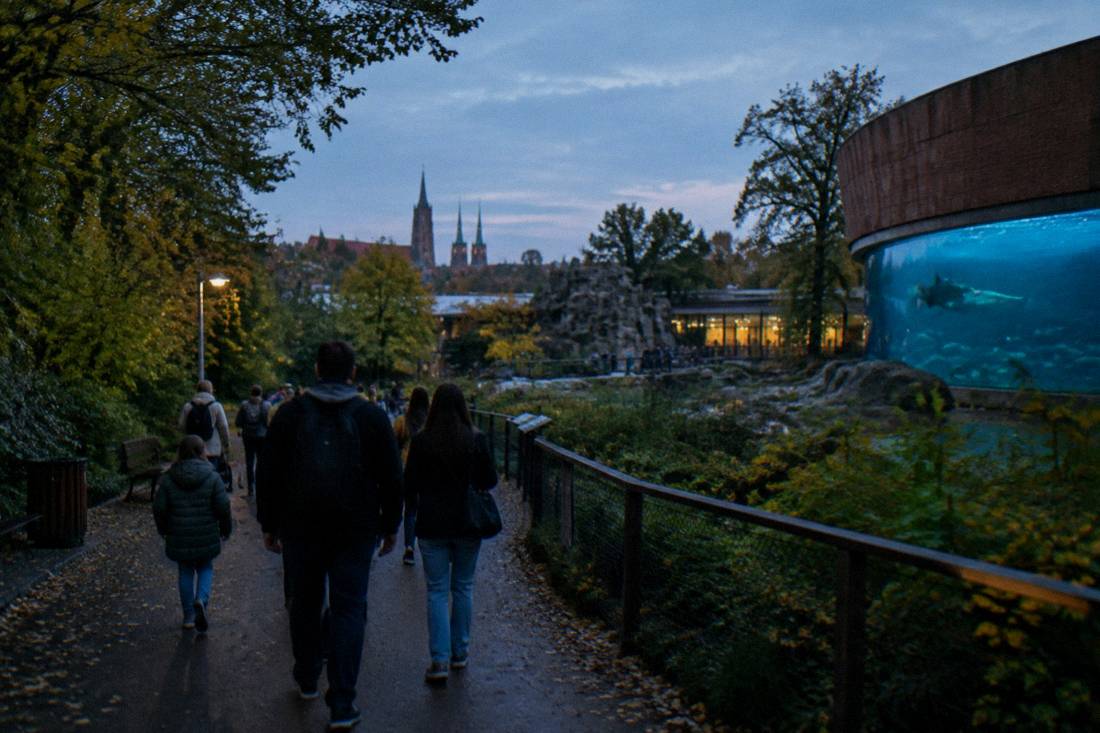
The zoo's online-versus-gate gap is the single biggest saving in Wroclaw sightseeing, and the zoo's own cennik page is where the current tiers live. The table below shows what the official price table listed at our last check.
| Ticket | Adult (online) | Adult (gate) | Reduced (online) | Reduced (gate) |
|---|---|---|---|---|
| Standard zoo ticket | 69 zl | 99 zl | 59 zl | 89 zl |
| Zoo + Safari Ride add-on | 107 zl | 107 zl | 93 zl | 93 zl |
Note what the price page says explicitly: a standard ticket or annual card also entitles you to the Afrykarium. Anyone selling you a separate Afrykarium ticket is selling you something the zoo itself includes.
For rainy or cold hours when the parks lose their charm, two indoor museum branches sit close to the green belt, and their own price pages carry the numbers. The National Museum in Wroclaw lists a standalone permanent-exhibition ticket at 20 zl adult, 15 zl reduced, with free entry to permanent exhibitions every Saturday. Panorama Raclawicka lists 50 zl adult, 35 zl reduced, and that ticket also covers the National Museum's permanent exhibitions, the Ethnographic Museum and the Four Domes Pavilion within three months of the visit, a bundling detail easy to overlook.
| Attraction | Adult | Reduced | Bundle detail |
|---|---|---|---|
| Wroclaw Zoo (online) | 69 zl | 59 zl | Afrykarium included |
| Panorama Raclawicka | 50 zl | 35 zl | Also covers National Museum, Ethnographic Museum, Four Domes Pavilion for 3 months |
| National Museum (permanent) | 20 zl | 15 zl | Free every Saturday |
If a city tour sounds like a better structure than a museum afternoon, the retro golf-cart city tour in the band above is the relaxed option, and the box below gives the practical booking details.
One caution before you book anything: no all-inclusive, Go City-style tourist pass is currently sold for Wroclaw. The Sunday-trading question is a different matter entirely, covered on our Sunday shopping in Poland page, but the pass question belongs on our city-pass article. If someone offers you a Wroclaw "sightseeing pass covering all attractions", treat it with suspicion, because no such product is sold by the city.
What Does Wroclaw's Weather Mean For Park Days?
IMGW's 1991-2020 climate normals for the Wroclaw station show a mean of 19.7C in July, the warmest month, down to 0.0C in January, with an annual mean of 9.7C; May through September are the dependable park months, and July is also the wettest at 91.4 mm of rain, so a summer grass day can still be a shower day.
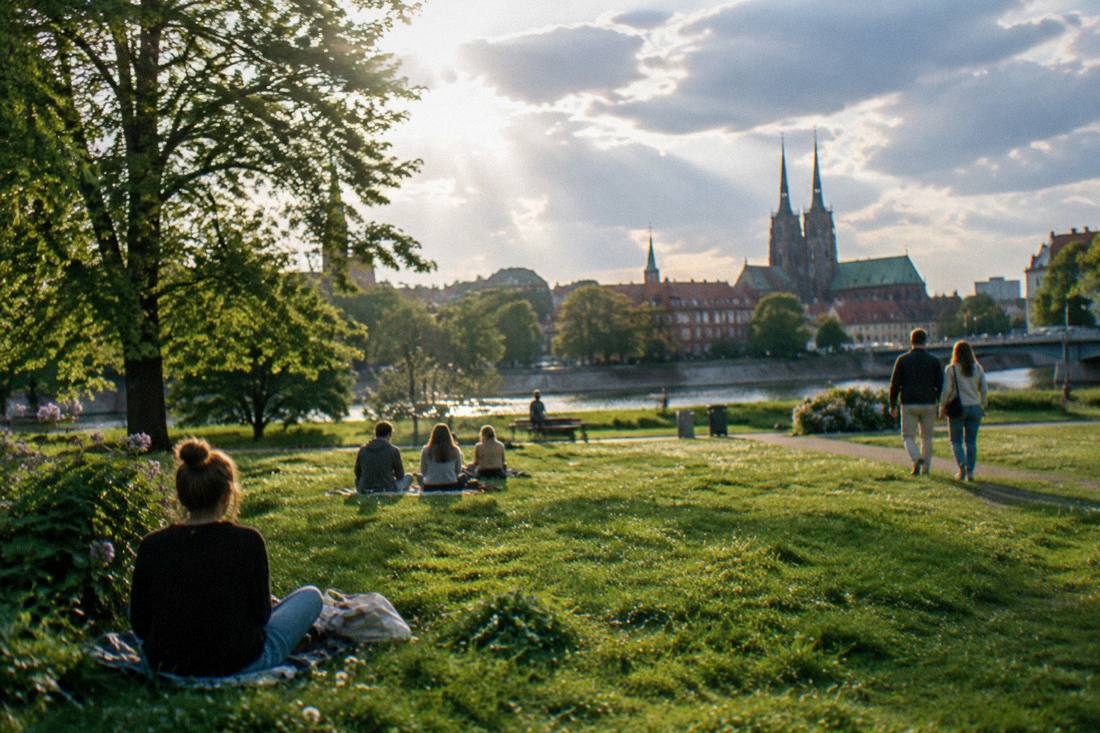
The full monthly picture from the official normals looks like this, and it is worth reading before you plan a picnic.
| Month | Mean temperature | Precipitation |
|---|---|---|
| Jan | 0.0C | 28.3 mm |
| Feb | 1.1C | 25.6 mm |
| Mar | 4.3C | 35.0 mm |
| Apr | 9.7C | 31.2 mm |
| May | 14.3C | 59.6 mm |
| Jun | 17.7C | 65.4 mm |
| Jul | 19.7C | 91.4 mm |
| Aug | 19.3C | 59.5 mm |
| Sep | 14.5C | 48.4 mm |
| Oct | 9.6C | 37.6 mm |
| Nov | 4.8C | 31.4 mm |
| Dec | 1.1C | 27.9 mm |
Two practical readings follow from the table. First, the May-to-September window is genuinely warm by Polish standards, with means above 14C, and that is when the Odra islands and zoo days feel effortless. Second, the summer peak in rainfall, 91.4 mm in July against 31.2 mm in April, means the driest pleasant months are April, May and September rather than high summer. IMGW's normals also place Wroclaw's January and July among the mildest of Poland's major synoptic stations, which is the honest, sourced version of the "mild city" claim; no sunshine-hours ranking exists in the data we verified, so none is claimed here.
For a month-by-month planning breakdown, our Wroclaw weather by month guide extends this table into a full seasonal plan. Winter has its own compensations, and the riverside under snow is part of why travelers ask about Wroclaw at Christmas, a question the Christmas market guide answers loudly in the affirmative.
How Do You Get To Wroclaw's Parks Without A Car?
Wroclaw's trams and buses cover every park zone in this article, and the city's official fare guide gives a 15-minute ticket at 4.60 zl normal and 2.30 zl reduced, rising through a 30-minute tier at 7.00 zl and 3.50 zl, a 24-hour band around 15.00 zl and 7.50 zl, and multi-day tiers at 26/13, 32/16 and 54/27 zl; the islands and Old Town riverside need no ticket at all, since they are walkable from the center.
The 15-minute ticket is the base short-hop fare on the official page, and it is usually enough to get you from the center to the eastern park belt. The tiers matter because a day of park-hopping quickly makes the 24-hour band the better buy.
| Ticket tier | Normal | Reduced |
|---|---|---|
| 15 minutes | 4.60 zl | 2.30 zl |
| 30 minutes | 7.00 zl | 3.50 zl |
| 24 hours (city band) | ~15.00 zl | ~7.50 zl |
| Multi-day tier 1 | 26 zl | 13 zl |
| Multi-day tier 2 | 32 zl | 16 zl |
| Multi-day tier 3 | 54 zl | 27 zl |
The official page lists tiers by duration rather than as one flat fare, so treat the longer bands as published tiers, not as our rounding, and check the live page on the day you travel. One related trap: UrbanCard is a real Wroclaw product, but it is a transport-focused fare card with resident discounts, not a sightseeing pass, and it does not cover museum or zoo admission.
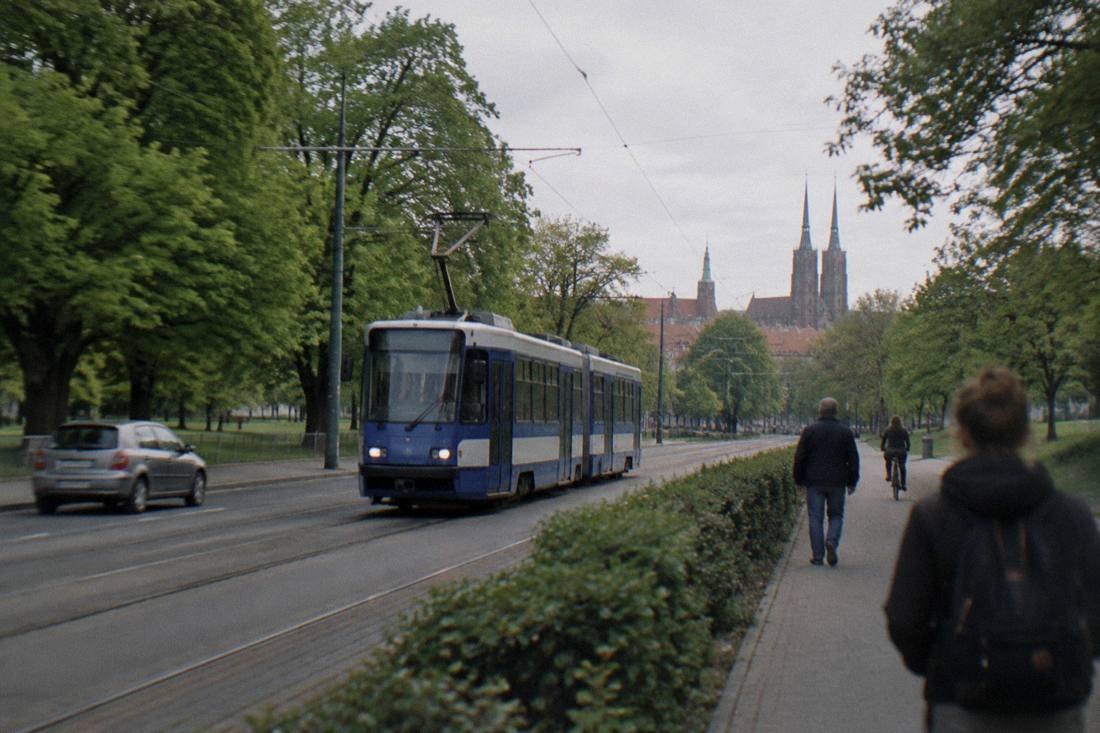
Cycling is the other honest answer. The city carries a live city-bike availability feed on its official channels, and rather than quote a station count that changes hourly, this page will simply say: check the live map on the day. A guided English-language bike tour is also a verified product, and it is a sensible way to cover the riverside and park belt with a guide leading the way.
If bikes are not your speed, the dwarf-hunting e-car tour below covers the compact center, where most of the islands sit, without any pedaling at all.
Which Wroclaw Parks And Green Spots Suit Families With Kids?
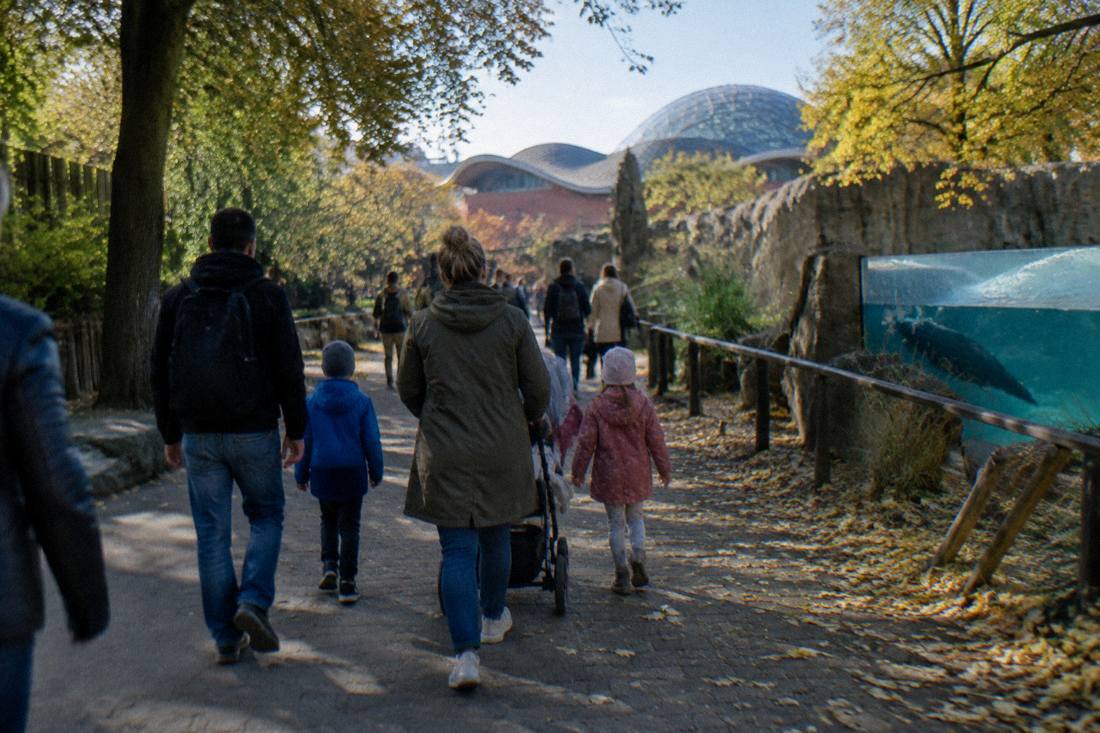
For families, the eastern belt wins: the Zoo with its included Afrykarium is the anchor attraction, Szczytnicki Park beside it gives free running-around space, the Japanese Garden offers a short, contained walk, and the Odra islands near the center work as an easy add-on to a morning of sightseeing; the zoo opens every day of the year, including all public holidays, with April-September grounds hours of 9:00-18:00 on weekdays and 9:00-19:00 on Fridays, Saturdays, Sundays and holidays.
That every-day-of-the-year detail comes straight from the zoo's own hours page, which matters for holiday-week planning when other attractions close. The seasonal pattern, again from the zoo's page:
| Season | Grounds, Mon-Thu | Grounds, Fri-Sun and holidays |
|---|---|---|
| April-September | 9:00-18:00 | 9:00-19:00 |
| March and October | 9:00-17:00 | 9:00-18:00 |
| November-December | 9:00-16:00 | 9:00-16:00 (Dec 24 and 31: 9:00-14:00) |
| January-February | 9:00-16:00 | 9:00-16:00 (Jan 1 opens 11:00) |
For a fuller family plan that mixes the zoo with the dwarfs and the Old Town, our two days in Wroclaw itinerary sequences the whole thing. Safety-wise, Wroclaw's parks are ordinary city parks, normal urban caution applies after dark, and our Wroclaw safety guide covers the general picture. On the museum side, the National Museum's own practical page lists children under 7 as free, which helps on a mixed zoo-and-museum day.
What Green Day Trips Lie Beyond Wroclaw's City Parks?
Beyond the city, the big green excursions from Wroclaw run into the Lower Silesian hills: Ksiaz Castle near Walbrzych sits in a vast forested estate, the Giant Mountains (Karkonosze) around Karpacz offer Poland's high-country walking, and the Church of Peace in Swidnica, a UNESCO site since 2001, is often combined with Ksiaz on a single tour day. Ksiaz's own tariff gives the castle, audioguide and terraces at 72 zl adult and 62 zl reduced, with the terraces open only from 15 April to 30 September.
The ownership of Ksiaz Castle is worth stating correctly because guidebooks get it wrong: the castle is owned by the Walbrzych municipality and operated by the municipal company Zamek Ksiaz w Walbrzychu Sp. z o.o. It is not private, not state-agency-run, and not a foundation's. The full tariff detail, including the All Day Ticket at 104 zl, is broken down in our Ksiaz Castle day trip guide, and the mountains option is covered in our Karpacz and Karkonosze guide.
A private tour combining Project Riese, the wartime underground complex, with Ksiaz Castle is one of the verified products in this site's roster and suits travelers who want the forest estate and the tunnels explained in one day.
Back in the city, do not overlook how much green the practical day-to-day pages contain. The Old Town Wroclaw area guide notes the riverside gardens tucked behind the bustle, and the best restaurants in Wroclaw include riverside spots where an island picnic is a legitimate backup plan.
Whichever way you split your time, the honest summary is this: Wroclaw's green spaces are free, tram-reachable and, on any day between April and September with a sky that cooperates, better than any indoor list of attractions you could build instead.
Common Questions About Wroclaw's Parks And Green Spaces
Are Wroclaw's Odra islands free to visit?
Yes. The islands, including Slodowa Island, are public open space with no gate, ticket or closing booth. They are connected to both banks by footbridges and are walkable from the Old Town in a few minutes.
How much does Wroclaw Zoo cost?
The zoo's own price table gives adult tickets from 69 zl online versus 99 zl at the gate, and reduced tickets from 59 zl online versus 89 zl at the gate. The Afrykarium is included in the standard ticket and is never a separate charge.
When is the best month for park days in Wroclaw?
IMGW's 1991-2020 normals show May through September with means of 14.3C to 19.7C. July is warmest but also wettest at 91.4 mm of rain, so April, May and September are the driest pleasant months on the official data.
Is Wroclaw Zoo open on public holidays?
Yes. The zoo's own hours page states it opens every day of the year, including all public holidays, with shortened hours only on specific dates such as December 24 and 31, and a late 11:00 opening on January 1.
Can you reach Wroclaw's parks by public transport?
Yes. The city's official fare guide gives a 15-minute tram or bus ticket at 4.60 zl normal and 2.30 zl reduced, with 30-minute, 24-hour and multi-day tiers above it. The islands and Old Town riverside need no transport at all.
Is there a Wroclaw city pass covering parks and museums?
No all-inclusive Go City-style pass is currently sold for Wroclaw. UrbanCard is a transport fare card, not a sightseeing pass, and does not cover museum or zoo admission. Attraction tickets are bought individually, with the Panorama Raclawicka ticket bundling several museums for three months.