Biskupin And Sepolno
Biskupin and Sepolno are the green, garden-city side of Wroclaw, Poland: low houses, big parks, the zoo with its Afrykarium, and UNESCO-listed Centennial Hall all in one walkable corner of the city.
Short answer
Biskupin and Sepolno are two leafy garden districts in eastern Wroclaw, Poland, next to Szczytnicki Park, the Odra river, the Wroclaw Zoo and Centennial Hall. Plan a half day: zoo in the morning, park and riverside after, and a short tram or bike ride back to the Old Town.
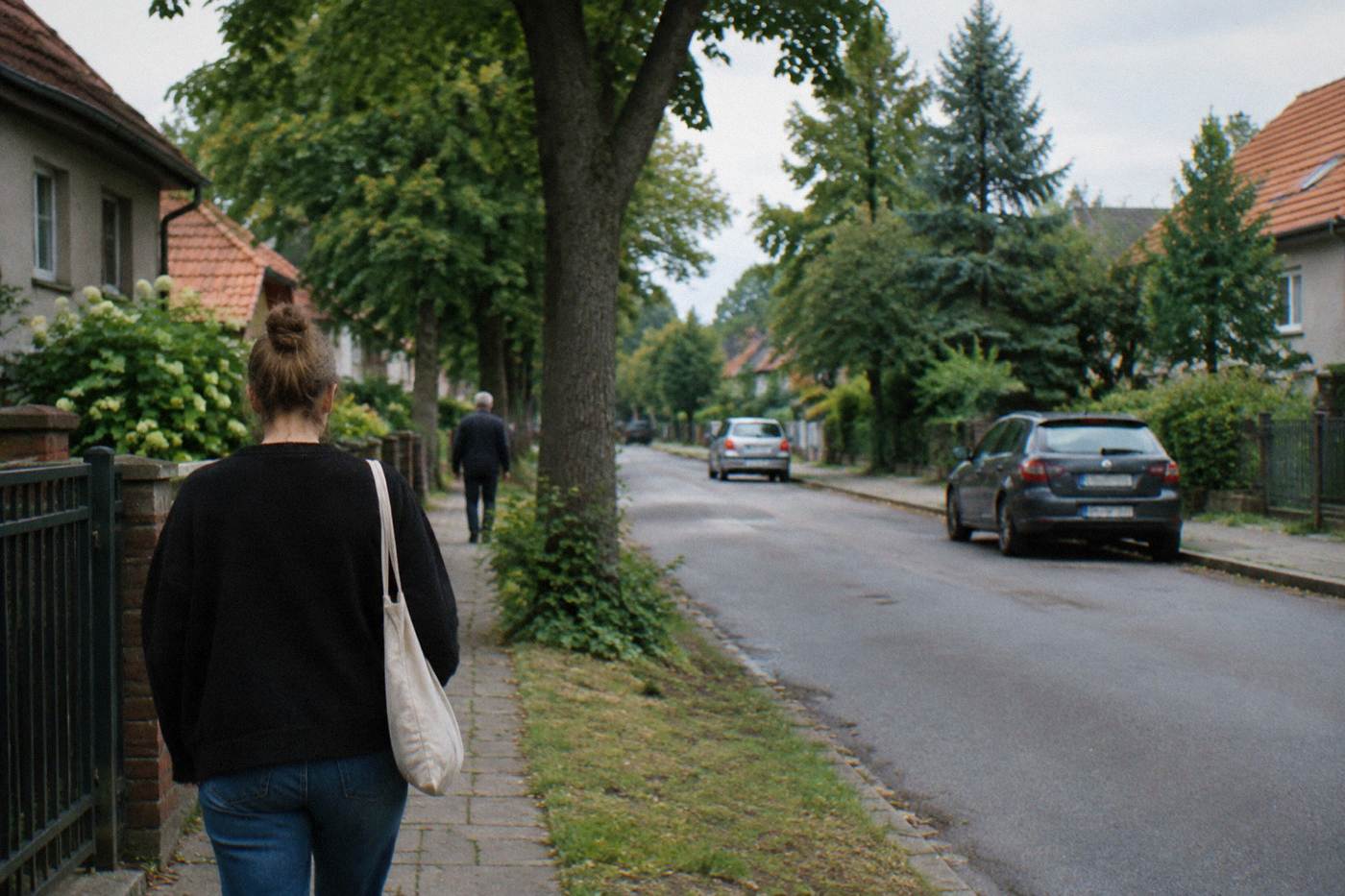
Biskupin and Sepolno are two quiet, leafy districts in the east of Wroclaw, the largest city in Lower Silesia (Dolnoslaskie voivodeship), in southwestern Poland, on the Odra river. Together they form the greenest corner of the city that most first-time visitors never see, a low-rise garden district of tree-lined streets and front gardens sitting next to Szczytnicki Park, the Wroclaw Zoo and UNESCO-listed Centennial Hall. Locals come here to walk, cycle and push strollers; visitors come for the animals and the famous concrete dome. Either way, this is the side of Wroclaw where the city breathes out.
The area rewards a slower pace than the Old Town. Where central Wroclaw is about market squares, dwarfs and church towers, Biskupin and Sepolno are about greenery, water and space. You can spend a full day here without buying a single museum ticket, or you can build the whole day around the zoo, one of the biggest in Poland. Both districts were laid out as garden suburbs, and that original character still shapes every street: houses sit back from the road behind hedges, and the blocks are short, so you are never more than a few minutes from a park bench.
What Are Biskupin And Sepolno In Wroclaw?
Biskupin and Sepolno are two neighboring garden-city districts in the east of Wroclaw, in southwestern Poland, known for low houses, generous greenery and a village-like street layout rather than monuments. They sit between Szczytnicki Park and the Odra river, directly next to the Wroclaw Zoo, Centennial Hall and the Japanese Garden, which makes them the natural base for the city's biggest cluster of family attractions.
That combination is the whole reason to come. In most cities the zoo, the main park and the landmark modern building would be scattered across town; in Wroclaw they share one riverside setting, and Biskupin and Sepolno are the residential districts wrapped around it. Walking here feels different from the center: fewer buses, more bikes, and streets where the loudest sound is usually a tram bell two blocks away.
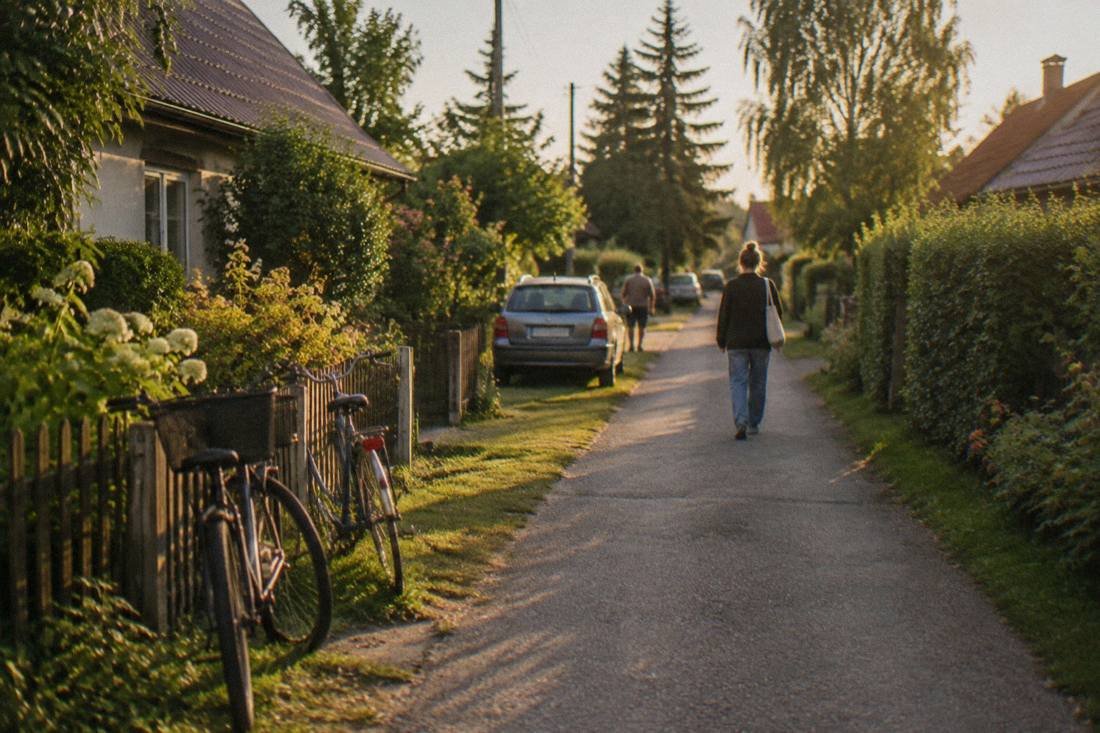
Szczytnicki Park is the green heart of the area, and it is one of the largest parks in Wroclaw. The Japanese Garden sits at its edge, and the zoo sits beyond it. The Odra frames everything on the north side, with riverside paths that connect east toward the water meadows and west back toward the city. If you are planning a first visit to Wroclaw and wondering why Wroclaw is famous, the answer usually lives in the Old Town, but the reason families and photographers end up east is this park-and-zoo cluster.
The districts themselves are worth an hour of aimless wandering even with no attractions on the itinerary. The garden-city plan means curved streets, planted verges and houses with names rather than numbers on some gates. It is a side of Wroclaw that has almost nothing in common with the lively bar streets around the center, and that contrast is exactly the point: visitors tend to see a medieval square and a modern shopping street, then go home having missed the part of the city where people actually live among trees.
What To See Around Biskupin And Sepolno In Wroclaw?
The four anchors around Biskupin and Sepolno are the Wroclaw Zoo with the Afrykarium aquarium, Centennial Hall, Szczytnicki Park with the Japanese Garden at its edge, and the Odra riverside paths. Everything is walkable within one green zone, so a single half-day loop can cover all four without crossing a main road twice.
Start at the zoo, because it is the item with the longest queues and the strictest hours. The Afrykarium is the headline exhibit, and an important practical detail follows from that: it is included in the standard zoo ticket, not sold separately. The zoo's own price table states this plainly, so do not let anyone sell you an add-on for the aquarium. Full details on tickets and seasonal hours are in the next section.
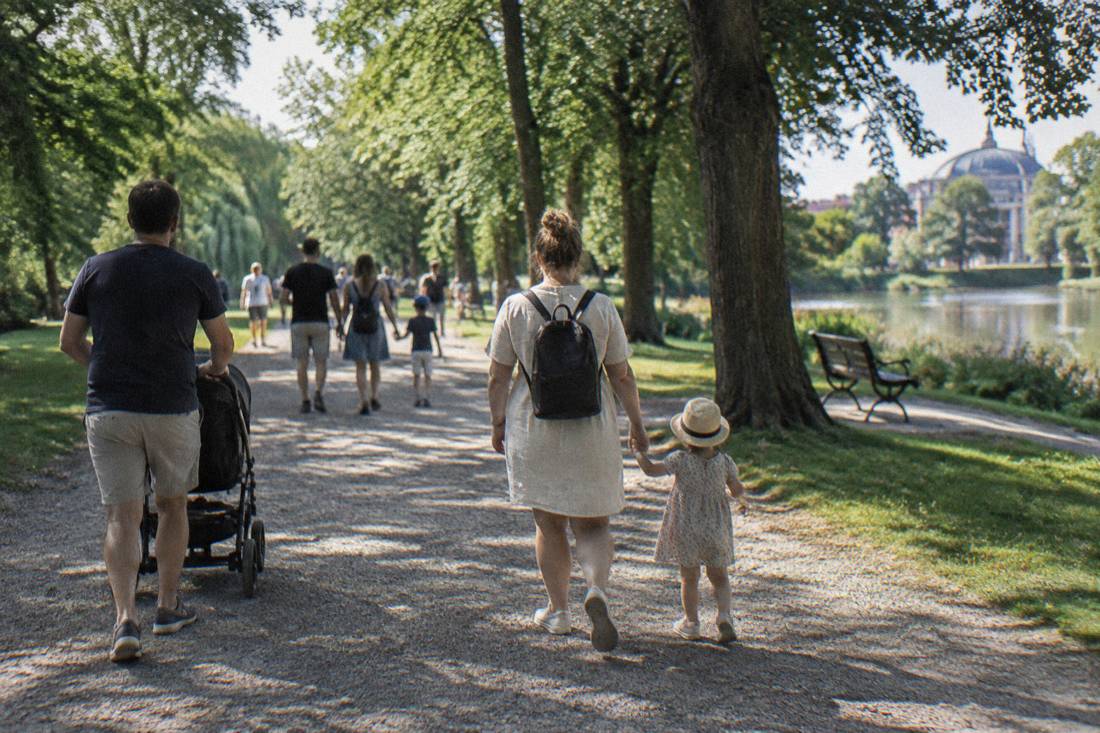
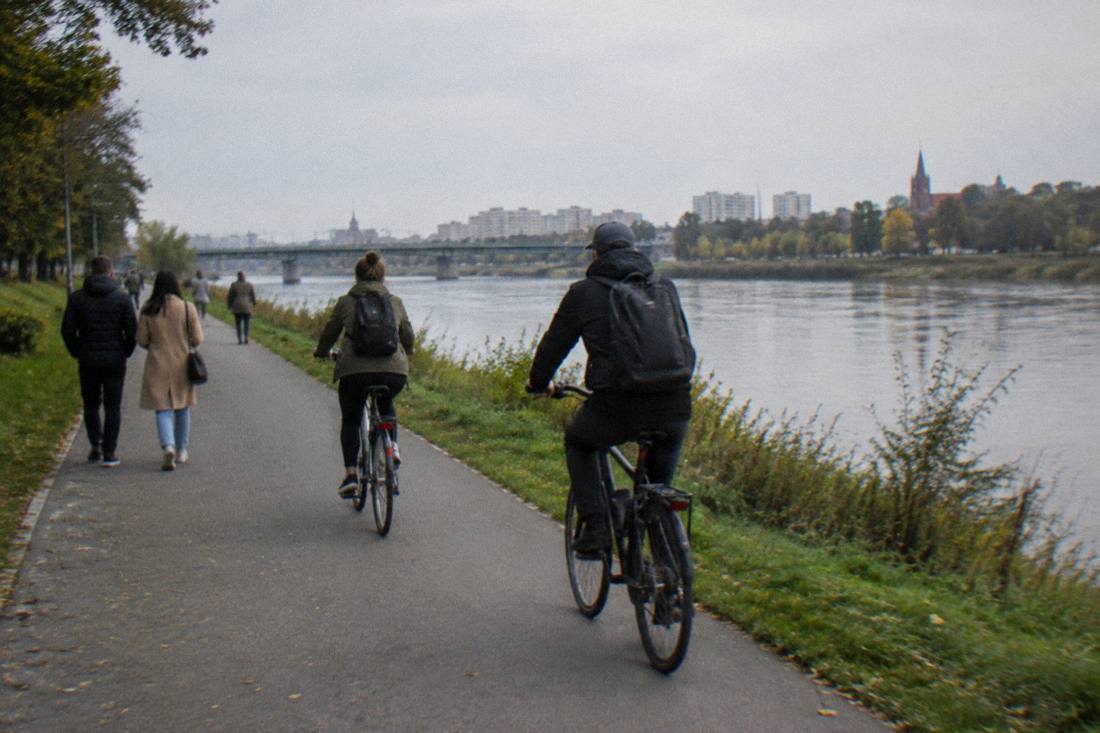
After the zoo, walk west through Szczytnicki Park. The paths are wide and shaded, and the park connects almost directly to Centennial Hall and its surrounding grounds. The hall is worth more than a glance from outside; it is the reason this whole eastern quarter was developed as a destination, and its story is covered in its own section below. On a warm day, finish with the riverside: the Odra paths here are flat, well surfaced and quiet, popular with cyclists and families rather than crowds.
If you have children in tow, the order matters less than the pacing. The zoo alone can absorb a full morning, and the park makes a good decompression zone afterward. Families pairing a zoo morning with a city afternoon often use a guided children's tour of Wroclaw's Old Town, a format built around younger attention spans; children's tour slots fill fastest in the school holidays, so book early for holiday-week trips.
For photographers, the area is a quieter alternative to the postcard spots in the center. Early morning light on the garden streets of Sepolno, then the dome of Centennial Hall against a sky, is a sequence that fills a memory card without a single crowd. If you are collecting the famous Wroclaw dwarfs, note that the dwarf trail runs through the whole city, and a few figures live east of the center, so keep an eye out on the walk between the park and the tram stops.
How Much Does The Wroclaw Zoo Cost, And When Is It Open?
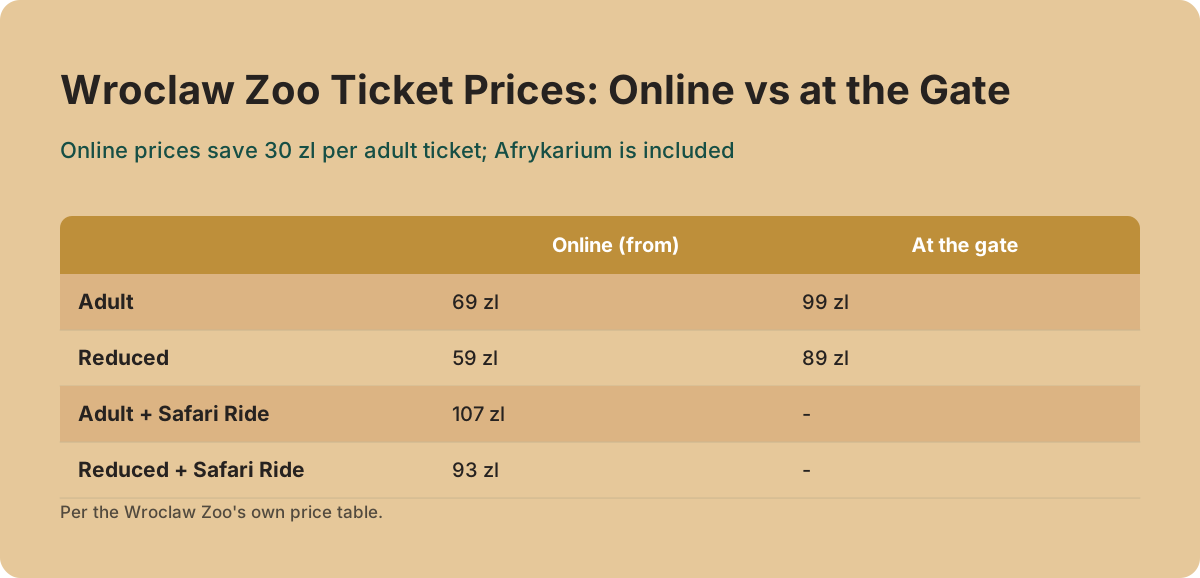
The Wroclaw Zoo's adult ticket starts at 69 zl bought online and costs 99 zl at the gate, while reduced tickets run from 59 zl online to 89 zl at the gate, per the zoo's own price table. The Afrykarium aquarium is included in the standard ticket. Opening hours shift by season: grounds run 9:00-18:00 on weekdays and 9:00-19:00 on weekends from April to September, with shorter winter hours.
The gap between online and gate prices is the single biggest money saver on an eastern Wroclaw day, especially for a family. The zoo's own pricing page lists the tiers, and it also lists a combined Zoo plus Safari Ride option at 107 zl adult and 93 zl reduced. Here is the core price picture:
| Zoo ticket | Online (from) | At the gate |
|---|---|---|
| Adult | 69 zl | 99 zl |
| Reduced | 59 zl | 89 zl |
| Adult + Safari Ride | 107 zl | - |
| Reduced + Safari Ride | 93 zl | - |
Hours follow the seasons. The zoo is open every day of the year, including public holidays, which is unusual and useful for winter visits and holiday weekends when other museums close. The seasonal pattern:
| Period | Grounds (Mon-Thu) | Grounds (Fri-Sun and holidays) |
|---|---|---|
| April-September | 9:00-18:00 | 9:00-19:00 |
| March and October | 9:00-17:00 | 9:00-18:00 |
| November-December | 9:00-16:00 | 9:00-16:00 |
| January-February | 9:00-16:00 | 9:00-16:00 |
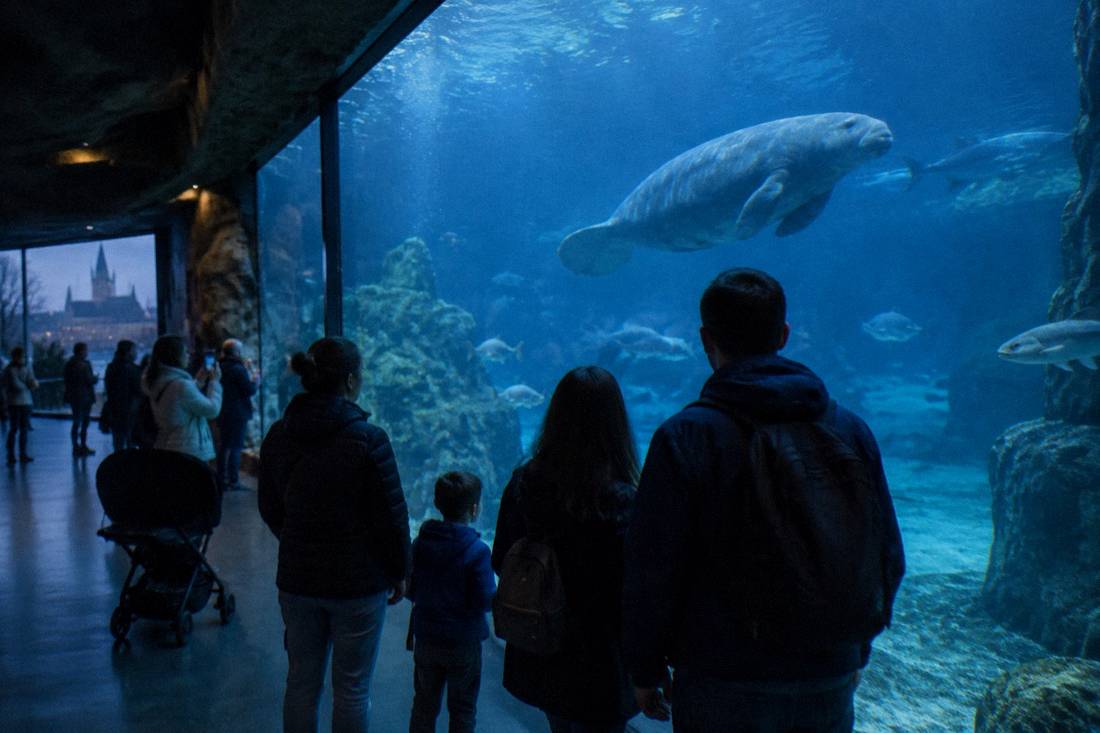
Two practical notes come straight from the zoo's own visitor page. First, pavilions close slightly before the grounds do, and the ticket office closes earlier still, so arrive at least a couple of hours before closing if you want the Afrykarium. Second, December 24 and 31 are shortened days and January 1 opens late, which matters if your trip lands on those dates. The zoo's full breakdown lives on the zoo and Afrykarium guide page.
A zoo day pairs naturally with a relaxed lunch rather than a rushed one, and the park provides it if you bring a picnic. If you would rather sit down, the best restaurant concentration is back in the center; the restaurant guide covers options for every budget, and the tram ride back is short.
Why Is Centennial Hall Near Sepolno UNESCO Listed?
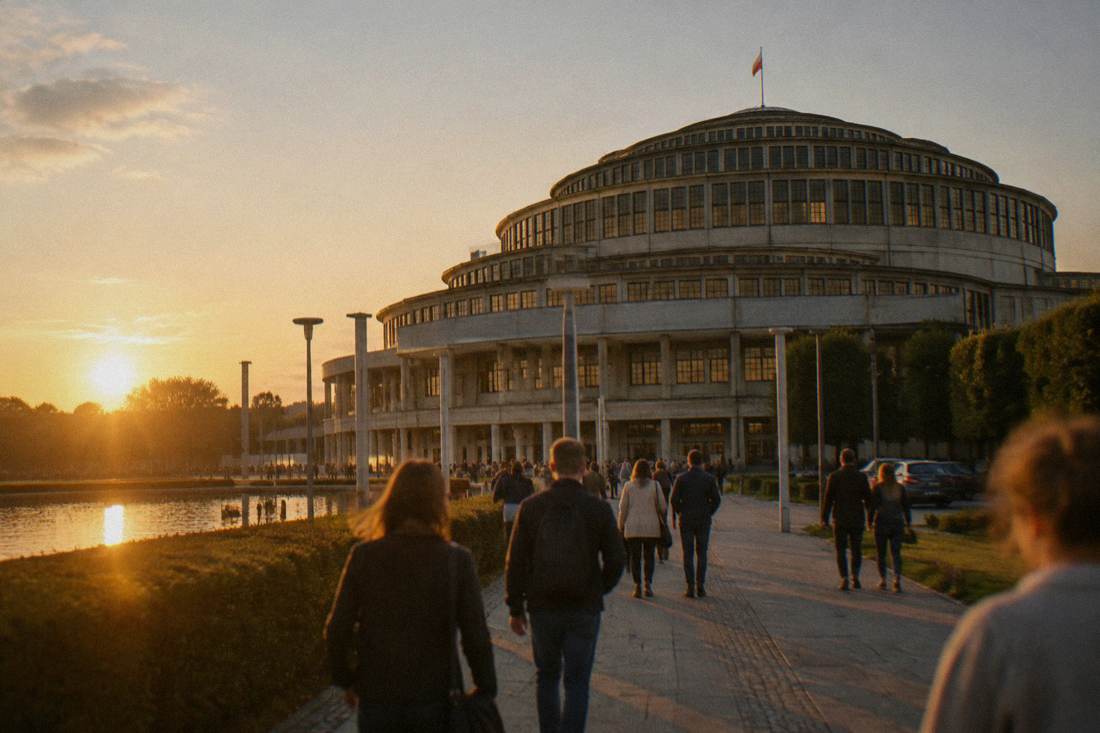
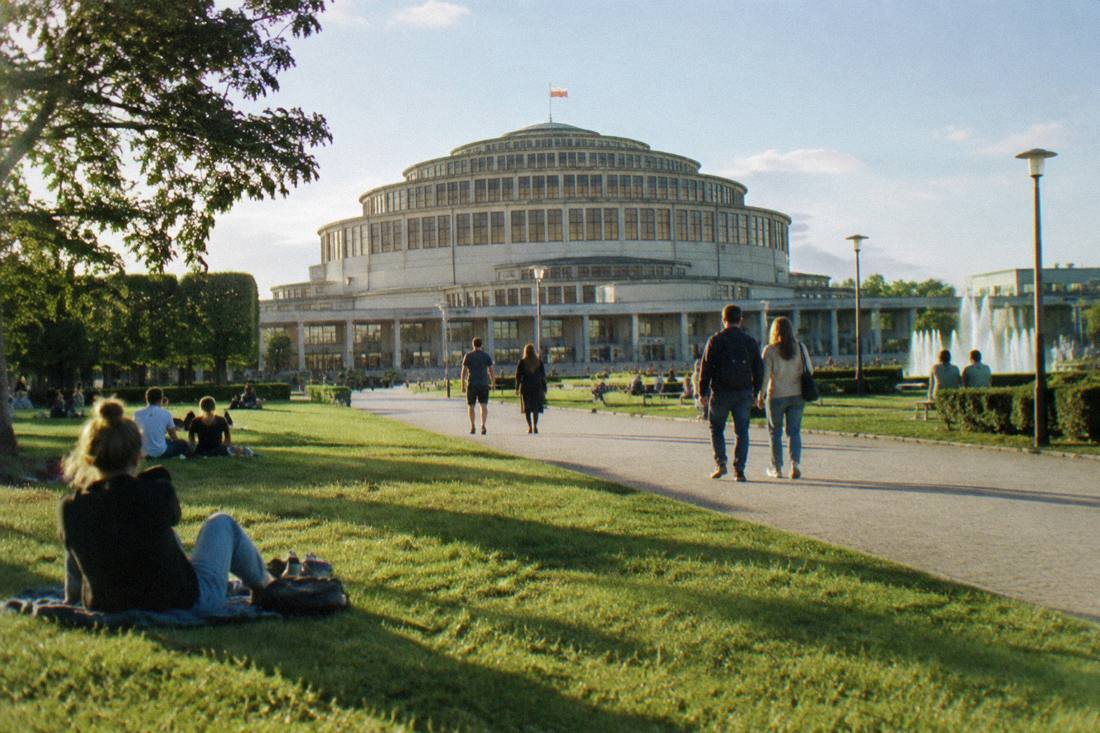
Centennial Hall, known in Polish as Hala Stulecia, was inscribed on the UNESCO World Heritage list in 2006 as one of the landmark works of early modern engineering. It was designed by architect Max Berg, built between 1911 and 1913, and its reinforced-concrete dome seats events for crowds of up to 10,000 people. It stands in the eastern part of Wroclaw, a short walk from Sepolno.
That is a dense set of facts, but they are the facts that matter, and they all come from the UNESCO listing itself. Before the dome existed, this eastern edge of Wroclaw was parkland and exhibition grounds. After it existed, the district around it grew into what you see today: a permanent exhibition quarter with a zoo, gardens and the garden suburbs of Biskupin and Sepolno feeding into it. The full index of guides sits on Wroclaw Travel Guide.
| Centennial Hall fact | Detail |
|---|---|
| UNESCO inscription | 2006 |
| Architect | Max Berg |
| Built | 1911-1913 |
| Capacity | Up to 10,000 |
| Location | East of the city center, near the zoo and gardens |
The building still hosts events rather than sitting as a static monument, which means access inside depends on what is scheduled. Even when the interior is closed for a concert or congress, the surrounding grounds, fountains and park make the walk worthwhile. Check the city's event listings before you plan an interior visit, and treat the exterior and grounds as the reliable baseline.
How Do You Get To Biskupin And Sepolno From Wroclaw City Centre?
Biskupin and Sepolno are reached from central Wroclaw by the city's tram and bus network, with MPK's base 15-minute ticket costing 4.60 zl normal fare and 2.30 zl reduced, per the city of Wroclaw's official fare page. Trams run across the Odra toward the zoo and Centennial Hall side, and the whole ride from the center takes well under half an hour.
Do not overpay for transport. The official MPK fare structure is tiered by duration, not by distance, so one short-hop ticket covers the ride regardless of which tram you board. The useful tiers, all from the city's own page:
| Ticket | Normal | Reduced |
|---|---|---|
| 15 minutes | 4.60 zl | 2.30 zl |
| 30 minutes | 7.00 zl | 3.50 zl |
| 24 hours | ~15.00 zl | ~7.50 zl |
| Multi-day higher tiers | 26/32/54 zl | 13/16/27 zl |
If you are staying anywhere near the city centre, a 15-minute ticket is often enough to board and alight; the 30-minute tier is the safe choice for a ride with a connection. For a full day that includes the zoo, the 24-hour band usually beats buying singles, but do the arithmetic for your own group size before committing, and check the live fare page in case tiers shift.
Cycling is the other natural option, and this is the flattest, most bike-friendly corner of the city. Wroclaw's riverside paths connect the Odra banks eastward, and the city carries a live city-bike availability map, so you can check the nearest docking station before you set out rather than walking to an empty rack. A three-hour guided English-language bike tour is another way to cover the riverside and green east with a local pointing out what you would otherwise roll past; bike tour departures are limited per day, so plan ahead if that format appeals.
If you prefer someone else to handle the route entirely, a two-and-a-half-hour small-group Old Town walking tour is the standard orientation option, and pairs well as a same-day or next-day complement to the self-guided eastern loop; small-group walks cap their numbers, so lock that in before the rest of your itinerary.
When Is The Best Weather For A Biskupin And Sepolno Day?
The best weather for this area is May through September, when IMGW's 1991-2020 climate normals for the Wroclaw station show monthly means climbing from 14.3C in May to a peak of 19.7C in July, and rainfall staying moderate except for July's 91.4 mm. April is the driest month at 31.2 mm, and the park and riverside are pleasant from spring through early autumn.
The numbers come from Poland's official meteorological institute, and they paint a predictable picture: warm summers, cold winters, and rain spread across the year rather than concentrated in one wet season. The monthly detail:
| Month | Mean C | Precipitation mm |
|---|---|---|
| Apr | 9.7 | 31.2 |
| May | 14.3 | 59.6 |
| Jun | 17.7 | 65.4 |
| Jul | 19.7 | 91.4 |
| Aug | 19.3 | 59.5 |
| Sep | 14.5 | 48.4 |
July is the warmest month and also the wettest, which is the classic summer trade-off: long, warm days with a real chance of a downpour. April stands out as the driest spring month, though with a 9.7C mean you will want a jacket for standing still in the park. For a zoo-and-park day, June and September are the sweet spot in practice: full seasonal zoo hours, warm ground, thinner crowds than the July holiday peak. The month-by-month breakdown across the whole year is on the weather guide.
Winter is not a write-off. The zoo genuinely opens every day of the year, the Afrykarium is indoors, and the garden streets hold their shape under bare branches. What winter does change is the feel of Szczytnicki Park, which is a long walk in a 0.0C January mean. If your trip lands in the cold months, lean zoo-heavy and park-light, and read the Christmas market guide for the evening plan back in the center.
Is Biskupin And Sepolno Good For Families Visiting Wroclaw?
Yes, Biskupin and Sepolno are arguably the most family-friendly corner of Wroclaw, because the zoo, an included aquarium, a large park, flat riverside paths and the Centennial Hall grounds sit within one short walk of each other, all on quiet, low-traffic streets. For children, the day practically plans itself, and the tram connection keeps the return trip short when energy runs out.
The practical math favors it too. Zoo tickets for children cost less than adult ones, the park and riverside cost nothing at all, and the only genuinely paid items on a family day here are the zoo and whatever food you buy. Compare that with a museum-heavy day in the center and the eastern quarter wins on both budget and stamina. The one-day Wroclaw itinerary treats the zoo-and-Centennial-Hall block as an optional afternoon module for exactly this reason.
Families with younger children have a dedicated guided tour format built for them in the Old Town, which works well as either the warm-up or the wind-down of a zoo day. Book the children's tour for the morning and the zoo for the afternoon, or the reverse, depending on the season; in summer the reverse is smarter, because the zoo's grounds are cooler before noon. Check availability once your dates are fixed, as family slots are the first to sell on holiday weekends.
For a contrasting day, the same eastern tram network connects onward toward trips further afield. A private tour to Project Riese and Ksiaz Castle from Wroclaw is the deep-history option for families with older children; it fits a castle-and-underground day into one long outing if that appeals more than a second city day.
How Safe Is Walking Around Biskupin And Sepolno At Night?
Biskupin and Sepolno are among the calmer, more residential parts of Wroclaw, and the general answer to whether it is safe to walk in Wroclaw at night applies here with even less friction: it is a low-crime city by European standards, and these garden districts add quiet streets and family foot traffic to that baseline. Normal city precautions are enough; there is no specific area warning that applies to this part of town.
The honest caveats are practical rather than criminal. The streets here are dimmer and emptier after dark than the center, because they are residential, so the issue is lighting and footing, not safety. Paths along the Odra are unlit in stretches, and park paths close to the water should be walked with a phone flashlight in winter. The full picture, including the nightlife districts where the question matters more, is in the night safety answers page and the broader safety guide.
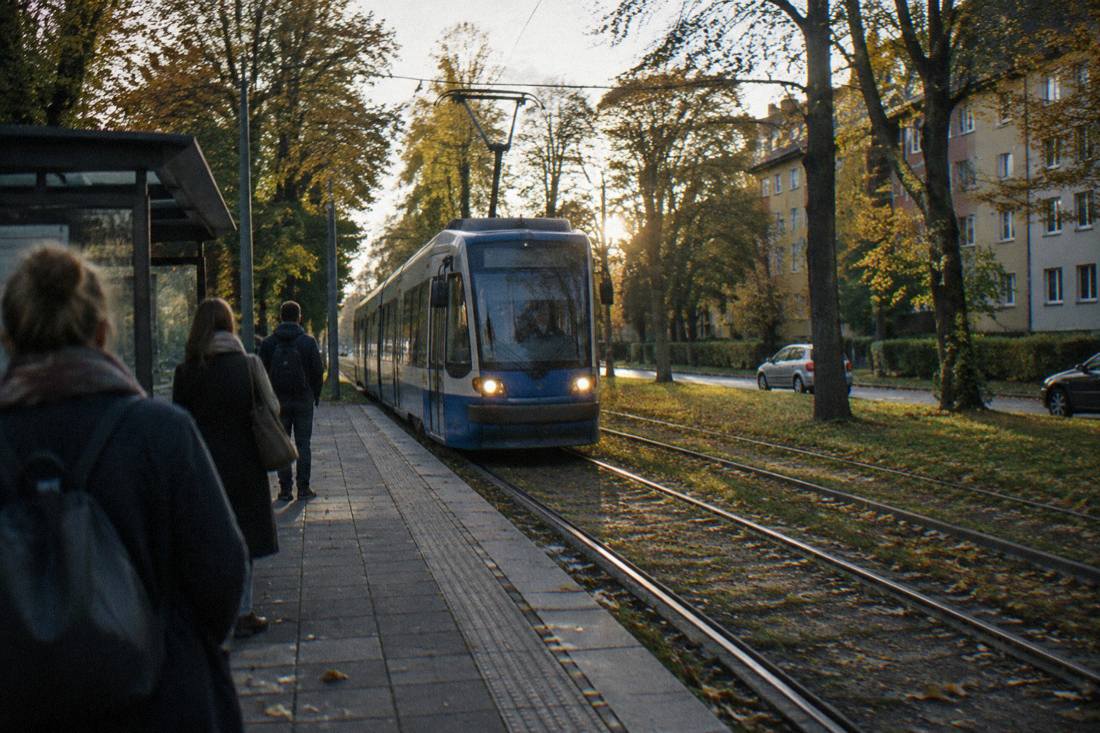
After dark, visitors are heading back toward the center anyway, and the tram is the sensible choice: it is frequent, cheap on the MPK tier structure, and drops you within a short walk of the main market square area attractions. Anyone planning late evenings out in Wroclaw can read the nightlife guide for the districts that actually stay loud until late; Biskupin and Sepolno do not, and that is precisely their charm.
Common Questions About Biskupin And Sepolno
What are Biskupin and Sepolno in Wroclaw?
Two neighboring garden-city districts in eastern Wroclaw, Poland, known for low houses, green streets and a quiet, residential character. They sit next to Szczytnicki Park, the Odra river, the Wroclaw Zoo and UNESCO-listed Centennial Hall.
Is the Afrykarium a separate ticket at the Wroclaw Zoo?
No. The zoo's own price page states that a standard ticket also entitles the holder to visit the Afrykarium, so there is no separate aquarium charge. The standard adult ticket starts at 69 zl online and is 99 zl at the gate.
How do you get to the zoo and Centennial Hall from central Wroclaw?
By MPK tram or bus, using the city's base 15-minute ticket at 4.60 zl normal and 2.30 zl reduced, or a 30-minute ticket at 7.00 zl if you need a connection. The ride from the center is well under half an hour. No specific tram line is guaranteed here, so check the live MPK journey planner before you set out.
When is the best time of year to visit eastern Wroclaw?
May through September, per IMGW's 1991-2020 climate normals for Wroclaw station: means run from 14.3C in May to 19.7C in July. July is the wettest month at 91.4 mm, so June and September often give the best balance of warmth, zoo hours and thinner crowds.
Is Biskupin and Sepolno worth visiting with kids?
Yes. The zoo, the included Afrykarium, Szczytnicki Park, the riverside paths and the Centennial Hall grounds all sit within one walkable green zone, on quiet streets. A two-hour guided children's tour of the Old Town pairs well with a zoo day for families splitting the trip into a city morning and an animals afternoon.
What does Centennial Hall cost to see?
Seeing the exterior and grounds is free, and the hall itself is a working event venue rather than a ticketed museum, so interior access depends on the events calendar. What is verified is its status: UNESCO-listed since 2006, designed by Max Berg, built 1911-1913, with capacity for up to 10,000.
The eastern garden districts round out a Wroclaw trip in a way the Old Town cannot: green space, animals, a landmark of modern architecture and streets built for wandering rather than queuing. Plan the zoo online, pick a dry month if you can, and give the park more time than you think it needs.