Wroclaw: European Capital Of Culture 2016
Wroclaw, the largest city in Lower Silesia in southwestern Poland, spent 2016 as a European Capital of Culture, and the cultural investment from that year still shapes what visitors find today: museums, festivals, riverside islands and one of Europe's most distinctive old towns.
Short answer
Wroclaw was a European Capital of Culture in 2016. The designation fed a year of festivals and venue investment across the city, and the venues that carried it, from Centennial Hall to the National Museum branches, remain the core of a culture-focused visit today.
Wroclaw, the largest city in Lower Silesia in southwestern Poland, spent 2016 as a European Capital of Culture, and that single year changed how the city presents itself to visitors. The title, awarded by the European Union in cooperation with national authorities, is a rotating designation rather than a prize, but in Wroclaw's case it lined up with heavy investment in venues, public spaces and programming. A decade on, the museums, halls and festival calendar that carried the year are exactly what a culture-focused visitor comes to see. This guide lays out what the designation actually meant, which venues matter now, what they cost in zloty, and how to fit them into a trip.
What Did European Capital Of Culture Status Actually Mean For Wroclaw?
The European Capital of Culture program is a rotating European Union designation, and Wroclaw held it in 2016, sharing the year with San Sebastián in Spain. The title brought a year-long program of performances, exhibitions and festivals across the city, and it is the reason so much of Wroclaw's cultural infrastructure received fresh investment and international attention in the years around the 2016 designation. The city of 672,601 residents still trades on that year today.
It is worth being precise about what the title is and is not. The designation does not come with a permanent status or a plaque that changes a city forever; it frames one calendar year in which a city hosts an expanded cultural program and draws visitors and media from across Europe. Wroclaw's 2016 year sat inside a broader transformation of the city's cultural life, and the lasting evidence is physical. Halls were renovated, galleries refreshed, and the festival calendar expanded around it.
The European Capital of Culture year also fits into a longer arc for a city that already carried major cultural landmarks. Centennial Hall, the reinforced-concrete dome by architect Max Berg built between 1911 and 1913 with a capacity of up to 10,000, was inscribed on the UNESCO World Heritage list in 2006 under the exact property name Centennial Hall in Wroclaw, a full decade before the cultural-capital year. So 2016 did not create Wroclaw's cultural standing from nothing. It amplified a city that already had world-class venues and gave them a year in the spotlight.
What a visitor takes from all this is practical rather than historical. The venues are in excellent condition, they are well signposted, and they are clustered close enough to each other that a culture-focused itinerary needs very little transport. The Wroclaw Travel Guide homepage walks through the full range of what the city offers, from the dwarfs to the islands, if you want the broad picture before diving into the cultural layer.
| Landmark | What It Is | Sourced Detail |
|---|---|---|
| Centennial Hall (Hala Stulecia) | Domed event hall by Max Berg, built 1911-1913 | UNESCO-inscribed 2006, capacity up to 10,000 |
| Panorama Raclawicka | Rotunda housing a monumental circular painting | 30-minute screening, adult 50 zl, reduced 35 zl |
| National Museum in Wroclaw | Main building of the national museum branch | Adult 20 zl, reduced 15 zl, free permanent entry Saturdays |
| Four Domes Pavilion | Museum of contemporary art branch | Covered by a Panorama ticket within 3 months of visit |
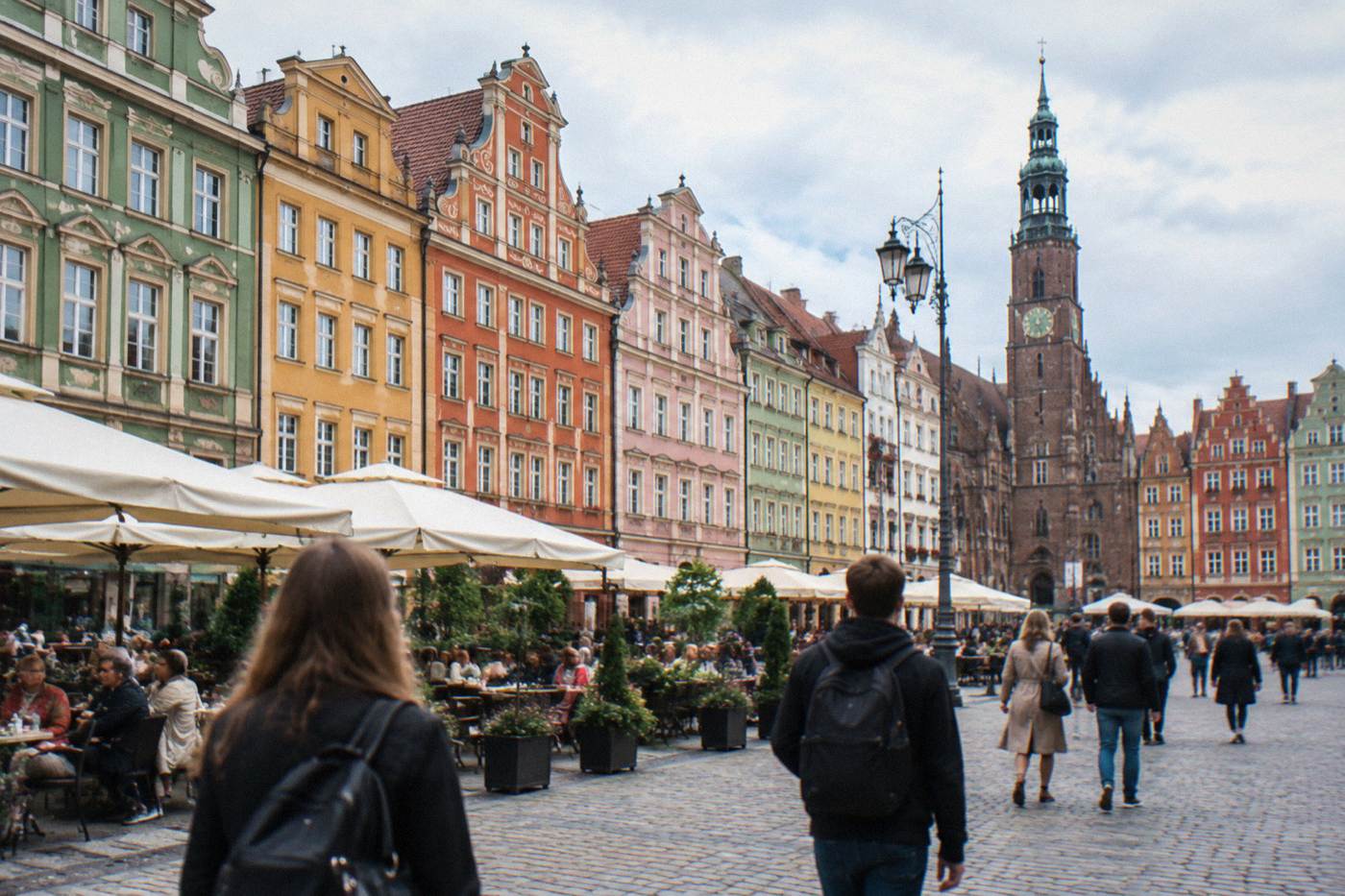
| Old Town and Market Square (Rynek) | Historic core around the main square | Wroclaw's Rynek measures roughly 3.64-3.79 hectares |
One caveat worth repeating: online lists sometimes claim Wroclaw's Market Square is among the largest in Europe. That claim was not independently confirmed in this site's research, and the sourced comparison is clear that Krakow's main square is the bigger of the two. For the honest head-to-head, see the Wroclaw compared with Krakow guide.
Which Cultural Landmarks Should You Visit In Wroclaw Today?
Start with the Market Square and Cathedral Island (Ostrow Tumski), then take in the Panorama Raclawicka rotunda, the National Museum's main building, and Centennial Hall with its surrounding park. Those five cover the historical core, the fine-arts layer, and the architectural landmark that anchors the 2016 story. Everything on that shortlist sits within a compact city center reachable on foot or a short tram ride.
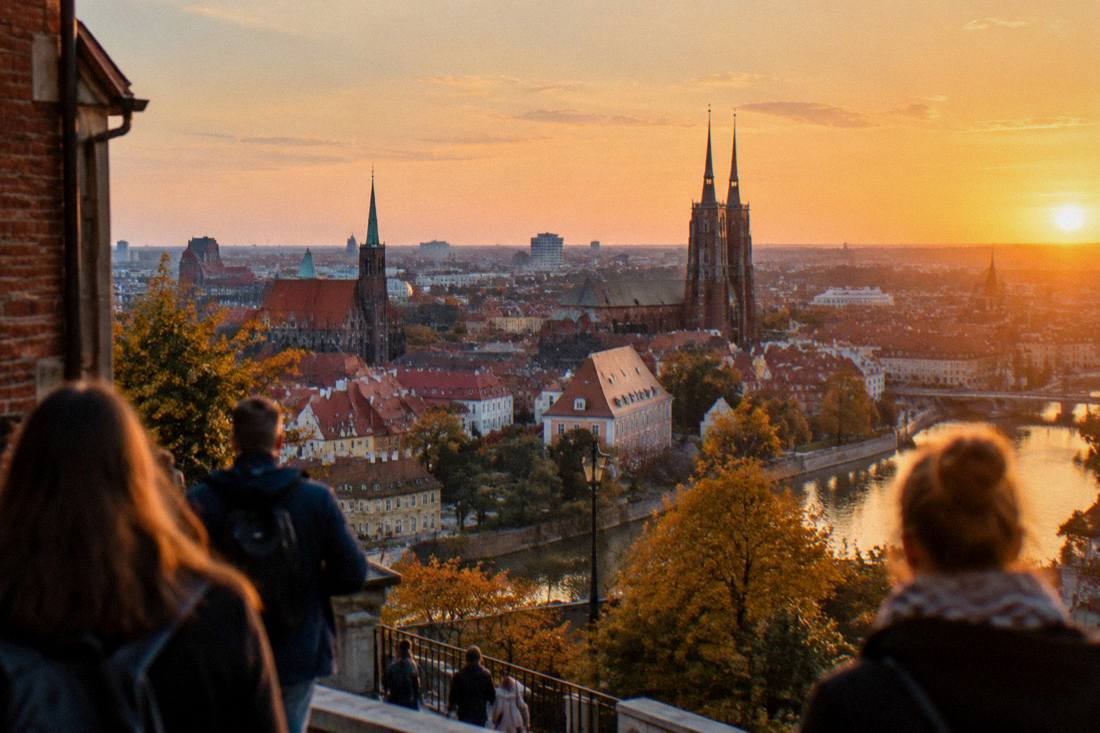
The Old Town does a lot of the cultural work on its own. The Market Square, the surrounding lanes, and the string of islands in the Odra river give Wroclaw a center that rewards walking without any tickets at all, and the free and low-cost options are laid out in detail across this site. Cathedral Island, the oldest part of the city, shifts the register entirely: quieter, ecclesiastical, and best in the early morning before the day-trippers arrive. The Old Town walking route pages on this site cover how to sequence them.
The museum layer splits into two clusters. The National Museum's main building holds the permanent collections, and its own practical-information page lists an adult ticket at 20 zl and a reduced ticket at 15 zl, with free entry to permanent exhibitions every Saturday. The Panorama Raclawicka, a short walk away, is the city's single most famous artwork: a monumental painting displayed in a purpose-built rotunda with a 30-minute screening. The Panorama's own site lists the adult ticket at 50 zl, reduced 35 zl, family 35 zl per person, and a group-guide ticket at 10 zl.
There is a genuinely useful bundling detail that often goes unnoticed. One Panorama ticket also covers the National Museum's permanent exhibitions, the Ethnographic Museum and the Four Domes Pavilion, valid within three months of the visit date. That single 50 zl adult ticket is therefore the key to four institutions, not one, and it makes the Panorama the sensible first stop for a museum-heavy itinerary.
For travelers who want a guide rather than a self-directed museum crawl, the city's walking-tour options run from small-group Old Town walks to longer private routes. A local-led city tour is one of the more efficient ways to absorb the 2016 story alongside the medieval core, since the guides tie the modern cultural layer to the older one rather than treating them separately.
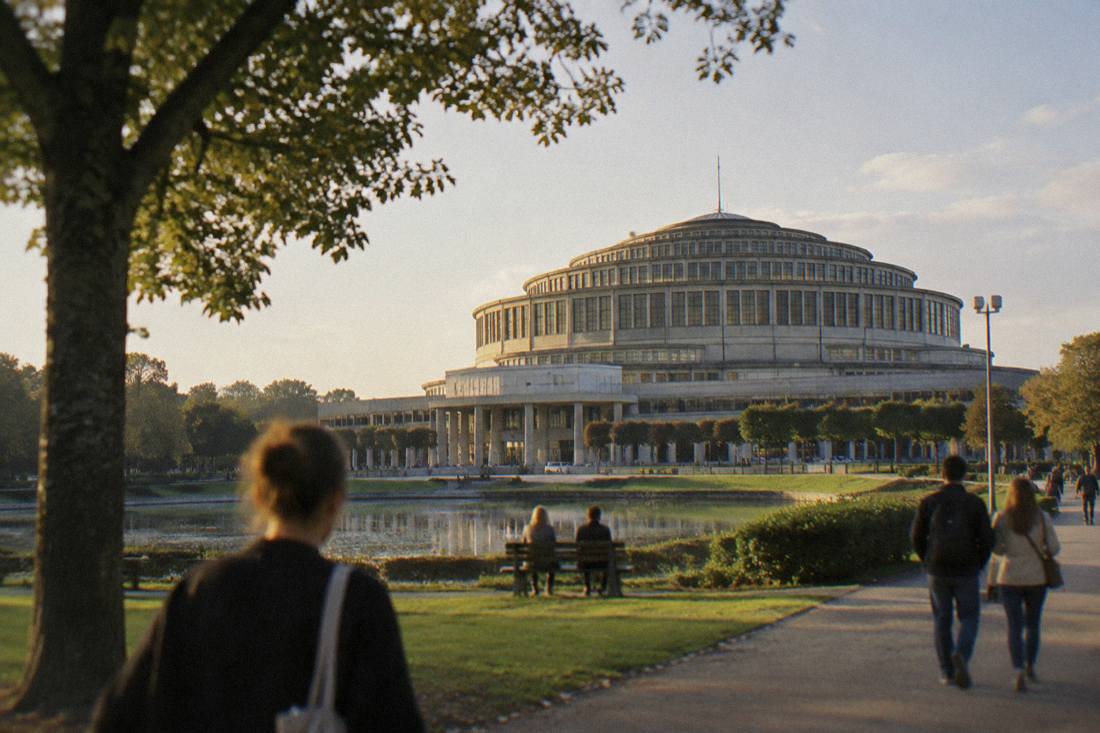
Centennial Hall closes the shortlist. The hall sits east of the center in a park setting beside a fountain and the Japanese Garden, and it remains an active events venue rather than a static monument. The UNESCO inscription in 2006, the Max Berg design, the 1911-1913 construction dates and the 10,000 capacity are all documented on the UNESCO listing for the property. Check the hall's own event calendar before visiting, since a major event can change access on any given day.
How Much Do Wroclaw's Museums And Attractions Cost In 2026?
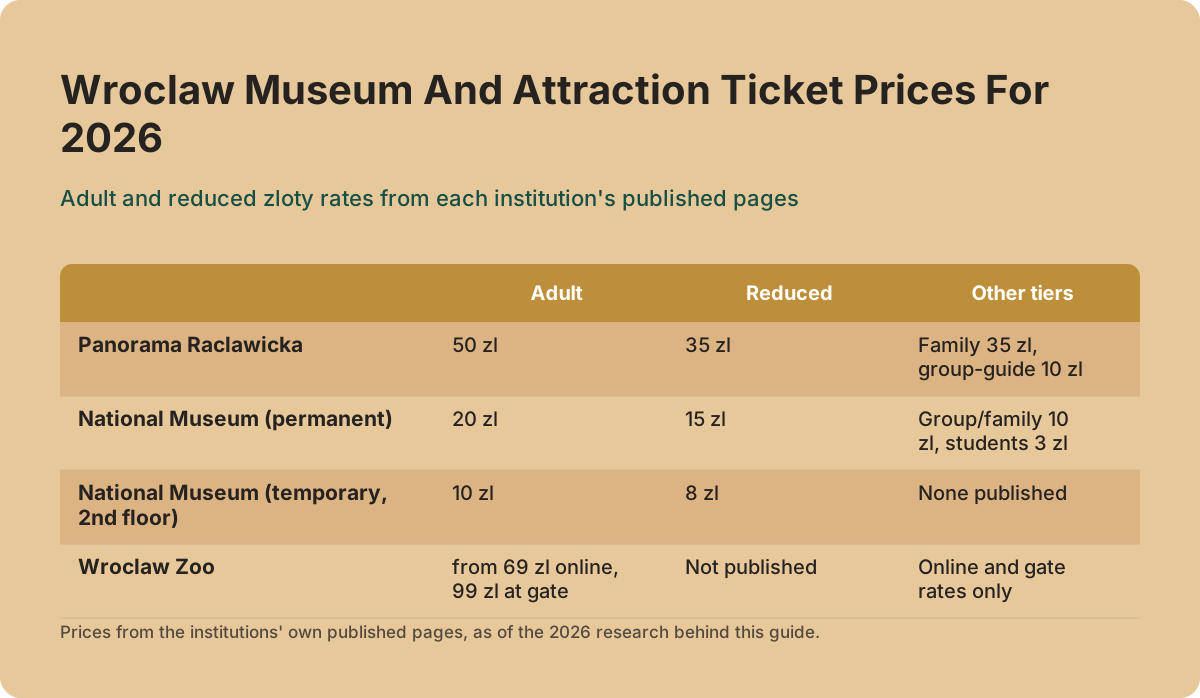
The headline figures: the Panorama Raclawicka adult ticket is 50 zl (35 zl reduced), the National Museum main building is 20 zl (15 zl reduced) with free permanent-entry Saturdays, and Wroclaw Zoo charges from 69 zl online or 99 zl at the gate for adults. All prices are in zloty, Poland's currency, because Wroclaw does not use the euro. The Panorama ticket additionally covers three more museum branches within 3 months.
Those prices come straight from the institutions' own published pages. The National Museum's own site lists the full ladder beyond the headline pair: group and family tickets at 10 zl per person, a student and pupil special at 3 zl, and a "Museum for a zloty" ticket at 1 zl for students and pupils under 26. Children under 7 enter free. A temporary exhibition on the second floor costs 10 zl adult, 8 zl reduced.
| Institution | Adult | Reduced | Other Sourced Tiers |
|---|---|---|---|
| Panorama Raclawicka | 50 zl | 35 zl | Family 35 zl per person, group-guide 10 zl |
| National Museum (permanent) | 20 zl | 15 zl | Group/family 10 zl, students 3 zl, under 26 for 1 zl, under 7 free |
| National Museum (temporary, 2nd floor) | 10 zl | 8 zl | None published |
| Wroclaw Zoo | from 69 zl online, 99 zl at gate | from 59 zl online, 89 zl at gate | Zoo plus safari-ride add-on 107 zl adult, 93 zl reduced |
The zoo deserves a note because it surprises people who assume it is a sideshow. Wroclaw Zoo is open every day of the year, and the Afrykarium, its ocean-and-Africa complex, is included in the standard ticket rather than sold separately, as the zoo's own price page states. In the April-September season the grounds run 9:00-18:00 Monday to Thursday and 9:00-19:00 Friday through Sunday and holidays. The zoo's own price table shows a clear online-versus-gate gap on every ticket tier, one of the larger walk-in price differences of any attraction in the city.
| Free Or Nearly-Free Entry | Condition | Source Detail |
|---|---|---|
| National Museum permanent exhibitions | Every Saturday | Stated on the museum's own practical-info page |
| Children under 7, National Museum | Age-based | Free entry |
| Museum for a zloty | Students and pupils under 26 | 1 zl ticket |
| Panorama ticket bundle | Within 3 months of visit | Covers National Museum permanent exhibitions, Ethnographic Museum, Four Domes Pavilion |
A related honesty point: there is no all-inclusive Go City-style tourist pass currently sold for Wroclaw. The UrbanCard that circulates in local discussion is a transport-focused fare card with resident discounts, not a sightseeing pass, and it does not cover museum or attraction admission. Any product marketed to you as a Wroclaw all-inclusive city pass should be checked carefully against what it actually includes. For the budget picture beyond museums, the what a Wroclaw trip costs guide breaks down the full spend.
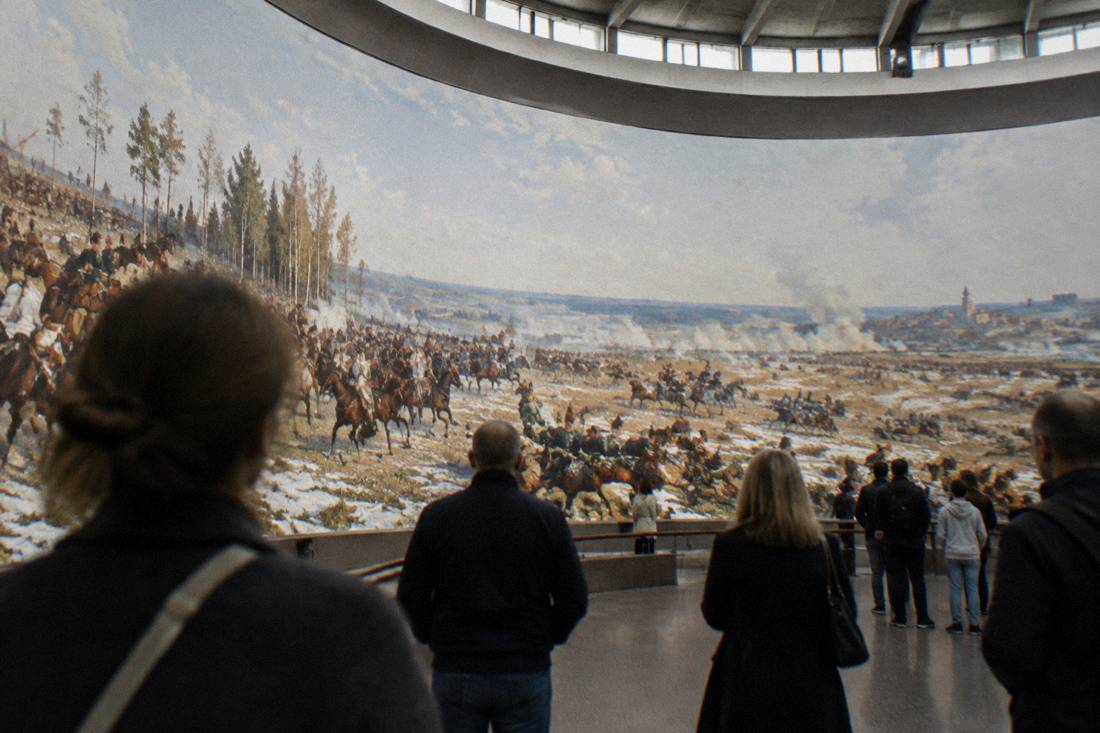
Opening hours matter as much as prices when you sequence a museum day. In winter, 1 November to 31 March, the Panorama is closed Mondays and runs 9:30-16:00 Tuesday to Friday, 9:30-17:00 Saturday, 9:30-16:00 Sunday. In summer, 1 April to 31 October, it opens daily 8:30-19:00. The National Museum is closed Mondays year-round, with a 30-minute-earlier ticket-office close. Plan Mondays for the zoo, the Old Town or a day trip, not the museums.
When Is The Best Time To Visit Wroclaw For Culture?
The warmest, most festival-dense window is May through September, when IMGW's 1991-2020 climate normals for the Wroclaw station give mean temperatures of 14.3C in May rising to 19.7C in July and 19.3C in August, but April, at 9.7C and the driest month at 31.2 mm of rain, offers the best balance of mild weather and thinner crowds. December's Christmas market season is the strongest cold-weather reason to come.
The climate data below is the official IMGW normal for Wroclaw station 12424, the 1991-2020 averaging period. Read it as a planning baseline rather than a forecast: July, the warmest month at a 19.7C mean, is also the wettest at 91.4 mm of precipitation, which is a classic central-European summer pattern of short, heavy showers rather than all-day rain.
| Month | Mean Temperature (C) | Precipitation (mm) |
|---|---|---|
| January | 0.0 | 28.3 |
| February | 1.1 | 25.6 |
| March | 4.3 | 35.0 |
| April | 9.7 | 31.2 |
| May | 14.3 | 59.6 |
| June | 17.7 | 65.4 |
| July | 19.7 | 91.4 |
| August | 19.3 | 59.5 |
| September | 14.5 | 48.4 |
| October | 9.6 | 37.6 |
| November | 4.8 | 31.4 |
| December | 1.1 | 27.9 |
Two things follow from that table for a culture-focused trip. First, this is not a Mediterranean climate: the annual mean is 9.7C, and a winter visit means packing for around freezing, with January averaging 0.0C. Second, the shoulders are genuinely good. April is the driest month on the normals at 31.2 mm and sits at a mild 9.7C mean, and the museum layer does not care about outdoor weather anyway, which is why the best time to visit Wroclaw guide treats spring and early autumn as the value picks.
The festival calendar is the other half of the timing question. The New Horizons film festival is Wroclaw's internationally noted film event, part of the cultural identity that earned the city attention around and after 2016, and it anchors a summer calendar that fills the warm months. The full Wroclaw annual festivals round-up and the broader city events calendar for Wroclaw let you check what is running in the specific weeks you are considering. For the December market season specifically, the Wroclaw Christmas market guide covers stalls, food and timing.
One cultural-identity point needs honesty rather than hype. Wroclaw is sometimes described online as Poland's "artsy city." That label is not supported by the sourcing for this site: Lodz is the recognized Polish film city, as a UNESCO City of Film and home of the Polish National Film School. What Wroclaw can honestly claim is the 2016 European Capital of Culture year, the New Horizons festival, and the Nadodrze district, widely recognized as a street-art and creative quarter whose mural-covered courtyards were central to the city's post-2016 regeneration story. Visit Nadodrze for that; do not arrive expecting a national film capital.
How Do You Get Around Wroclaw As A Visitor?
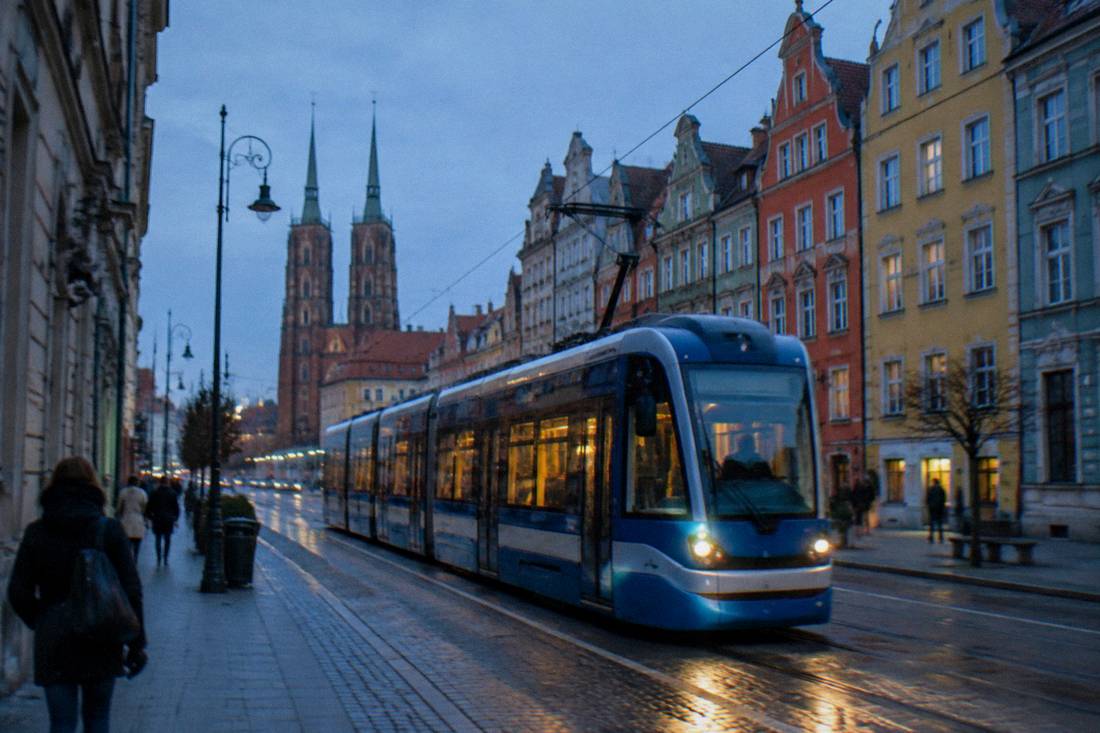
Wroclaw's trams and buses are the practical backbone, and the base fare is a 15-minute ticket at 4.60 zl normal or 2.30 zl reduced, per the city's official fare page, with tiers rising to 30 minutes at 7.00 zl and a 24-hour band around 15.00 zl. For a culture-focused stay the center is compact enough that no ticket is needed at all: the Old Town, the museums and the islands are walkable.
The fare structure is published by duration rather than as a single flat ride price. Beyond the 15-minute base and the 30-minute tier, the official page lists multi-day bands at 26 zl, 32 zl and 54 zl, with half-price reduced equivalents at 13, 16 and 27 zl. A 24-hour city ticket sits around 15.00 zl normal, 7.50 zl reduced. For a two- or three-day museum itinerary with one Centennial Hall trip, a single 24-hour ticket on your busiest day usually beats daily pay-as-you-go.
| MPK Ticket | Normal (zl) | Reduced (zl) |
|---|---|---|
| 15-minute | 4.60 | 2.30 |
| 30-minute | 7.00 | 3.50 |
| 24-hour | approx. 15.00 | 7.50 |
| Multi-day band 1 | 26.00 | 13.00 |
| Multi-day band 2 | 32.00 | 16.00 |
| Multi-day band 3 | 54.00 | 27.00 |
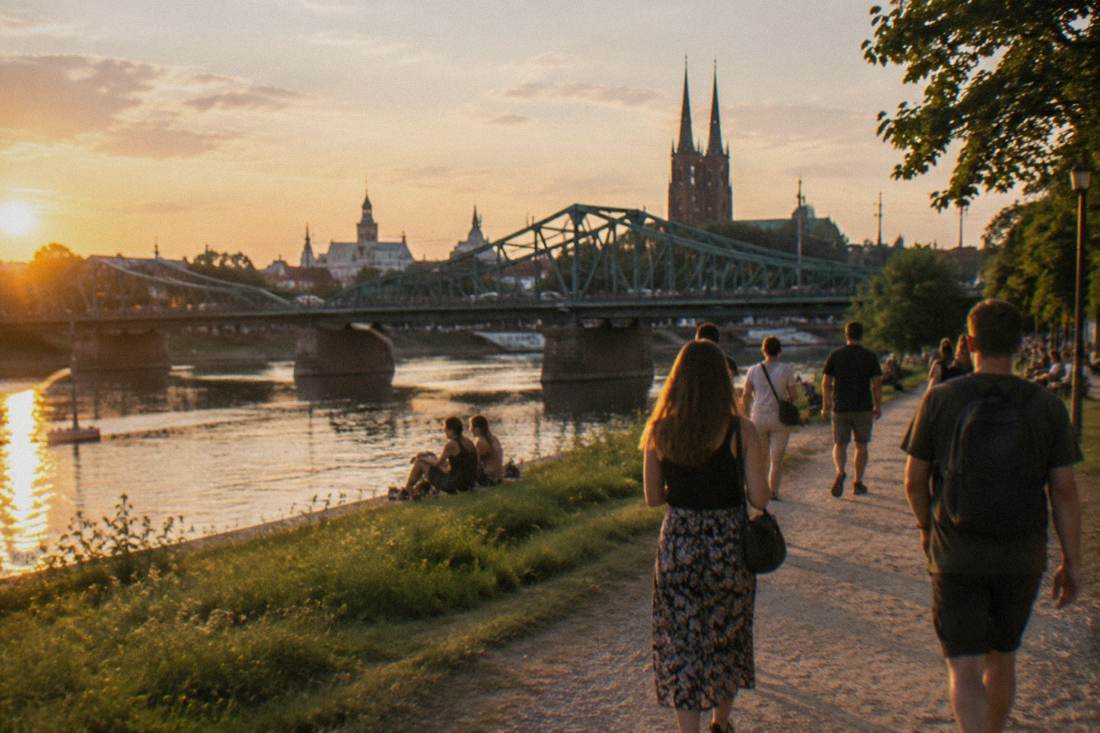
The practical geography is simple. The Market Square, the National Museum, the Panorama and Cathedral Island form one walkable cluster, with the Odra islands, including the popular Slodowa Island, strung between them. Centennial Hall and the Japanese Garden sit a short tram ride east, and the zoo is adjacent to the hall, so those three pair naturally into a single half-day. The getting around Wroclaw guide covers tickets, validation and seasonal tourist lines in full, and the city also runs a live city-bike map that makes the flat riverside paths an option in the warmer months.
What Cultural Day Trips Can You Take From Wroclaw?
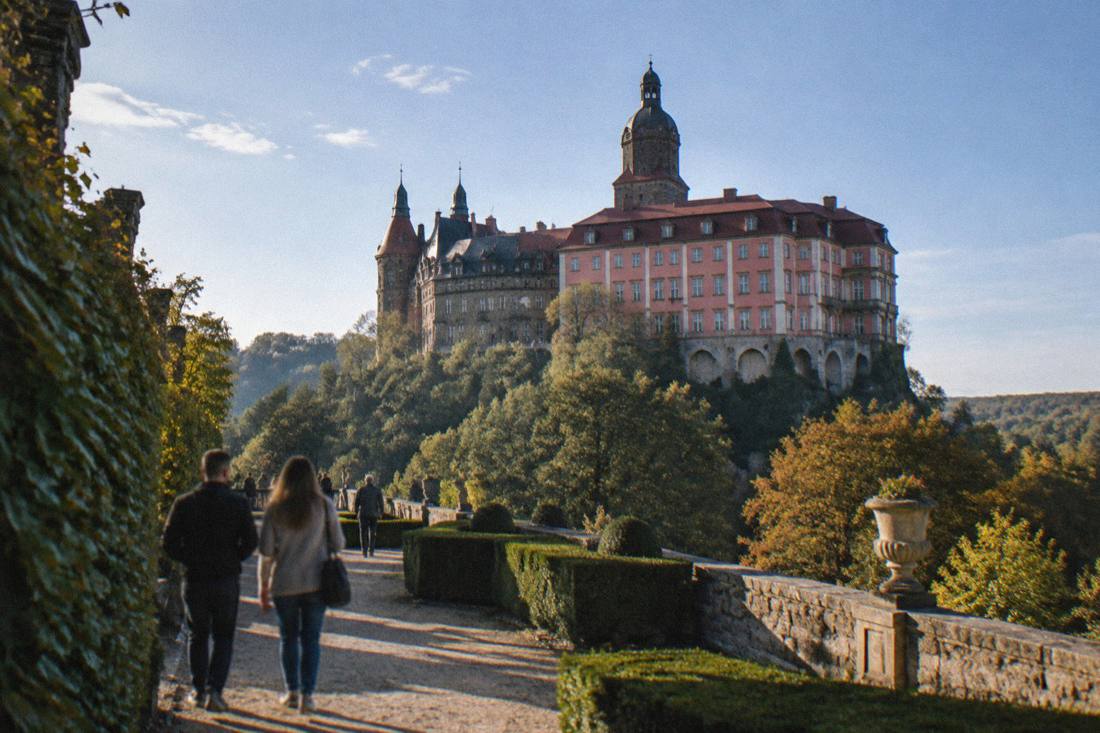
The strongest cultural day trips from Wroclaw are Ksiaz Castle, the largest castle in Lower Silesia, and the UNESCO-listed Church of Peace in Swidnica, both commonly reached by regional train to Walbrzych plus a bus or taxi connection. Ksiaz's castle-with-audioguide-and-terraces ticket is 72 zl adult, 62 zl reduced, and the Church of Peace charges 18 zl adult, 15 zl reduced. Both are half-day to full-day trips.
Ksiaz Castle has a backstory worth knowing before you go, because ownership questions confuse a lot of online text. The castle is owned by the Walbrzych municipality and operated by the municipal company Zamek Ksiaz w Walbrzychu Sp. z o.o., not by a private owner or a national state agency. Its current tariff, effective 6 May 2026, prices a wide ladder of combinations, and one seasonal restriction matters most: the terraces open only from 15 April to 30 September, so a winter visit loses that element.
| Ksiaz Castle Ticket | Adult (zl) | Reduced (zl) |
|---|---|---|
| Castle with audioguide and terraces | 72.00 | 62.00 |
| Castle, terraces and underground tour | 92.00 | 82.00 |
| Castle, terraces and stud farm | 79.00 | 69.00 |
| All Day Ticket (all elements) | 104.00 | 94.00 |
| Underground tour alone | 45.00 | 39.00 |
| Palm House alone | 27.00 | 21.00 |
The Church of Peace in Swidnica is the quieter of the two headline trips and, for many visitors, the more affecting one. It is one of the two Churches of Peace in Jawor and Swidnica inscribed on the UNESCO World Heritage list in 2001, an enormous timber-framed Protestant church built under the strict conditions imposed on Protestant congregations of its era. The parish's own page lists adult tickets at 18 zl, reduced 15 zl, children and youth 10 zl, and a family ticket at 45 zl for two adults and children under 18.
Beyond those two, Lower Silesia opens up the Giant Mountains and the Valley of Palaces for a nature-and-architecture hybrid day, and organized tours from Wroclaw cover the Ksiaz and Swidnica pairing in a single outing. Do not expect every famous Polish landmark to be a Wroclaw day trip, though: the Wolf's Lair, sometimes miscategorized in raw travel keyword lists, sits 500 km and more away near Ketrzyn in the country's northeast and is not a feasible excursion from here. Auschwitz-Birkenau and Krakow are the long-haul day trips that genuinely work from Wroclaw.
Where Should You Eat And Drink Between Museum Visits?
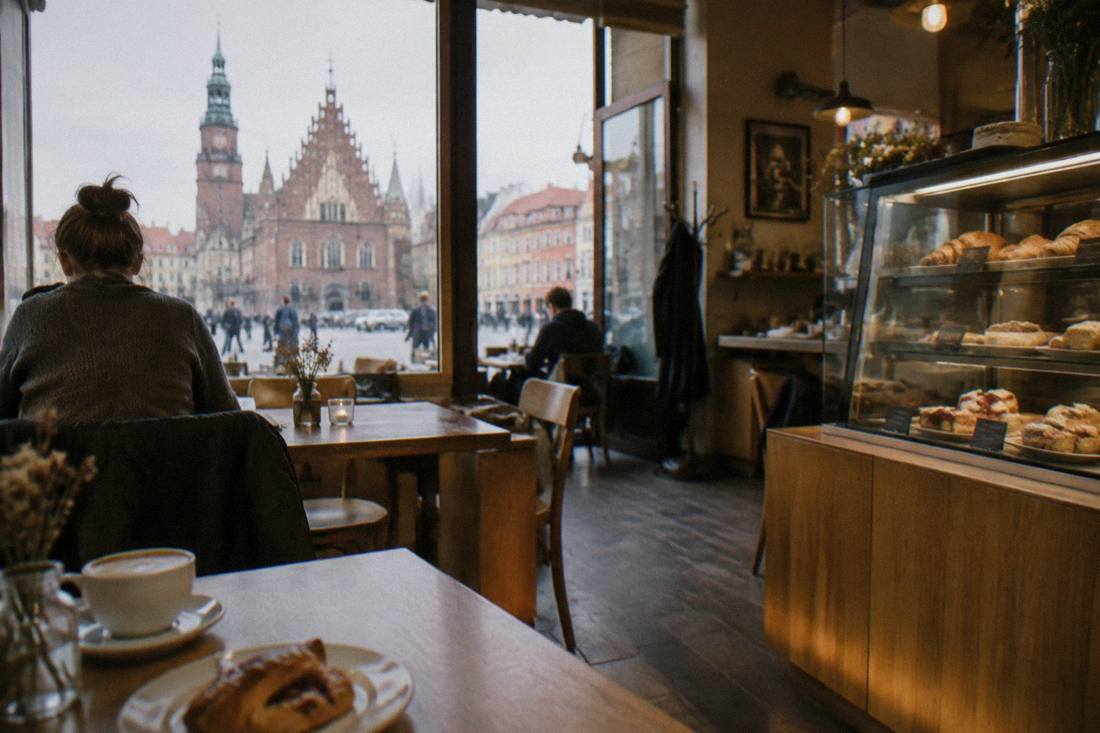
The Old Town and the streets just off the Market Square concentrate the best eating for a culture-focused day, from milk bars serving full Polish lunches at canteen prices to modern restaurants and a strong cafe layer, and the craft-beer scene gives Wroclaw one of the most distinctive evenings in western Poland. Prices are in zloty everywhere, and card payment is normal in central venues.
The milk-bar tradition is the budget backbone: canteens serving pierogi, soups and cutlets quickly and cheaply, and they fit perfectly between museum stops because service is fast and the food is hearty. For specifics, the Wroclaw milk bars explained guide lists the reliable central ones, and the where to eat in Wroclaw and Wroclaw pierogi guide pages cover the sit-down layer. Cafe culture matters more than many visitors expect in a museum-heavy itinerary; the Wroclaw's best cafes guide points to the good work-and-rest stops.
Evenings split depending on what you want. The craft-beer scene is the strongest identified drinking culture in the city, laid out in the Wroclaw craft beer guide, and the broader Wroclaw nightlife guide covers the rest, from riverside island evenings on Slodowa to the student-heavy club nights that come with a big university city. Wroclaw's film-festival and student identity means the evenings are livelier than the city's size alone would suggest.
Is Wroclaw Still Worth Visiting For Its Culture After 2016?
Yes, and arguably more so than during the title year itself: the venues built or refreshed for 2016 are a decade more polished, the festival calendar including New Horizons is established, and the city pairs that programming with a walkable medieval core, river islands and the Nadodrze street-art quarter. Krakow is larger, at 816,614 residents to Wroclaw's 672,601, but Wroclaw's cultural layer is compact, cheaper and far less crowded at the sights.
That is the honest comparison. Krakow has the bigger population, the bigger main square and the single most famous Polish sight in Wawel, but it also has the tourist density that goes with them. Wroclaw offers a different trade: a Panorama you can walk into, a museum layer where Saturday entry to the permanent collections is free, a UNESCO hall that is a working venue, and a creative quarter in Nadodrze that has genuinely regenerated rather than been staged for visitors. The Wroclaw compared with Gdansk and Wroclaw versus Warsaw guides extend the same honest comparison to the other short-break rivals.
For travelers who prefer structure over self-direction, the guided options cover the spectrum. Small-group Old Town walks suit first-time visitors; longer private versions add Cathedral Island and the deeper history. The options below are the ones this site carries for a culture-focused stay.
Getting there is straightforward. Wroclaw Airport handled 4,473,945 passengers in 2024, its largest investment program to date was completed ahead of schedule in September 2026, and 2026 brought new passenger records after the temporary late-2025 closure ended. The Wroclaw airport guide covers transport into the center. Poland is in the EU and the Schengen area, so most European visitors cross the border without checks, but the currency is the zloty, not the euro, and that catches out first-time visitors every year.
Common Questions About Wroclaw European Capital Of Culture
Was Wroclaw really a European Capital of Culture?
Yes. Wroclaw held the European Capital of Culture title in 2016, sharing the designation year with San Sebastián in Spain. The year brought an expanded program of festivals, performances and exhibitions across the city's venues.
What year was Wroclaw the European Capital of Culture?
2016. The designation framed that single calendar year, and the city's current cultural calendar, including the New Horizons film festival, builds on the infrastructure and attention from it.
Is Wroclaw the cultural capital of Poland?
No, and no Polish city holds that title. Krakow is the larger city at 816,614 residents to Wroclaw's 672,601, per GUS as of 31 December 2025, and Lodz is the recognized film city as a UNESCO City of Film. Wroclaw's honest claims are the 2016 title year, the New Horizons festival and the Nadodrze street-art quarter.
Can you still see what was built for 2016 in Wroclaw?
Yes, mostly in the form of upgraded venues rather than dedicated 2016 monuments. Centennial Hall, the National Museum branches, the Panorama Raclawicka rotunda and the surrounding public spaces all hosted the year's programming and remain the core cultural circuit today.
Is there a Wroclaw city pass that covers the museums?
There is no all-inclusive Go City-style tourist pass currently sold for Wroclaw. The best real bundle is the Panorama Raclawicka ticket, which covers the National Museum's permanent exhibitions, the Ethnographic Museum and the Four Domes Pavilion within three months of the visit date. The UrbanCard is a transport fare card and does not cover attraction admission.
The 2016 year was a chapter, not the whole book. Wroclaw's cultural life runs on venues that were famous before the title arrived, a UNESCO inscription from 2006, and a festival calendar that fills every summer. Plan around the museum closing days, buy the zoo ticket online, time a Ksiaz visit for the terrace season between 15 April and 30 September, and the city delivers everything the title promised, at prices the bigger Polish cities have long left behind.