Wroclaw Flea Markets And Antiques
Wroclaw, the largest city in Lower Silesia in southwestern Poland, hides its secondhand scene in plain sight: around the Old Town lanes, in the revitalized Nadodrze quarter, and at the seasonal craft markets that give the city its souvenir character.
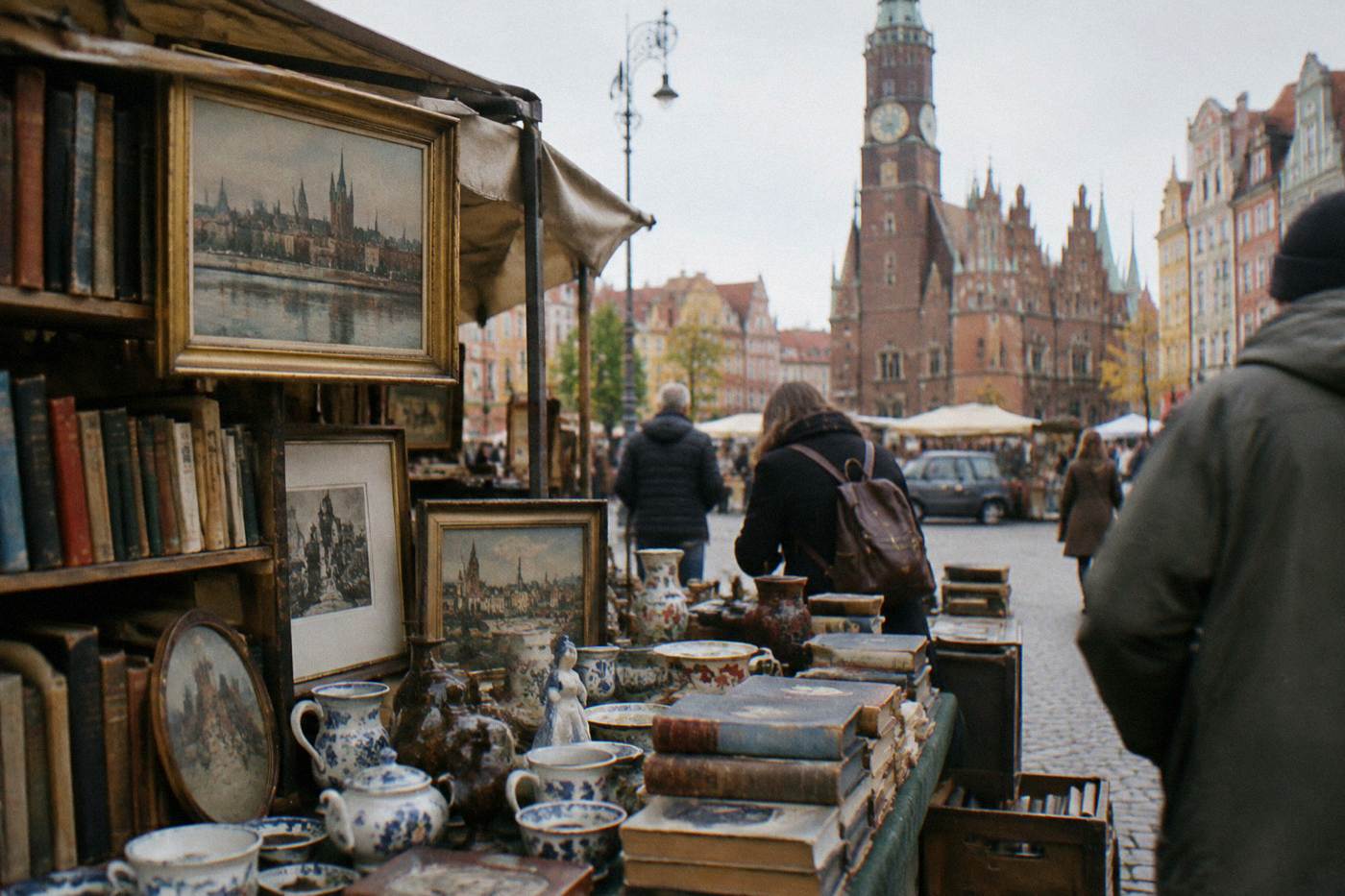
Short answer
Wroclaw's flea market and antiques scene lives around the Old Town, the Nadodrze creative quarter and seasonal craft markets. Bring zloty in cash, hunt early in the day, and pair a market morning with a guided Old Town walk to learn what you are looking at.
Wroclaw, the largest city in Lower Silesia (Dolnoslaskie voivodeship) in southwestern Poland, is a city of 672,601 people, and its secondhand culture runs deep. Between the Old Town lanes, the river islands and the revived Nadodrze quarter, the city supports a lively ecosystem of flea stalls, antique dealers, secondhand bookshops and seasonal craft fairs. This guide covers where the hunting grounds are, what the Polish market vocabulary means, how to budget a market day, and how a guided walk can sharpen your eye before you spend anything.
Where Does Wroclaw's Flea Market And Antiques Scene Actually Live?
Wroclaw's secondhand and antiques scene concentrates in three zones: the lanes and courtyards around the Old Town and Market Square, the revitalized Nadodrze district north of the river, and the seasonal craft markets that appear around the city on scheduled market days. The city does not have one single famous flea market comparable to the giant weekend affairs of Paris or Berlin. What it has instead is a distributed scene, one where a morning of browsing can be combined with sightseeing, since the hunting grounds sit inside the same walkable core where visitors already spend their time.
The Old Town is the natural anchor. A private Old Town walk such as the Wroclaw: Old Town Highlights Private Walking Tour covers exactly these streets, and a guide can point out the courtyards and side lanes where secondhand shops cluster. That context matters. Many of the objects that turn up in Wroclaw's stalls carry the city's complicated layered history, and knowing what you are holding is half the reason to buy it.
Nadodrze is the second zone, and it is the one with the strongest current reputation. Recent reporting describes the district as Wroclaw's street-art and creative quarter, a formerly neglected area brought back to life by community murals, courtyard revivals and small independent businesses. Creative quarters attract secondhand trade: studios need furniture, young residents need cheap books, and dealers follow both. Treat Nadodrze as a browsing-and-discovery district rather than a single-address destination, and give it a slow afternoon.
The third zone is seasonal. Wroclaw runs craft markets on scheduled days, and the city's calendar fills further around Christmas, when the market square turns into one of Poland's most popular Christmas markets. Our Wroclaw craft market days guide tracks which days matter, and our Wroclaw Christmas market guide covers the winter peak, when handmade goods and gift stalls overlap with the antique trade. The Wroclaw Travel Guide homepage maps the wider city if you are building a full itinerary.
When Is The Best Time Of Year To Hunt Antiques In Wroclaw?
The best months for outdoor market hunting in Wroclaw are May through September, when IMGW's 1991-2020 climate normals show monthly means from 14.3C to 19.7C; July is the warmest month at 19.7C, and the indoor antiques trade carries the winter, when January averages 0.0C. Stall browsing is an outdoor activity for most of the year in this city, and the local climate decides how comfortable it is. The annual mean temperature is 9.7C, which tells you the honest story: Wroclaw is a Central European city with real winters, not a year-round open-air market town.
The seasonal logic matters for planning. Spring and early autumn give the most pleasant combination of temperature and stall activity, while deep winter pushes the trade indoors, into secondhand bookshops, antique shops and the Christmas market period, which runs on its own schedule and draws its own crowd. The monthly normals below let you pick your window with real numbers rather than guesswork.
| Month | Mean Temperature (C) | Precipitation (mm) |
|---|---|---|
| Jan | 0.0 | 28.3 |
| Feb | 1.1 | 25.6 |
| Mar | 4.3 | 35.0 |
| Apr | 9.7 | 31.2 |
| May | 14.3 | 59.6 |
| Jun | 17.7 | 65.4 |
| Jul | 19.7 | 91.4 |
| Aug | 19.3 | 59.5 |
| Sep | 14.5 | 48.4 |
| Oct | 9.6 | 37.6 |
| Nov | 4.8 | 31.4 |
| Dec | 1.1 | 27.9 |
Two practical notes from that table. First, summer is warm but not dry: July carries the highest monthly precipitation total at 91.4 mm, so a market morning in high summer can end in a downpour. Second, April is one of the drier months at 31.2 mm while still sitting at a mild 9.7C, which makes early spring a quietly good compromise. Our month-by-month breakdown in the best time to visit Wroclaw guide and the fuller Wroclaw weather by month guide build on these same official normals.
If your trip has flexibility, aim for a shoulder month and a weekend. Market days and craft fairs cluster on weekends, the Christmas season excepted, and arriving early in the morning is the classic flea market rule everywhere in Europe, Wroclaw included. Dealers and serious regulars get the first look.
What Can You Expect To Find At A Wroclaw Flea Market?
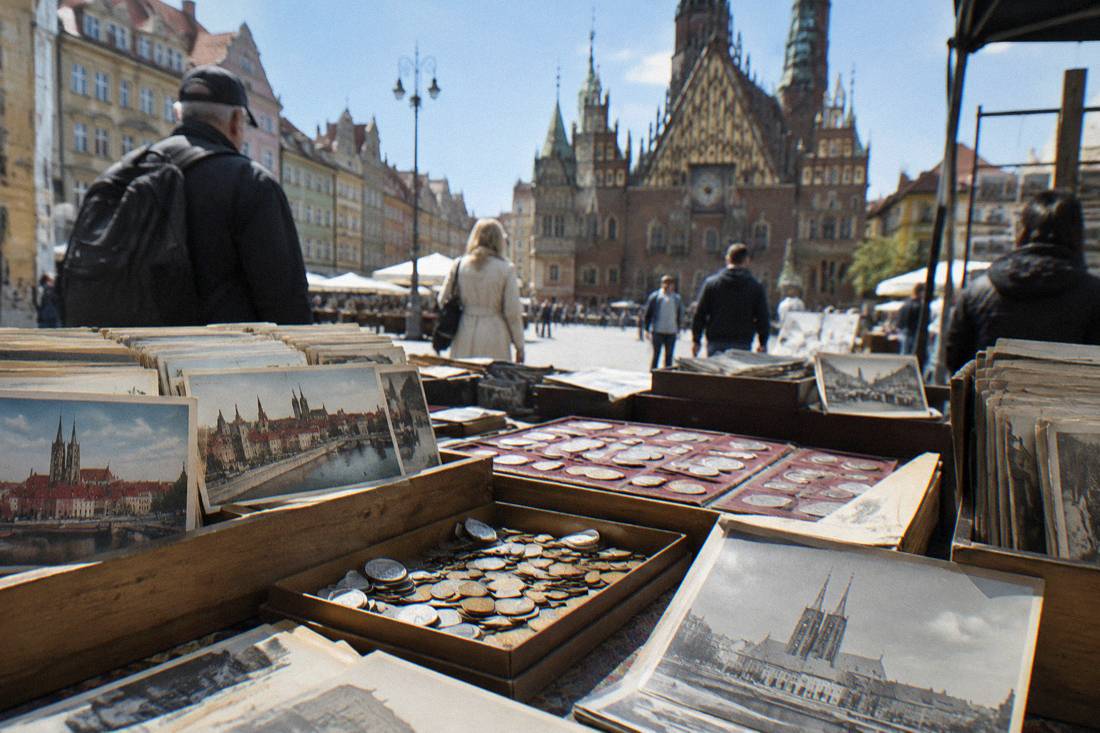
Expect books, postcards, ceramics, jewelry, small furniture, militaria-adjacent curios and mid-century household goods at Wroclaw's secondhand stalls, sold mostly in zloty, often from stalls or shops whose look and stock change with the season, the weather and who happened to set up that particular morning. The city's location shapes the stock in ways a first-time visitor will not guess from a single glance at a table. Lower Silesia changed hands and borders repeatedly across its modern history, and objects that surface here can carry German, Polish and Czech layers in a single stall. That mix is what makes browsing here interesting, and it is also what makes caution necessary.
Learn the local vocabulary before you go, because the words on the sign tell you what kind of place you are entering. Poland's secondhand trade is divided into distinct categories with distinct names, and they are not interchangeable.
| Polish Term | What It Means | What You Typically Find |
|---|---|---|
| Pchli targ | Flea market | Mixed secondhand stalls, usually outdoors or occasional |
| Targ / bazar | General market | Food, clothing, household goods, some secondhand |
| Antykwariat | Antiques or secondhand shop | Older furniture, art, collectibles, often used books too |
| Lumpeks | Thrift / rag store | Cheap secondhand clothing by weight or item |
| Ksiazki uzytkowane / antykwariat ksiazkowy | Used books / secondhand bookshop | Books, prints, postcards, maps |
Knowing the difference saves time. An antykwariat is a shop with an owner who knows the provenance of the good pieces and prices accordingly. A pchli targ is a rummage, priced for a fast hand and a sharp eye. A lumpeks is neither: it is clothing, and hunting antiques there is a category error. Plan your route around the first two and treat the third as a separate, cheaper sport.
The honest-warning paragraph: reproductions and souvenirs circulate freely near heavy tourist footfall, and around the Market Square in particular, stall stock tilts toward new-made gift items rather than genuine secondhand. Move a few streets off the square and the balance changes. For genuine local making rather than old objects, the craft market circuit is the better target, and it is covered separately in our craft market days guide. For eating between stalls, the surrounding Old Town holds the best of the city's food, mapped in our best restaurants in Wroclaw guide, our pierogi guide and our street food guide.
How Much Should You Budget For A Flea Market Day In Wroclaw?
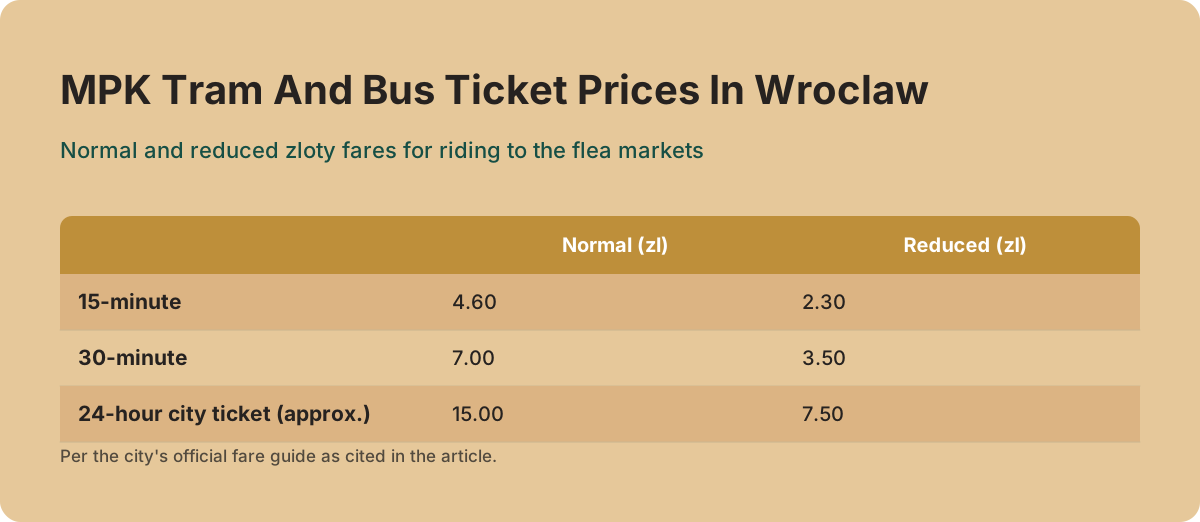
Budget in Polish zloty, not euros: Poland uses the zloty (PLN) and is not in the Eurozone, a 15-minute MPK tram or bus ride costs 4.60 zl (2.30 zl reduced), and your object budget is whatever you decide, since prices at stalls are negotiated rather than fixed by any tariff. The transport part of the day is genuinely cheap by Western European standards. The city's official fare guide lists time-based tickets, and the shortest tier covers a quick hop between the Old Town and Nadodrze with room to spare.
| MPK Ticket Tier | Normal (zl) | Reduced (zl) |
|---|---|---|
| 15-minute | 4.60 | 2.30 |
| 30-minute | 7.00 | 3.50 |
| 24-hour city ticket (approx.) | 15.00 | 7.50 |
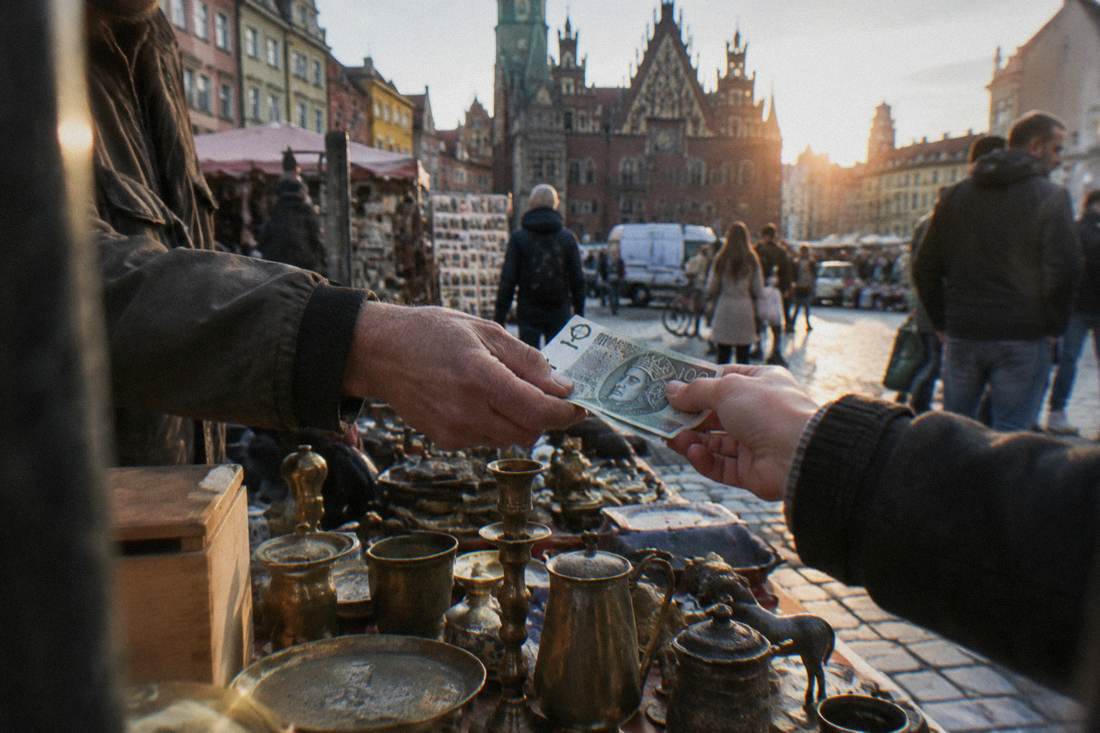
Beyond transport, your market-day costs are coffee, food and purchases. Wroclaw's cafe scene is strong enough to be its own attraction, mapped in our best cafes in Wroclaw guide, and a mid-morning coffee stop is a natural part of a browse. For the objects themselves, carry cash. Zloty in small notes beats a card at a stall table, and haggling is normal in Polish flea market culture in a way it is not in a museum gift shop: polite, low-drama, and usually a small percentage rather than a theatrical performance.
Two budgeting rules keep the day honest. First, decide your ceiling for any single object before you ask the price, because the whole point of a market is that the interesting thing appears when you are not expecting it. Second, remember the shipping question. Heavy furniture and large frames are cheap at the stall and expensive on a plane. Small, sturdy objects travel well; glass and ceramics travel badly; paper needs protection from the July humidity. Our Wroclaw trip cost guide puts the whole day in the context of a full city budget.
How Do You Tell A Genuine Find From A Tourist Reproduction In Wroclaw?
Judge age by wear, not by patina: genuine old objects show uneven wear where hands touch them, reproductions show uniform distress, and in Wroclaw specifically the strongest tell is mixed provenance, since Lower Silesian objects often carry both German-era and Polish-era marks of use. No rule catches every fake, but a handful of habits catch most of them. Look at edges, corners, handles and the bottoms of things. Uniform "aging" across an entire surface is a design choice, and design choices are made in factories.
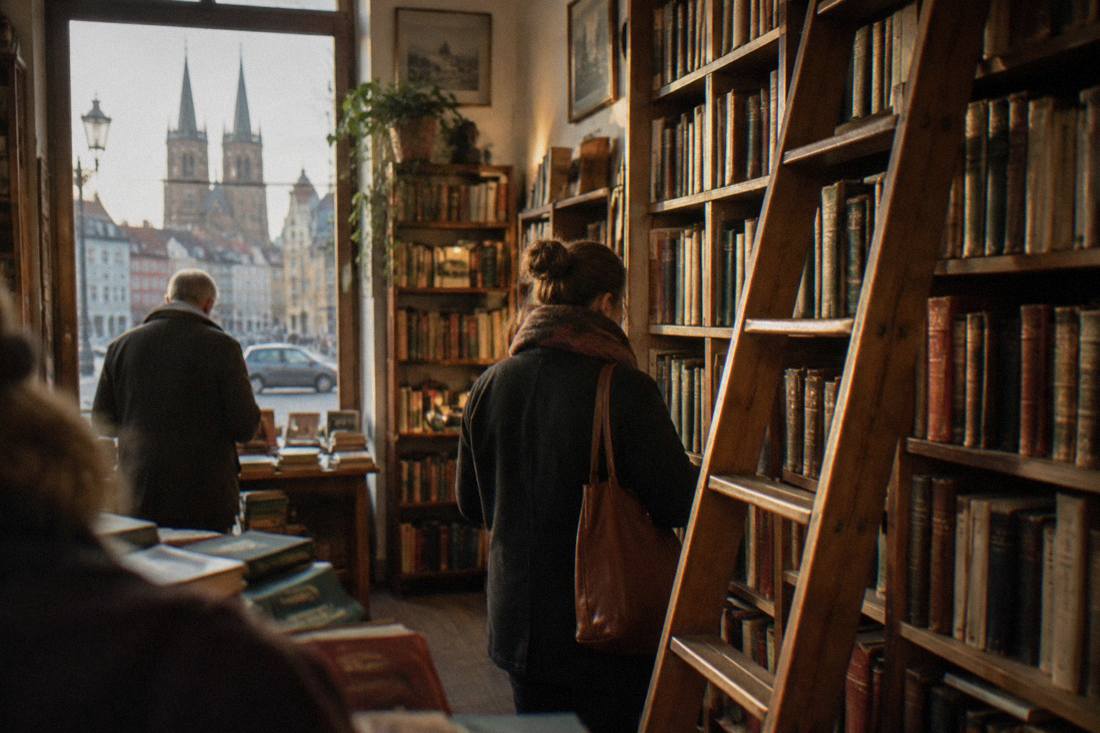
Books and prints are the friendliest category for a cautious buyer. A secondhand bookshop's stock is largely self-authenticating: the paper, the binding and the bookseller's own pricing do the verification for you, and old postcards and maps of the city are both genuinely findable here and genuinely evocative. They are also light, which solves the shipping problem before it starts. Ceramics and glass sit at the opposite end: lovely, breakable, and the category where reproductions are most convincing. Buy them because you love them, not as an investment.
Beware of anything with a story that flatters the buyer. "Found in an attic near the castle" is a story; provenance is a documented chain. Wroclaw's genuine complicated history attracts objects whose stories cannot be checked, and a dealer who cannot answer basic questions about an expensive piece is answering them, in his own way. When the price is high, the questions should be detailed.
The strongest single tip: walk first, buy on the way back. A morning loop through the Old Town and Nadodrze shows you the whole stock before any money moves, and the second pass is where the disciplined purchase happens. A short private walk with a guide does the same job faster, and the streets you cover are the same streets the stalls sit on.
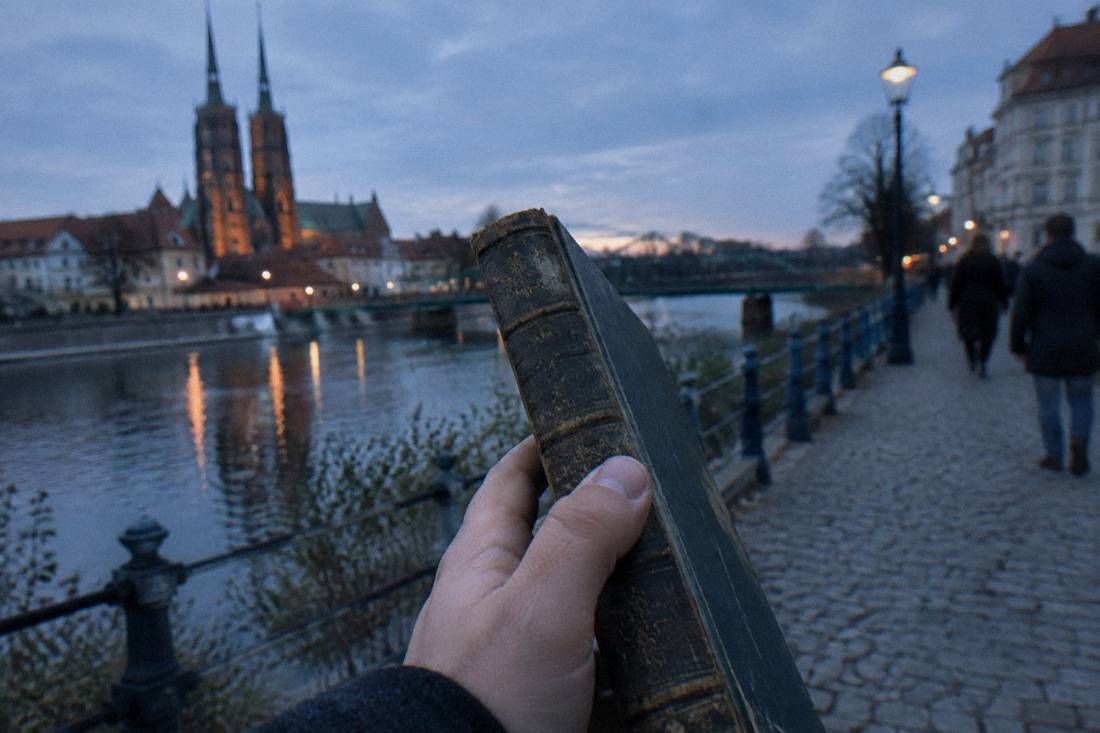
What Polish Phrases Help Most At A Wroclaw Market?
Five phrases carry most of a market conversation: "Ile to kosztuje" asks how much, "za ile pan da" opens the haggle politely, "uzywany" and "antyczny" distinguish used from antique, "czy moge zobaczyc" asks permission before touching, and "dziekuje, nie" declines without drama. Polish market culture rewards a few words of effort enormously. Vendors deal with tourists all day in the city center, and even clumsy Polish changes the tone of a transaction. Deeper background, including pronunciation of the city's own name, is covered in our other guides, but the table below is the practical core.
| Polish | English | When To Use It |
|---|---|---|
| Ile to kosztuje? | How much does it cost? | The opening question at any stall |
| Za ile pan da / pani da? | How much will you give it to me for? | The polite haggle opener |
| Czy moge zobaczyc? | May I have a look? | Before handling an object |
| Uzywany / uzywana | Used, secondhand | Describing the category of object |
| Antyczny | Antique | Describing the category of object |
| Dziekuje, nie | Thank you, no | Declining without drama |
The haggle phrase deserves a note on manners. Polish negotiation is quiet and brief. Name a price or ask for the vendor's best number, exchange one or two counter-offers, and either close or thank your way out. Loud theatrical bargaining, the kind that works in some parts of the world, reads as rudeness here. A small discount or a thrown-in extra is a normal, satisfying outcome, not a defeat.
Numbers are the other half of the exchange, and zloty prices are usually quoted simply. The zloty itself comes in coins and notes, and rounding for the market works well: carry a mix of small notes and coins, because a vendor who cannot make change at 8:30 in the morning will sometimes round in your favor and sometimes not at all.
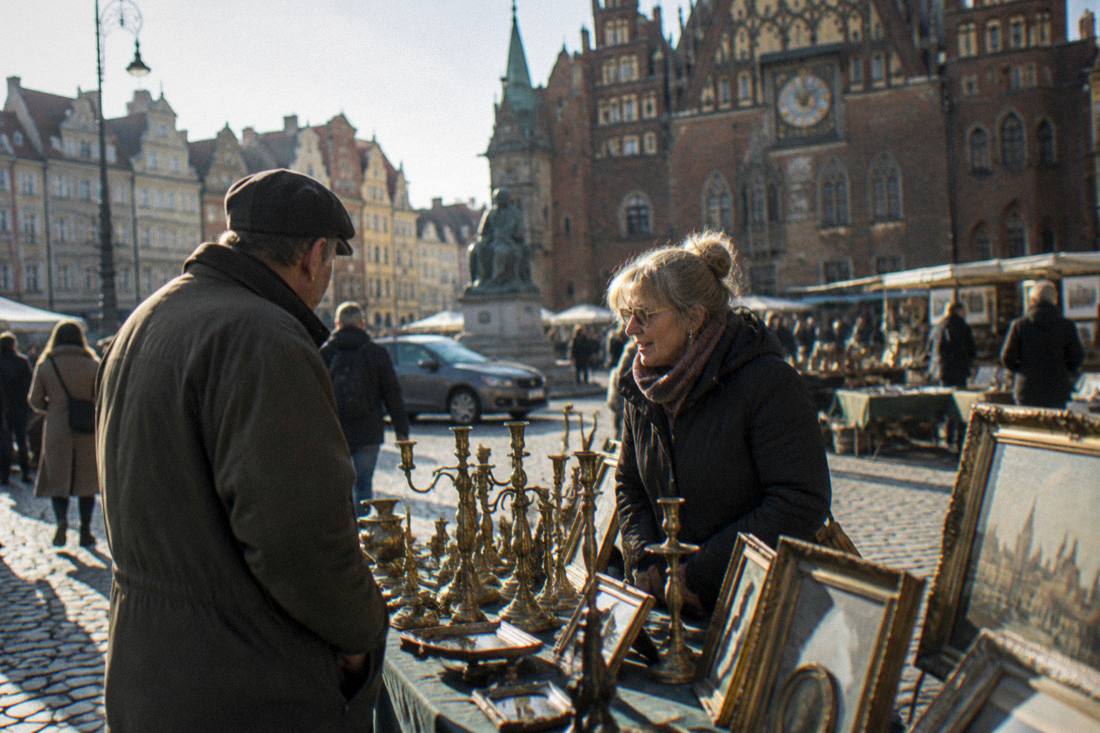
Should You Take A Guided Tour Before Shopping In Wroclaw?
Yes, a guided Old Town walk before a market day pays for itself in context, because Wroclaw's stall stock is meaningless without its history, and the same streets that hold the stalls hold the stories that explain the objects on the tables. A city with a complicated past produces secondhand goods that are small pieces of that story, and a good guide tells you which pieces are the interesting ones. The private option pairs naturally with a shopping agenda because you can steer it.
The walking options run wider than the private highlights tour. The Wroclaw Old Town Guided Walking Tour covers the same core in a small-group format, and the four free, tip-based GuruWalk walks, including Old Town Wroclaw by Walkative! and the Legends of Wroclaw free tour of Ostrow Tumski and the Market Square, are honest zero-cost alternatives. Free does not mean low quality on this platform; the Walkative! Old Town walk carries well over a thousand reviews on GuruWalk.
For a different flavor of day, the city's licensed tours reach outward. Lower Silesia's big-hitter pairing, Ksiaz Castle and the UNESCO-listed Church of Peace in Swidnica, runs as a guided day trip, and the Project Riese and Ksiaz Castle private tour adds the region's underground wartime complexes to the castle. The odd but real link back to this page: those castle and church sites have their own gift and book offerings, and a guided visit there tells you more about the region's objects than any stall table can.
Getting to and around the hunting grounds is its own small skill. Trams and buses cover the city cheaply on the time-based tickets listed above, and our getting around Wroclaw guide covers the system in full. If your market day runs into the evening, our Wroclaw nightlife guide and craft beer guide pick up where the stalls close, and the Wroclaw safety guide covers the practicalities of a late walk home through the center.
The through-line of all these pairings is context. A market stall is a shallow experience when you know nothing about the city around it, and a deep one when you do. Book the walk first, the stalls second, and the two halves of the day will feed each other.
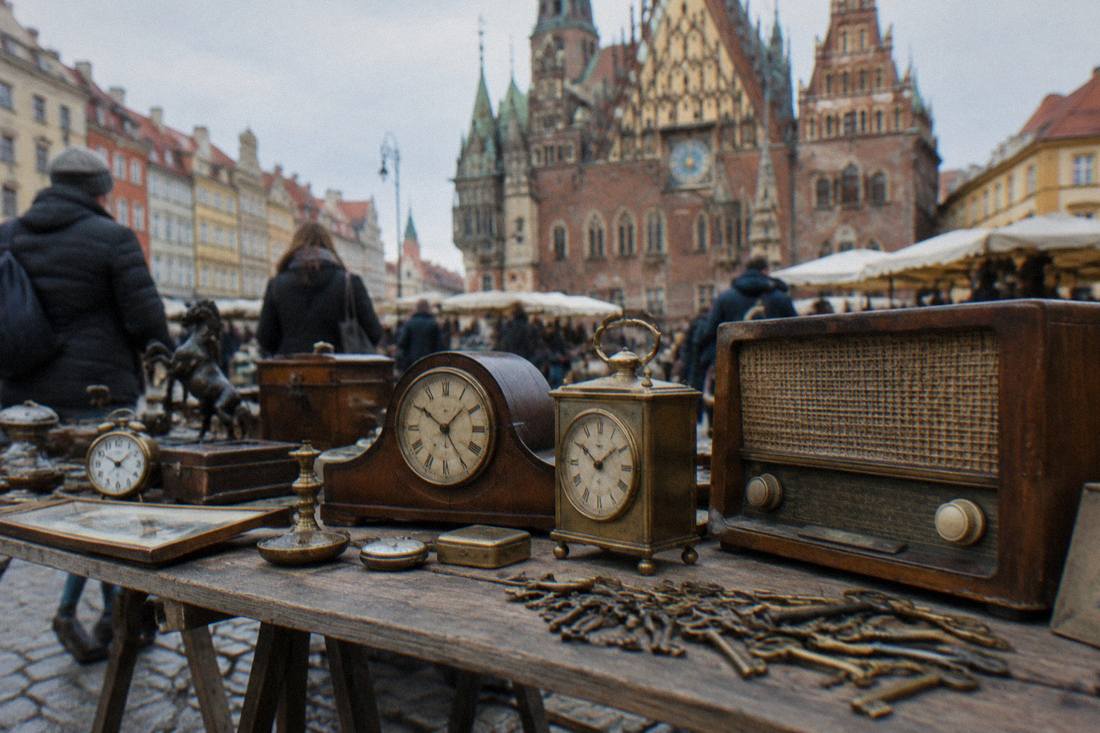
What Should You Buy, And What Should You Leave Behind?
Buy light, sturdy, paper-based and local: old postcards, prints, maps, books and small metal objects travel well and carry Wroclaw's character; leave behind heavy furniture, fragile glass, anything with a suspiciously flattering story, and anything you cannot comfortably lift and carry for the rest of the day on foot. The single most common market-day regret is not the overpriced trinket, it is the beautiful heavy thing bought two hours before a full afternoon of walking and an evening flight.
| Category | Travels Well | Buy With Confidence | Think Twice |
|---|---|---|---|
| Postcards, maps, prints | Yes | Secondhand bookshops, paper stalls | Damp-stored stock |
| Books | Yes | Bookshop-priced items | Heavy multi-volume sets |
| Small metal objects | Yes | Wear-checked pieces | Restored militaria-adjacent items |
| Ceramics and glass | Poorly | Dealer-priced pieces | Uniform "aging" |
| Furniture | No, unless shipping | Local pick-up only | Everything, if flying home |
The zloty point repeats itself for a reason: every stall transaction in this city happens in PLN, and the easiest mistake an arriving visitor makes is assuming euro acceptance because Poland is in the European Union. EU membership and the euro are different things, and the till currency here is the zloty. Carry cash in the local currency and the market opens up.
Seasonality shapes the final list. A December trip lands you in the Christmas market economy, where handmade and gift goods dominate and the antique trade retreats indoors. A May or September trip lands you in the comfortable middle of the climate table, with the full secondhand scene in motion and a 14.3C or 14.5C monthly mean underfoot. Choose the window, check the craft market calendar for the weekend that suits you, and let the weather table above do the deciding.
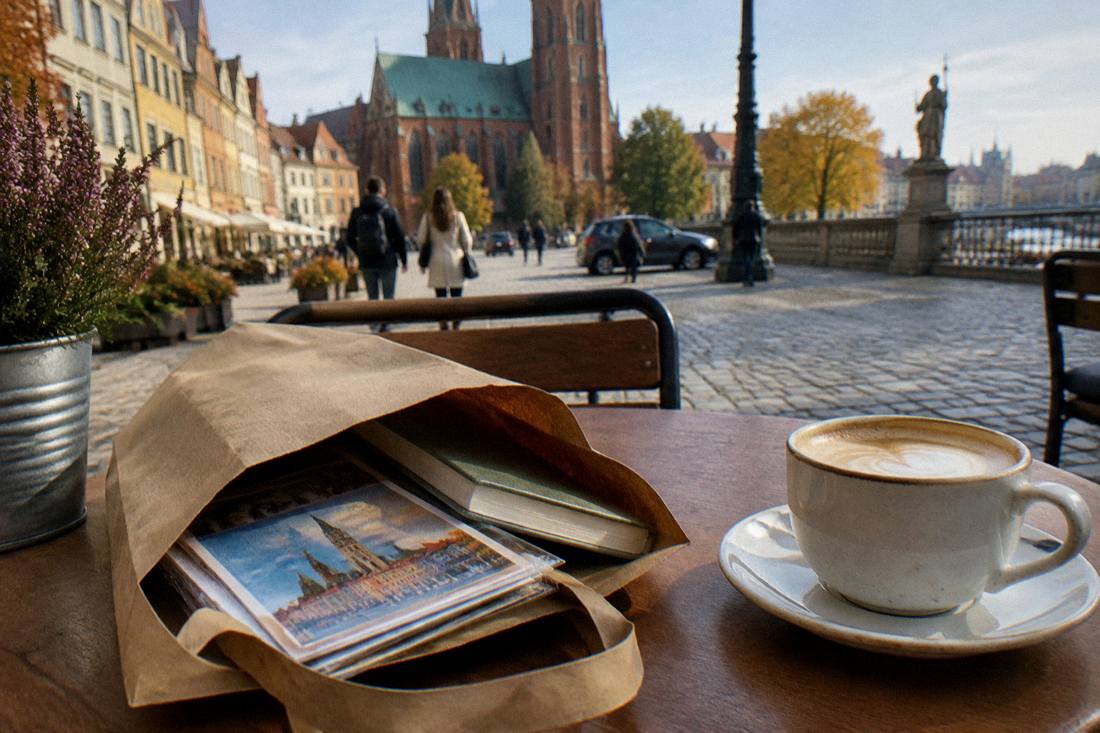
Common Questions About Wroclaw Flea Markets And Antiques
Does Wroclaw have a flea market?
Yes, though not one single giant site. Wroclaw's secondhand scene is distributed across the Old Town lanes, the Nadodrze creative quarter, seasonal craft market days and a network of antykwariaty, the Polish term for antiques and secondhand shops. Plan a route rather than a single address.
What currency do Wroclaw market stalls accept?
The zloty (PLN). Poland is in the European Union and the Schengen area but not in the Eurozone, so cash in zloty is the working currency at stalls. A 15-minute MPK tram or bus ride costs 4.60 zl normal or 2.30 zl reduced per the city's official fare guide.
What does antykwariat mean?
It is the Polish word for an antiques or secondhand shop, sometimes specializing in used books as an antykwariat ksiazkowy. It is a fixed shop with a knowledgeable owner, distinct from a pchli targ, a flea market of mixed stalls, and from a lumpeks, a cheap secondhand clothing store.
Is haggling acceptable at Wroclaw markets?
Yes, in a quiet and brief Polish style. Ask the price, offer one polite counter or ask for the vendor's best number, and close or thank your way out. Large theatrical discounts are not the norm here; a modest reduction or a small extra item thrown in is a normal, good outcome.
When is the best month for market browsing in Wroclaw?
May through September, per IMGW's 1991-2020 climate normals for the Wroclaw station: monthly means run from 14.3C in May to 19.7C in July. Winter pushes the trade indoors, and January averages 0.0C, so the December focus shifts to the indoor Christmas market economy.
Can you buy antiques and also see the main sights in one day?
Yes, easily, because the hunting grounds sit inside the walkable core where the sights already are. A morning private Old Town walk puts the streets and their history in context, and the afternoon can be the second, disciplined pass through the stalls, or a guided day trip out to Ksiaz Castle and Lower Silesia.
A flea market morning in Wroclaw is a history lesson with a price tag, and the discipline that makes it satisfying is the same everywhere: walk the whole stock first, carry zloty in small notes, buy light things you can carry all day, and let a guide explain the city before the stalls explain its objects.